REVIEW · LISBON
Lisbon: See Lisbon Like a Local on a Private Walking Tour
Book on GetYourGuide →Operated by LocalCoolTour · Bookable on GetYourGuide
Lisbon tastes better on foot. This private 3-hour walk has you starting at A Ginjinha for a small pour of sour cherry ginja, then moving through neighborhoods you would rarely pick on your own. I like that the tour mixes flavor, viewpoints, and street-level history, so you leave with both taste and context.
I also like the way the route threads Mouraria and Alfama together, with stories about fado’s origins and why Alfama escaped the 1775 earthquake. The main catch: the walk is hilly and may involve climbing, so it is not a fit if you have mobility limits.
In This Review
- Key things you’ll like on this Lisbon private walking tour
- Starting at A Ginjinha: ginja and coffee to set the tone
- Moorish Mouraria and the fado-Arab world connection
- Miradouro de Graça: coffee, panoramas, and the best reset point
- Historic churches and convents on the walking line
- Alfama streets: color, slope, and a 1775 survival story
- Belvedere viewpoints and the Saramago Museum stop
- Praça do Comércio: the harbor reveal and a cinematic ending
- Price and value: what you pay for in this private Lisbon walk
- Guide style is the make-or-break part
- Practical tips before you go
- Who should book this Lisbon Like a Local tour
- Should you book this private walking tour of Lisbon?
- FAQ
- How long is the private walking tour?
- What is the meeting point?
- Is ginja and coffee included?
- What will I see during the walk?
- Is the tour private?
- What languages are available for the live guide?
- Does the tour run in bad weather?
- Will I need to climb hills or stairs?
- Is it suitable for people with mobility impairments?
Key things you’ll like on this Lisbon private walking tour
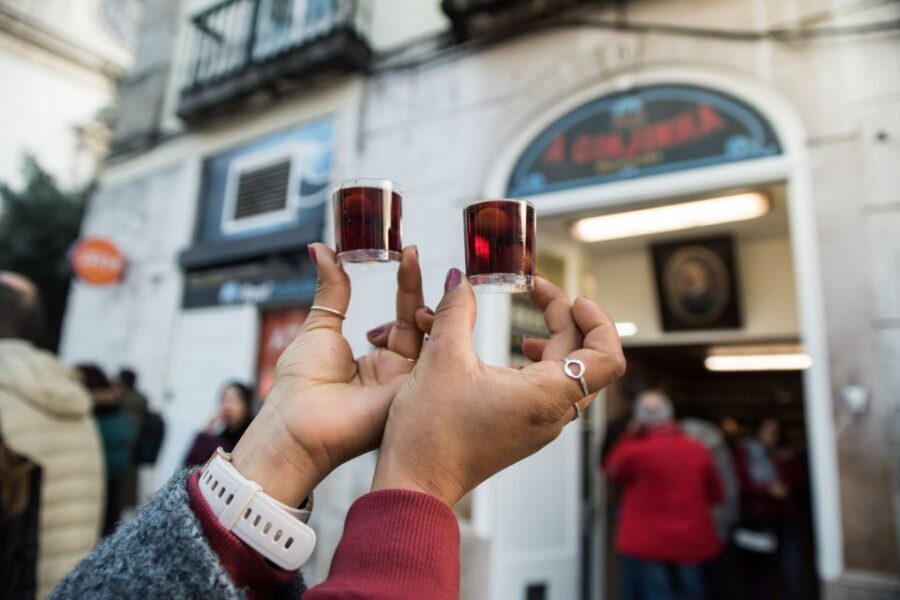
- Ginja first, questions later: a sour cherry liqueur stop at A Ginjinha to kick things off
- Fado origins explained in context: Mouraria connects music to the Arab world
- Coffee with panoramic views: Miradouro de Graça is a real photo-and-rest moment
- Alfama on purpose: narrow, colorful streets with a specific historical angle tied to 1775
- End at the harbor square: Praça do Comércio for sea views and a dramatic finale
- Guides that bring energy: guides like Alfredo and Joana got praised for being lively and memorable
Starting at A Ginjinha: ginja and coffee to set the tone
This tour begins right where locals actually linger: the bar A Ginjinha. You’ll have a glass of their specialty sour cherry liqueur (ginja), plus coffee. It’s a simple start, but it works, because it places Lisbon’s flavors right at the beginning instead of treating food as an optional add-on later.
The best part is how the guide uses that moment to orient you. You’ll get the story behind what you’re drinking and what it means locally, then you’re walking immediately, so the whole experience stays connected. If you’re the kind of traveler who forgets landmarks unless there’s something to taste or touch first, this is a smart way to get your bearings fast.
One practical note: you’re drinking liqueur early, so pace yourself. A small pour is included, but you’re still walking on hills, so take a sip, enjoy the flavor, and save your legs for the streets ahead.
You can also read our reviews of more walking tours in Lisbon


Moorish Mouraria and the fado-Arab world connection
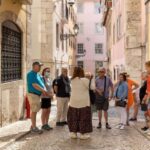
After the bar, the tour moves into old-city texture: churches, viewpoints, and the Moorish-quarter feel of Mouraria. The guide frames this area in terms of where fado began, and why its origin is closely related to the Arab world. That’s a big shift from the usual tourist approach, which often treats fado like a stage show without explaining the deeper roots.
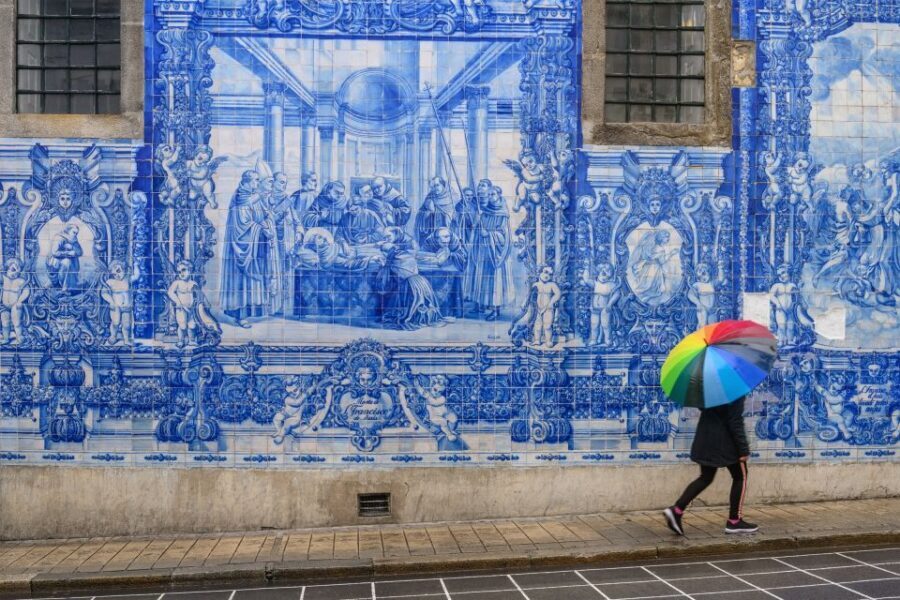
You’ll pass by the Church of St. Dominic and then spend focused time in the Moorish Quarter. Expect the guide to connect city design and culture, not just list names. This is where Lisbon starts to feel like a living city shaped by layered influences, especially in the way streets wind and neighborhoods cluster around community life.
Along the way you’ll also hit viewpoint territory such as Caracol da Graça and Church of Our Lady of Grace. The point of these stops isn’t to cram in another picture location. It’s to give you small breaks from walking so you can look around, understand what you’re seeing, and then keep moving with a clearer sense of direction.
If you like cultural explanations that stay practical, this part is a highlight. Reviews also emphasize the guide’s lively style and history-forward commentary, and that matches the way this tour is built.
Miradouro de Graça: coffee, panoramas, and the best reset point
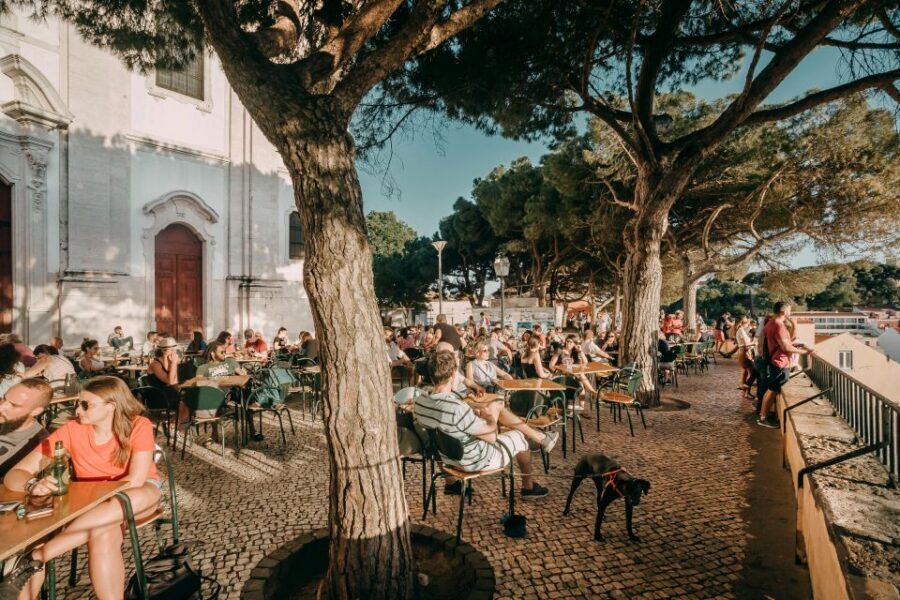
At Miradouro da Graça, you switch gears from history talk to pure Lisbon views. You’ll sip a cup of coffee while the city opens out in front of you. This stop matters because the walking in Alfama-style neighborhoods can feel constant, with slopes and tight turns. A viewpoint-and-coffee pause helps you reset and enjoy the city instead of just surviving it.
Look for this moment as your photo-and-recovery window. If you’re trying to capture Lisbon without sprinting down stairways every time a view appears, you’ll appreciate that this tour builds in a proper viewpoint block. It also helps you connect what you saw earlier in Mouraria to what you’re about to explore next.
Coffee is included, so you’re not suddenly budgeting for a café every time you want a break. Just bring your usual walking-tour mindset: comfortable shoes, a water plan, and an expectation that you’ll be on your feet for much of the 3 hours.
Historic churches and convents on the walking line
Between viewpoints and neighborhoods, the tour threads through several historic sites, including the Monastery of São Vicente de Fora. This is one of those segments that can be easy to skip on your own because churches often come with a big “should I go in?” decision. With a guide, you get a quicker, clearer reason for each stop, and you spend time on the portions that make sense for the route.
The advantage here is efficiency with meaning. You’re not just collecting photo backdrops. You’re learning how each stop fits into the city’s story as you walk from one area to the next. If you like your history served in the middle of a neighborhood, this section is exactly that.
You’ll also get a short stop at Nossa Senhora da Conceição Church later, and again the goal stays the same: use architecture and place names to anchor what you’re hearing about Lisbon’s cultural mix.
Alfama streets: color, slope, and a 1775 survival story
Then the tour lands where Lisbon fans tend to go eventually: Alfama. What makes this stop different is the framing. You’ll learn that Alfama was unscathed by the 1775 earthquake, and that adds weight to what you see in the present-day streets. Instead of just admiring narrow lanes and pastel walls, you get a reason the area still feels so old and tightly formed.
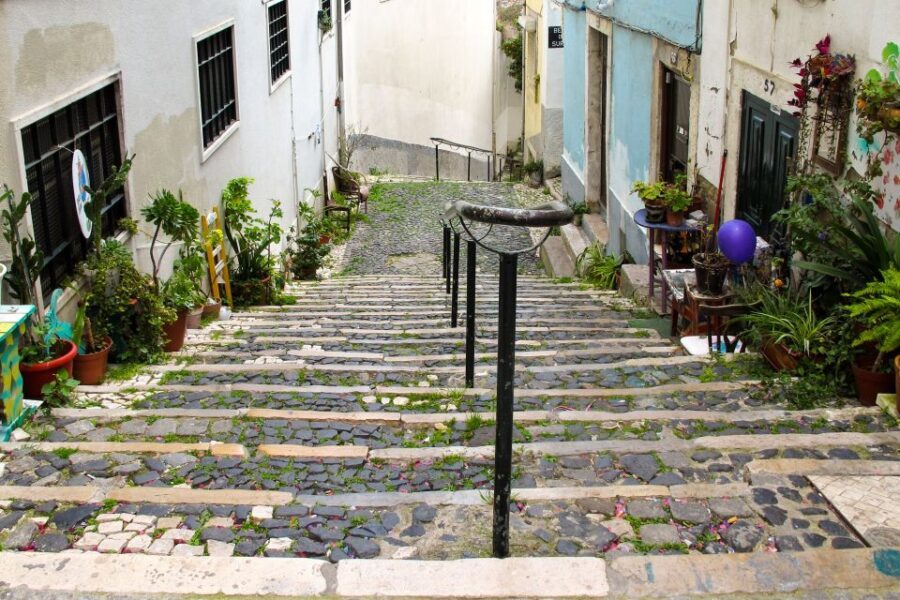
This is where you lose yourself in the details. Expect narrow, winding, sloping streets, small squares, and local cafes and boutiques. The tour keeps you moving, but at a pace that makes room for turning your head, looking up, and noticing street life.
A big practical win: you’ll see the kind of corners that are hard to find without a guide. Even if you’ve browsed photos online, Alfama is one of those places where “I kind of get it” often turns into confusion after two turns. The guide helps you make sense of the flow, so you experience it as a neighborhood instead of a maze.
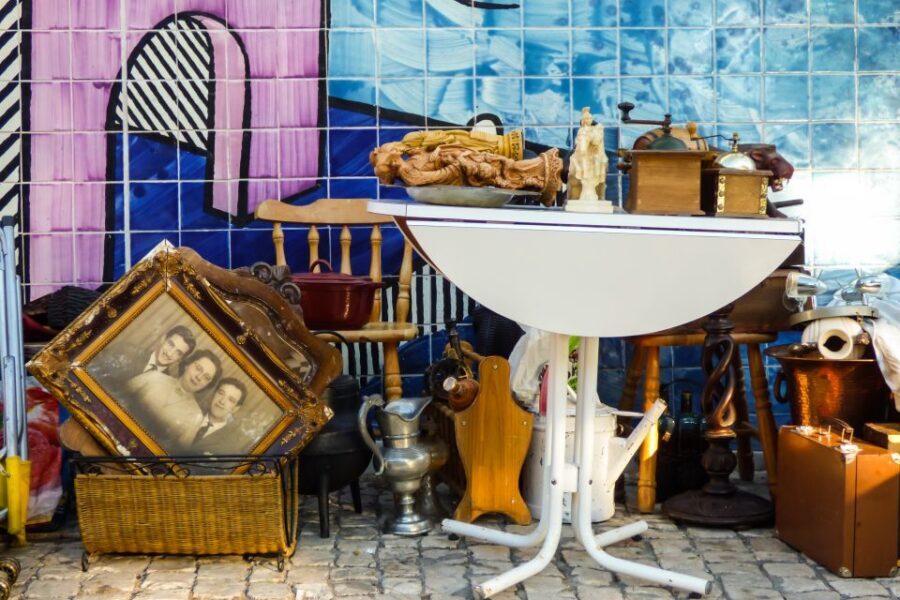
Also, the vibe includes market energy. The tour includes time for lively street markets, which is a good reminder that this isn’t a theme park district. It’s a place people actually move through, shop, pause, and talk.
You can also read our reviews of more private tours in Lisbon




Belvedere viewpoints and the Saramago Museum stop
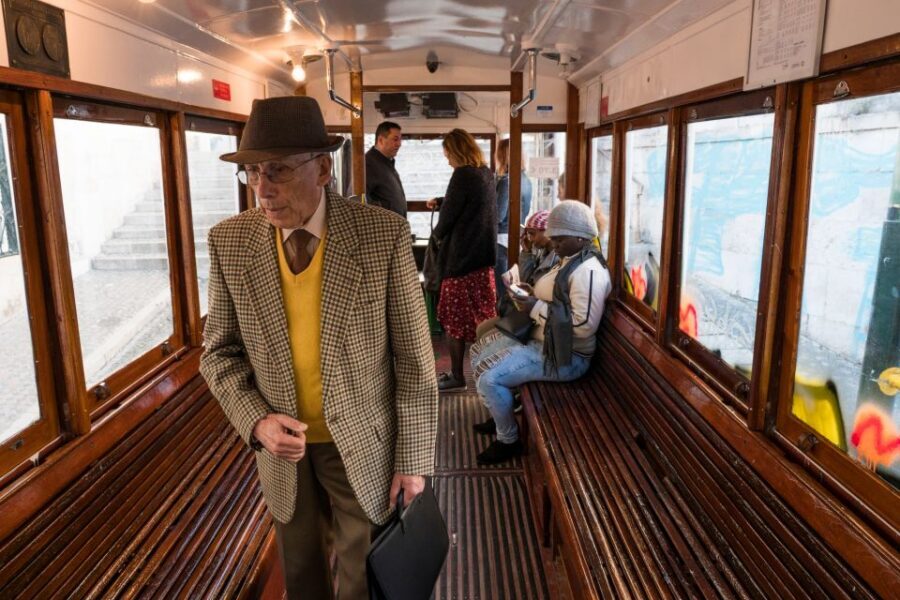
As you continue, the tour adds another viewpoint moment with Santo Estêvão Belvedere. Viewpoints in Lisbon can feel repetitive if you’re chasing them one by one. Here, the viewpoint works because it ties directly into your movement through the day, giving you a new angle before you head toward the harbor.
You’ll also stop at the Jose Saramago Foundation Museum. This is a quick guided stop, not a full museum day, so treat it like a local cultural marker rather than a deep ticketed experience. If you’re a fan of Portuguese literature or you just like understanding how the modern city honors its thinkers, it’s an easy add-on that fits the walking rhythm.
After that, you’ll continue toward Nossa Senhora da Conceição Church, keeping the route historic and anchored in place names. The benefit of keeping these stops short is that you still arrive at the big finale without feeling rushed.
Praça do Comércio: the harbor reveal and a cinematic ending
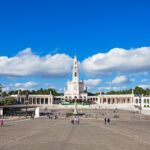
The tour finishes at Praça do Comércio, and the timing is smart. By the time you reach the square, your legs are ready for a wide open space and your eyes are ready for a big change of scenery.
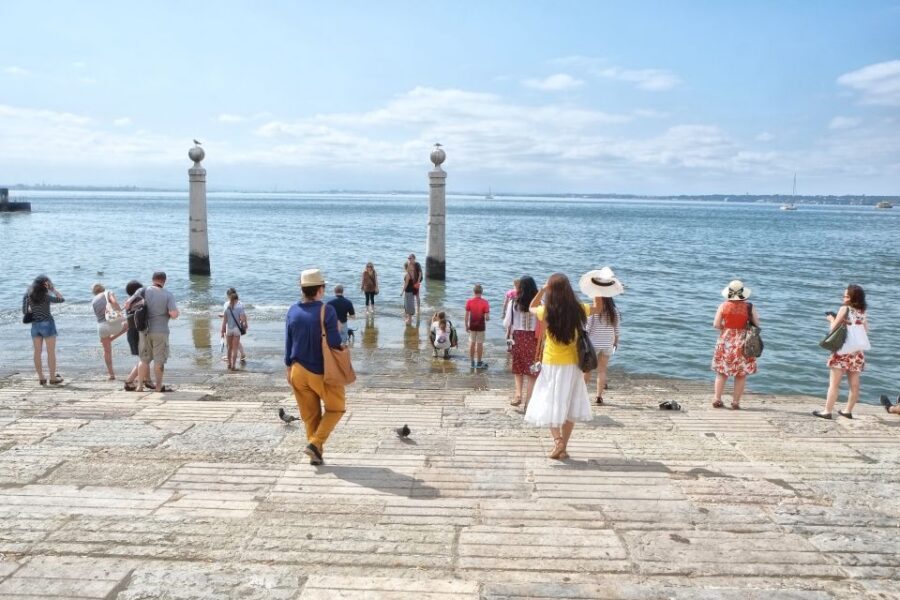
Praça do Comércio is described as opening dramatically to the sea, and that dramatic feeling is exactly why this ending works. You get Tagus River views and a chance to slow down after tight lanes and constant turns. It’s the opposite of the narrow-street chaos earlier, which makes it a satisfying contrast.
You’ll also spot and photograph the Cais das Colunas footbridge. The tour includes the detail that it was once used by kings, which gives the bridge more meaning than a simple “pretty river crossing.” Those kinds of facts are what make a photo stop memorable later, when you’re trying to remember what you saw and why it mattered.
Finally, you’re given time to relax in the square. That might sound basic, but after 3 hours of walking, it’s a real quality-of-life feature. You’re not left to wander hungry and overstimulated right at the end.
Price and value: what you pay for in this private Lisbon walk
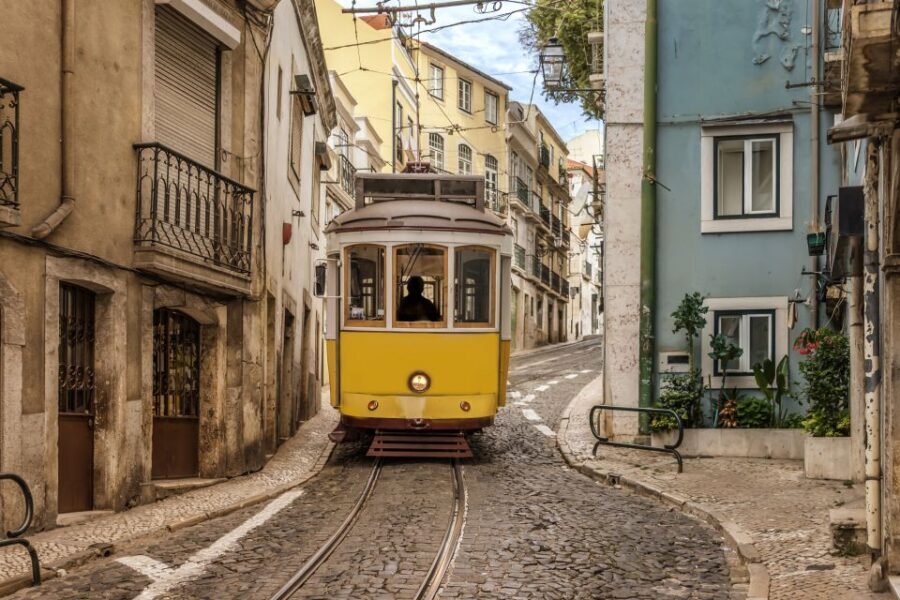
At $82 per person for a 3-hour private walking tour, you’re paying for three things: guide time, a carefully paced route, and included drinks. This isn’t just “someone walking next to you.” The structure is built around flavor (ginja and coffee), viewpoints (including Miradouro da Graça and Santo Estêvão Belvedere), and neighborhoods with specific cultural framing.
The included ginja and coffee aren’t a huge amount, but they help. You avoid the common problem where a walking tour offers sights and then leaves you to find the nearest café in a hurry. Here, you get a scheduled break with a local taste.
Private also changes the feel. You can ask questions as you go, and the guide can steer attention toward what interests you most, whether that’s fado context, neighborhood history, or simply where to stand for photos with fewer headaches.
The main value question is about your walking tolerance. If you’re comfortable with slopes and potential climbing, this price feels reasonable for what you get in a short window. If you don’t like hills, the tour’s limitations can outweigh the inclusions fast.
Guide style is the make-or-break part
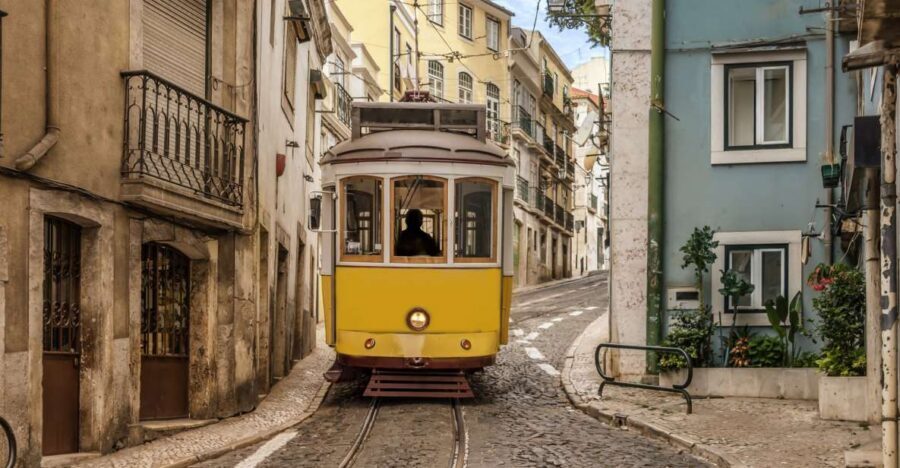
This tour’s reviews place a big emphasis on the guide’s energy and communication. Names that came up include Alfredo and Joana, both praised for enthusiasm, friendliness, and learning that feels fun instead of lecture-like.
That matters because Lisbon’s story is layered. Without a good guide, you can walk through beautiful streets and still feel like you missed the meaning. With an engaging guide, you’ll start noticing patterns: how Mouraria sets up fado context, how viewpoints change your perspective, and how Alfama’s survival story adds weight to what you’re seeing.
So if you’re choosing between tours and you care about the guide’s personality, this one has a strong track record.
Practical tips before you go
This experience runs rain or shine, so pack for weather. Lisbon weather can shift fast, and you don’t want your tour ruined by a lack of a light layer.
Wear shoes you trust on slopes. Even without knowing the exact terrain profile, the tour is described as possibly requiring climbing and it isn’t suitable for people with mobility impairments. If your legs prefer flat ground, consider a different style of tour.
Finally, plan for drinks only. Food isn’t included, so if you want a full meal afterward, save room for it. This tour is designed for a taste-and-views rhythm, not a sit-down dining schedule.
Who should book this Lisbon Like a Local tour
I’d book it if you want a guided neighborhood walk that connects Lisbon’s old culture to the way streets look and feel today. It’s also a strong fit if you’re curious about fado’s origins and want the Arab-world connection explained in a way that feels grounded in place.
It’s especially good for couples or small groups who prefer one guide and a clear route rather than wandering.
Skip it if mobility is limited or if hills make you miserable. You’ll spend enough time climbing and turning that discomfort will outweigh the charm.
Should you book this private walking tour of Lisbon?
If you like local flavor, viewpoint breaks, and historical context that’s tied to the streets themselves, I think this tour is a solid choice. The mix of A Ginjinha, fado-root storytelling in Mouraria, coffee at Miradouro da Graça, and an ending at Praça do Comércio gives you a full Lisbon arc in just 3 hours.
Book it when you want value through structure: included drinks, a smart pace, and a guide who brings places to life. Don’t book it if you need step-free comfort or want a food-heavy tour. This one is about tastes, views, and walking Lisbon with purpose.
FAQ
How long is the private walking tour?
It runs for 3 hours.
What is the meeting point?
Meet at the entrance of the bar A Ginjinha.
Is ginja and coffee included?
Yes. The tour includes a ginja and a coffee.
What will I see during the walk?
You’ll cover Mouraria (including the Moorish quarter and fado origins context), Alfama, multiple viewpoints (including Miradouro de Graça), and you’ll end at Praça do Comércio. The route also includes stops at historic churches and other landmarks along the way.
Is the tour private?
Yes, it’s a private group tour.
What languages are available for the live guide?
The guide is available in Spanish, English, Portuguese, and French.
Does the tour run in bad weather?
It runs rain or shine.
Will I need to climb hills or stairs?
The tour may require climbing.
Is it suitable for people with mobility impairments?
No, it is not suitable for people with mobility impairments.