REVIEW · LISBON
Alfama Tour in Lisbon Old Town
Book on Viator →Operated by Take Lisboa · Bookable on Viator
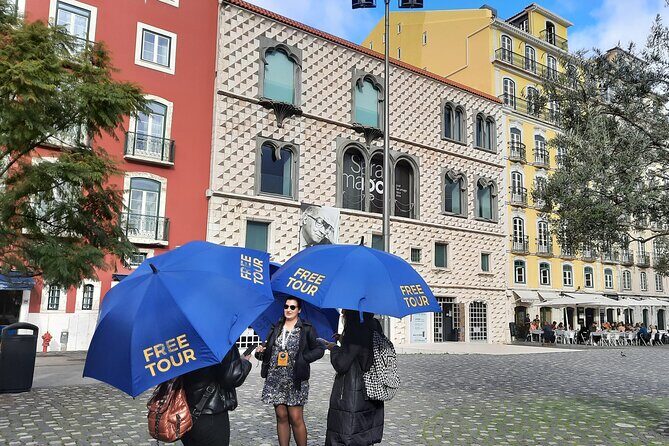
Alfama has a way of pulling you in. This 2.5-hour guided walk threads together centuries of Lisbon life—fountains, tiny squares, viewpoint balconies, and the story of how this hill neighborhood shaped what people feel and sing. You’ll see the famous blue umbrellas start things off at Casa dos Bicos and end with the solemn glow of Lisbon’s oldest churches and squares.
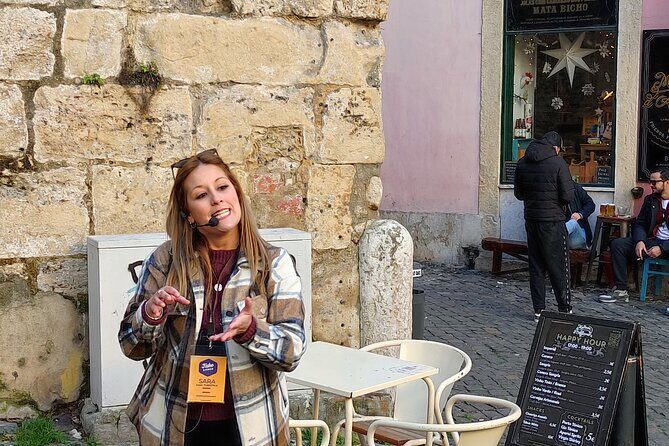
I really like the story-first guiding here. On my favorite versions of the walk, guides like Hugo turn back alleys and walls into clear, human history, and Cecelia (yes, she sings) keeps the pace lively with culture talk that actually sticks.
My main caution: you’re on Lisbon hills. The route involves steep grades and lots of stairs, and even in a well-paced group of up to 25 people, you’ll want decent shoes and a moderate fitness level.
In This Review
- Key highlights you’ll care about
- Why this Alfama walk feels different from a typical sightseeing loop
- Price and tips: what the $3.62 fee really means for value
- Timing, meeting point, and the 2.5-hour walking reality
- Casa dos Bicos to Chafariz d’El Rei: starting Alfama with the right mood
- Largo do Chafariz de Dentro, Largo de São Rafael, Largo de Salvador: how plazas teach you the neighborhood
- Igreja de São Miguel and Nuno Saraiva’s History of Lisbon mural
- Miradouros: Portas do Sol, Santa Luzia, and Santo Estêvão in one climb
- Sé de Lisboa (Lisbon Cathedral) and Church of St. Anthony: the tour ends with meaning
- What makes the guide quality matter so much here
- Food, drink, and the ginjinha question
- Should you book this Alfama Tour?
- FAQ
- Where does the tour start?
- How long is the Alfama walking tour?
- Is the tour offered in English?
- Is entry to Lisbon Cathedral included?
- Is food or drinks included?
- Is the price really pay-what-you-want?
- What should I wear or prepare for?
- Can I cancel for a full refund?
Key highlights you’ll care about
- Pay-what-you-want style: the tour runs on tips at the end, so your value comes from the guide and the experience you give your attention to.
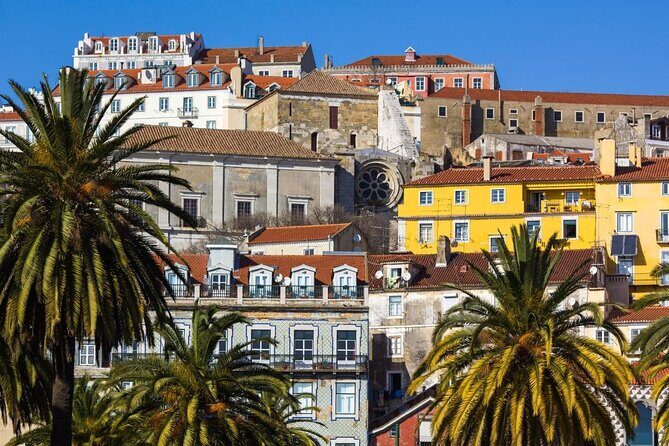
- Miradouros with real payoff: Portas do Sol, Santa Luzia, and Santo Estêvão are built for photos, but the guiding makes them make sense.
- Old Lisbon in small doses: public fountains, central plazas, and church squares help you understand Alfama without sprinting.
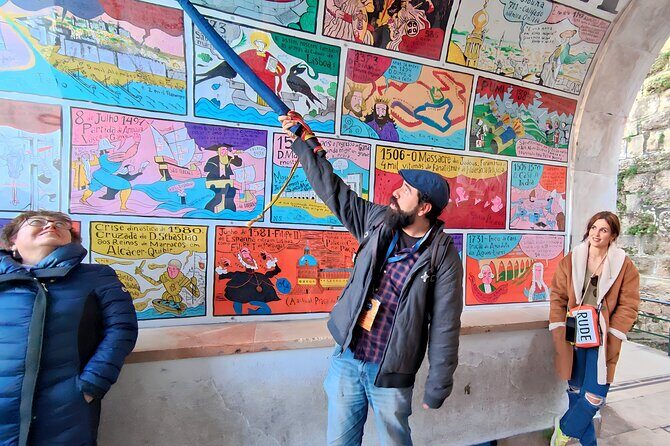
- Street-art moment: you’ll stop for the History of Lisbon mural by Nuno Saraiva.
- Local taste of ginjinha: many guides build in a chance to try the cherry liqueur (often served in a chocolate cup).
Why this Alfama walk feels different from a typical sightseeing loop
Alfama isn’t Lisbon’s “grab a photo and move on” kind of place. It’s a neighborhood where history shows up in the street layout, in church squares, and in how people still live on steep slopes.
That’s why the guide matters. You’ll get a guided path through places like Chafariz fountains and central largos, but the real value is the way the stories connect—Moorish alleys, echoes of the Jewish quarter, and how later eras (including dictatorship-era Lisbon) left marks you can still spot when you know what to look for. Guides such as Laura often focus on architecture, while Mariam and Mariam’s peers tend to keep the tone warm and story-driven.
Also, this is built for conversations, not lectures. You’re encouraged to ask questions while you’re walking, and you’ll get plenty of local recommendations to help you keep exploring after the tour.
You can also read our reviews of more tours and experiences in Lisbon.



Price and tips: what the $3.62 fee really means for value
The listed price is low at $3.62 per person, but the tour is designed as tip-based. In plain terms: you’re paying a small platform fee, and your guide earns the true reward at the end depending on what you thought of the experience.
If you want a fair outcome, treat it like a serious walking tour. Show up on time, stay engaged, and tip in a way that matches the effort your guide put into pacing, storytelling, and answering questions. People rave about guides like Cláudia, Jessica, and Belen, and you can feel the difference when a guide can explain Alfama’s corners without sounding like a textbook.
One more practical note: none of the food or beverages are included. The tour may include a chance to try ginjinha, but you should assume it’s extra or purchased on the spot if it happens as part of the day’s stops.
Timing, meeting point, and the 2.5-hour walking reality
This tour runs about 2 hours 30 minutes and typically offers morning or afternoon start times. One listed start time is 3:30 pm, so the afternoon version can be a nice option if you want cooler air before you start climbing.
You’ll meet at R. dos Bacalhoeiros 12A, 1100-070 Lisboa. It’s a central Old Town spot near public transport, which helps because Alfama streets are easiest to navigate once you’re on foot. The tour ends in a different location, so be ready to continue exploring on your own afterward.
Group size is capped at 25 travelers, which keeps it flexible. From the way guides pace the tour, smaller groups also make it easier to slow down when streets get steep or when someone needs a breather.
Casa dos Bicos to Chafariz d’El Rei: starting Alfama with the right mood
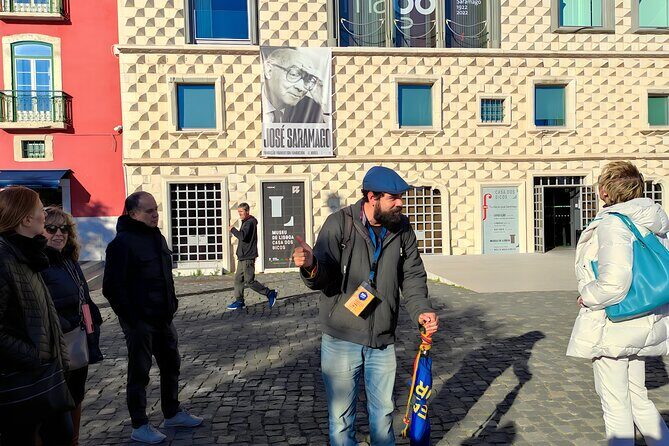
The walk begins at Casa dos Bicos (Museu de Lisboa). Look for the blue umbrellas—it’s a visual cue that you’re at the right starting point—and the guide uses this moment to set the tone for the day. Expect a quick orientation, then you start turning corners like a local who knows where the stairs begin.
From there, you head to Chafariz d’El Rei. This fountain dates back to the 13th century, and the story here is about practical Lisbon life: Alfama’s hillside brought good water, so this spot mattered long before it was a photo stop. The visit is short, but it’s a smart way to get oriented because fountains in Alfama are like street markers of daily life.
Good detail to know: fountains and largo plazas are often shaded or breezy compared to the hottest stretches of stone. Your guide may use those micro-breaks to explain history without roasting everyone.
Largo do Chafariz de Dentro, Largo de São Rafael, Largo de Salvador: how plazas teach you the neighborhood
Next come the small squares that make Alfama feel like a web of daily life.
You’ll stop at Largo do Chafariz de Dentro, once called Chafariz dos Cavalos (Horse Fountain). It’s also described as Alfama’s central plaza, and you’ll hear how the name connects to the neighborhood’s walls—this plaza’s location relates to the Fernandina wall.
Then it’s onward to Largo de São Rafael, where the guide points out how the old Alfama vibe lingers near the ancient wall area. It’s a quieter stop, but it’s useful because it helps you understand that Alfama is not just viewpoints and churches—it’s a layered street system built on older boundaries.
Finally, you arrive at Largo do Salvador, where the guide slows down for stories about culture and everyday habits. This is the kind of stop that’s easy to underappreciate if you only want “top ten sights,” but it’s exactly where Alfama becomes understandable. You start noticing how people adapt their lives to narrow lanes and steep slopes.




Igreja de São Miguel and Nuno Saraiva’s History of Lisbon mural
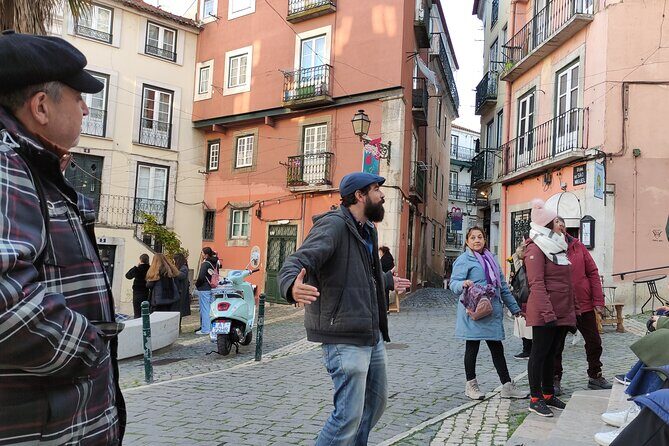
Alfama isn’t shy about faith and public life, and Igreja de São Miguel shows that clearly. The church and square are tied to the Popular Saints Festivities, and your guide uses this stop to explain how celebrations shape neighborhood identity—who gathers, why certain corners matter, and how traditions survive through generations.
From there, you’ll hit a major visual moment: the History of Lisbon mural by Nuno Saraiva. This is a quick stop, but it adds texture. Street art in Lisbon isn’t just decoration—it can act like a public memory board, helping you read the city as more than a set of landmarks.
If you’re the type who likes to match what you see with what you’re told, this is a helpful bridge between “history” and “now.”
Miradouros: Portas do Sol, Santa Luzia, and Santo Estêvão in one climb
You’ll spend a lot of the tour’s “wow” time at viewpoints, but the guide’s job is to keep it from becoming a passive photo line.
First, you reach Miradouro de Santo Estêvão. This viewpoint is reached after navigating Alfama’s maze-like streets, and it’s often timed so the group can gather, catch breath, and take in the view without rushing. If your legs are feeling it, ask your guide to pace you; the best guides actively manage the group’s energy on the climb.
Next comes Miradouro das Portas do Sol, one of Alfama’s biggest balcony panoramas. Yes, it’s postcard-famous. But what makes it worth your time is the context you get while you’re up there—your guide helps you understand why this spot became such a defining frame for the neighborhood.
Finally, you visit Miradouro de Santa Luzia. This terrace has the romantic factor people expect, but again, the guiding makes the scene feel anchored to the neighborhood’s actual structure—how Alfama sits on slopes, how streets funnel you, and how church and square locations tie into the view.
A practical tip: viewpoints can get crowded, especially for sunset plans. Even so, the tour’s scheduled stops usually help you arrive at a manageable time window.
Sé de Lisboa (Lisbon Cathedral) and Church of St. Anthony: the tour ends with meaning
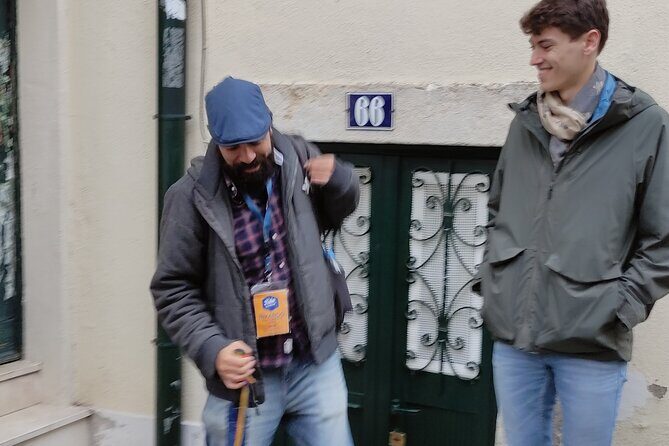
The tour reaches Lisbon Cathedral, known as Sé de Lisboa. It’s the oldest and most important church in the city, with construction dating back to the 12th century—and you won’t go inside on this walk. Entry is listed as €5 if you choose to add it later.
Skipping the interior can be smart for pacing. Inside churches often slow groups down, and this tour uses that time to keep moving through squares and viewpoints where you can keep learning the neighborhood’s layout.
To finish, you’ll stand at Church of St. Anthony (Santo António). Guides often connect it to Lisbon’s beloved saint and local storytelling, so your final moments feel less like a checklist and more like a closing chapter.
What makes the guide quality matter so much here
This tour earns its reputation because the guiding style tends to be story-driven, not memorized facts. Names you’ll see in the guide roster—Hugo, Laura, Mariam, Jessica, Cláudia, Belen, Fernanda, Nina, Joao, and Katrina—all show a consistent theme: the guide doesn’t just point. They explain.
And several guides bring extra depth that makes Alfama feel emotional, not only historical. One standout theme is Fado—how it connects to longing and resilience—and guides may explain the meaning of saudade during the walk. That’s the kind of detail that makes a viewpoint feel personal, even if you’ve only just arrived.
Also, the best guides build in small kindnesses that make a steep walk easier. People report that guides keep a pace that works for the group and may choose shadier discussion spots or help you plan restroom breaks when you need them.
Food, drink, and the ginjinha question
Food and beverages are not included. You should plan to handle your own snacks and water.
That said, the walk often includes a chance to try ginjinha. You may get a stop at a well-known place serving the cherry liqueur, sometimes in a chocolate cup—people mention an encounter with Dona Alice specifically. If tasting is part of your travel joy, this is one of those chances you’ll be glad you didn’t skip.
Just don’t assume it’s free. Treat any drink tasting as optional, and keep a little cash or card ready.
Should you book this Alfama Tour?
Book it if you want Lisbon Old Town in narrative form—fountains, squares, churches, and viewpoints tied together by a guide who explains the “why.” It’s also a strong choice if you like the idea of a tip-based tour where you can reward the guide directly for making the neighborhood click.
Skip it or choose a gentler option if you know your legs struggle with steep grades and lots of stairs. This isn’t flat-ground cruising. The tour can be paced, but the terrain is still the terrain, and the route is designed around Alfama’s climb.
One last decision tool: if you care more about hearing stories than ticking off big museum interiors, this is a great fit. If you want indoor-only sights, you may feel like you’re outside more than inside. For most people, though, Alfama is best experienced on foot—this tour shows you how to do it without getting lost.
FAQ
Where does the tour start?
The tour starts at R. dos Bacalhoeiros 12A, 1100-070 Lisboa, Portugal.
How long is the Alfama walking tour?
It runs about 2 hours 30 minutes (approx.).
Is the tour offered in English?
Yes, it’s offered in English.
Is entry to Lisbon Cathedral included?
No. Lisbon Cathedral (Sé de Lisboa) entry is not included, and it’s listed at 5€ if you want to go inside. Other stops are listed as free or admission-free.
Is food or drinks included?
No. Any food or beverages are not included.
Is the price really pay-what-you-want?
The tour is described as tip-based, and a tip at the end is welcomed and expected.
What should I wear or prepare for?
You should have moderate physical fitness. The walk includes steep hills and stairs, so bring good walking shoes.
Can I cancel for a full refund?
Yes. You can cancel up to 24 hours in advance for a full refund. If you cancel less than 24 hours before the start time, the amount you paid is not refunded.