
REVIEW · LISBON
Lisbon: 1.5-Hour Surf Lesson
Book on GetYourGuide →Operated by Carcavelos Surf School · Bookable on GetYourGuide
Atlantic waves meet patient coaching. You’ll start at Carcavelos Beach with a quick safety briefing, get into your wetsuit, drill balance on the sand, then head out with a tutor to try riding real Atlantic waves. It’s a friendly setup that feels hands-on from minute one, with coaching paced to your skill.
Two things I like a lot: the school leans on certified instructors and clear, individual feedback, with coaches named Daniel, Nuno/Nunu, Pedro, and Ivan showing up repeatedly in the lesson experiences. Second, you don’t get stuck hunting gear or figuring out admin—equipment, insurance, and safe storage are included, plus showers afterward.
One consideration before you book: there’s no pick-up or drop-off, so you’ll need to handle getting yourself to the meeting point at Carcavelos and be there on time for the lesson start.
In This Review
- Key takeaways (what matters most)
- Carcavelos Beach: Why This Lisbon Spot Works for Beginners
- Getting Started at the Surf School: Safety Briefing and Wetsuit Time
- On the Sand: Balance Drills That Save Your First Wave
- In the Water: How You Learn to Catch Waves with a Tutor
- Small-Group Coaching: Why the Group Size Feels Personal
- Equipment, Insurance, and Beach-Side Convenience You’ll Actually Feel
- Price and Value: Why $45 Can Be a Fair Deal in Lisbon Surfing
- How to Prepare: What You Should Bring and Do Before the Lesson
- Weather Reality: What to Expect When the Atlantic Has Opinions
- Who This Lisbon Surf Lesson Is Best For
- Should You Book This Carcavelos Surf Lesson?
- FAQ
- How long is the surf lesson?
- Where do we meet for the lesson?
- Is surf equipment included?
- What should I bring with me?
- Is pickup or drop-off included?
- What language do instructors speak?
- Is it wheelchair accessible, and how big is the group?
Key takeaways (what matters most)
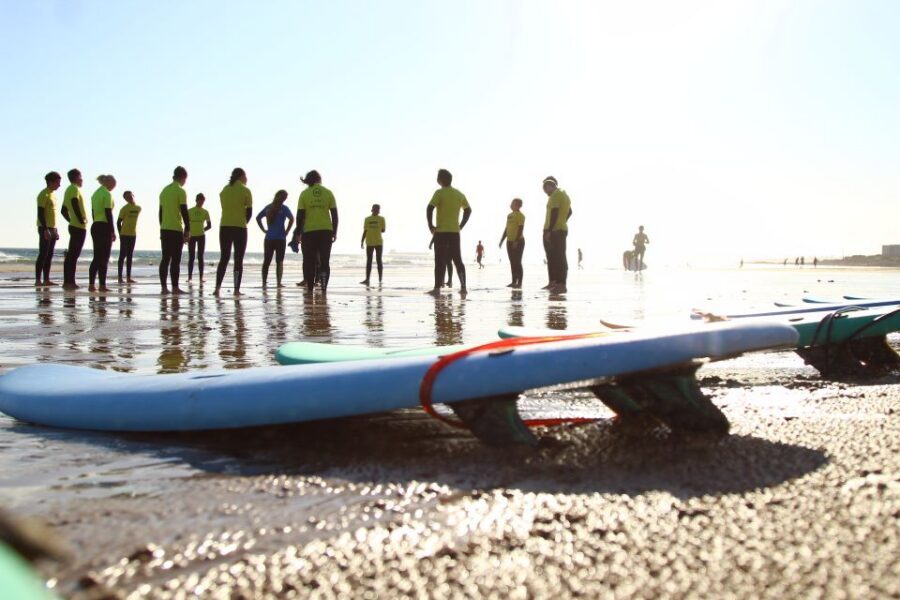
- Beginner-friendly waves at Carcavelos Beach with instruction built around first-time surfers
- Small groups (listed as limited to 10, also described as no more than 15) so you actually get help
- Certified coaching in English or Spanish, with wave-by-wave corrections highlighted in feedback
- Everything handled for you: surf equipment, wetsuit, insurance, safe storage, and showers
- On-land prep first: balance and board control drills before you go into the water
- Good “timing luck” for some schedules: easy access by train is noted, and the beach is close for a quick reset after
Carcavelos Beach: Why This Lisbon Spot Works for Beginners
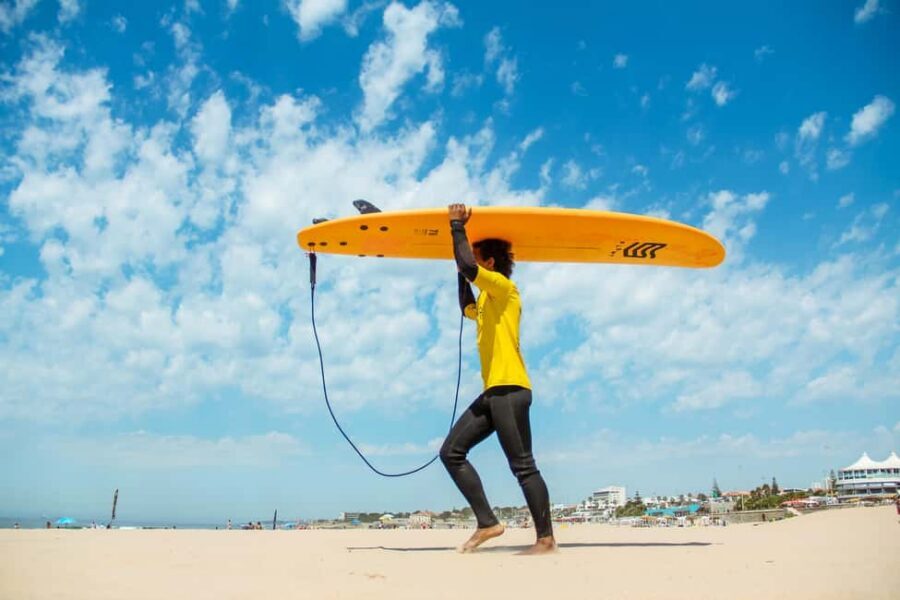
Carcavelos sits just outside central Lisbon and is famous for surf conditions that are easier to learn on than you’d expect. The big win is that the lesson is set up for getting you from nervous to riding-style attempts without spending the whole time just trying to stand up.
This experience is built around the reality of ocean learning: you need time to get comfortable with your board before the waves ask you to do anything fancy. That’s why the flow includes a safety briefing and time practicing basics on the beach first, then moving into the water with a tutor keeping an eye on your stance and timing.
You’ll also feel the benefit of location once you’re done. You’re right at the beach with showers and a place to stash your stuff, so you can turn the surf lesson into a half-day by grabbing food nearby or just hanging out by the water.
You can also read our reviews of more tours and experiences in Lisbon



Getting Started at the Surf School: Safety Briefing and Wetsuit Time
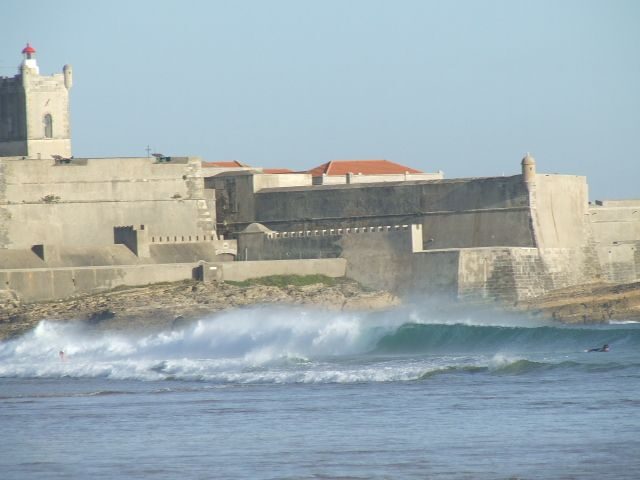
Everything starts at the local operator’s surf school at Carcavelos Beach. Plan to arrive with enough time to get settled, because lessons work best when everyone is suited up and ready to go when the group heads out.
The first on-site step is a safety briefing. It’s not just the legal stuff—think of it as the part where you learn how to handle the surf environment safely and how to follow the instructor’s cues once you’re in the lineup. For a first lesson, this cuts down the fear factor fast.
Then comes the wetsuit. One of the most common concerns for first-timers is cold water. The feedback here is reassuring: people have said the suits fit well and they weren’t as cold as they feared, even with nervous nerves and changeable weather.
Bring what you need so you’re not stuck improvising: a towel, your swimsuit/bikini, and sunscreen. The school provides gear, but your body still needs basic beach gear to stay comfy before and after.
On the Sand: Balance Drills That Save Your First Wave
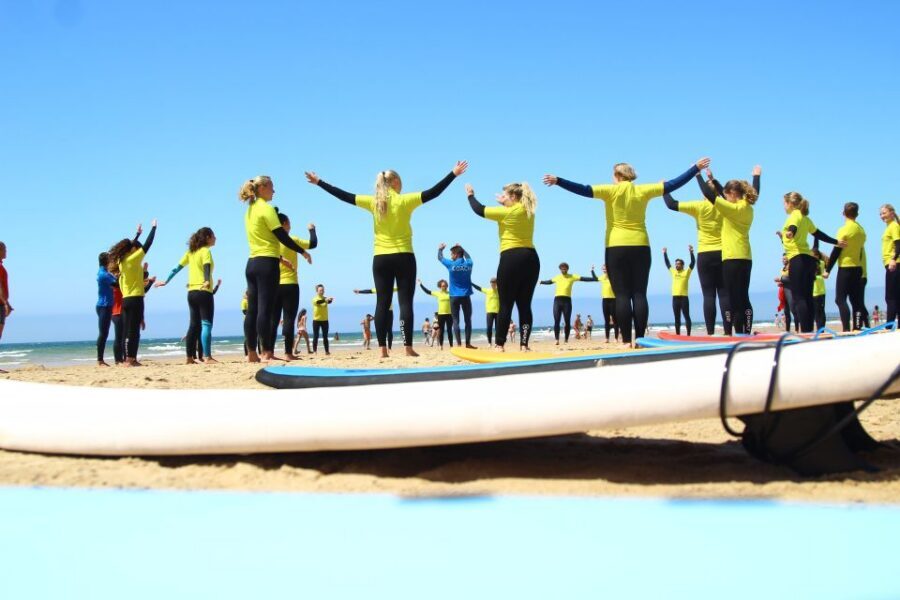
Before you get pushed into the fun part, you’ll do some groundwork: pushing yourself off the board and finding balance on the beach. This is the section that makes the lesson worth it, because it targets the two hardest problems for new surfers—awkward footing and panicking when you feel momentum.
I like that the lesson doesn’t assume you know what to do. You practice the basics on land so when your instructor brings you into the water, you already have the body memory for where your feet should go and what the board feels like under you.
This is also where you’ll get tailored guidance. The coaching style described in the experiences points to instructors adjusting instruction based on your skill level, not just running a one-size-fits-all script.
And yes, it’s okay if your first attempts feel clunky. That’s the point of the sand stage: you get to fail safely, under control, so the ocean doesn’t become your first teacher.
In the Water: How You Learn to Catch Waves with a Tutor

Once you’re comfortable with the board basics, you’ll head into the water with your tutor. The goal is simple and realistic: learn how to face the challenge of Atlantic waves as they rush in—and try riding them instead of only watching them.
You’ll spend time in the lineup following instructions from the coach. A strong theme in the instructor feedback is clear, wave-by-wave feedback, often described as correcting tiny mistakes immediately. If you’ve ever taken a class where the teacher gives one general tip and then disappears, you’ll appreciate how hands-on the coaching is here.
The lesson also includes the kind of patience that matters. Surf learning moves fast when you’re getting instant corrections, but it also moves painfully slow when you’re left to figure things out alone. The small-group format helps keep things moving without rushing you.
One nice detail: you can ask questions during the process. If you’re stuck on timing—when to push, when to stand, when to reset—your instructor can help you adjust while you’re still in the water.
Small-Group Coaching: Why the Group Size Feels Personal
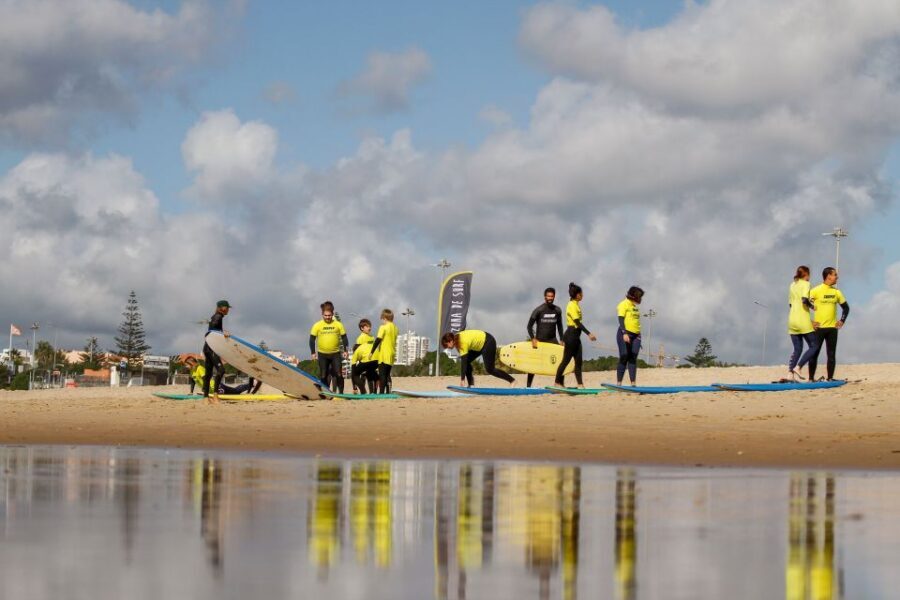
This is offered as a small group, listed as limited to 10 participants, and also described as no more than 15. Either way, it means you’re not blended into a huge crowd where one instructor can’t possibly see everyone properly.
That matters because surf is visual. You need someone to watch how you’re standing, how your feet are placed, and what you do right before you lose balance. In the feedback, instructors like Daniel, Pedro, Nuno/Nunu, and Ivan are repeatedly praised for helping each individual based on their skill.
I’d call this the “real value” piece of the lesson. At $45, you’re not just paying for board time. You’re paying for coaching attention—so you improve faster and feel less like you’re guessing.
Also, small groups make the whole experience calmer. Even if the surf is chaotic, your learning environment doesn’t have to be.






Equipment, Insurance, and Beach-Side Convenience You’ll Actually Feel
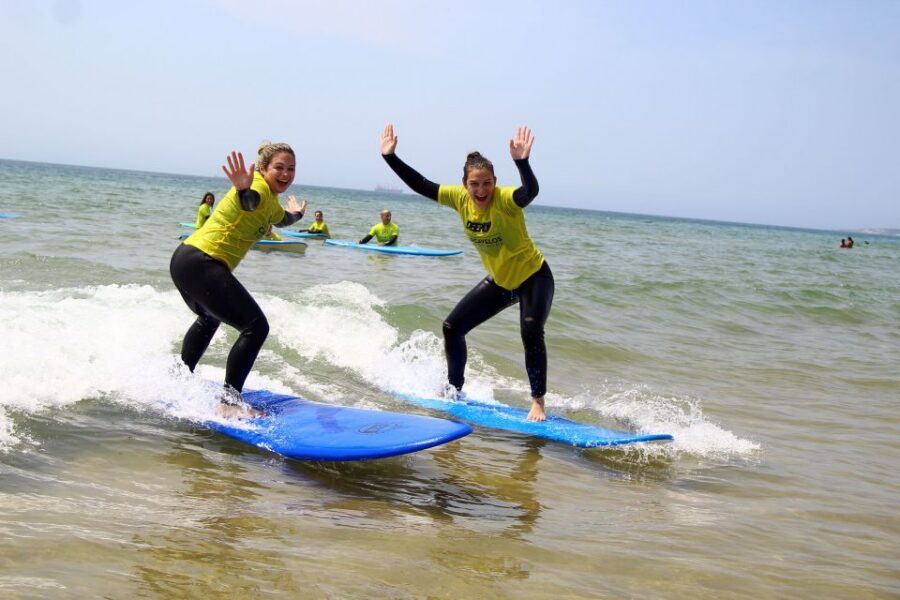
The included list is a big deal: surf equipment, insurance, safe storage, and showers. It’s easy to underestimate how much this saves you on a beach day.
Equipment and wetsuit mean you can show up without buying or borrowing a bunch of gear. That’s especially helpful if you’re visiting Lisbon for a few days and want to keep your suitcase simple.
Insurance is the kind of detail that’s not fun to think about until you need it. Having it included lowers stress for first-timers and parents alike, even if your main goal is to simply have fun.
Safe storage and showers are also practical. When you finish in saltwater, you don’t want to scramble for a place to stash gear or spend the rest of the afternoon soaking. Here, you’ve got a clean landing spot right at the meeting area.
And because the lesson ends back at the same point, you don’t end up with that “now what” feeling. You can head straight into dinner or a beach stroll while the memory is still fresh.
Price and Value: Why $45 Can Be a Fair Deal in Lisbon Surfing
At $45 per person, this lesson prices like a value option for Lisbon. The key isn’t just the number—it’s what you get for it.
You’re paying for:
- coaching by instructors accredited through the Portuguese Surfing Federation
- equipment and wetsuit support
- insurance included
- safe storage and showers
If you tried to DIY surf in Lisbon, you’d likely spend money and time on gear and planning, and you’d still be learning without a coach watching your technique. With this kind of guided structure, you spend less time stuck and more time practicing the right moves.
The other value factor is group size. Smaller groups mean you get more feedback per minute, and the course pace stays efficient. Multiple experiences describe catching waves during the session, including first-time attempts, which is exactly what you want from a beginner lesson.
That said, do double-check the exact lesson timing once you book. The description refers to a 1.5-hour surf lesson while also using language about a 2-hour lesson. Either way, the most practical move is to confirm the start time with the operator so you know what you’re getting for your day.
How to Prepare: What You Should Bring and Do Before the Lesson
This lesson is straightforward to prep for, but don’t walk in empty-handed.
Bring:
- a towel
- your swimming costume or bikini
- sunscreen
Optional but smart:
- a change of clothes for after (the lesson ends back at the meeting point, but you’ll want to stay comfortable)
- a little patience with yourself if you’re new to board sports
Also, because there’s no pick-up/drop-off, you should plan your route to Carcavelos Beach ahead of time. One of the big perks noted is that it’s easy to get to by train, and the beach area is simple to locate once you’re there.
Before you go out, contact the operator to confirm the surf lesson time. The schedule depends on availability, so matching your plans to the actual start time is your best move.
Weather Reality: What to Expect When the Atlantic Has Opinions
Even with good wetsuits, the Atlantic can shift quickly. The lesson structure helps you handle that, because you don’t spend the whole time in shock mode.
You’ll start with a briefing and wetsuit, then transition into sand drills. That pacing gives you time to warm up and get comfortable before the water part ramps up.
Some feedback highlights that people were worried about being cold due to weather, but the wetsuits helped. That’s useful information for you: pack sunscreen, expect wind and waves, and trust that the gear is part of the plan.
And remember: a surf lesson isn’t about perfect rides. It’s about learning the fundamentals and getting enough tries that your technique starts to click.
Who This Lisbon Surf Lesson Is Best For
This is a strong choice if you’re:
- a true beginner who needs instruction and structure
- someone who’s surf-curious and wants real practice, not just a board rental
- a small group that wants more personal attention than a big-class setup
It’s also a solid pick if you already have some experience. The coaching approach described in the feedback includes correcting specific mistakes, which helps even if you’ve surfed before.
If you’re short on time in Lisbon, this works well as a half-day ocean activity. You’ll get into the lesson rhythm quickly and then you’re done back at the beach with showers ready.
One more fit note: instructors use Spanish and English, so you can feel comfortable even if your Portuguese is still in progress.
Should You Book This Carcavelos Surf Lesson?
Book it if you want a beginner-friendly Lisbon surf session with certified coaching, included equipment, and enough time to actually learn—not just watch waves from shore. The small group size and the emphasis on clear, wave-by-wave feedback are the reasons this feels worth the money.
Pass (or at least confirm details) if you’re not comfortable handling transportation on your own, since pickup and drop-off aren’t included. Also, message the operator to confirm the exact timing, since the description uses both 1.5-hour and 2-hour wording.
If you want an honest first surf experience in Lisbon’s Carcavelos area, this is the kind of lesson that can turn nervous first tries into repeatable skills.
FAQ
How long is the surf lesson?
The experience is described as a 1.5-hour surf lesson, and it also mentions a 2-hour surf lesson. Check availability for the specific start times and confirm the timing with the operator.
Where do we meet for the lesson?
You meet at the local operator’s surf school at Carcavelos Beach. The activity ends back at the same meeting point.
Is surf equipment included?
Yes. The lesson includes equipment, plus wetsuit use as part of the surf setup.
What should I bring with me?
Bring a towel, your swimming costume or bikini, and sunscreen.
Is pickup or drop-off included?
No. Pick-up and drop-off are not included.
What language do instructors speak?
Instructors are listed as Spanish and English.
Is it wheelchair accessible, and how big is the group?
It is listed as wheelchair accessible. Group size is limited to 10 participants, and the lesson is also described as no more than 15 participants.