REVIEW · LISBON
Best of Lisbon Walking Tour: Rossio, Chiado & Alfama
Book on GetYourGuide →Operated by Inside Lisbon tours · Bookable on GetYourGuide
Lisbon tells its story street by street. This guided walk links Rossio-to-Alfama highlights into one smooth arc, with real Portuguese turning points and a pastel de nata stop that feels like Lisbon 101. I especially like how you get the big landmarks plus the lived-in neighborhood feel. One thing to consider: it is a real walking tour, so bring comfortable shoes and be ready for uneven streets and some hill grit.
I also like that you’re with an English-speaking guide who keeps the pace friendly and the explanations human, not lecture-mode. The tastings are small, but they hit the point: sweet custard, local snack bites, and a glass of wine to slow you down at the right moments.
If this is your first visit, it’s an excellent way to get your bearings fast. You start near Rossio and finish at Terreiro do Paço, so you end right where Lisbon feels grand and open.
In This Review
- Key things I’d watch for on this Lisbon walking tour
- Rossio-to-Alfama in 3 hours: why this route works
- Rossio Square and Rossio Central Station: spotting the neo-Manueline details
- Restauradores Square and the independence obelisk: history you can point to
- Chiado’s gentle streets: cafés, theatres, bookstores, and small Lisbon energy
- Baixa after the earthquake: seeing the city plan in real time
- Alfama’s winding streets and the fado-at-your-feet feeling
- Tastings and value: what you really get for about $23
- The guide factor: what to look for while you walk
- Getting the most out of the walk (so you feel it, not just see it)
- Should you book Best of Lisbon Walking Tour: Rossio, Chiado & Alfama?
- FAQ
- What is the duration of this Lisbon walking tour?
- Where does the tour start and where does it end?
- What’s included in the price?
- Is the tour in English?
- How much does the tour cost?
- What should I bring for the walk?
- Can I cancel if my plans change?
Key things I’d watch for on this Lisbon walking tour
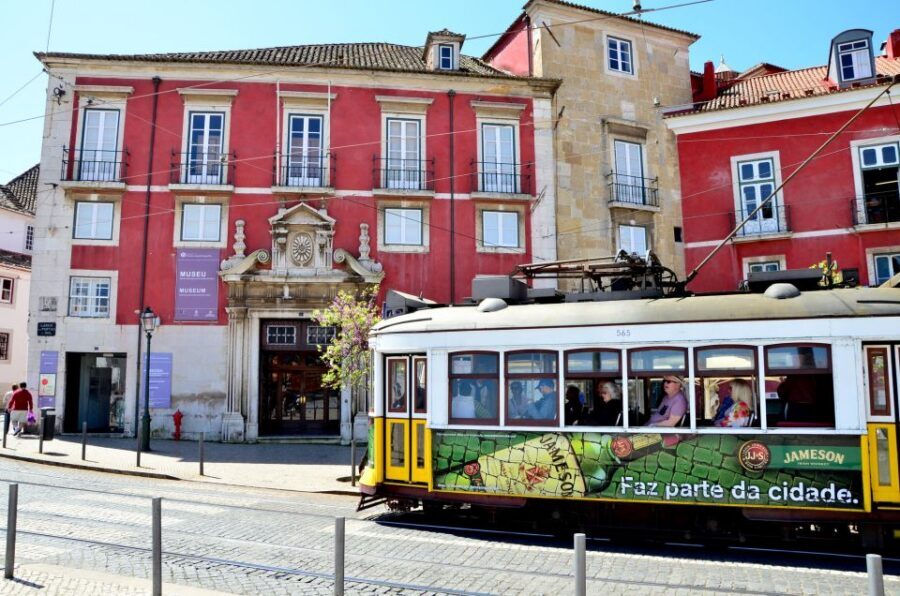
- Neo-Manueline details at Rossio Central Station that are easy to miss without a guide
- Restauradores Square’s independence obelisk and the story behind it
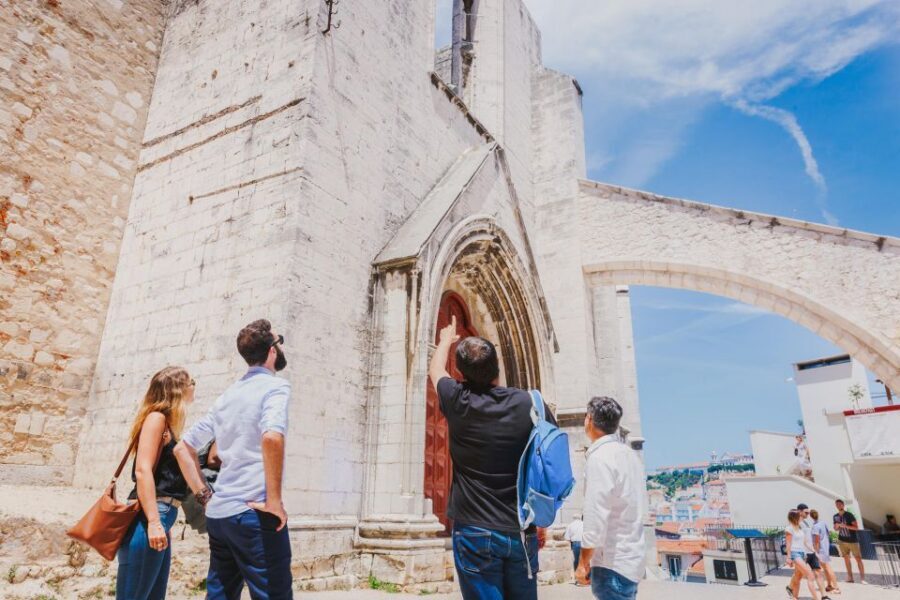
- Carnation Revolution context from the Carmo Square area (1974, after 48 years of dictatorship)
- Chiado’s old-school lanes with cafés, boutiques, theatres, and bookstore energy
- Baixa’s post-earthquake rebuilding logic that shapes what you see on the ground
- Alfama fado streets plus local tastings, including wine and the signature custard stop earlier
Rossio-to-Alfama in 3 hours: why this route works
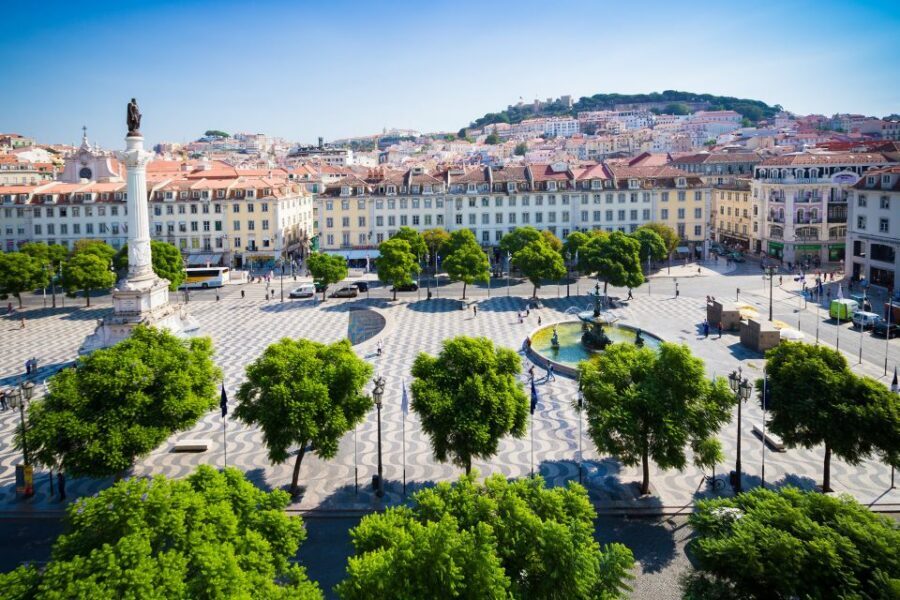
This tour is built around a simple idea: Lisbon is best understood by moving through its neighborhoods. You start at Rossio Square, near the statue of D. Pedro IV, then head through the parts of town that explain Lisbon’s shifts in power, culture, and everyday life. Ending at Terreiro do Paço (Praça do Comércio) is smart because it lands you back at Lisbon’s most iconic, wide-open “main stage.”
At 3 hours, you get a lot without the fatigue spiral that longer tours can cause. The timing also helps if you’re planning a jam-packed day. You can walk this early, then use what you learn to pick the right viewpoint, the right viewpoint route, and the right neighborhood to return to later.
The walk also covers three different Lisbon moods in one go:
- the civic pulse around Rossio and Baixa
- the cultural and stylish streets of Chiado
- the steep, story-rich lanes of Alfama
That mix is why the tour feels like more than sightseeing. It’s a way to understand how Lisbon changes as you move.
You can also read our reviews of more walking tours in Lisbon


Rossio Square and Rossio Central Station: spotting the neo-Manueline details
You begin at Estátua de D. Pedro IV at Rossio Square. This is a good starting point because the square is the hinge between new Lisbon and older Lisbon. It’s also a practical launch pad: lots of people pass through here, so it’s easy to orient yourself before you start climbing and curving into the side streets.
From there, you’ll spend time around Rossio Central Station and learn what to look for in the neo-Manueline style. The Manueline look is one of those Lisbon trademarks, and without context it can feel like random decorative stone. With a guide pointing out what matters, you’ll start noticing patterns and details you’d otherwise walk past.
You’ll also get a photo stop at St. Dominic’s Square, plus time built in for scenic views. That matters because Lisbon isn’t just about points on a map. It’s about what you see as the street turns, and how buildings frame the sky.
If you hate being rushed, this is a decent sign: the route includes small pauses for photos and guided context instead of pure sprint-walking.
Restauradores Square and the independence obelisk: history you can point to
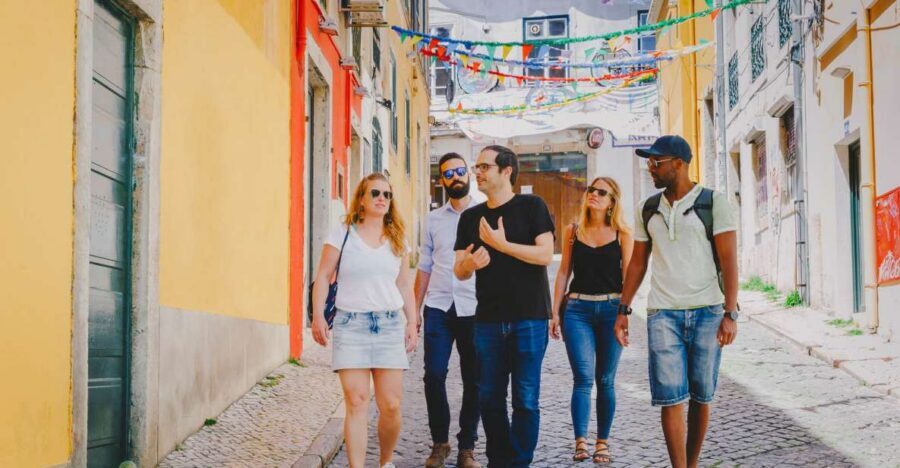
One of the tour’s best tricks is how it ties history to something you can actually see and stand beside. Restauradores Square is one of those places. In the middle of the square you’ll look at the obelisk commemorating the restoration of Portugal’s independence from Spain.
That one stop gives you a timeline anchor. You stop seeing Portugal as only a coastal postcard country and start seeing it as a place that negotiated power, identity, and political survival. A good guide will translate that big story into something you can remember while you keep walking.
You also pass through the Largo do Carmo Square area, where you learn about the Carnation Revolution of 1974, which ended 48 years of dictatorship. Even if politics isn’t your favorite subject, this context helps Lisbon make more sense. You’ll start noticing why certain spaces feel symbolic and why modern Lisbon still points back to that turning point.
You end this part of the walk with another viewpoint/photo stop. Use that moment. Don’t just take a quick snapshot. Take a breath, look down the streets you walked, and you’ll better understand how neighborhoods stack on top of each other.
Chiado’s gentle streets: cafés, theatres, bookstores, and small Lisbon energy
After the political and civic center, Chiado shifts the temperature. This is where Lisbon feels more like culture on foot: cafés, boutiques, theatres, and quaint bookstores. You get guided time in Chiado plus the kind of “pass by” moments that matter for this neighborhood because the charm is in the details.
What I like about this section is the balance. You’re not just chasing architecture. You’re learning how Chiado became a cultural reference point, and what that means for everyday street life. A guide who is funny and personable (names that come up a lot include Filipa, Maria, and Joana) tends to make Chiado click fast, because they explain what to notice without turning it into a monologue.
Chiado also works as a mental reset. After Alfama’s steep lanes, you’ll be glad you saw this flatter-feeling, more refined side of town. Even if you only spend part of your day here on your own later, you’ll know what kind of streets to aim for.
Practical note: the walk through Chiado still involves cobblestones and turns. If you’re sensitive to uneven ground, take it slow on the corners. That’s where people slip when they’re juggling cameras.
Baixa after the earthquake: seeing the city plan in real time
Then you move into Baixa de Lisboa, the heart where Lisbon’s major rebuild becomes visible. The 18th-century earthquake left a scar, and Baixa was reconstructed with new urban planning rules. It’s not just a historical footnote. It shapes the way you move through streets and intersections today.
This is where you start understanding Lisbon’s geometry. Streets feel more ordered here than in the older, tighter districts. That contrast is useful. When you later turn into Alfama, you’ll immediately feel the difference in street logic and incline.
The tour includes a food tasting in Baixa and also adds photo stops and a viewpoint stop. That tasting slot is a great pacing tool. It’s also a gentle reminder that Lisbon doesn’t only live in museums and monuments.
You may also encounter Lisbon Cathedral as part of the sights covered on this route. Even if you don’t go inside, the cathedral’s presence helps you place the city in time. It’s another way the guide connects “where you are” to “what happened here.”
If you like to walk and then return later with a clearer plan, Baixa is a strong mid-tour checkpoint. You’ll learn what direction to point your feet when you go back out on your own.




Alfama’s winding streets and the fado-at-your-feet feeling
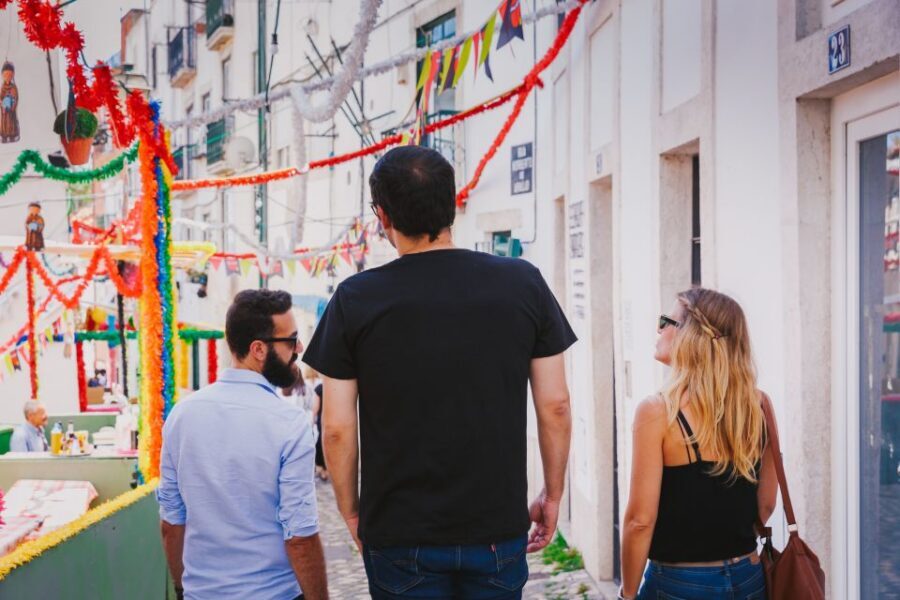
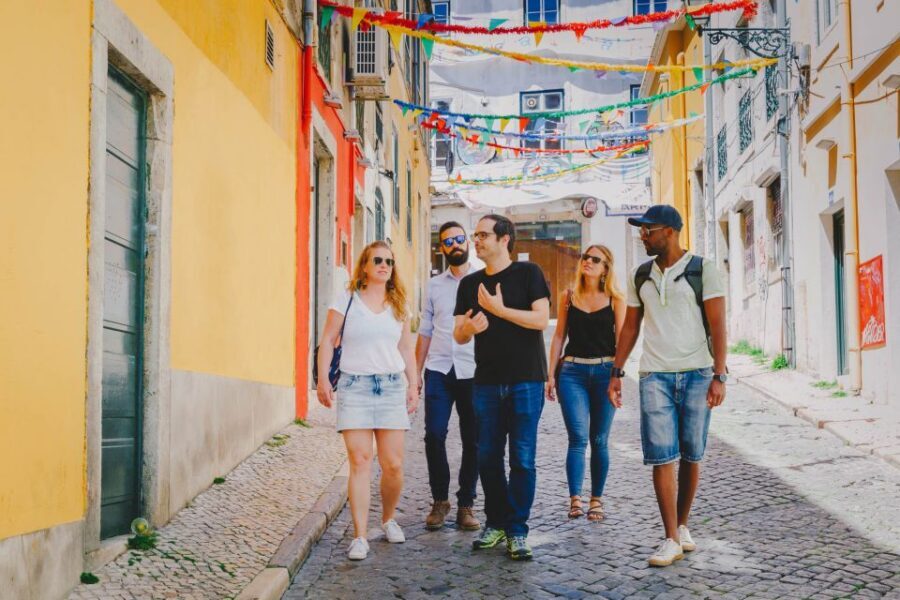
Alfama is where Lisbon stops acting polite. It’s older, steeper, and it feels like the city is built out of memories. This tour gives you time for Alfama photo stops and a longer guided segment, plus tastings.
Here’s what I think you’ll enjoy most: the tour frames Alfama as more than scenery. You get an up-close look at the art of fado, Lisbon’s signature music style. Even if you aren’t sitting in a performance venue, the streets themselves carry the feeling. You’ll understand why fado belongs here.
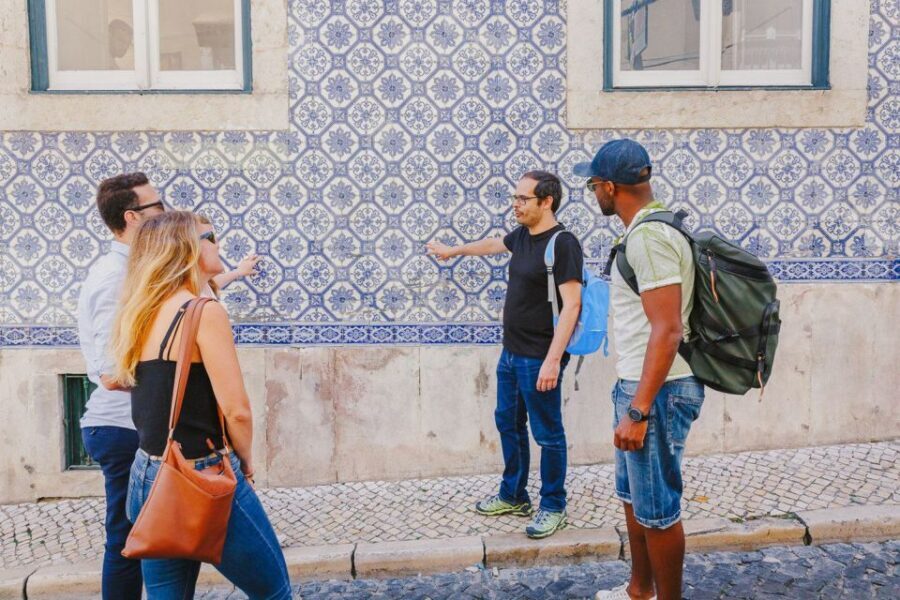
There’s also a strong local-detail moment in Alfama that comes up often: tiled facades. You can even ask your guide about why some buildings are covered in tiles and what that tradition signals. It’s the kind of answer that makes you start spotting patterns as you walk later.
This portion includes tastings too. You’ll have a wine tasting and another food tasting while you’re tucked into alleys and winding streets. And yes, green wine comes up in the experience context for some groups, so you may recognize the taste even if you didn’t know the name.
Alfama is also where your legs get a workout. So pace yourself. Short steps on the uneven sections. Stop if you need to. A good guide’s job is to keep the group together without making it feel like a forced march.
Tastings and value: what you really get for about $23
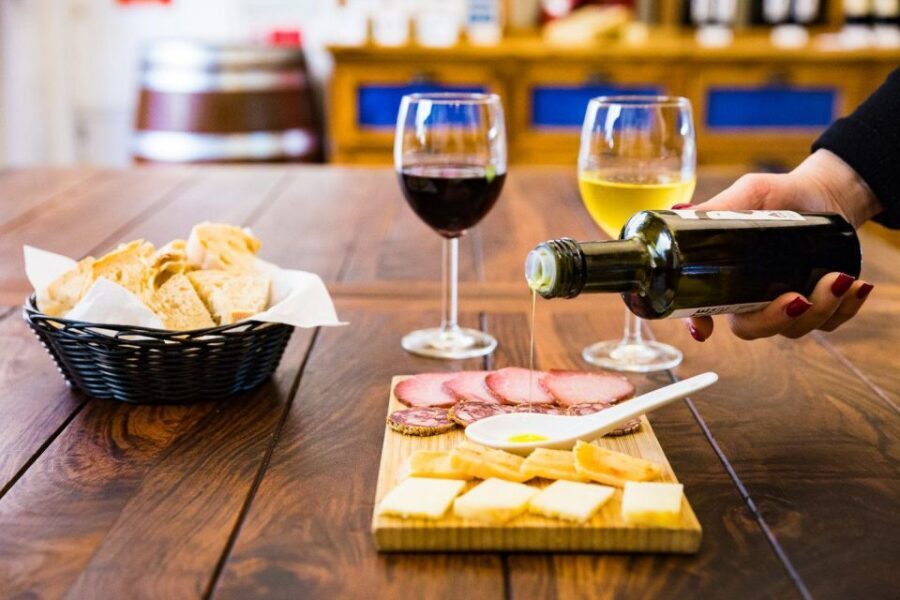
At $23 per person for 3 hours, the value mostly comes from the combination of three things: guided interpretation, time-efficient routing, and built-in tasting moments.
Included stops are:
- 1 pastel de nata (custard tart)
- 1 snack tasting
- 1 wine tasting
Plus a local guide for the whole walk.
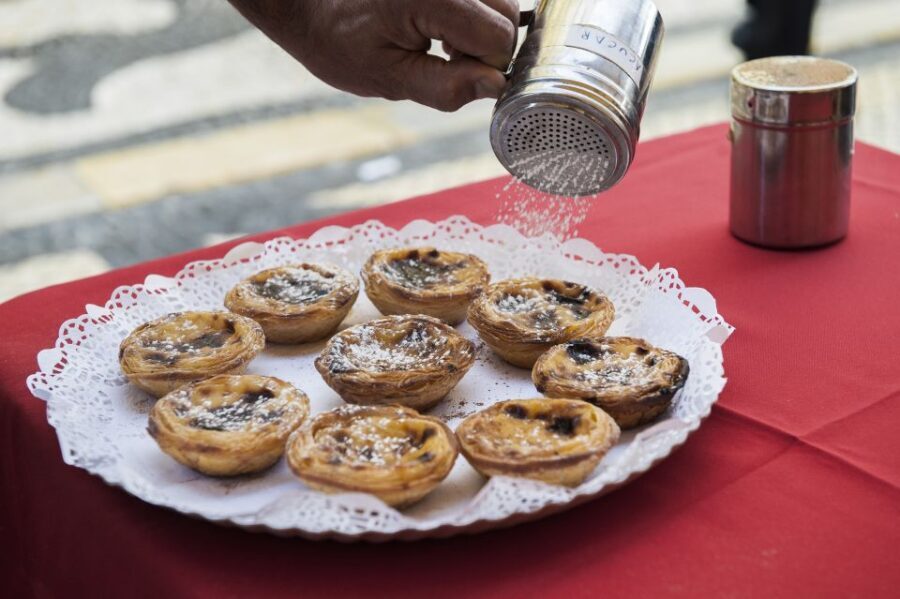
The pastel de nata is not a throwaway souvenir moment. It’s a sweet anchor that tells you this tour cares about everyday Lisbon. You learn when the custard stop happens, then you move into the next neighborhood with that taste still fresh. That’s why the tour feels memorable and not just informational.
The tastings also solve a traveler problem. Lisbon has snacks everywhere, but deciding what to try can waste time. Having a guide choose a tasting that fits the neighborhood is a shortcut for your taste-buds and your schedule.
Also, you’re not paying for entry fees here. The tour notes that entrances and on-site guiding at attractions aren’t included, which means you’re paying for what’s happening outdoors and on foot. For many first-timers, that’s exactly what they need.
In short: you’re paying for orientation plus context, and the food part helps you slow down and absorb it.
The guide factor: what to look for while you walk
The strongest theme across the guide feedback is energy plus clarity. Names that come up frequently include Filipa, Martin, Carlos, Maria, Joana, Guilherme, Daniel (aka custard), and Ricardo. The common thread: guides explain street-level details, answer questions, and help you connect landmarks to the larger story.
I also love that many guides handle pace well. In a city like Lisbon, tempo matters. If you’re moving too fast, the streets become scenery. If you’re moving too slow, you start losing attention. Guides who can keep the group together without making it feel strict are worth their weight in custard.
If you want to get the most out of your guide, ask one simple question at each neighborhood shift, like:
- What should I notice right now that I’d miss on my own?
- Where would you walk next if you had two hours after this tour?
You’ll usually leave with ideas for free wandering, not just photos.
And if it rains, Lisbon doesn’t stop. The tour structure still works because the stops are along the walk and built around short viewpoint moments rather than only indoor attractions.
Getting the most out of the walk (so you feel it, not just see it)
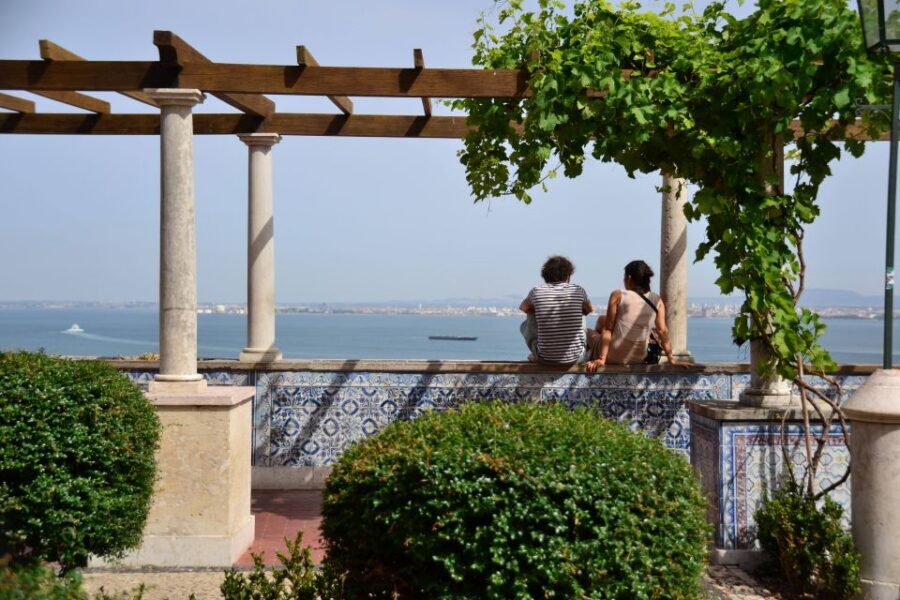
Bring comfortable shoes and wear clothes you can move in. Lisbon cobbles are not gentle, and Alfama’s streets can be tiring even when the group pace is reasonable. If you tend to get cold, bring a light layer too, since you’ll be outside for the full 3 hours.
Plan your timing like this: do the tour early in your trip. Finishing near Terreiro do Paço is a gift, because you can keep exploring with better direction. You’ll also know which hills are worth tackling again and which lanes you’d rather revisit later with a calmer schedule.
When you’re standing at squares (Rossio, Restauradores, and the Carmo area), take a moment to look around before you move. Lisbon’s “story” is spatial. The guide helps you read what you’re seeing, but you still need those 10 quiet seconds to register it.
Finally, treat the tastings as schedule breaks, not just freebies. Eat slowly. Sip when the guide tells you what to notice about the pairing. Then keep walking. That rhythm is how you remember Lisbon.
Should you book Best of Lisbon Walking Tour: Rossio, Chiado & Alfama?
Book it if you want a high-value first taste of Lisbon that combines major sights, neighborhood mood, and food. The route hits Rossio, Chiado, Baixa, and Alfama, and it ends right at the grand waterfront area of Terreiro do Paço. That ending matters because it makes your day feel complete.
Skip it only if you hate walking or you’re dealing with mobility limits. This is a foot-focused tour, and Alfama’s streets can be demanding. Also, if you’re chasing only inside-the-building highlights with long museum time, this tour won’t replace that. It’s for streets, squares, views, and local flavor.
If you’re flexible, this is one of the easiest ways to start your Lisbon trip with confidence. You’ll come away knowing what to look for, where to stand for views, and what kind of Lisbon experience fits each neighborhood. And you’ll have earned your next custard by the time you reach Alfama.
FAQ
What is the duration of this Lisbon walking tour?
The tour lasts 3 hours.
Where does the tour start and where does it end?
It starts in Rossio Square, near the statue of D. Pedro IV, and it ends at Terreiro do Paço (Praça do Comércio).
What’s included in the price?
The tour includes a local guide, the walking tour, 1 pastel de nata (custard tart), 1 snack tasting, and 1 wine tasting.
Is the tour in English?
Yes, the live tour guide speaks English.
How much does the tour cost?
The price is $23 per person.
What should I bring for the walk?
Bring comfortable shoes and comfortable clothes.
Can I cancel if my plans change?
Yes. The experience offers free cancellation up to 24 hours in advance for a full refund.