REVIEW · LISBON
Lisbon: Food and Wine Small Group Walking Tour
Book on GetYourGuide →Operated by Inside Lisbon tours · Bookable on GetYourGuide
Lisbon tastes like a history lesson. This small-group food and wine walk strings together 15 tastings across classic neighborhoods and working local venues, so you get flavors plus the why behind them. You’ll start at Praça Dom Pedro IV in the Rossio area and gradually drift toward Baixa and Alfama, with each stop built around a Portuguese drink and a bite.
What I like most is the match between the food and the wine: you’ll see pairings like Vinho Verde with codfish cake and Port with local cheese, not random sips that don’t connect to what’s on your plate. The second big plus is how social the whole thing feels, especially at tascas and cafés where locals actually eat and drink—guides like Filipa, Daniel, and Jose bring the city alive with jokes and stories while you sample.
One thing to think about: this tour leans into traditional venues, and vegan and celiac options aren’t available. If you have food allergies or strict dietary needs (gluten-free, kosher, vegetarian), plan on tough sourcing, since alternatives may not be possible.
In This Review
- Key points at a glance
- From Rossio Square to Baixa: the walk that sets the pace
- Vinho Verde to codfish cake: why the first pairing matters
- Port history and cheese: the fortified-wine stop you’ll remember
- St. Dominic’s Square spirits and the tascas vibe
- Ginjinha at a historic bar: cherry liqueur with a date attached
- Beer, chouriço, and bread: the comfort-food side of Portugal
- The daily rice dish: when fresh ingredients set the flavor rules
- Alcohol included: the value math you should actually do
- What you’ll learn on this walk (besides food)
- Who this tour fits best, and who should skip it
- Where it ends: Baixa and Alfama drop-off
- Should you book this Lisbon Food and Wine walking tour?
- FAQ
- Where do I meet the guide?
- How long is the tour?
- Is the tour guided in English?
- What food and drink is included?
- Is the tour vegan or celiac-friendly?
- What should I bring?
- Are pets allowed?
- Does the price include hotel pickup or drop-off?
- Can I cancel for a full refund?
Key points at a glance
- 15 tastings across 6 spots in about 3 hours, so it feels packed without being frantic
- Port wine + cheese is a highlight, with the fortified history explained along the way
- Ginjinha tasting at a historic bar where it was first sold commercially in 1840
- Vinho Verde starts the tour with a classic codfish cake pairing
- Tasca-style stops for bifana with draft beer, plus Portuguese wine with daily-prepared dishes
- Guides bring context, with names like Filipa, Daniel, and Jose showing up repeatedly for storytelling
From Rossio Square to Baixa: the walk that sets the pace
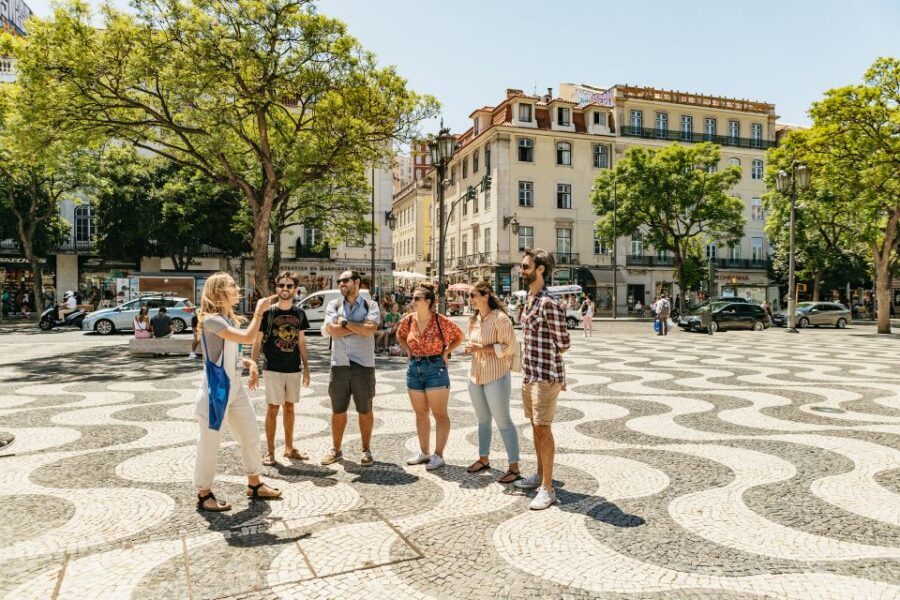
You’ll meet your guide near Rossio Square at Praça Dom Pedro IV. Look for the guide with a blue badge, a blue bag, or a black backpack by the center statue of D. Pedro IV. It’s a big square with the tall column and statues—if you end up in the wrong square with a man on horseback, you’ll know immediately. The closest metro stop is Rossio on the green line.
The tone is “easy-city-stroll,” not a long-distance march. Because the tastings happen at multiple nearby venues, you spend more time sampling than wandering. That matters in Lisbon. Streets can be steep, sidewalks can be uneven, and the best food moments happen when you arrive without being out of breath. Wear comfortable shoes and you’ll be fine.
Guides are a big deal here. In the feedback I saw, hosts like Filipa, Daniel, Carlos, and Jose are praised for mixing city history with humor, and for keeping the group moving at a pace that lets you actually enjoy each stop. One solo traveler note also stood out: the guide took extra care to make the experience feel inclusive, not like a tour where you slip into the background.
You can also read our reviews of more walking tours in Lisbon


Vinho Verde to codfish cake: why the first pairing matters
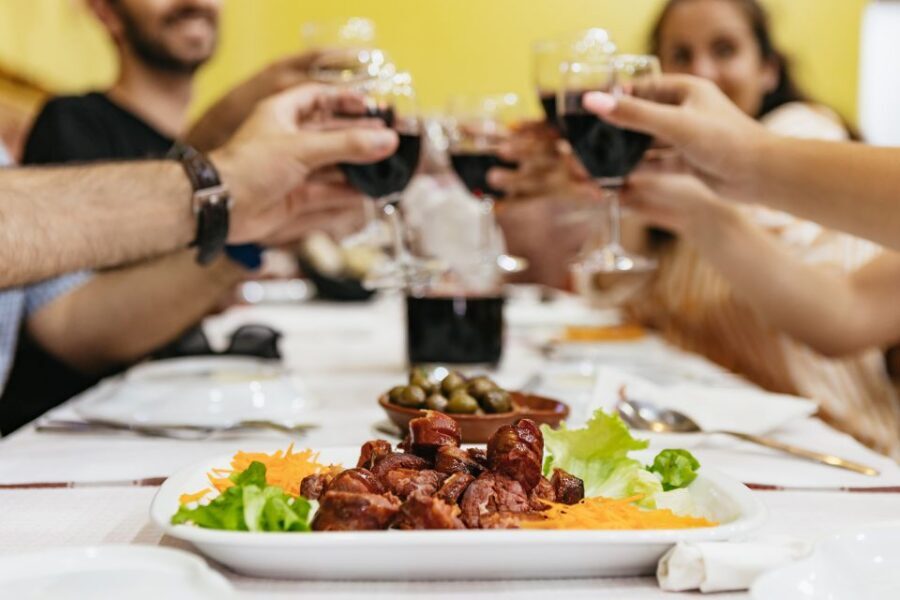
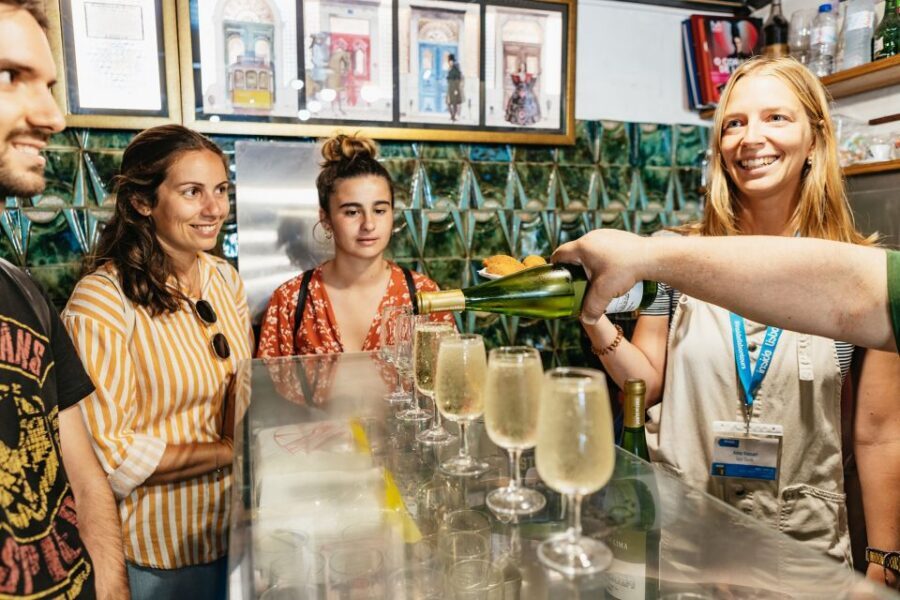
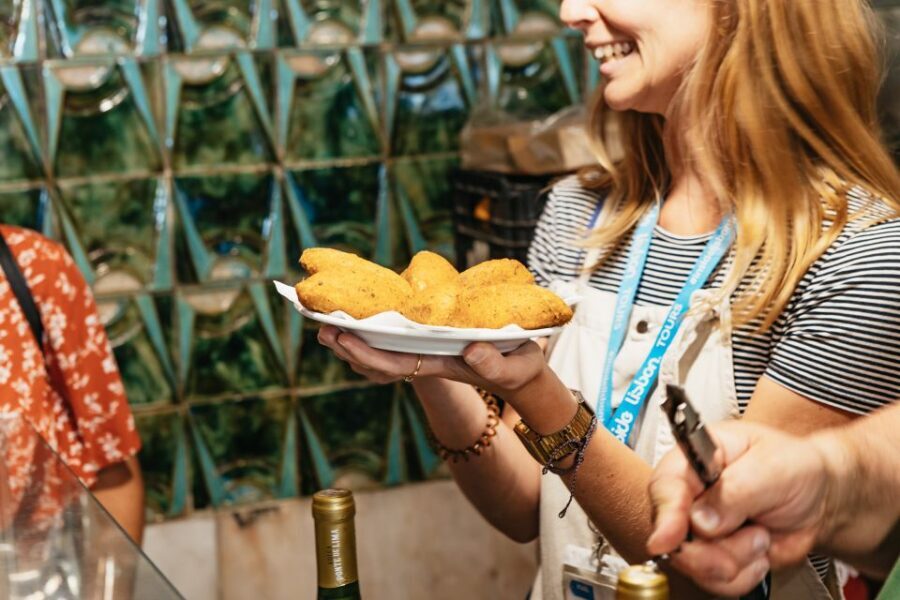
The tour starts with a classic Portuguese opening: a glass of Vinho Verde (green wine) paired with codfish cake. This isn’t just a tasty starter. It’s a smart “orientation” choice because it introduces two Lisbon staples right away: seafood tradition and the lighter style of local wine you’ll keep noticing throughout the evening.
Vinho Verde tends to feel crisp and refreshing, which helps you handle the jump from street-to-table flavors. Codfish cake is the kind of bite that shows up in Portugal’s home cooking and snack culture, so it’s a good baseline taste for what’s next. If you’re new to Portuguese cuisine, this first stop gives you a quick mental map: expect salt, comfort, and a lot of bread-and-wine friendly combinations.
You’ll get about 20 minutes at the opening stop. That’s enough time to taste, ask questions, and hear the background without feeling like you’re on a conveyor belt. The guide also sets up the bigger theme: Portuguese food and wine shaped by trade, coastal life, and generations of local practice.
Port history and cheese: the fortified-wine stop you’ll remember
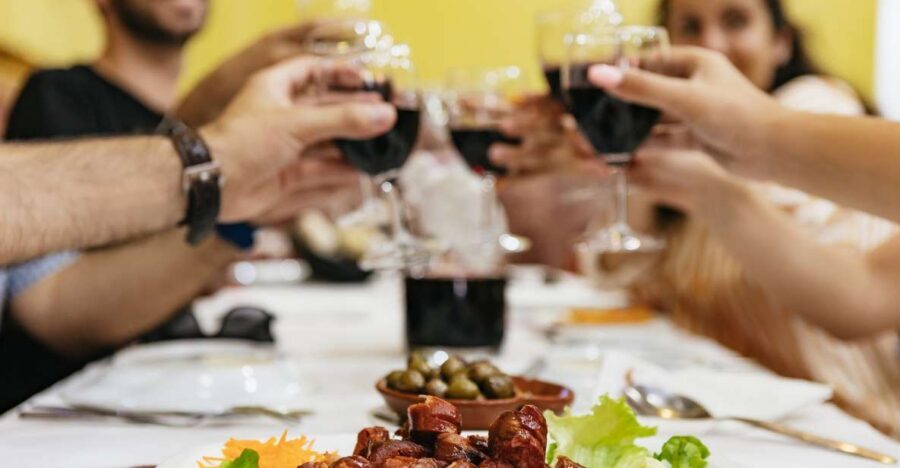
Next comes a stop built around Port wine and local cheese, with the guide explaining the history of this fortified style. Port has a reputation that’s partly about romance and celebration, but the tasting here is grounded in context: why this wine became so important to Portugal and how it’s tied to everyday eating habits.
Port can be sweeter and heavier than what you might expect at first, so the cheese pairing is key. Cheese cuts through, balances, and makes the flavors feel like a planned pairing instead of a random “wine + snack” situation. If you like learning how pairings work, this stop is one of the best.
Timing is also thoughtful. You’ll have time to sit with the wine, taste the cheese properly, and listen before moving on. People tend to remember this portion because it feels distinctly Portuguese, and because it’s not a pairing you can easily replicate at home without doing extra research.
St. Dominic’s Square spirits and the tascas vibe
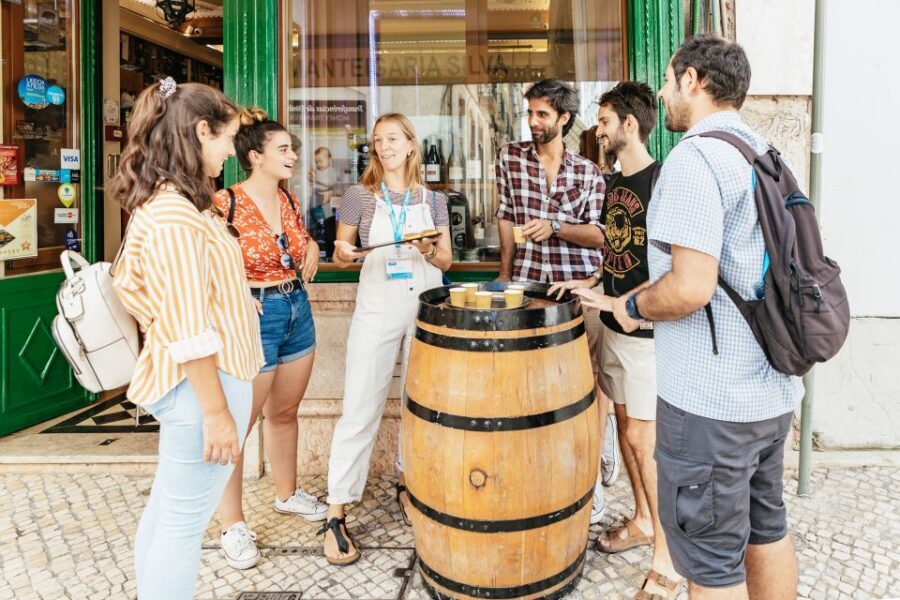
After the wine-and-cheese theme, you shift energy. At St. Dominic’s Square, you’ll taste spirits for about 15 minutes. This is a shorter stop by design. You get a quick cultural hit—Portugal does strong drinks as comfortably as it does wine—then you’re back on the move.
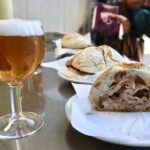
Then you’ll visit one of Lisbon’s tascas (taverns) for bifana—a pork sandwich—washed down with a cold draft beer. Bifana is the kind of food you’ll see locals grab when they want something fast, hot, and satisfying. It’s also a great palate reset between wine styles and cheese notes.
The best part of this section is the setting. These places aren’t staged for tourists. That changes the whole mood: you’re eating in the atmosphere of daily life, not in a museum-like restaurant. Guides often tie food to neighborhood behavior—who eats what, when, and why—so the sandwich becomes more than a meal. It becomes a clue.
Ginjinha at a historic bar: cherry liqueur with a date attached
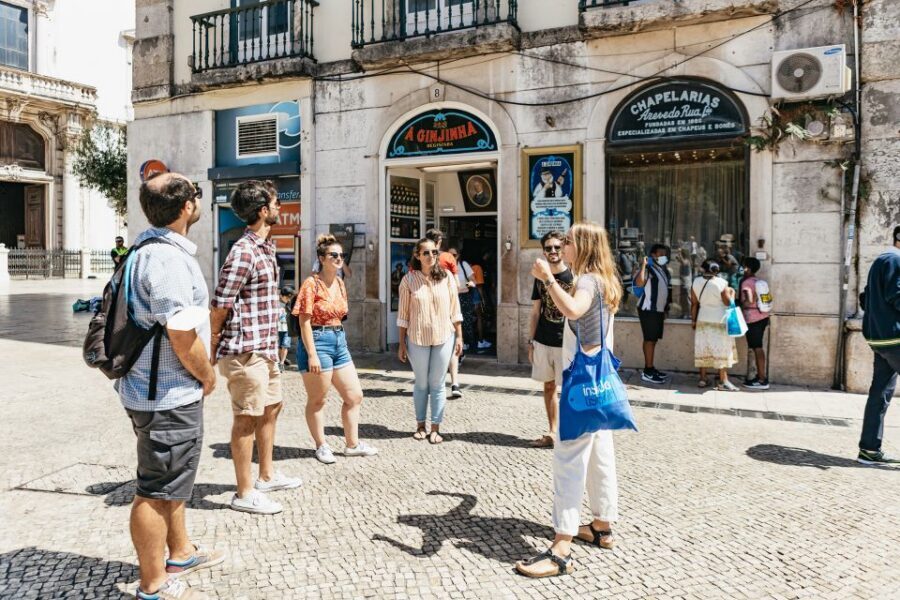
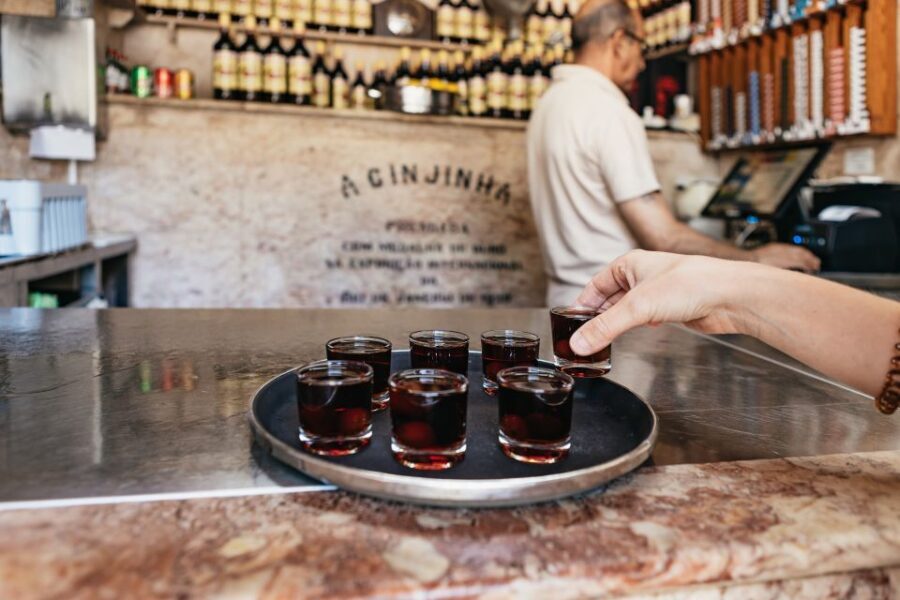
If there’s one tasting that feels pure “Lisbon only,” it’s ginjinha. You’ll treat yourself to this cherry liqueur, described as a favorite drink of many Portuguese people and considered a typical Lisbon tipple.
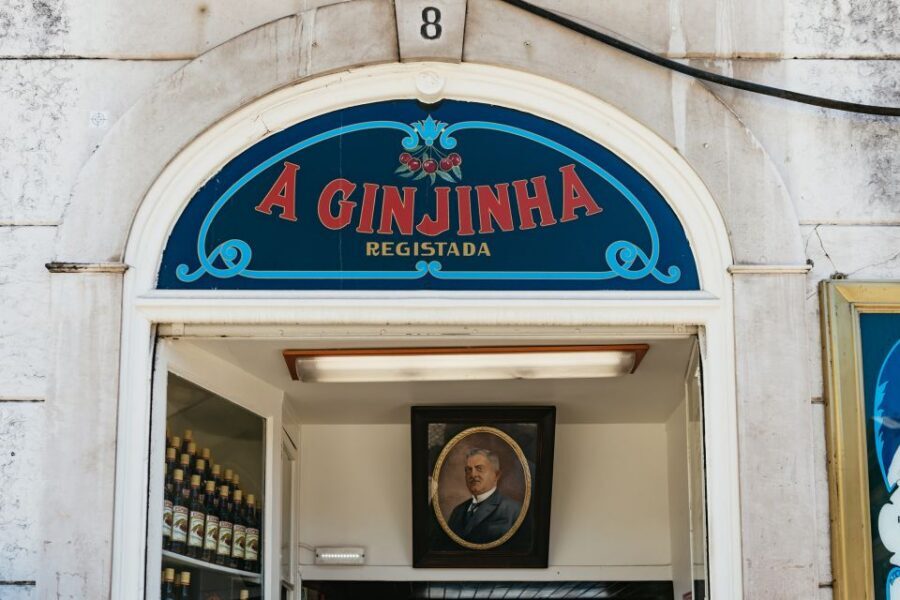
What makes this stop especially memorable is the setting. It’s at a historic bar that was the first to sell ginjinha commercially in 1840. That date matters. It connects your sip to the city’s long-running drinking culture rather than treating ginjinha as just a trendy shot.
You’ll have a focused tasting moment here—short enough to keep the tour flowing, long enough to actually notice flavors: cherry aroma, sweetness level, and how it lands after the earlier bites. Many people end the tour talking about this stop because it’s both playful and specific to Lisbon. And yes, it’s the kind of finish that makes you want to keep wandering the streets with your new knowledge.
You can also read our reviews of more food & drink experiences in Lisbon


Beer, chouriço, and bread: the comfort-food side of Portugal
Not every tasting on the walk is about wine. One of the stops leans into beer and Portuguese food tasting for around 20 minutes. Another stop centers on chouriço (Portuguese sausage) along with chouriço bread—the tour description calls it bread for chouriço and other local products served with a glass of red wine.
This is where you start tasting the deeper “everyday” flavors: cured meats, bread-forward plates, and wines that aren’t trying to be fancy. You’re tasting what locals might order for an unhurried meal, not what a menu might market for tourists.
Chouriço brings smoky spice and richness. Paired with red wine, it turns into a more complete bite—fat meets acidity, spice meets structure. Even if you’re not a big sausage fan, you’ll probably appreciate the role it plays in Portuguese cooking: it’s flavorful, portable, and tied to regional habits.
The daily rice dish: when fresh ingredients set the flavor rules
Later, you’ll savor a traditional Portuguese rice dish, served with wine. The important detail here isn’t just what you eat—it’s how it’s made. The dish is prepared daily, based on what fresh ingredients are available, and the wine is carefully selected to pair with the food.
That’s a big deal for a food tour. It tells you the stops aren’t built around a static menu that always tastes the same. You’re tasting something shaped by the market and by the venue’s routine, which makes the flavor feel more real and less like a staged performance.
Rice in Portugal can lean comforting rather than flashy. When it arrives with a pairing that’s chosen for the dish, you notice how Portuguese wine styles often work as food companions, not just party drinks. This is the kind of final “serious bite” that anchors the evening before you wrap up with ginjinha.
Alcohol included: the value math you should actually do
This tour costs $72 per person and runs for 3 hours. That’s a fair price if you think of what’s included: multiple food tastings, snacks, wine tastings, and ginjinha. Many of the stops also include beer and spirits. In other words, you’re not just paying for “a few bites.” You’re paying for a guided night of tastings where the drinks are part of the education.
One review theme came up over and over: people often felt the servings were generous and the alcohol inclusion was more than expected. That’s good for value, but you should plan for it. Don’t show up underfed. Bring patience and a little “slow sip” mentality between tastings.
If you’re counting budget carefully, do the quick math: wine, beer, and liqueur add up fast in Lisbon. A guided route also saves you the trial-and-error cost of finding the right tascas on your own. For the money, you’re buying convenience, translation, and pairing guidance—plus the fun of learning while you eat.
What you’ll learn on this walk (besides food)
This is a food and wine tour, but it’s also a quick course in how Portugal became what it is: coastal ingredients, fortified wine traditions, café culture, and neighborhood habits around tascas and morning-to-night snacking.
The guides in the feedback stood out for telling these stories in a way that connects to what you’re tasting. Names like Franco, Alex, Natalia, Guilherme, Martin, and Pedro show up as hosts who explain the “why” behind dishes and wines—then help you spot the influences as you walk through Lisbon’s streets.
You’ll also get practical payoffs. Even without leaving the tour, the evening gives you a sense of where to return. You’ll understand the difference between a café stop and a tavern stop, and you’ll know which flavors belong to Lisbon: codfish cake, bifana, cheese with Port, chouriço with red wine, and the daily-made rice dish.
Who this tour fits best, and who should skip it
I’d suggest this tour if:
- you like trying lots of small bites and learning as you go
- you want Portuguese-focused flavors, not a generic European food crawl
- you enjoy wine and liqueur with context (Port, ginjinha, green wine, beer)
I’d reconsider if:
- you have vegan needs or celiac requirements (options aren’t available)
- you have multiple allergies or strict dietary rules and need reliable substitutions (the tour notes alternatives may be difficult)
- you’re avoiding alcohol completely (this experience includes wine, beer, spirits, and ginjinha)
It also helps if you’re okay with walking around central Lisbon for a few hours. The tour is built for sampling, so the pace stays friendly, but you will be on your feet for the duration.
Where it ends: Baixa and Alfama drop-off
The tour ends with drop-offs in the Baixa de Lisboa / Alfama area, both listed within the 1100 Lisboa area. That’s a great finish because it places you near two of Lisbon’s most rewarding zones for post-tour wandering. If you want dessert, a final espresso, or just to keep soaking in street life, you’ll be well positioned.
Should you book this Lisbon Food and Wine walking tour?
If you want an efficient, high-flavor night that teaches you why Portuguese food and wine work together, I think this is a strong book. You get 15 tastings in about 3 hours, plus Port, ginjinha, bifana, and multiple wine styles, all guided by hosts who are praised for storytelling and keeping the group comfortable.
Just be honest about dietary limits. Since vegan and celiac options aren’t available, this tour is best for people who can eat traditional Portuguese foods without needing substitutes. If that’s you, it’s one of the better ways to get a real taste of Lisbon’s food culture fast.
FAQ
Where do I meet the guide?
Meet your guide at Rossio Square by Praça Dom Pedro IV. Look for the guide with a blue badge, blue bag, or black backpack near the center statue of D. Pedro IV. The closest metro stop is Rossio (green line).
How long is the tour?
The tour duration is 3 hours.
Is the tour guided in English?
Yes, the tour has a live guide in English.
What food and drink is included?
The tour includes a walking tour, food tastings, snacks, wine tastings, and a ginjinha tasting. Tastings include items such as Vinho Verde with codfish cake, Port wine with cheese, bifana with draft beer, and a traditional Portuguese rice dish with wine.
Is the tour vegan or celiac-friendly?
No. Vegan and celiac options are not available, because traditional venues are visited and alternatives may be difficult to find.
What should I bring?
Bring comfortable shoes.
Are pets allowed?
No, pets are not allowed.
Does the price include hotel pickup or drop-off?
No. Hotel pickup and drop-off are not included.
Can I cancel for a full refund?
Yes. There is free cancellation up to 24 hours in advance for a full refund.