REVIEW · LISBON
Lisbon Food Tour with 10+ Tastings of Local Delicacies & Wines
Book on Viator →Operated by Secret Food Tours · Bookable on Viator
Food and streets, tied together.
This 3-hour Lisbon walk is built around 10+ local tastings plus wine and classic sweets, while you move through neighborhoods like Mouraria, Baixa, and Alfama. The payoff is practical: you learn what to order, where it fits in Portuguese food culture, and how to handle Lisbon’s hills without turning your day into a leg workout.
Two things I really like: you get a steady lineup of cheese, cured meat, sardines, petiscos, and pastry, and you also get guided context so the food feels like part of the city, not random stops. Second, the group stays small (max 12), so your guide can steer you and answer real questions as you go.
One consideration: it’s still a fair amount of walking on uneven, hilly streets. If hills are a big issue for you, you’ll want to wear comfortable shoes and be ready to use the lift and pace adjustments instead of expecting a mostly flat stroll.
In This Review
- Key Things That Make This Tour Worth Your Time
- Lisbon Food in 3 Hours: How the Bites Add Up
- Meeting at Praça dos Restauradores and What the Pace Actually Means
- Mouraria and Baixa: Cheeses, Cured Meat, and the First Real Orders
- Alfama and the São Jorge Area: Sardines, History, and Why Lisbon Tastes Like It Looks
- The Santa Justa Lift and the Convent Stop: Views That Earn Their Calories
- Porto Wine and Ginjinha: Drinks That Teach You What to Order
- Pastel de Nata, Pastel de Belém, and the Signature Secret Dish Finish
- Price and Value: Does $97.94 Make Sense for Your Day?
- Who Should Book This Lisbon Tour—and Who Might Prefer Another Plan
- Should You Book It? My Honest Recommendation
- FAQ
- How long is the Lisbon Food Tour?
- How many tastings should I expect?
- Where do I meet the guide, and where does the tour end?
- Is hotel pickup included?
- What’s the group size?
- Are alcoholic drinks included?
- Is the tour offered in English?
- What are the food highlights?
- What differs between the Monday–Saturday tour and the Sunday tour?
- Do I need to contact the operator for dietary needs?
- Is there a lot of walking?
Key Things That Make This Tour Worth Your Time
- Small group energy (up to 12 people), so you’re not lost in the back of the pack
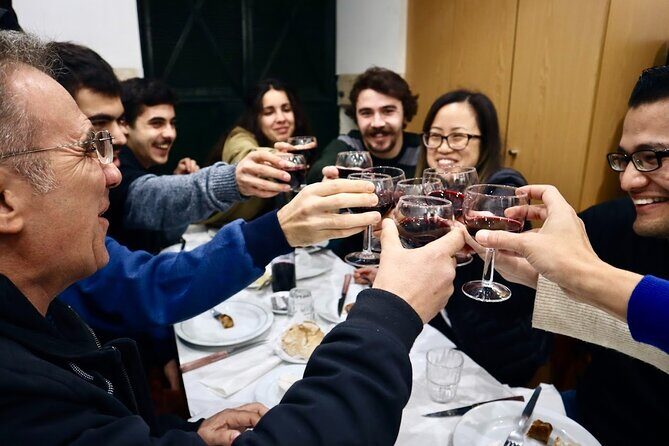
- Porto wine + ginjinha taste stops, plus non-alcoholic options
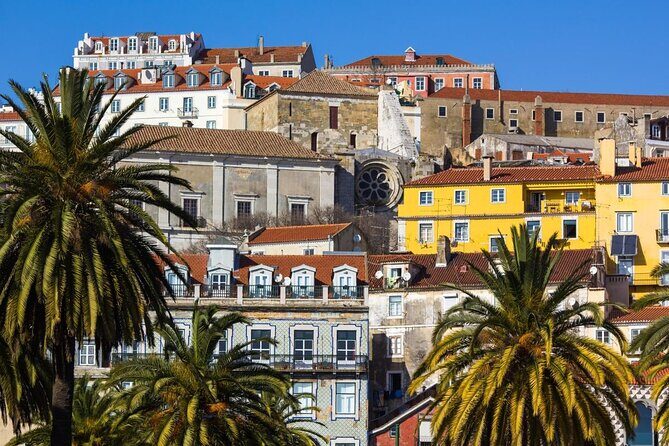
- Historic neighborhoods in bite-sized chunks, from Baixa up toward Alfama
- Real Lisbon starters like artisan cheeses, pata negra, sardines, and petiscos
- Sweets as a finale, including pastel de nata (and on Sunday, Pastel de Belém)
Lisbon Food in 3 Hours: How the Bites Add Up
This tour works because it respects your time. Three hours is long enough to get a real sampling feel, but short enough that you’re not stuck in “airport food” mode. You’ll taste a spread of Portuguese comfort foods—meat and cheese first, then fish and tapas-style bites, and then the pastry classics that Lisbon is famous for.
The tastings are the main event, but the walking route matters too. You’re not just eating in a food-court loop. You pass through the kinds of areas where local food culture actually lives, and your guide ties what you’re tasting to the places you’re standing. That’s the difference between food “samples” and a food tour that helps you shop smarter and order better later.
If you want a first-day plan that doesn’t require deep planning, this is a strong choice. It also makes sense if you like learning by doing: taste, listen, ask questions, then keep walking to the next stop.
You can also read our reviews of more food & drink experiences in Lisbon


Meeting at Praça dos Restauradores and What the Pace Actually Means
You’ll meet at Praça dos Restauradores and end there too. No hotel pickup, so you’re arriving on your own and using Lisbon’s public transit or walking in.
Since this is a walking tour with a “fair amount of walking,” shoes matter. You’re dealing with hills and cobblestones, and at least one stop is tied to a lift that helps connect lower and higher streets. In other words: this tour seems designed to keep the day moving while giving you a practical break from steep climbs.
Also note the pacing factor: group size is capped at 12, which helps, but the route still includes standing in bars and shops. Plan for a mix of walking and short waits, especially around popular places.
If you’re traveling with teens, this is often a workable length. If your group has very different walking speeds, it can help if the faster folks agree to slow down for regrouping. The tour is designed to work within that rhythm, but Lisbon uphill time is not a straight line.
Mouraria and Baixa: Cheeses, Cured Meat, and the First Real Orders
This is where the tour starts building your Portuguese “order memory.” Early on, you’ll hit a tasting stop focused on artisan Portuguese cheeses and pata negra (cured cured ham). This is useful because these items show up constantly in Portuguese menus, from casual bars to nicer restaurants.
Here’s what you should pay attention to as you taste:
- How the cheeses are paired with what comes next (salt, fat, and texture change how you perceive wine).
- The cured meat bite size and salt level, which helps explain why Portuguese meals often shift between salty and sweet later in the evening.
From there, the route takes you through the historic center areas commonly associated with Lisbon’s older food culture. You’ll also get stops for pastry and fish later, but the early cheese-and-meat section sets the palate.
If you’re the type who usually orders the safe thing at restaurants, this part is a confidence builder. You’ll leave with a better idea of what Portuguese bars consider normal, and you won’t feel stuck ordering the same Western-style appetizer again and again.
Alfama and the São Jorge Area: Sardines, History, and Why Lisbon Tastes Like It Looks
Alfama is the oldest-feeling part of Lisbon, and on this tour you’ll move through it as your guide connects the neighborhood to Portuguese food habits. The route runs on the slopes between São Jorge Castle and the Tagus River (Tejo), so you get those classic Lisbon angles while you’re still actively eating.
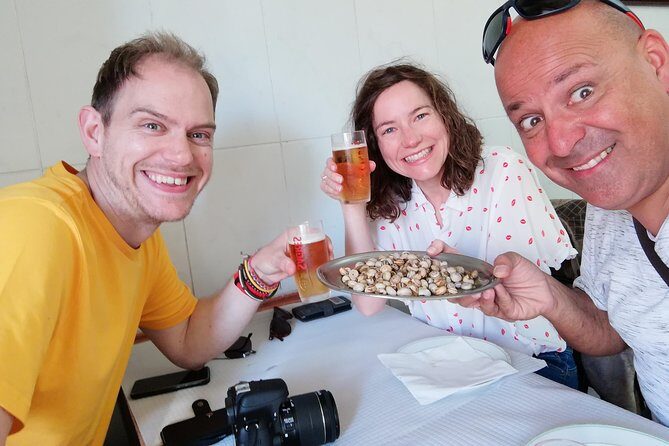
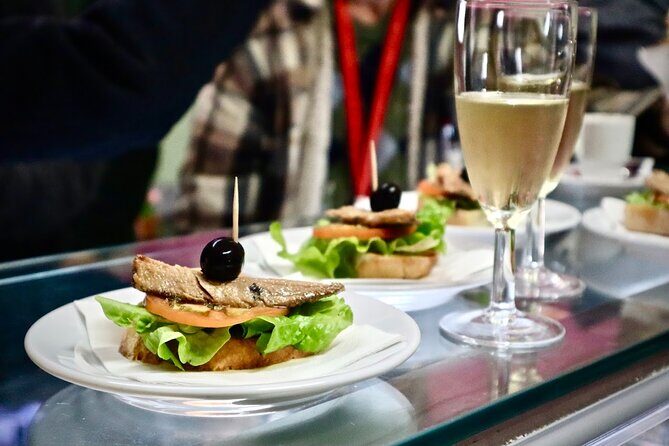
The food here tends to lean toward what Lisbon does well: simple ingredients treated seriously. You’ll taste fresh Portuguese fish during the Monday-to-Saturday menu option, and you’ll also encounter sardines as part of the mix.
On the Sunday tour, the fish picture shifts toward what Portuguese pantry culture can look like. You may taste gourmet canned fish and, later, bacalhau with spinach & potatoes—a reminder that Portuguese cooking respects preserved ingredients and turns them into comfort food.
Either way, this is the section where I think the tour helps you most as a visitor. Lisbon is full of small bars, and fish can be intimidating if you don’t know what “counts” as a local portion. Your guide’s context makes those choices easier.
The Santa Justa Lift and the Convent Stop: Views That Earn Their Calories
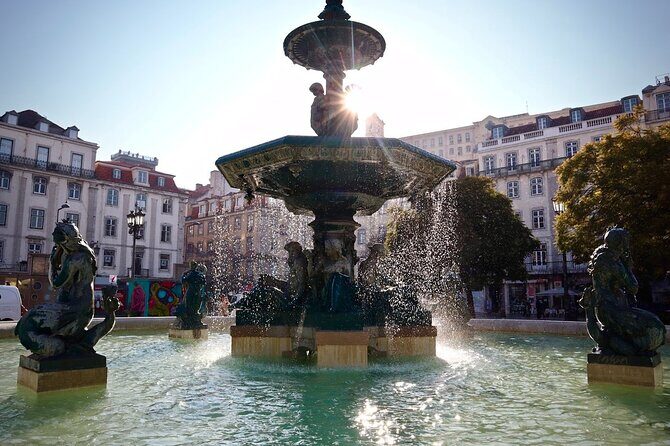
One of the standout practical moments on the route is the Santa Justa lift—an elevator/lift that helps connect lower streets in Baixa with higher parts of the city. It’s not just a photo stop. It’s a “Lisbon trick” moment: you see how the city solves elevation, and you understand why locals rely on it.
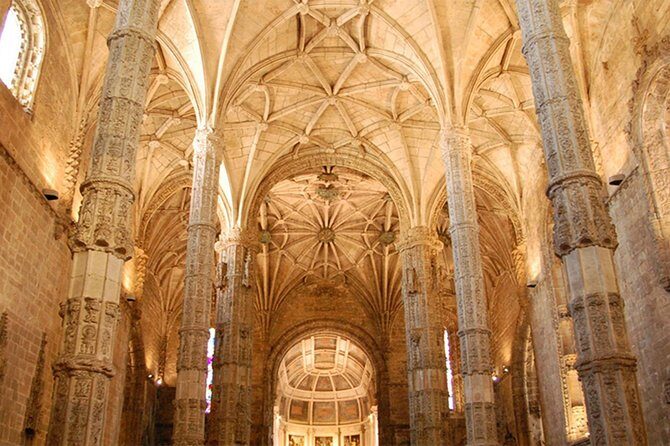
You also stop at a former Catholic convent in the Santa Maria Maior area. Even if you’re not a history buff, this kind of pause works. It breaks up the day and gives you a sense of how old Lisbon’s religious and civic buildings shape the streets you’re walking.
Then you hit Pedro IV Square (the popular name is tied to this central square). This area is famous as a crossroads of daily life, shopping energy, and street activity, which helps explain why food culture here is often bar-based and snack-based.
Tip for you: if you want the photos without feeling rushed, stand for the lift views during a moment when the group isn’t fully moving. The tour pace is structured, but you’ll still find a chance to reset your camera and legs for the next part.
You can also read our reviews of more tours and experiences in Lisbon


Porto Wine and Ginjinha: Drinks That Teach You What to Order
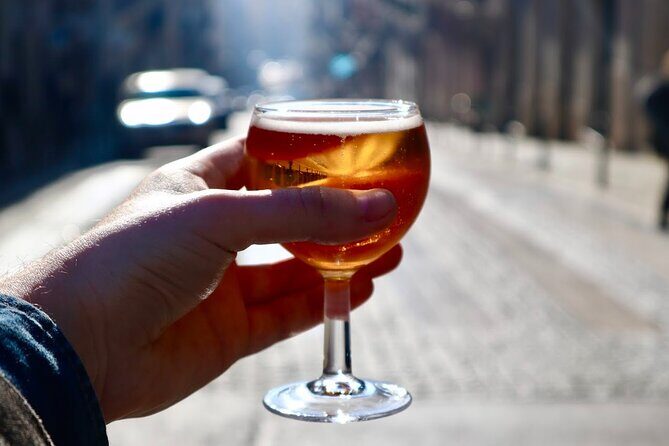
Food tour wins often come down to the drinks, and this one covers Lisbon’s taste language well.
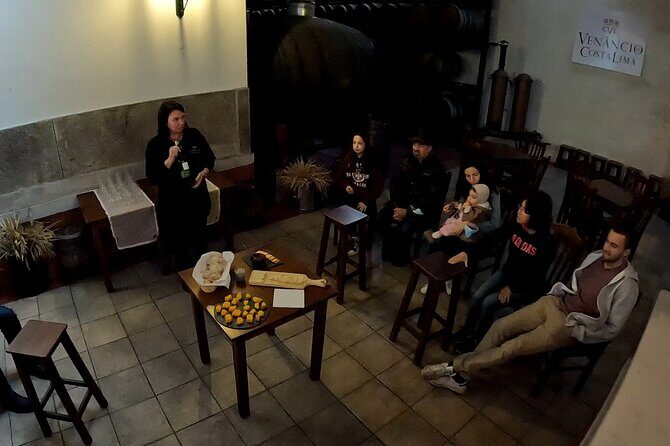
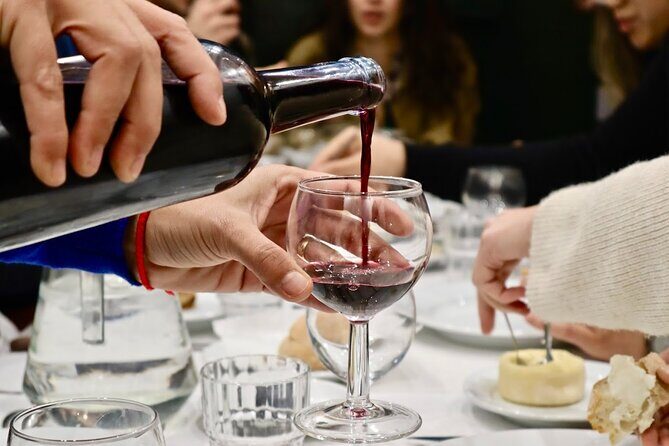
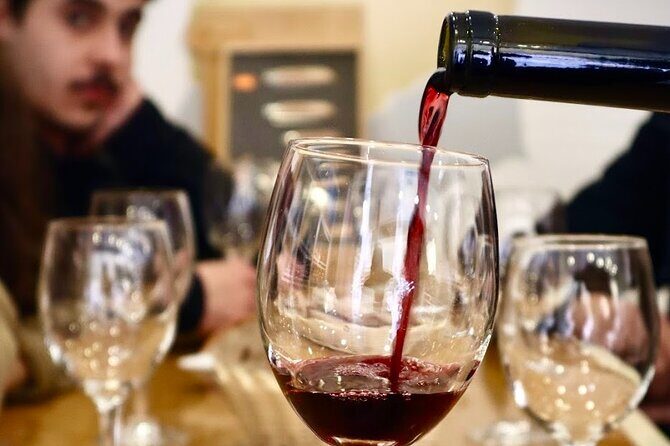
You’ll taste Port wine (on the Monday-to-Saturday plan) and you’ll also try ginjinha, a sour cherry liqueur. There’s also Vinho Verde mentioned as part of the tour’s signature elements, and the Sunday plan includes craft beer plus the cherry liqueur.
The practical value here is simple: you’ll learn what Portuguese people drink alongside salty, fatty, and grilled foods. A Port-style red can handle cured meat and cheese, and ginjinha is the sort of sweet-tart finish that complements pastries and rich bites.
Two useful notes:
- You can request non-alcoholic options, so you won’t feel locked out.
- Some food tours offer alcohol as a separate “upgrade” game. This one is set up around tastings, not a constant add-on pressure—though you should still expect small pours at each stop since the tour is tasting-focused.
And if you’re worried about getting too buzzed for walking, the pacing and short tastings help. You’re tasting multiple items, so it’s not the “one big drink” approach.
Pastel de Nata, Pastel de Belém, and the Signature Secret Dish Finish
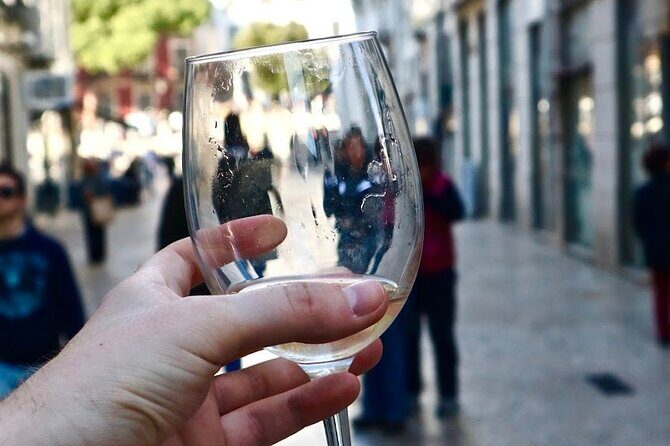
This is where you feel the real Lisbon pull: pastry at the end.
The Monday-to-Saturday menu includes pastel de nata, and the Sunday version includes Pastel de Belém Custard Tart plus more chocolate-focused sweet stops. Both are custard tart styles, but they’re not identical. Tasting them back-to-back (or close together depending on day) gives you a clearer sense of what you’re actually ordering when you see those names on menus.
There’s also mention of a Signature Secret Dish. Because that dish is part of the tour flow and treated like a highlight, it’s usually not something you’d automatically pick if you only followed mainstream restaurant recommendations.
What I like about this ending strategy is that it closes the loop. You start with salty and fatty bites (cheese, cured meat), move into fish and tapas-style petiscos, then finish with the custard tart. Your palate gets a clean sweet reset, and you’re not left hunting dessert after the tour ends.
Price and Value: Does $97.94 Make Sense for Your Day?
At about $97.94 per person for roughly 3 hours, this tour sits in the “serious tasting” category. Whether it feels like a good value depends on what you want from Lisbon:
If you want a guided path with 10+ tastings, multiple drink moments, and a small-group route through neighborhoods like Alfama and Baixa, the price starts to look reasonable fast. You’re paying for:
- The lineup of food and drink at multiple stops
- The coordination so you don’t spend your time searching
- The guide’s interpretation, which helps you order better later
If you’re the type who only wants one big meal and hates standing around, then any food tour with multiple tastings can feel like you’re paying for convenience and variety. In that case, you might prefer a single sit-down meal with a curated dessert.
A smart middle ground is this: book early in your trip. Use the tour to learn what you actually like. Then you’ll spend the rest of your Lisbon days eating without second-guessing.
Also, this tour is often booked about 39 days in advance on average, which suggests it’s a popular first-choice plan. If your dates are firm, it’s not the kind of thing I’d wait on.
Who Should Book This Lisbon Tour—and Who Might Prefer Another Plan
This tour is a great fit if you:
- Want a first introduction to Lisbon food in a short window
- Like learning through tasting rather than just museum-style info
- Enjoy classic Portuguese items like sardines, cured meat, cheeses, and custard tarts
- Appreciate a small group setting where your guide can keep the day moving
You might skip it (or choose a different format) if:
- Hills and walking are a major challenge for you
- You prefer only restaurant meals, not bar-style stops
- You’re trying to keep your day mostly low-stand time
One more practical note: the menu can change based on location availability, weather, and other circumstances. That’s normal for city walking tours, but it does mean you should treat the experience as “Lisbon food culture with a tasting lineup,” not a guaranteed exact plate-to-plate script.
Should You Book It? My Honest Recommendation
If you’re asking whether this tour is worth it, I’d say yes—with the right mindset. Book it if you want a structured food-and-neighborhood walk where the meals are broken into manageable tastings and the guide helps you connect the dots between where you are and what you’re eating.
If you’re chasing a low-walking, sit-and-eat-only afternoon, then it may feel like too much time standing and moving. In Lisbon, that’s the trade.
But if you want a high-energy start that teaches you how Lisbon food works—cheese and cured meat first, fish and tapas-style bites next, then custard tart—you’ll likely leave with both full confidence and a short list of what to seek out afterward.
FAQ
How long is the Lisbon Food Tour?
It runs about 3 hours.
How many tastings should I expect?
The tour is designed around 10+ tastings of local delicacies and wines.
Where do I meet the guide, and where does the tour end?
You meet and end at Praça dos Restauradores.
Is hotel pickup included?
No. You’ll meet the group at the designated meeting point.
What’s the group size?
The tour has a maximum of 12 travelers.
Are alcoholic drinks included?
Yes. You’ll taste wine on the tour, and you’ll also try ginjinha. Non-alcoholic options are available.
Is the tour offered in English?
Yes, it’s offered in English.
What are the food highlights?
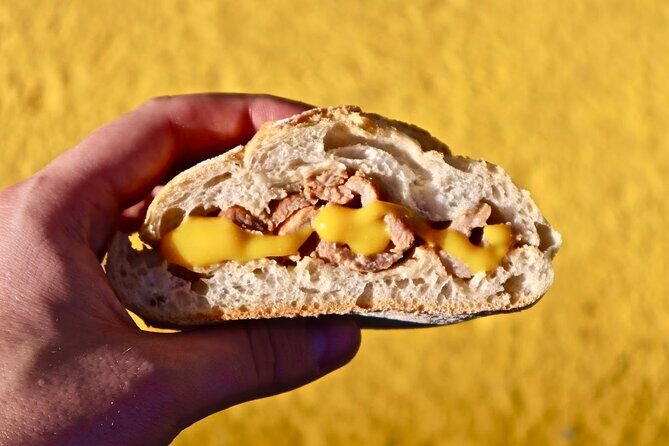
You can expect tastings such as cured meat, artisan cheeses, sardines, Portuguese tapas (petiscos), and custard pastries like pastel de nata. A classic Portuguese pork sandwich (bifana) is also included on the Monday-to-Saturday option.
What differs between the Monday–Saturday tour and the Sunday tour?
The dish lineup changes. Monday–Saturday includes fresh Portuguese fish and pastel de nata. Sunday includes items like gourmet canned fish, bacalhau with spinach and potatoes, craft beer, and Pastel de Belém custard tart.
Do I need to contact the operator for dietary needs?
Yes. If you have dietary requirements, contact them in advance so they can cater as best they can.
Is there a lot of walking?
Yes, there’s a fair amount of walking, so comfortable shoes are recommended.