REVIEW · LISBON
Fátima Private Tour And Batalha Nazaré & Óbidos
Book on Viator →Operated by Fantastic Ride · Bookable on Viator
A religious pilgrimage with seaside grit.
This private day tour threads together Fatima’s key sanctuaries and Portugal’s Atlantic coast, so you get both faith landmarks and the working-fishermen energy of Nazaré. I especially like the scale and design of Fatima’s newer church spaces, plus the way the day pivots from candle-lit shrines to wide coastal viewpoints.
I also like the pacing inside each stop: you’re not stuck rushing through everything at once. Still, there’s one real drawback to plan for: it’s an 8–9 hour outing, and some of the sights you’ll want to enter (like Batalha and parts of the Nazaré/Óbidos area) have tickets not included, plus you’ll do enough walking to need good shoes.
In This Review
- Key Points You’ll Feel Right Away
- The Big Idea: Faith Sites Plus Atlantic Reality
- Price and What You’re Actually Buying
- How the Route Works on a Long 9-Hour Day
- Stop 1: Basílica da Santíssima Trindade and Its Modern Crowd-Handling Design
- Stop 2: Capela das Aparições and the Holm-Oak Tree Story
- Stop 3: Basilica de Nossa Senhora do Rosário de Fátima
- Stop 4: Valinhos Sanctuary, Via-Sacra Stops, and Aljustrel Links
- Stop 5: Monastery of Batalha and the Battle That Shaped Portugal
- Stop 6: Farol da Nazaré for Atlantic Views With Real Coastal Depth
- Stop 7: Nazaré’s Fishing Town Streets and the Sítio Legend Context
- Stop 8: Óbidos Village for Medieval Walls and Church Density
- What’s Included (and Why It Matters Mid-Day)
- Ticket Costs and the Food Reality
- Who This Tour Fits Best
- Before You Go: A Practical Checklist
- Should You Book This Fatima, Batalha, Nazaré and Óbidos Tour?
- FAQ
- How long is the tour?
- Where does the tour start?
- Is this tour private?
- What transportation is included?
- Are tickets included for all stops?
- Is food included?
- Is bottled water provided?
- Is WiFi available during the tour?
- Do I need a passport?
- What’s the cancellation policy?
Key Points You’ll Feel Right Away
- Door-to-door hotel pickup and drop-off from Lisbon area to keep the day from starting on a stress note
- Private van plus WiFi onboard, so your group stays comfortable during a long day
- Modern Fatima architecture, including the round Basílica da Santíssima Trindade built to handle big crowds
- Capela das Aparições history, tied to the holm-oak tree spot and the rosary story of the shepherds
- Nazaré viewpoint time with a big coastal panorama and the Sítio district’s legend context
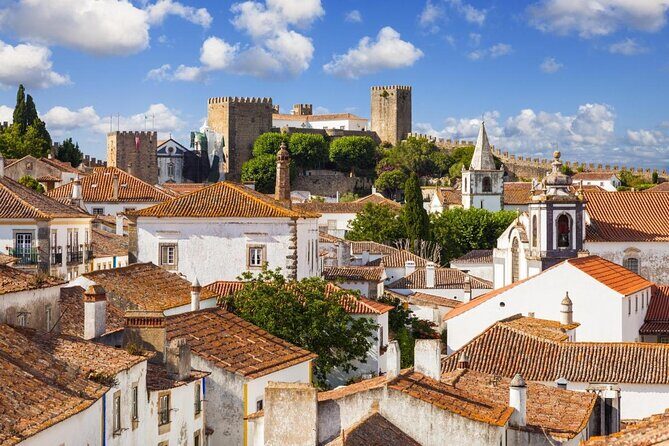
- Óbidos medieval streets with a dense church presence in a small walled town (and extra time to wander)
The Big Idea: Faith Sites Plus Atlantic Reality
This is not a day that only stays in churches. The trip starts in Fatima with major sanctuary stops, then shifts gears to Nazaré—where the ocean is part of the atmosphere, not just a photo backdrop. You’ll still feel the spiritual tone, but the day also includes coast views and a working fishing-town vibe. That mix is the main reason the itinerary feels satisfying instead of one-note.
Also, the fact that it’s private changes how you experience the sites. You’re not trapped in a slow-moving scrum, and you can ask questions in real time—especially helpful when you’re trying to understand what you’re seeing across several sanctuary locations in one day.
You can also read our reviews of more private tours in Lisbon



Price and What You’re Actually Buying
At $290.89 per person, this isn’t the cheapest option you could take out of Lisbon. But you’re paying for a bundle: air-conditioned minivan transport, hotel pickup and drop-off, a private tour, bottled water, and WiFi on board. That matters on a full-day route where the logistics are half the battle.
Tickets and food aren’t included. So your real budget is the tour price plus whatever you choose to pay for entries. The itinerary specifically lists tickets as not included for the Monastery of Batalha, the Farol da Nazaré area, and Óbidos Village time. Food and drinks are also on you. In other words: you’ll likely spend less than a guided tour that includes all meals, but you should plan for add-on entries and a lunch stop.
If you’re traveling in a group and want convenience without the hassle of bus times and transfers, the value tends to make more sense.
How the Route Works on a Long 9-Hour Day
The day starts at 9:00 am with hotel pickup, and it runs about 8 to 9 hours. That long block is the main constraint. You’ll be hopping between locations, and a couple of stops are on the shorter side (around 30 minutes at several Fatima and Batalha points).
The practical takeaway: treat this as a “see the highlights” day, not a slow ramble. If you’re the type who wants to linger quietly for an hour per stop, you might feel a little time-pressed. If you like a structured day with room for questions and photos, the timing fits.
Good news: the tour includes comfortable walking shoes as a strong recommendation, and the day is designed so most people can participate.
Stop 1: Basílica da Santíssima Trindade and Its Modern Crowd-Handling Design
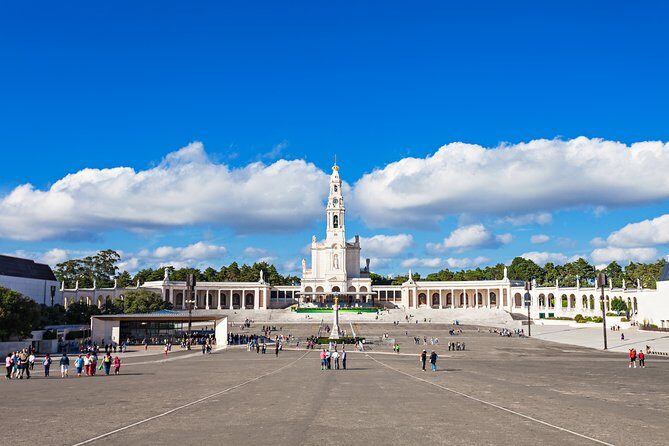
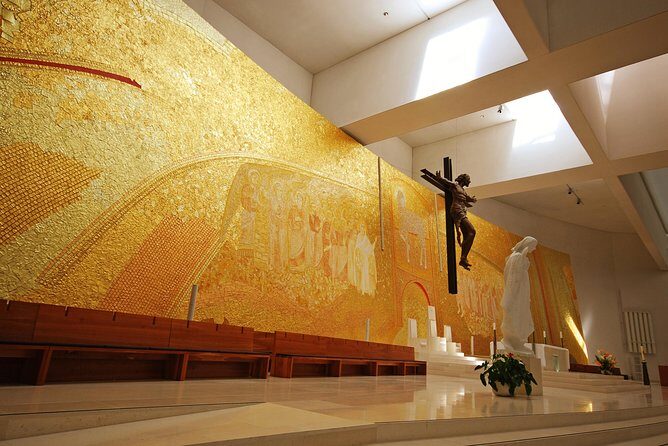
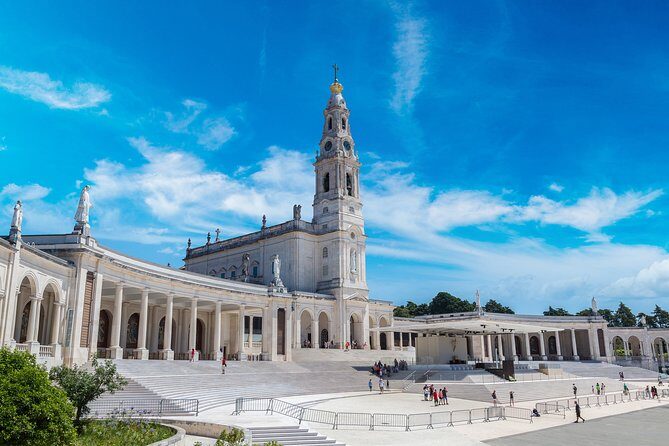
Your first anchor in Fatima is the Basílica da Santíssima Trindade (Church of the Most Holy Trinity). What I find striking is that it’s not a dusty old chapel—it’s modern and functional. It sits within the sanctuary enclosure, across from the older Basilica, and it was inaugurated in 2007 after being planned since 1973. The basic reason: the main Basilica wasn’t large enough for average turnout days.
The building itself is huge: a 125 m diameter round structure built with no intermediate support. It’s covered in local white sea stone that gives it a bright, clean look against the sanctuary grounds.
Why this stop is worth it: it helps you understand Fatima as a living place, not frozen in one era. If you only visit the older sites, you miss the story of how the sanctuary evolved to hold real volumes of pilgrims year after year.
Potential drawback: it’s a big architectural space, and 30 minutes can feel like a blink if you want slow photography from multiple angles.
Stop 2: Capela das Aparições and the Holm-Oak Tree Story
Next is the Capela das Aparições (Chapel of the Apparitions). This is where the emotional gravity of the day really lands.
The chapel was built in 1919 by local people after a request made by Our Lady during one of the apparitions. The first mass in the chapel took place in 1921. Even with preservation and maintenance changes over the years, it keeps a modest, rough design similar to a simple hermitage.
Here’s a detail I love because it connects the place to a specific story: the image of Our Lady marks the spot of the holm-oak tree—the site of the apparitions. The actual tree disappeared over time as believers took pieces away twig by twig. The chapel area is tied to the moment when the shepherds came to say the rosary with other believers.
Why this stop works: it’s smaller and more personal than the big basilicas, so your brain shifts from “architecture and scale” to “what happened here.”
Potential drawback: the chapel’s modest size means you may feel a little compressed if it’s busy. Go in expecting a quieter, close-up experience rather than an open-sky one.


Stop 3: Basilica de Nossa Senhora do Rosário de Fátima
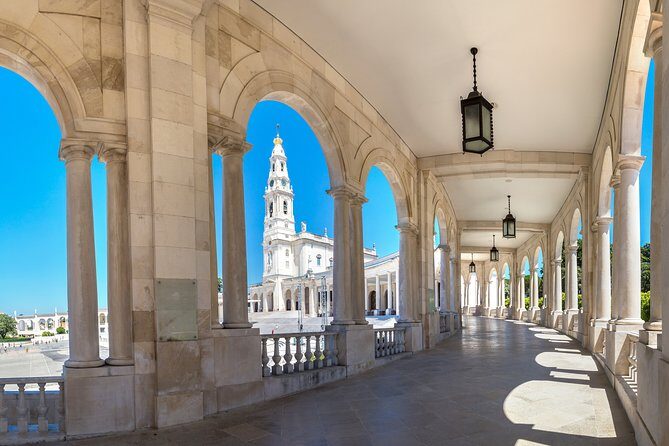
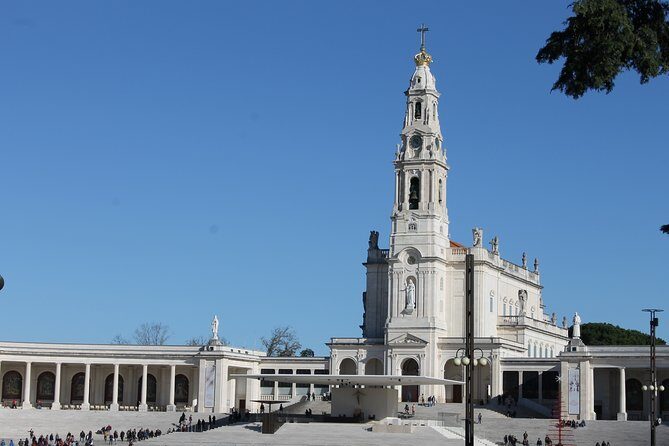
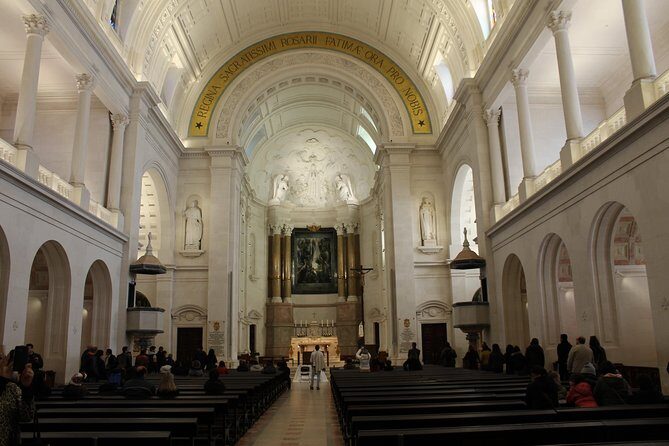
The Basilica of Our Lady of the Rosary is often called the Rosary Basilica, and it’s integrated into the Fatima sanctuary area at Cova da Iria. This is one of the places you come to see when you want the core layout of Fatima in view.
Even if you don’t consider yourself “religious,” I still think this stop matters because it shows the sanctuary’s role as a gathering space. When you’ve visited the Trindade and Capela first, the Rosary Basilica can feel like the final piece of a puzzle: the modern scale, the small sacred marker, then the main basilica’s presence.
Potential drawback: with only about 30 minutes on the schedule, you’ll want to decide in advance what you care most about—interior quiet, exterior photos, or asking your guide specific questions about what you’re seeing.
Stop 4: Valinhos Sanctuary, Via-Sacra Stops, and Aljustrel Links
Then you move to Valinhos, where the experience becomes more route-based. Valinhos is visited by thousands of pilgrims who follow the Via-Sacra to the Hungarian Calvary. Along the way, you visit the Chapel of St. Stephen of Hungary.
Valinhos also connects to the homes and people at the center of the story. You’ll visit the House of Lucy and the House of Francis and Jacinta Marto in the village of Aljustrel.
One neat detail that gives this stop extra texture: the sculptures of the Angel of Portugal and the various stations of the Via-Sacra are written by Maria Amélia Carvalheira da Silva. That means you’re not just looking at generic religious markers—you’re seeing specific artistic work tied to the sanctuary narrative.
Why this stop is valuable: after you’ve been in large sanctuary buildings, this is where the day starts to feel like a walk through the story. It’s also a nice contrast to keep the day from feeling like “one big complex” with no variety.
Potential drawback: because it involves route areas and nearby village viewpoints, you’ll feel the walking time more than you do at the basilicas.
Stop 5: Monastery of Batalha and the Battle That Shaped Portugal
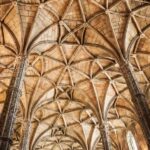
After Fatima, the trip shifts from religious sites to national history at Monastery of Santa Maria da Vitória in Batalha.
This is not an abstract history lesson. A decisive event for Portuguese consolidation happened on August 14, 1385, near the monastery: D. João (Master of Avis) defeated Castilian armies in the Battle of Aljubarrota. This victory ended a dynastic crisis stretching back to 1383 after King Ferdinand’s death—his only daughter had married the King of Castile, and Portugal’s throne was contested.
D. João dedicated the monastery to the Virgin Mary, connecting national identity and religious devotion in a very literal way.
I like this stop because it widens your lens. Fatima is about belief and pilgrimage. Batalha is about how belief and state power intertwined, and how a place can become a memorial for both.
Potential drawback: the monastery ticket is not included, and the schedule gives you only about 30 minutes, so you’ll likely focus on the key highlights rather than a long, museum-style exploration.
Stop 6: Farol da Nazaré for Atlantic Views With Real Coastal Depth
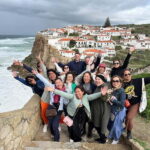
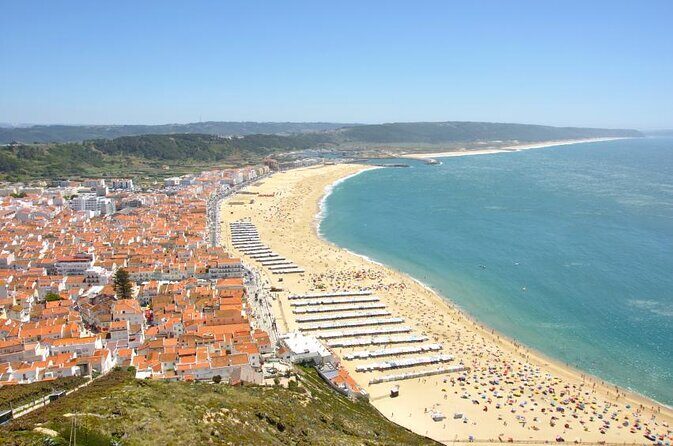
Then you get the coast. Farol da Nazaré sits in the Sítio da Nazaré area, known for one of the most impressive wide views of the Portuguese coastline.
At Largo de Nossa Senhora da Nazaré, you get a balcony-like vantage where you can see stretches of coastline from Nazaré to Peniche. On clear days, you can also see mountain ranges like Serra de Mira de Aire and Serra dos Candeeiros.
This is where the “fishermen and the waves” theme becomes real. Nazaré is famous for its relationship with the sea, and you can feel the town’s geography in the view. Even if you don’t plan to go to the beach, you’ll understand why locals built their lives along this rugged coast.
Time note: you’ll have about 1 hour here, which is enough for photos plus a slow look across the shoreline.
Potential drawback: tickets for this stop are not included, and the higher vantage points can mean more steps and uneven surfaces.
Stop 7: Nazaré’s Fishing Town Streets and the Sítio Legend Context
You’ll also spend time in Nazaré, a town that’s both a fishing community and a tourist magnet. In the streets, you can still see traditional elements like fish-sellers and carapaus (horse mackerel) laid out to dry.
If you want the best viewpoint, the Sítio district is the place. It sits at the town’s highest point and you can reach it by a funicular.
This stop also connects to local religious storytelling. Nazaré’s cult ties back to a 12th-century legend involving Dom Fuas Roupinho, who was hunting a deer and was about to fall into an abyss. The story says Our Lady was invoked, and it became a sign of gratitude tied to the legend (the details of what happened next aren’t needed for you to appreciate why the town feels the way it does today—faith is part of the local memory).
Your scheduled time here includes Nazaré Artesanato e design de Autor, which is where you’ll get a chance to look at local crafts and design rather than just wandering for wandering’s sake.
Potential drawback: it’s a fishing town plus a resort, so the vibe can shift quickly with crowds and season.
Stop 8: Óbidos Village for Medieval Walls and Church Density
Finally, the day ends in Óbidos, a medieval town that’s famous for being one of Portugal’s best-preserved examples of old walled life.
Óbidos sits close to Lisbon and near the Atlantic coast, and it has had strategic importance for centuries. It was settled before the Romans arrived, and it prospered after being chosen by the royal family. King Dinis gave it to his wife Queen Isabel in the 13th century, and later it became part of the Casa das Rainhas (Queens’ Estate), which helped enrich the town through multiple dynasties. One result you can feel when you wander: there’s a high concentration of churches in a small place.
You’ll get about 1 hour here, with time to wander the lanes and take in the walls and town texture. Since tickets are not included for this stop, you’re free to focus on what you can do best from the outside and in public areas.
Potential drawback: one hour flies. If you’re the type who wants to sit in a café and slowly absorb a place, you might wish the day had a little more breathing room.
What’s Included (and Why It Matters Mid-Day)
Here’s what you’re getting beyond the sightseeing itself:
- Hotel pickup and drop-off
- Transport in an air-conditioned minivan
- Private tour (just your group)
- Bottled water
- WiFi on board
- Mobile ticket
- The tour may run with a multi-lingual guide
All of that matters because it keeps the day usable. When you’re crossing between Fatima, Batalha, Nazaré, and Óbidos, comfort and timing really do affect how much you enjoy the day. AC helps in summer. WiFi helps when you’re trying to map your next steps. Water keeps you from spending your entire lunch break hunting for drinks.
Ticket Costs and the Food Reality
The tour lists some entries as free (like the Fatima chapel and basilica areas listed as free admission), but other key sights require tickets on your own: Batalha Monastery, Farol da Nazaré, and time connected to Óbidos Village are shown as not included.
Food and drinks are not included either. So plan for a lunch break you’ll handle yourself. If you want to minimize time loss, consider choosing a spot near the main flow of the area you’re in, not your lunch “somewhere nearby” that turns into a detour.
Who This Tour Fits Best
I’d suggest this private tour if you:
- Want a one-day overview that includes both Fatima’s sanctuary story and coastal Portugal
- Prefer door-to-door pickup and the comfort of a private vehicle
- Like asking questions in real time with a guide
I’d think twice if you:
- Want long, quiet time inside each site (the schedule is built for highlights)
- Hate adding extra costs for paid entries at multiple stops
This tour also tends to suit couples, small groups, and people who appreciate history plus a strong sense of place—church architecture, Portuguese nation-making events, then ocean views.
Before You Go: A Practical Checklist
- Wear smart casual clothing.
- Bring comfortable walking shoes.
- Plan for extra stops where tickets are not included.
- Expect some walking beyond just stepping into buildings.
- Make sure you have a current valid passport on the day of travel (the tour information explicitly requires it).
Also, start the day rested. A 9-hour itinerary means you’ll enjoy the last stops more if you don’t burn energy on the first hour.
Should You Book This Fatima, Batalha, Nazaré and Óbidos Tour?
If you want one day that covers the big emotional spine of Fatima, adds Portugal history at Batalha, then finishes with the coastline and medieval atmosphere of Óbidos, this tour is a strong fit. The price isn’t low, but the value is in the convenience: pickup, private transport, WiFi, and bottled water, plus the ability to move through several distinct places without the planning headache.
My advice for a good decision:
- Book if you like structured “highlights + questions” days.
- Skip if you need lots of free time at each stop or you’re trying to avoid any extra ticket spending.
FAQ
How long is the tour?
The tour runs about 8 to 9 hours.
Where does the tour start?
It starts at 9:00 am, with hotel pickup.
Is this tour private?
Yes. It’s a private tour, so only your group participates.
What transportation is included?
You get transport in an air-conditioned minivan, with hotel pickup and drop-off.
Are tickets included for all stops?
Not all of them. Admission is listed as not included for the Monastery of Batalha, Farol da Nazaré, and the Óbidos Village stop. The Fatima sites shown in the itinerary are listed as free admission.
Is food included?
No. Food and drinks are not included.
Is bottled water provided?
Yes. Bottled water is included.
Is WiFi available during the tour?
Yes. WiFi is available on board.
Do I need a passport?
Yes. A current valid passport is required on the day of travel.
What’s the cancellation policy?
You can cancel for free up to 24 hours in advance for a full refund. If you cancel less than 24 hours before the start time, the amount paid is not refunded.