REVIEW · LISBON
Lisbon: Flexible Walking Tour of Alfama
Book on GetYourGuide →Operated by Travelbox, Lda. · Bookable on GetYourGuide
Alfama is where Lisbon turns scenic. This self-guided Walkbox walk is built for getting around a maze of lanes at your own pace, with audio that plays automatically and works offline—so you’re not stuck reading maps on every corner. I especially like the way it strings together big moments and small street details, like the Portas do Sol and Santa Luzia viewpoints, then layers in stops that help you understand what you’re seeing. One thing to plan for: there’s a real uphill section close to the start, and the route is not for wheelchair users.
If you want a low-cost way to “walk like you live here,” this hits the sweet spot. I like that you can do the route in full or in parts within 5 days of booking, which makes timing easier if your schedule is chaotic. The biggest drawback is also the trade-off: there’s no live guide, just the app, so you’ll want a charged smartphone and comfy shoes.
In This Review
- Key things that make this walk worthwhile
- Alfama by Walkbox: how self-guided actually works here
- Start at Casa dos Bicos: the fastest way to orient yourself
- Chafariz de Dentro and the first push uphill
- Santo Estevão belvedere: where the neighborhood opens up
- Rua de São Miguel and Casa São Miguel: the perfect break
- Lisbon’s oldest house and Amália Rodrigues in cobblestones
- Portas do Sol and Santa Luzia: two viewpoints, one loop
- Descend toward São Miguel Church and the Lisbon Cathedral
- Price and value: $7 for a 3-4 hour audio-guided day
- How long to plan for: 3 hours vs. real-world walking time
- Best fit: who will love this walk
- Should you book this Alfama walk?
- FAQ
- How long is the Lisbon Flexible Walking Tour of Alfama?
- Where does the tour start and end?
- Is this tour guided by a live person?
- Does Walkbox work offline?
- What languages are available?
- Do I need to buy tickets for attractions?
- Is this tour suitable for people with mobility impairments or wheelchair users?
- What should I bring with me?
Key things that make this walk worthwhile
- Walkbox audio, offline: download and go, no roaming data needed
- Self-paced pacing: do it all at once or in chunks during a 5-day window
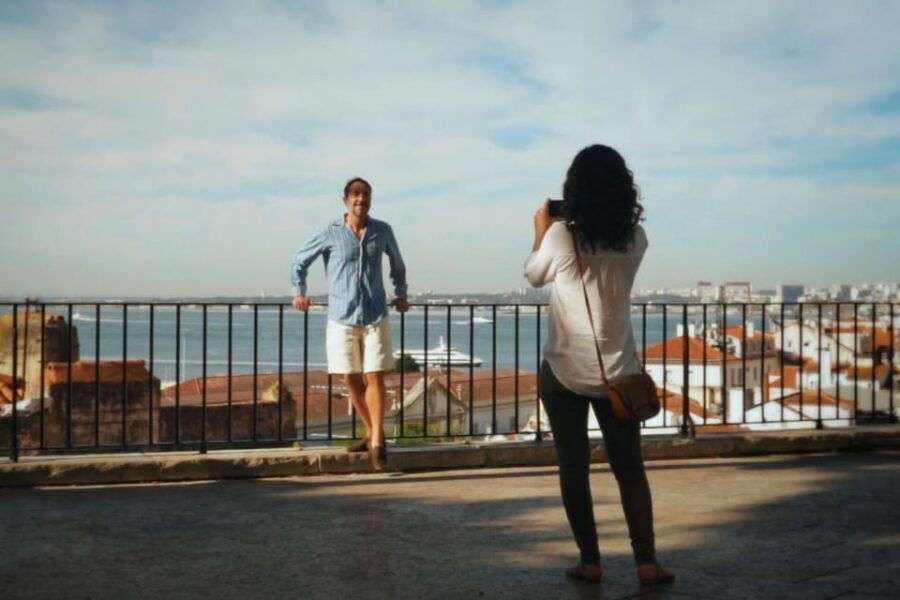
- Viewpoints in a tight loop: Santo Estevão, Portas do Sol, and Santa Luzia all in one route
- Old Lisbon sights on foot: the Cathedral plus Lisbon’s oldest house
- Real street texture: the Rua de São Miguel area and a recommended stop at Casa São Miguel
- A true hill early on: about 700 meters uphill at an average 8% incline
Alfama by Walkbox: how self-guided actually works here
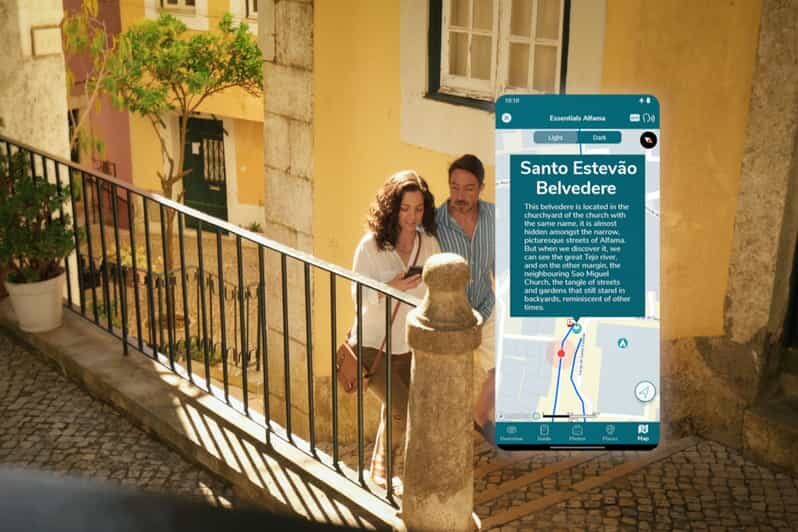
This tour is designed around one big truth: Alfama is not laid out like a grid. It’s narrow streets, sudden steps, and turns that make you feel like you’re getting pleasantly lost. That’s exactly why a self-paced app guide can be so effective. Walkbox provides natural-sounding audio that plays automatically as you explore, plus route guidance that’s generally easy to follow.
What you get for the $7 price isn’t a live conversation with a guide—it’s a guided walking experience. You also get content in English, Portuguese, French, and Spanish, which matters if you’re traveling as a mixed-language group or you just prefer one language over another. And because it works offline, you’re not constantly checking signal strength while the city shifts under your feet.
You’ll also appreciate the practical support layer. After booking, your tour curator sends clear instructions, and you can reach them remotely via WhatsApp or SMS between 8:00 AM and 8:00 PM. If something goes sideways, there’s emergency phone assistance too. For a neighborhood where a wrong turn can send you up a steep stair, that safety net is worth having.
You can also read our reviews of more walking tours in Lisbon


Start at Casa dos Bicos: the fastest way to orient yourself
The tour starts (and ends) at Casa dos Bicos, in downtown Alfama. Starting here makes sense because the walk is built as a loop through the neighborhood’s key textures: water, viewpoints, pastry streets, and the Cathedral area.
From the beginning, the route sets you up for two things you’ll want in Alfama: navigation confidence and visual payoff. You start moving toward the older, higher parts of the neighborhood soon after the first stops, which helps you avoid the common tourist trap of spending most of your energy wandering flat streets while the best views stay above you.
Expect an early rhythm that’s typical of Alfama walking: you’ll move through tight lanes, hit a square, then begin gradually working toward upper areas. The route isn’t presented as a sprint. It’s the kind of path where you can pause for photos, linger at corners, and still feel like you’re making progress.
Chafariz de Dentro and the first push uphill

Right after the start area, you’ll reach Chafariz de Dentro square. It’s the kind of stop that helps you get your bearings, and water features like this often act as informal landmarks in old neighborhoods—useful when streets branch off in multiple directions.
Then comes the one real physical consideration: an uphill section close to the start that averages about 8% incline over 700 meters. On paper, 700 meters doesn’t sound huge. In practice, the slope plus old-street pacing means you should treat it like a warm-up that turns into a workout.
If you’re planning your day, think about timing like this: this tour works best when you’re not already exhausted from long museum days. Bring a steady pace. Short stops are allowed—and honestly, they’re smart—because you’ll want your legs ready for later viewpoints.
Santo Estevão belvedere: where the neighborhood opens up
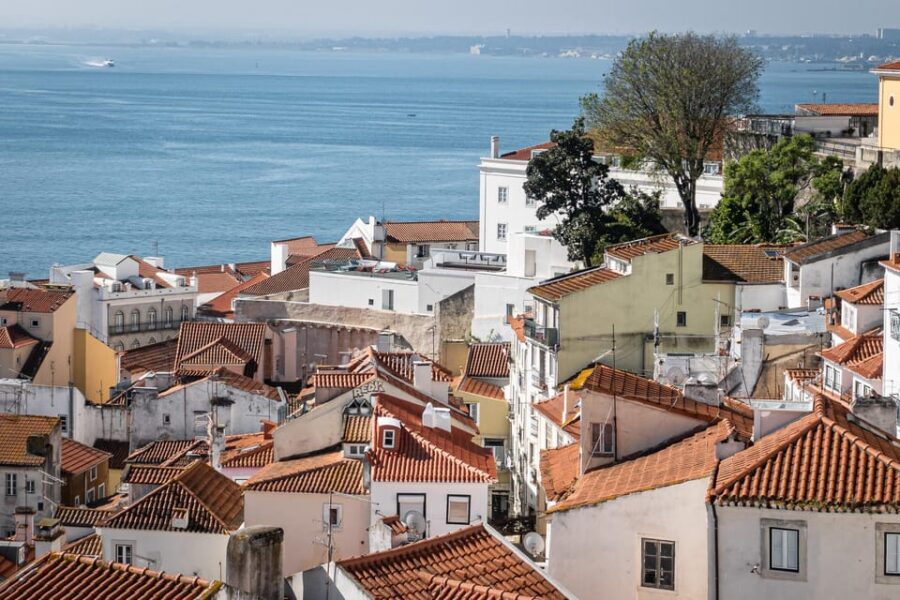
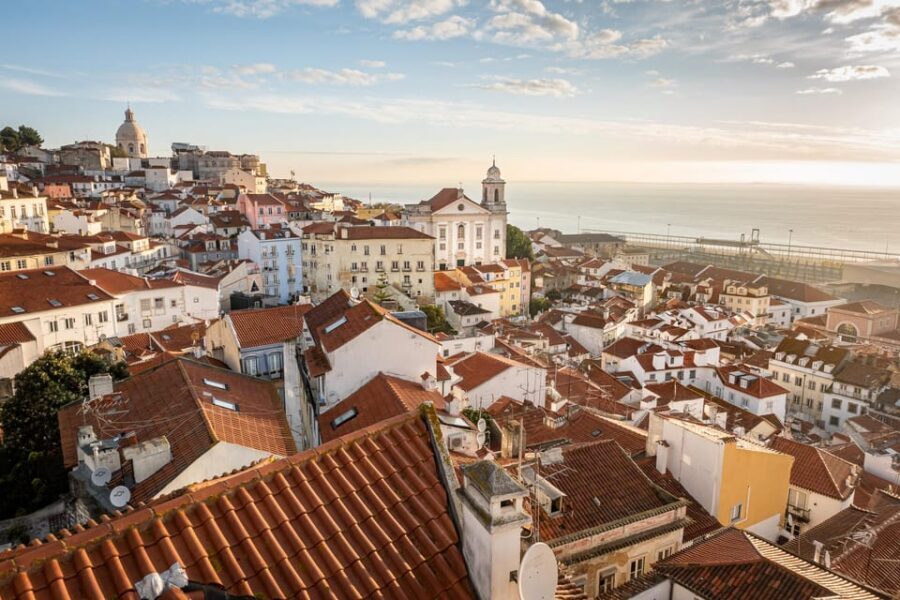
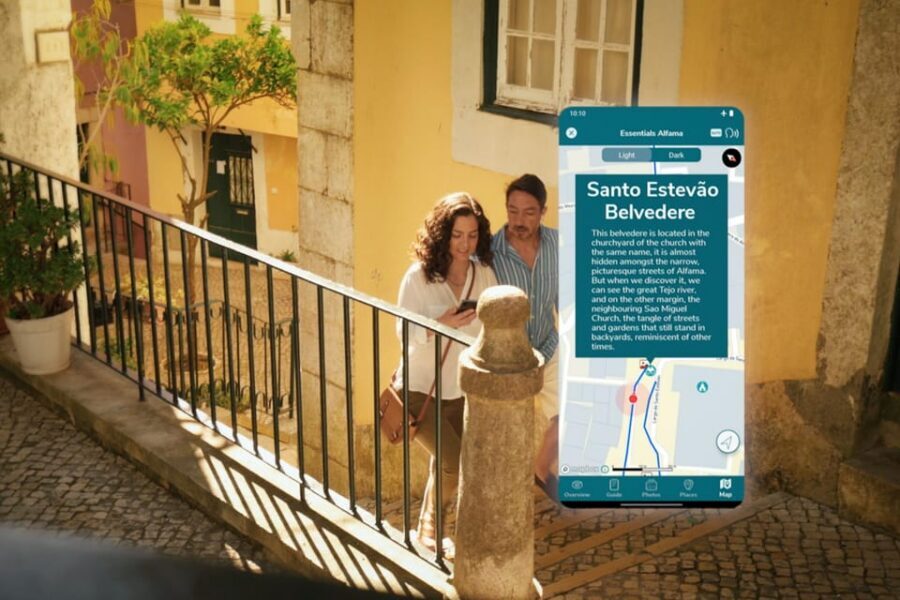
One of the highlights is the Santo Estevão belvedere, described as a hidden-feeling charm. This is where you’ll start to understand why Alfama is such a view-focused neighborhood. Belvederes in Lisbon aren’t just scenic spots. They’re places where streets and rooftops become a map you can read from above.
A viewpoint stop like this gives you a payoff that feels bigger than the effort. You go from tight alley geometry to a broader sense of place. And since this is part of a planned route, it doesn’t feel random—you know you’re heading to a specific “turning point” before the walk continues.
If you want your photos to come out well, come prepared for light changes. Lisbon views can look different minute to minute, so pause long enough to see how the light hits the rooftops and distance.
Rua de São Miguel and Casa São Miguel: the perfect break
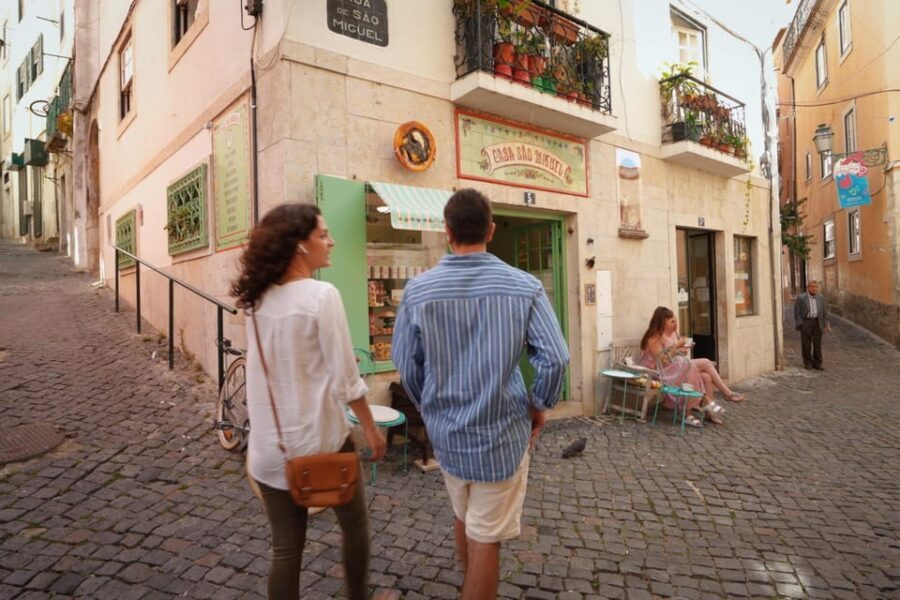
After the viewpoints, the route brings you into Rua de São Miguel, a lively street that’s a good change of pace after steps and angles. The plan includes a stop at Casa São Miguel pastry shop, which is strongly recommended in the route flow.
This isn’t just a place to grab something sugary. It’s a practical mid-walk reset. You’ll likely have been walking for a while, and a café-style break helps you keep going without turning the second half into a leg-spiral.
I like that the tour doesn’t only focus on big monuments. It gives you an in-between moment that helps you actually enjoy the walk, not just survive it.
Tip for your walk rhythm: if you’re serious about the views later, don’t make this stop too long. Enjoy it, then keep moving.



Lisbon’s oldest house and Amália Rodrigues in cobblestones
As the route climbs toward Alfama’s highest point, you’ll reach two standout cultural stops: Lisbon’s oldest house and a cobblestone portrait of fado icon Amália Rodrigues.
This is the kind of stop that makes the neighborhood feel layered. Streets aren’t just “pretty.” They’re carriers of identity. A fado-related artwork in stone ties the physical city to the cultural one, and it’s the sort of detail you might miss if you were only glancing at major landmarks.
The “oldest house” element also works because it anchors you. After wandering narrow streets, it’s helpful to know you’re in a place where buildings have lasted—where the neighborhood isn’t new or recreated, but long-standing.
Don’t rush this section. It’s easy to miss the subtlety when you’re climbing, so slow down and take a moment to look at the details on the ground and around the structure.
Portas do Sol and Santa Luzia: two viewpoints, one loop
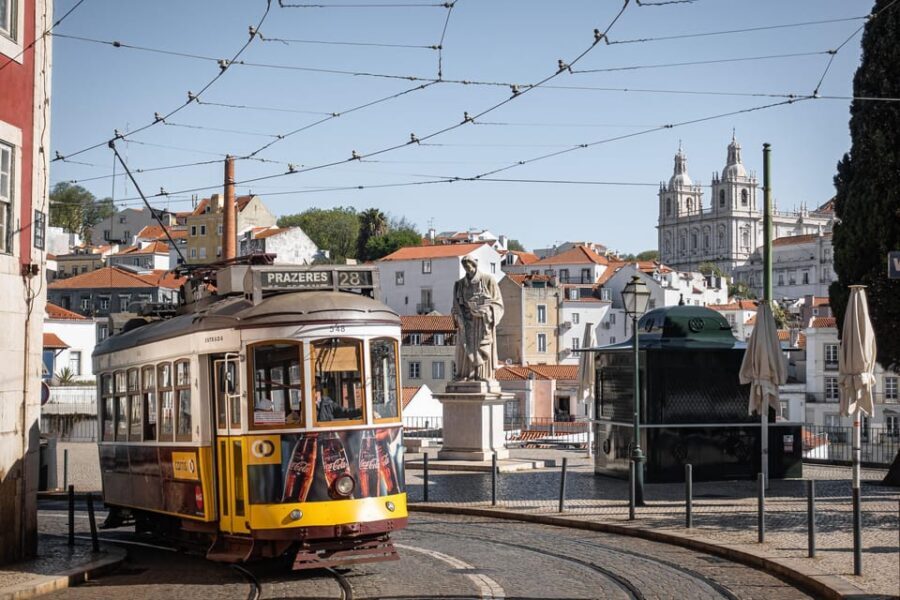
Next, you’ll hit the big viewpoint pair: Portas do Sol and Santa Luzia. According to the route, Portas do Sol is just steps away from Santa Luzia, which makes this part feel efficient without rushing.
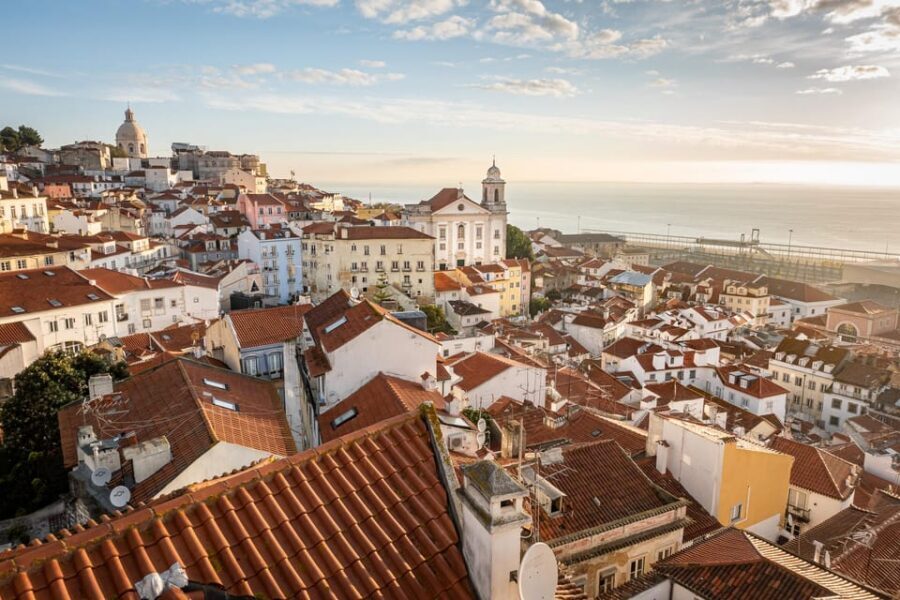
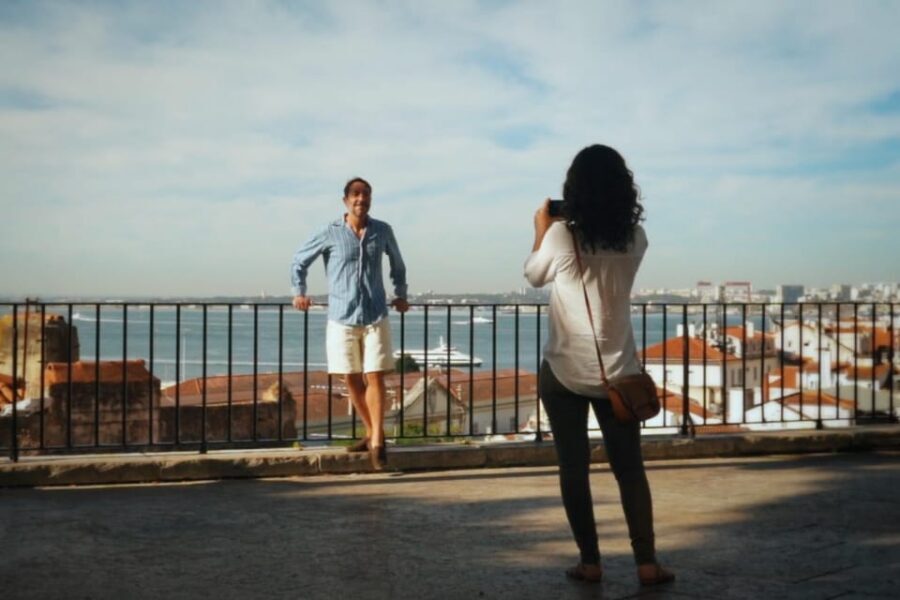
This is also where your camera roll starts justifying its storage. Lisbon rooftops and the river-side feeling (even when you can’t see it clearly) come through in these angles. What I like about doing both viewpoints in one planned sequence is that you see the city from slightly different perspectives without having to plan separate outings.
If you’re chasing the “best” view, remember this: there’s no single best moment. The city shifts with wind, light, and foot traffic. Give each belvedere enough time to show you what it does differently, even if you only find a small angle change.
Descend toward São Miguel Church and the Lisbon Cathedral
After the viewpoints, the route descends past the Church of São Miguel and continues to Lisbon Cathedral, noted as the city’s most ancient monument.
This is an important contrast point in the walk. You go from open-air viewpoints back into a more defined historical atmosphere. A Cathedral stop also gives your walk structure. It’s a “final anchor” before returning to the start.
Lisbon Cathedral is also the type of site where you’ll get more out of the visit if you slow down. Even if you don’t plan to linger for long, pause at least once to take in the scale and the surroundings before moving on.
When you’re ready, you return back through the route toward Casa dos Bicos, closing the loop and letting the neighborhood feel whole rather than like scattered stops.
Price and value: $7 for a 3-4 hour audio-guided day
$7 per person is a low price for what you’re actually paying for. You’re not buying a live guide. You’re paying for a full walking route: audio guidance, navigation support, multiple language tracks, and offline access, plus the curbside help of a curator through remote support if you need it.
You’re also getting route planning that covers about 4 km, with the main physical challenge clearly identified for you. The plan includes over 60 points of interest, plus attraction opening hours and prices where applicable. That last detail matters because it helps you decide on the spot whether an attraction fits your schedule.
What’s not included? Tickets to paid attractions. So if you’re planning to enter paid sites beyond what you stop to view, budget extra. Still, for a walking day focused on streets, viewpoints, and major monuments from the route, the value is strong.
How long to plan for: 3 hours vs. real-world walking time
The activity lists a 3-hour duration, with starting times based on availability. At the same time, the route description suggests it takes about 4 hours to complete depending on your pace and the stops you choose.
So here’s the practical way to plan: assume 3 hours if you’re a fast walker and you keep stops short. Assume closer to 4 if you want to take in the belvederes properly and enjoy the pastry break.
Also remember the tour content can be done in full or in parts within 5 days. That’s handy if you discover, halfway through, that you want more time at one viewpoint without feeling like the clock is punishing you.
Best fit: who will love this walk
This works especially well if you:
- Want a walk that feels guided but not rigid
- Enjoy viewpoints, old streets, and street-level details like the Amália cobblestone reference
- Prefer working at your own pace rather than matching a group’s schedule
- Travel with a smartphone you can keep charged and you’re comfortable using for audio
It’s also ideal for travelers who don’t want the cost and pacing of a live tour but still want structure. The app’s role here is basically to help you connect what you see to why it matters—without dragging you from one stop to the next like an assembly line.
Should you book this Alfama walk?
Book it if you want a low-cost, self-paced way to cover Alfama’s highlights in a single loop, especially the viewpoints and the Cathedral area. The combination of offline audio, multiple languages, and remote support makes it feel safer than a DIY walk while still letting you wander when Alfama does what it does best.
Skip it if you can’t handle stairs and hills, since the tour includes that uphill segment early on and is not suitable for wheelchair users or people with mobility impairments. Also, if you hate smartphone navigation or you don’t like audio guidance, the lack of a live guide may feel limiting.
If you’re on the fence, my suggestion is simple: if you can do a hill and you’re comfortable with an app guide, this is one of the smarter-value ways to experience Alfama on foot.
FAQ
How long is the Lisbon Flexible Walking Tour of Alfama?
The duration is listed as 3 hours, and the route description notes it typically takes about 4 hours to complete depending on your pace and how many stops you choose to enjoy.
Where does the tour start and end?
The tour starts and ends at Casa dos Bicos in downtown Alfama.
Is this tour guided by a live person?
No. Guidance is provided through the Walkbox app, not a live tour guide.
Does Walkbox work offline?
Yes. Walkbox works offline, and the audio guides play automatically as you explore.
What languages are available?
The tour content is available in English, Portuguese, French, and Spanish.
Do I need to buy tickets for attractions?
Tickets for paid attractions are not included. The tour provides prices and opening hours for attractions where applicable.
Is this tour suitable for people with mobility impairments or wheelchair users?
No. It is not suitable for people with mobility impairments and not suitable for wheelchair users.
What should I bring with me?
Bring comfortable shoes and clothes, and a charged smartphone.