REVIEW · LISBON
Pastel de Nata Cooking Class in a Lisbon Pastry Shop
Book on Viator →Operated by eatwith · Bookable on Viator
Lisbon turns sweet when you roll up your sleeves. This Pastel de Nata cooking class at Casa dos Ovos Moles is built around hands-on technique, not just watching someone else bake. I especially like the small group size, which means you actually get corrections while you work, and I like that the lesson includes a tasting with Port wine and ginja as part of the experience. One thing to consider: this isn’t a sit-and-snack activity. You’ll be working with dough and doing real steps, so come with comfy clothes and patience.
You meet at Calçada do Sacramento 25 at 3:00 pm, then return there at the end. In about 1 hour 30 minutes, you’ll learn the process behind Portugal’s famous custard tarts, along with the practical skills that help you get the dough to behave. The instructor, Filipa, teaches in English, and the class is family friendly for kids 12+.
If you want a Lisbon food moment that feels local—inside a working pastry shop—this is one of those experiences that rewards focus and curiosity. You’ll leave with a big, warm pastry story, not just a souvenir box.
In This Review
- Key things to know before you go
- Casa dos Ovos Moles: where the Pastel de Nata work happens
- The 1 hour 30 minute format and small-group pace
- What you learn while making Pastel de Nata from scratch
- The tasting part: port and ginja with your Pastel de Nata
- How the class feels in practice: technique, laughter, and corrections
- Price and value: is $99.72 worth it?
- Who this Lisbon Pastel de Nata class suits best
- Planning tips: timing, transport, and what to do before/after
- Should you book this Pastel de Nata cooking class?
- FAQ
- How long is the Pastel de Nata cooking class?
- Where does the class meet in Lisbon?
- What time does the class start?
- Is the class offered in English?
- How big is the group?
- Is this class suitable for kids?
- What is included to eat and drink?
- Do I need to tell the host about dietary restrictions?
- Will I return to the same place at the end?
- What’s the cancellation refund rule?
Key things to know before you go
- Small group learning: capped at 6 travelers, so technique corrections are easier.
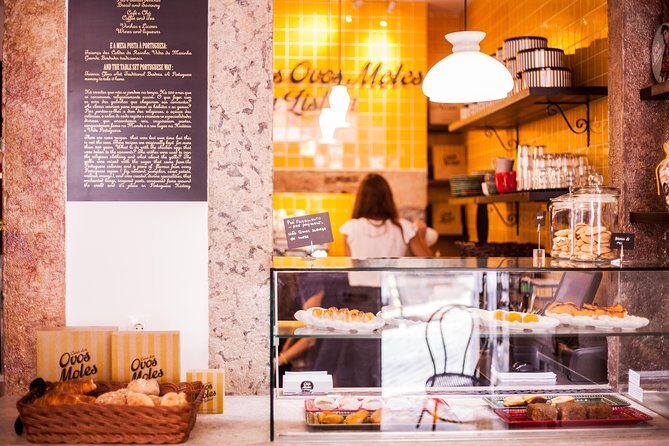
- A real shop setting: the class happens at Casa dos Ovos Moles (an established Lisbon pastry shop).
- Hands-on tarts, not just watching: you’ll work through dough and filling techniques from scratch.
- Included tastings with your work: expect Port wine and ginja liquor, plus drinks and coffee/tea.
- English instruction: the experience is offered in English.
- Family friendly from age 12: good for teen travelers who want to cook, not just eat.
Casa dos Ovos Moles: where the Pastel de Nata work happens
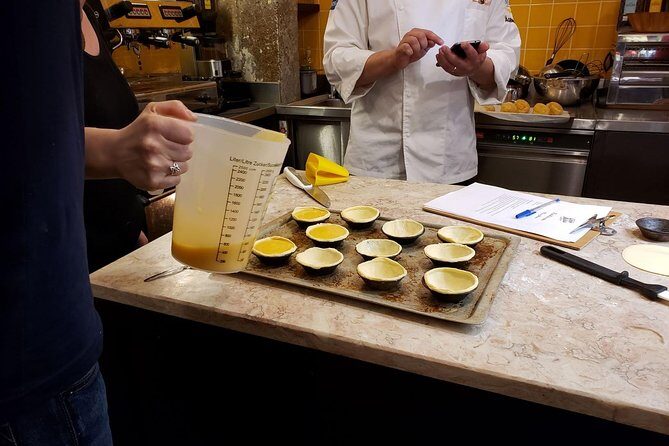
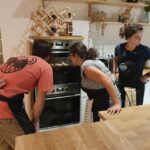
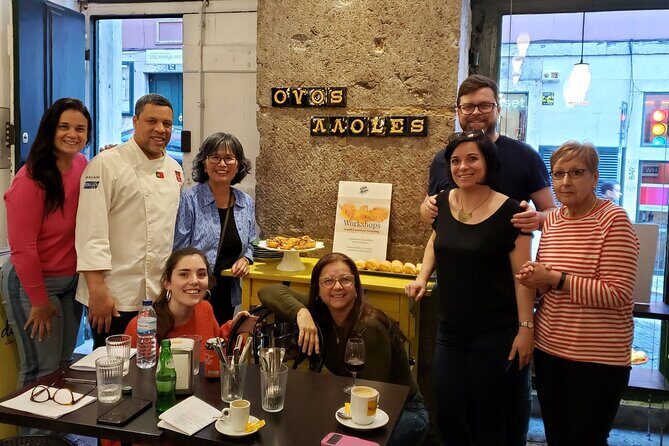
This class is anchored in a real Lisbon pastry shop atmosphere. You’re not in a kitchen studio. You’re in Casa dos Ovos Moles, which helps the whole thing feel grounded in everyday craft instead of a staged demo.
I like this kind of setup because it usually means the instructor teaches like a baker would: step-by-step, with attention to the details that keep pastry from going sideways. The reviews also point to a warm, welcoming vibe. Filipa is described as friendly, patient, and even funny, which matters when you’re trying something that looks easy on TV but isn’t.
There’s another practical upside: the meeting spot is in a very walkable tourist area. Your start is Calçada do Sacramento 25, and one review notes it’s near a castle, so you can often tack on sight time before or after your class.
You can also read our reviews of more cooking classes in Lisbon

The 1 hour 30 minute format and small-group pace
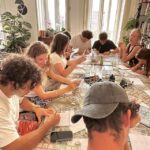
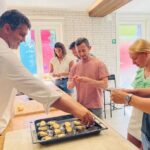
The class runs about 90 minutes, and it’s designed for a maximum of 6 people. That small group number changes the whole experience. You’re not waiting your turn for guidance. You’re more likely to get quick feedback while something is still fresh and workable.
In a hands-on baking class, tempo is everything. Too slow and you lose focus. Too fast and you miss key technique points. This one seems to hit the sweet spot because everyone gets to take part, but it still runs as a group activity.
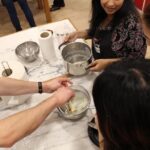
One helpful detail from the way the class is described: even though you’re making Pastel de Nata from scratch, it’s more of a team process than a solo, step-by-step production line. You’ll do parts of the work, and you’ll likely rotate through different tasks. That’s a good thing if you want to learn multiple techniques rather than only one role.
What you learn while making Pastel de Nata from scratch
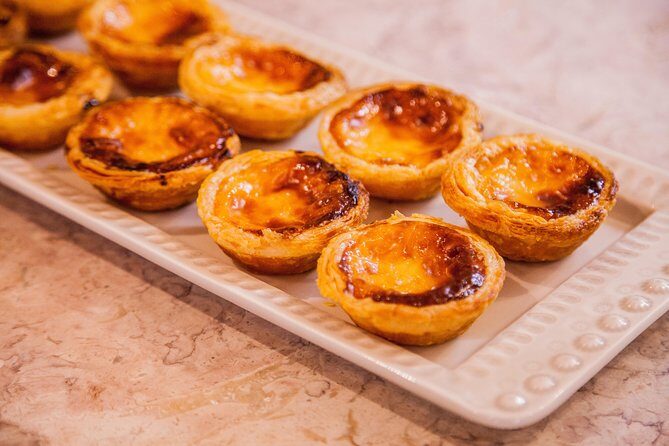
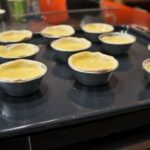
The headline is making Pastel de Nata, and the key word here is from scratch. You’re learning dough technique and the pastry-making process with guidance from Filipa.
From the descriptions and reviews, here’s what the learning tends to center on:
- Dough handling skills (including careful movement so it doesn’t break)
- Making the filling (not using a pre-made mix)
- Putting everything together as part of the pastry assembly process
- Learning the process steps while you cook, including the history of the tarts along the way
That last part is smart. Pastel de Nata isn’t just a dessert; it has cultural weight, and the class weaves that story in while you’re busy with your hands. You end up with context for what you’re making, which is often what makes food classes stick in your memory.
Also, don’t expect a class where one person does everything and you watch. The feedback you have points to thorough instruction and corrections. Filipa’s teaching style is described as detailed and supportive—correcting mistakes without making anyone feel bad.
If you’re doing this with a kid or a teen, that matters. One review specifically mentions that the instructor adjusted her approach so participants who weren’t typical adult bakers could still stay engaged and learn effectively.
The tasting part: port and ginja with your Pastel de Nata
Let’s talk about the drinks, because they’re part of why this feels like a Lisbon evening rather than a random cooking session.
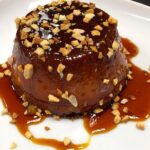
The class includes a starter where you’ll have Pastel de Nata served with Porto Wine and Ginja Liquor. Then your dessert course includes wine, an aperitif, coffee, tea, and water. In other words: you’re not only working—you’re also tasting what you’re learning to make.
This matters for two reasons:
- You get feedback through flavor. As you cook, you’re already seeing what the finished result should feel like.
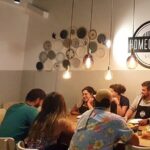
- It turns the class into a social break. Even if the kitchen work gets technical, the wine tasting vibe makes it easier to relax, ask questions, and chat with the group.
One review also highlights that the instructor provides recommendations for dinner afterward. That’s not guaranteed for every class, but it’s a good sign: the teaching seems to come with real local instincts, not just recipes.
How the class feels in practice: technique, laughter, and corrections
The best cooking classes feel like a balance of control and encouragement. Here, Filipa comes across as both.
The reviews mention:
- Minute technique details (so you know what to do and why)
- Corrections that are patient, not harsh
- A class atmosphere with laughter and interaction
- A clear sense that the finished pastries are the goal, so the teaching stays practical
There’s also a detail worth filing away: one review names Beatrix as a helper alongside Filipa. If Beatrix is part of your session, you can expect extra support during the steps that need hands-on attention.
One more practical note: even if you’re an experienced cook, you’ll probably be surprised by how much work and hand skill goes into the pastries. Pastel de Nata looks approachable, but dough handling and assembly take coordination. That’s exactly why this kind of class is worth it. You learn where effort really goes.
You can also read our reviews of more tours and experiences in Lisbon

Price and value: is $99.72 worth it?
At $99.72 per person, this isn’t a budget workshop. So you should ask: what’s the value beyond the final pastry?
Here’s what you get that justifies the price based on the experience details:
- Hands-on instruction from Filipa, in a small group (max 6)
- Making the components from scratch, including dough and filling
- History context while you cook, so the experience connects to the culture
- Port wine and ginja liquor as part of the starter
- Additional drinks and beverages (wine, aperitif, coffee, tea, water)
- A real shop experience at Casa dos Ovos Moles in central Lisbon
- English-language teaching, so you’re not stuck guessing
If you compare this to doing a quick dessert crawl, the cost still feels high. But if your goal is to learn a technique you can actually repeat, this is closer to a skill-based class than a tasting event. Several reviews explicitly call out how detailed the instruction is and that the results were delicious.
Also, you’re paying for time with a craftsperson. In a class this small, you’re more likely to get real feedback—especially during the tricky parts where dough can break or filling can go wrong. That’s the difference between just eating pastel de nata and learning how it’s made.
Who this Lisbon Pastel de Nata class suits best
This experience fits best if you fall into one of these buckets:
- You love Lisbon food and want something interactive, not just a meal
- You want to learn pastry basics that require hands-on practice
- You’re traveling with a teen (this is suitable for kids 12+)
- You prefer small-group classes where the instructor can correct you
- You enjoy pairing baking with wine tasting and don’t mind a slightly social format
It might not be the best choice if you’re looking for a super-short, low-effort activity. This is cooking. You’ll be engaged. That’s the point.
If you have food restrictions, you’ll need to communicate them. The experience info says guests should let the organizers know about allergies or special diets. Do that early so the host can guide you appropriately.
Planning tips: timing, transport, and what to do before/after
Your class begins at 3:00 pm. With an end time back at the same meeting point, you can plan a simple half-day loop: arrive early, take a little walk around the area, and then focus on the class.
The meeting point is near public transportation, which helps in Lisbon where you often move by tram, metro, or bus. Keep your travel days flexible. This is one of those activities where being late can throw off the pacing for the whole group.
For the rest of the day, the class experience is the anchor. One review mentions getting dinner recommendations from Filipa, and that’s exactly what you want in Lisbon: food intel you can actually act on right away.
Should you book this Pastel de Nata cooking class?
I think you should book it if you want to learn the real process behind a Portuguese classic, not just buy one more pastry in a shop window. The combination of small-group teaching, from-scratch technique, and tastings with Port and ginja makes it feel like a complete experience for the price.
You might skip it if you want a hands-off food activity, or if you’re not comfortable with the idea that dough work takes focus. But if you’re willing to work for your dessert, this class is the kind of Lisbon afternoon you’ll remember—because you’ll know how the pastry got there.
FAQ
How long is the Pastel de Nata cooking class?
The class lasts about 1 hour 30 minutes.
Where does the class meet in Lisbon?
You’ll meet at Calçada do Sacramento 25, 1200-393 Lisboa, Portugal.
What time does the class start?
The start time is 3:00 pm.
Is the class offered in English?
Yes, it’s offered in English.
How big is the group?
The experience has a maximum of 6 travelers, so it stays small.
Is this class suitable for kids?
It’s suitable for children age 12 and older.
What is included to eat and drink?
You’ll have Pastel de Nata with Porto Wine and Ginja Liquor as a starter, plus wine, an aperitif, coffee, tea, and water.
Do I need to tell the host about dietary restrictions?
Yes. Guests need to communicate any food restrictions, including allergies or special diets.
Will I return to the same place at the end?
Yes. The activity ends back at the meeting point.
What’s the cancellation refund rule?
There is free cancellation. You can cancel up to 24 hours in advance for a full refund.
If you want, tell me your travel dates and whether you’re cooking solo or with a teen/kid, and I’ll help you decide if the 3:00 pm slot fits your Lisbon plan.