
REVIEW · LISBON
Lisbon Surf Guide – Surf class & Pick Up
Book on GetYourGuide →Operated by Lisbon Surf Guide · Bookable on GetYourGuide
Learning to surf is way easier than it sounds.
This Lisbon Surf Guide experience gets you from the city to the ocean with van pickup and small-group coaching, then puts you in the water for real wave time. You’ll surf near Lisbon with a coach who teaches technique and also explains how surf culture works in Portugal.
I love how practical the instruction is. Inês (and her team) give quick, clear feedback so you can adjust your stance and timing right there, instead of just hoping it clicks. I also like that you’re not stuck in a giant group tour setup; the class is designed for personal, hands-on guidance.
One thing to consider: this is a weather-and-sea dependent activity, so your exact beach spot can shift between areas like Lisbon, Cascais, and Costa da Caparica.
In This Review
- Key Things You’ll Notice Fast
- Van Pickup to Real Surf Time: How the Lesson Works
- Lisbon Pickup: Convenient Start, Local Driver Energy
- Beach Setup: Wetsuit, Safety, and Warm-Up That Actually Helps
- Where You Surf: Lisbon, Cascais, or Costa da Caparica
- The 1.5 Hours of Surfing: Technique + Wave Time
- Small Groups, Real Coaching: Why the Class Size Matters
- Portuguese Surf Culture Lessons You’ll Actually Remember
- What to Bring (So You’re Not Racing the Clock)
- Price and Value: Is $58 a Good Deal in Lisbon?
- Who This Surf Class Fits Best
- Practical Downsides to Know Up Front
- Should You Book This Lisbon Surf Lesson?
- FAQ
- Where do I meet for the Lisbon Surf Guide pickup?
- How many people are in the surf class?
- What surf gear is included?
- Do I need to be an experienced surfer?
- How long will I be out and how much time is spent surfing?
- What should I bring to the beach?
- What happens if the weather or sea conditions aren’t good?
Key Things You’ll Notice Fast
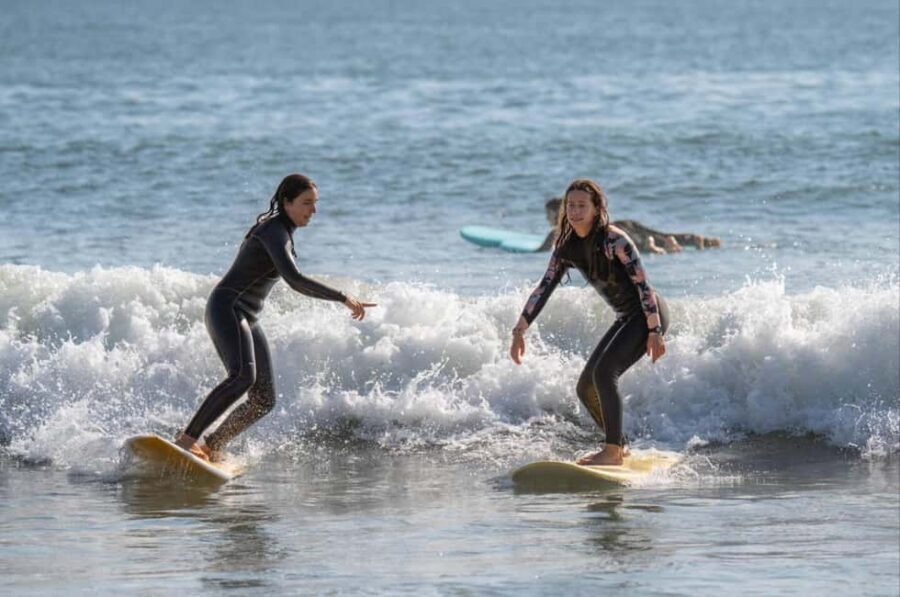
- Small group size: max 8 participants, with a coaching ratio that keeps attention on each person
- In-water time focused on learning: about 1.5 hours surfing after wetsuits and warm-ups
- You get the whole setup: board, wetsuit, safety briefing, and insurance included
- Local surf culture lessons: you learn the Portuguese surf mindset along with technique
- Flexible surf spot choice: you ride to where the conditions make sense that day
- Built-in support for first-timers: you’re guided to safer spots and taught how to stay on the right side
Van Pickup to Real Surf Time: How the Lesson Works
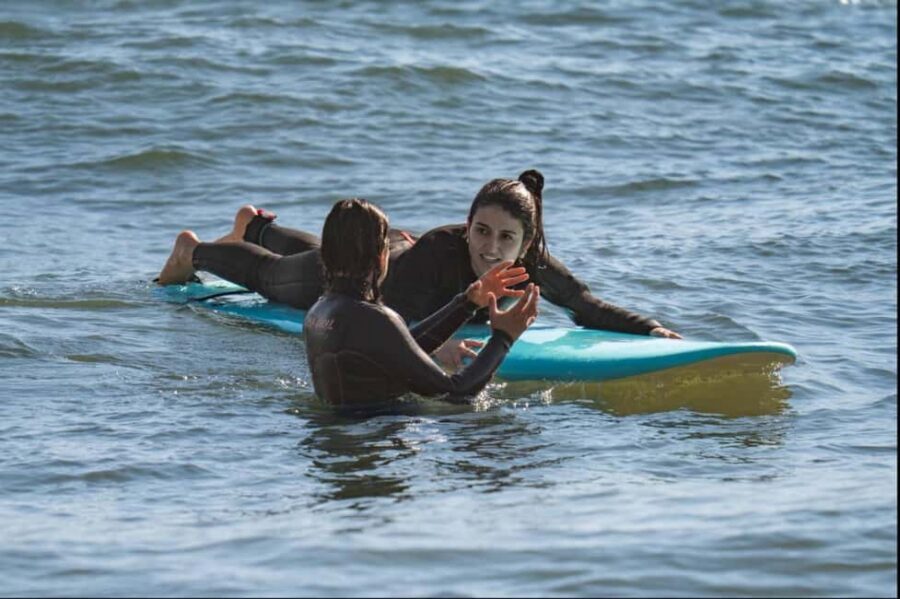
The biggest reason this works is simple: you start in Lisbon, then you get transported straight to the water where the waves are actually usable. The meeting point is easy to find: look for the van parked in front of the Titanic Sur Mer bar. From there, the plan is straightforward—get you to a surf spot and get you into your wetsuit.
The timing is also very readable. The full activity runs 3 hours, with about 30–45 minutes driving each way. Once you arrive, you spend about 2 hours at the beach, including dressing for the cold, a short safety and equipment briefing, and warm-up. Then you get roughly 1.5 hours of pure surfing.
That math matters. A lot of surf lessons burn time with travel, long waits, or vague instruction. Here, the structure keeps the ocean time meaningful.
You can also read our reviews of more guided tours in Lisbon



Lisbon Pickup: Convenient Start, Local Driver Energy
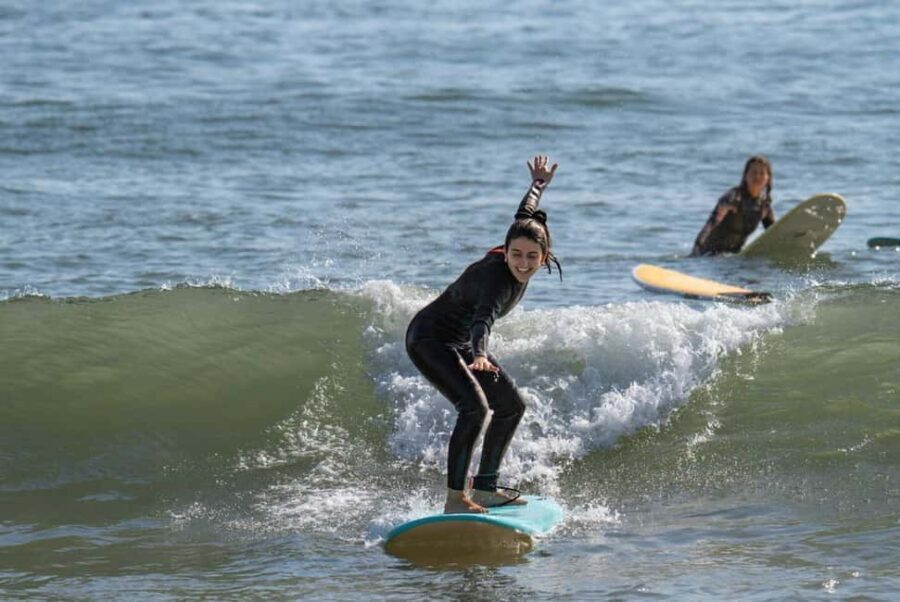
You don’t have to figure out public transport to a beach and then hunt for the right surf school. You just meet the van, get loaded up, and go. The pickup is from Lisbon city center, and multiple reviews highlight that communication is good and the pickup/drop-off feels smooth.
I also like the vibe: it’s run by someone who surfs locally. Inês is a local surfer and has been a professional surf coach since 2016. She’s also studied surf and performance at Lusófona University and holds Level I surf instructor certification and Level II surf coach certification via the National Surfing Federation. That background shows up in how calm and organized the session feels, especially when the group is mixed or brand new.
One practical note: the activity includes transportation, but the vehicle rules are clear. No food or drinks in the vehicle. If you need water, bring it for after the lesson, not for the ride.
Beach Setup: Wetsuit, Safety, and Warm-Up That Actually Helps
When you get to the beach, the first goal is comfort and safety. You’ll dress in wetsuits on-site, then get a short briefing covering equipment and surf safety. The warm-up isn’t just random stretching. Reviews mention coaching like how to stand up on the board, plus how to move and fall safely so you don’t panic when waves kick you around.
For a first-timer, that’s huge. A lot of people are nervous not because they lack confidence, but because they don’t know what to do when the ocean interrupts their plan. The coaching is designed to remove that guesswork early.
Also, you should know this is a nature setting. There may not always be a shower, though usually there is. And you’ll change clothes at the beach, so bring a towel. It’s a small thing, but it keeps the experience from turning into an awkward scramble in wet clothes.
Where You Surf: Lisbon, Cascais, or Costa da Caparica
Your surf spot isn’t fixed. Depending on sea conditions and weather, the lesson can happen around Lisbon, Cascais, or Costa da Caparica. You’ll drive about 30–45 minutes to the chosen area each way.
That flexibility is a benefit, not a trick. Surf conditions can change quickly along the coast. Choosing the best option for that day is how you maximize the chance you’ll actually catch waves instead of spending the session watching other people paddle out.
From a value standpoint, this makes the lesson more reliable. You’re paying for instruction plus access to surf conditions that fit your ability level. The format also supports learning progression: first-timers are directed to a safe surf spot, while more experienced surfers can work with the instructor on improvements.
The 1.5 Hours of Surfing: Technique + Wave Time
Here’s what you should expect when you hit the water. The lesson is designed for both beginners and people who want to improve. If it’s your first time, you’re guided to stay safe, including clear reminders about staying on the correct side and knowing where you are in relation to others in the water.
If you’ve surfed before, you’re not stuck repeating beginner drills. The coach works with you as you catch waves, offering specific tips meant to improve your technique and help you get more opportunities during the session.
Across the reviews, the consistent theme is hands-on coaching. People describe individualized feedback after you try. You get correction in the moment—things like what to adjust in your stance or how to time your pop-up.
And yes, the time in the water tends to feel generous. Many sessions end with people standing and catching waves sooner than they expected, because the instruction is focused on the practical steps that lead to success.
You can also read our reviews of more tours and experiences in Lisbon






Small Groups, Real Coaching: Why the Class Size Matters
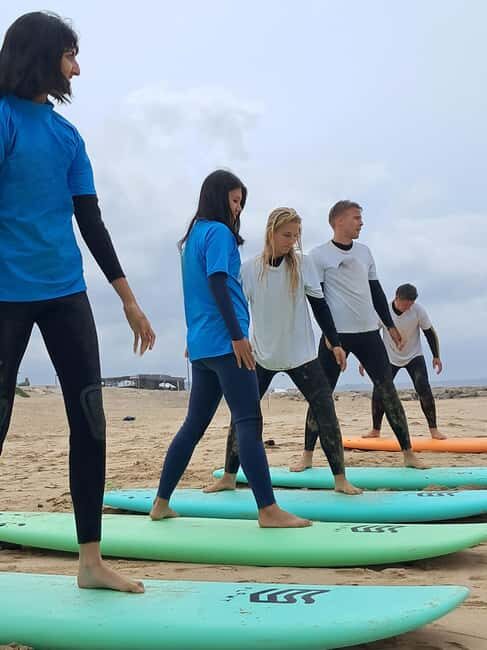
This lesson is built around a small group—max 8 participants—which changes the whole learning experience. With fewer people, the instructor can watch what you’re doing and respond fast, instead of giving one-size-fits-all advice.
Reviews repeatedly mention how patient Inês is and how she takes the time to help each person. Some reviews mention groups small enough that everyone got more direct feedback. Others mention mixed levels in the same class, and coaching that still felt tailored.
That’s the real value: you spend less time waiting for your turn and more time practicing. In surfing, reps are everything. More reps usually means faster improvement and a better mood.
Also, it’s not just the head instructor. Some reviews mention other staff stepping in (for example, Tomás helping in the water, and another guide supporting along the way). You’ll feel like the team is watching, not just supervising.
Portuguese Surf Culture Lessons You’ll Actually Remember
The lesson isn’t only physical. You also learn about Portuguese surf culture as part of how you learn to surf “like a local.”
What does that mean in real terms? It shows up in how the session is run—an emphasis on safety, awareness, and how surfers behave in the water. That kind of cultural coaching matters because it helps you understand the flow of a surf spot: where people position themselves, how to avoid collisions, and how to act responsibly in shared space.
Several reviews mention the good “vibe” and the way instructors explain surf culture while still keeping the focus on getting you standing and catching waves. It turns a standard activity into something you can talk about afterward, because you learned the why behind the rules, not just the rule itself.
What to Bring (So You’re Not Racing the Clock)
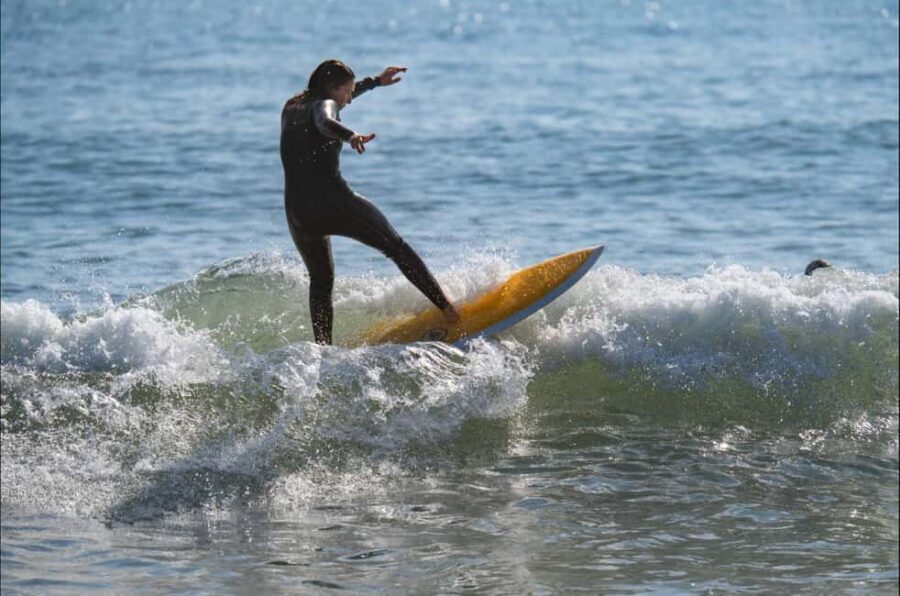
You’ll want to come prepared for a beach-based workout in a wetsuit. Based on the provided info, bring:
- Swimwear (you’ll wear it under the wetsuit)
- Towel
- Sunscreen
- Water
Plan for the fact that you’ll be at the beach for a couple hours before and after surfing. Also, bring good vibes. That sounds silly, but it matches what the instructors create: a supportive environment where you keep trying even when you fall. And you will fall. That’s normal. The coaching makes it less scary.
Price and Value: Is $58 a Good Deal in Lisbon?
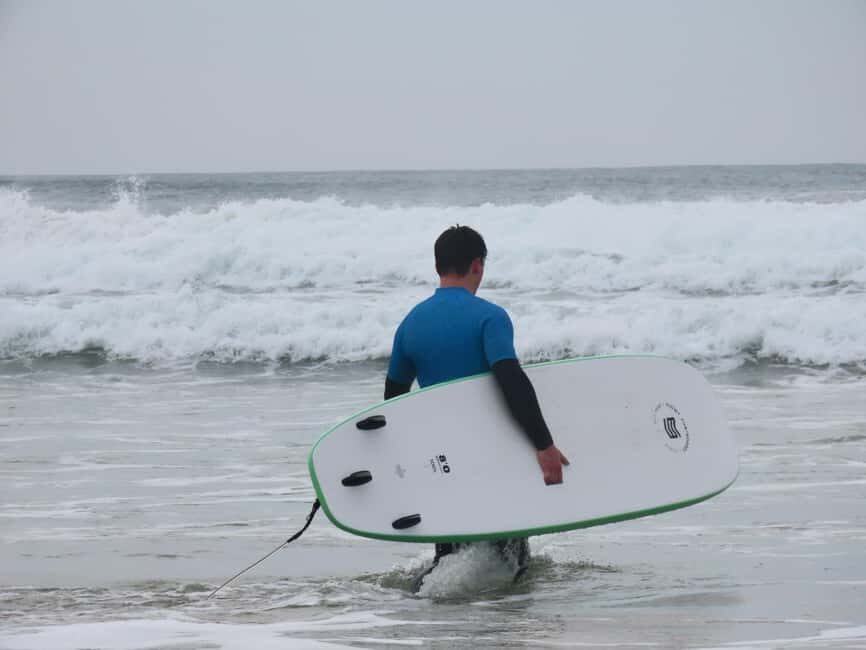
At $58 per person for a 3-hour experience, you’re not just paying for time in the water. You’re paying for:
- Pickup and drop-off
- Transportation to the best local surf area that day
- Surf lesson with coaching
- Surf board and wetsuit
- Insurance included
If you compare that to the cost of renting equipment plus figuring out transport plus paying for instruction separately, it’s easy to see why this priced the way it is. Surf lessons near cities often cost similar or more once you add the “everything else.”
And because the coaching is designed around small-group attention, you’re getting a better learning-to-time ratio. The goal isn’t to get you to the ocean and leave. The goal is to get you practicing, correcting, and improving.
Who This Surf Class Fits Best
This is a strong choice if you want a mix of structure and fun.
It’s especially good for:
- First-time surfers who want guidance to a safe spot and clear instruction on what to do
- Intermediate surfers who want technique feedback and more efficient wave-catching
- People who prefer a small group over a crowded, rushed class
- Anyone staying in Lisbon center who doesn’t want the logistics headache
Some people might pause if they hate cold-water workouts. The ocean will be chilly enough that you’ll need a wetsuit, and it’s still a physical activity. But the session is taught at levels from beginner to advanced, and the coaching supports your pace.
Practical Downsides to Know Up Front
Let’s be honest about the trade-offs.
This is weather and sea condition dependent. Your spot may change between Lisbon, Cascais, or Costa da Caparica, and in some cases the start time can shift earlier or later. You’ll get a heads-up (the day before pick up time).
Also, it’s a beach-based nature activity. You might not always have a shower available, though usually you do. And you’ll change clothes at the beach. If that’s a deal-breaker for you, plan your day accordingly with extra privacy in mind.
Finally, it’s not a long “tour” experience. It’s a focused surf lesson. If you mainly want a city sightseeing day, this won’t be that.
Should You Book This Lisbon Surf Lesson?
Yes, if your priority is learning to surf with real coaching and you want logistics taken care of. The combination of van pickup, included gear, insurance, and a session that aims for about 1.5 hours of surfing makes this feel like a practical surf day, not a rushed gimmick.
I’d book it sooner if:
- You’re a first-timer and want someone like Inês (patient, supportive, and trained since 2016) to set you up for success.
- You want a small-group setup where you’ll actually get individualized feedback.
- You’d like to pair your Lisbon trip with a coastal surf culture experience that feels authentically Portuguese.
If you’re extremely weather-sensitive or you hate being outside in wind and salt, then you might choose a backup plan. But for most visitors, this is one of the most efficient and coach-driven ways to get on a board near Lisbon.
FAQ
Where do I meet for the Lisbon Surf Guide pickup?
Meet the van parked in front of the Titanic Sur Mer bar.
How many people are in the surf class?
The group is small, limited to a maximum of 8 participants.
What surf gear is included?
You get a surfboard and a wetsuit, plus a safety briefing and an instructor-led lesson.
Do I need to be an experienced surfer?
No. The lesson is taught from beginner to advanced levels, and first-time surfers are guided to a safe surf spot.
How long will I be out and how much time is spent surfing?
The full experience lasts about 3 hours. At the beach, you’ll spend around 2 hours total, including warm-up, and you get about 1.5 hours of surfing.
What should I bring to the beach?
Bring swimwear, a towel, sunscreen, and water.
What happens if the weather or sea conditions aren’t good?
The activity depends on weather and sea conditions, and your surf area may change depending on what’s safest and best that day. The operator will inform you one day before pickup time if the start shifts.