REVIEW · LISBON
Lisbon: Dolphin Watching with Marine Biologist
Book on GetYourGuide →Operated by SeaEO - Tours · Bookable on GetYourGuide
Dolphins off Lisbon can feel shockingly close. I love the marine biologist-led approach and the chance to scan for dolphins from a small, fast boat—so you spend less time stuck and more time looking. The route also treats you to serious Lisbon coastal scenery, including the Bugio Lighthouse area, as you cruise. The main drawback: sightings aren’t guaranteed with wild animals, and if the sea is rough, the ride can get bumpy.
This tour is built for people who want the real deal—learning how cetaceans live, and watching them without treating them like an amusement park. On past departures, guides like Bart, and teams like Sid and Lunor, focus on behavior and safety so you feel confident on the water. Still, it’s not for everyone: the boat is small, and it’s not suitable for young kids (under 5), wheelchair users, or anyone with severe back problems.
In This Review
- Key highlights I think you’ll care about
- Dolphin watching from Lisbon on a small RIB: why it’s worth the effort
- Finding SeaEO Tours at Doca de Santo Amaro without stress
- The first briefing on the water: safety and what the marine biologist actually does
- Out toward the dolphin search zone: how the 3 hours really plays out
- Fort of São Lourenço do Bugio and the Bugio Lighthouse views
- Cascais waters: more chances to spot wildlife (including sharks)
- Belém from the river: the Discoveries area, Jerónimos, and Tower of Belém
- The $76 price: why it can feel like good value
- What to bring (and what to skip) for a smooth ride
- Who this tour suits best (and who should think twice)
- Should you book this dolphin-watching tour?
- FAQ
- How long is the dolphin watching tour?
- Where do I meet the tour?
- Are dolphin sightings guaranteed?
- What should I bring for the ride?
- What other animals might I see besides dolphins?
- Who is this tour not suitable for?
Key highlights I think you’ll care about
- Marine biologist on board who explains what you’re seeing and why it matters
- Small-boat feel on a fast RIB, built to reach wildlife quickly
- Wildlife viewing with distance rules (the goal is not to disturb dolphins)
- Coast + history from the water, including Belém landmarks and the Discoveries area
- Jacket time: it can cool off on the open Atlantic even when Lisbon feels warm
Dolphin watching from Lisbon on a small RIB: why it’s worth the effort
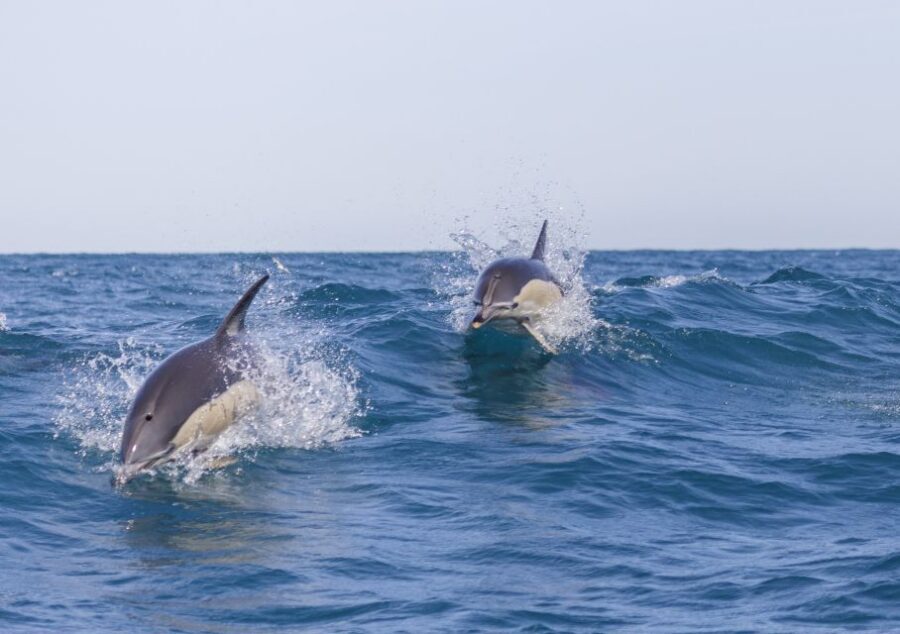
Lisbon sits where river water meets the Atlantic, and that mix helps pull in marine life. What I like about this tour style is that you’re not just cruising for the photo—you’re out there doing real wildlife searching, with an expert on board. On a clear afternoon, the coast views are gorgeous, and when you spot dolphins, the whole mood flips to excited-quiet.
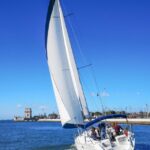
You also get a speedboat experience that feels fun without feeling chaotic. You’re on a rigid inflatable boat (a RIB), so it’s fast and maneuverable, which helps the crew reach sightings quicker and spend more of your 3 hours looking rather than waiting.
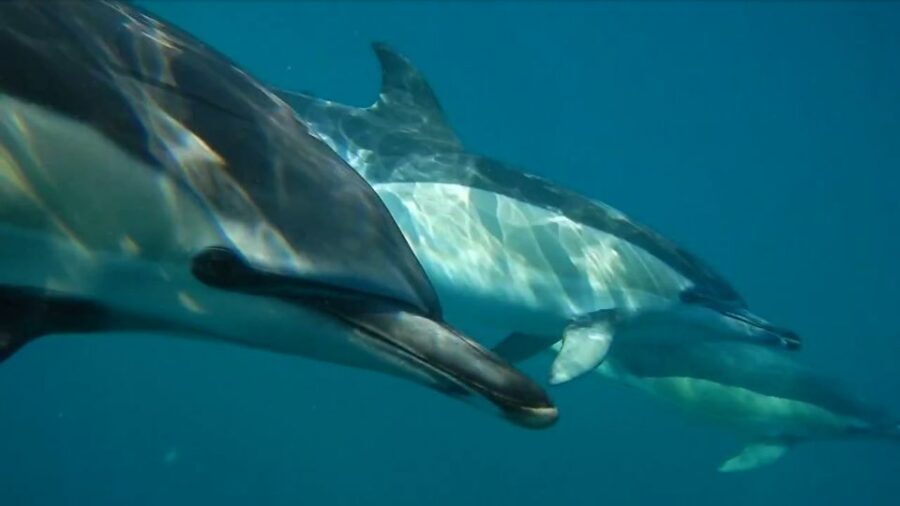
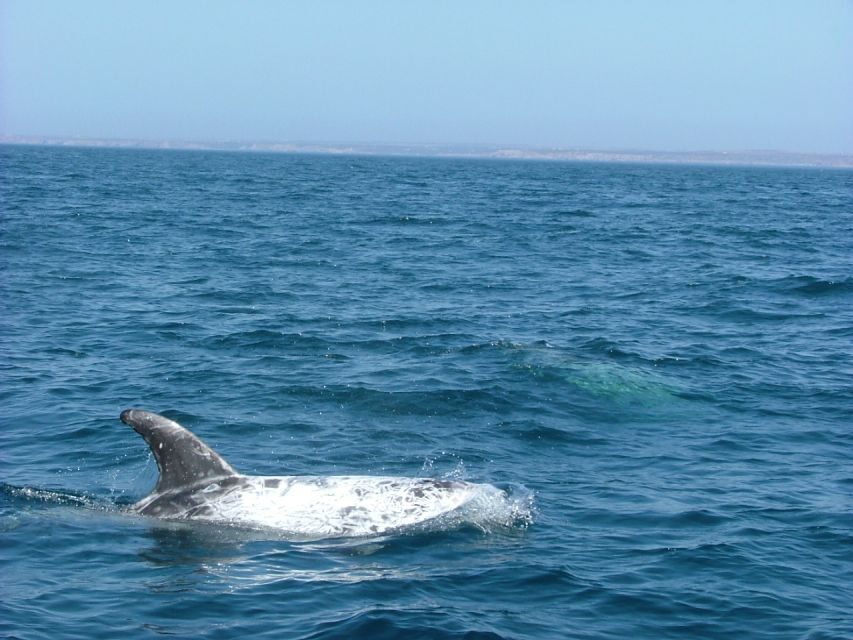
The big “real world” thing to know up front: dolphins are wild. The local partner reports a 97% chance of dolphin sightings on the tour, but you can still have a day when they don’t show up where you’re looking. Even then, you’re typically out in prime waters with seabirds and other marine life opportunities.
You can also read our reviews of more dolphin watching tours in Lisbon
Finding SeaEO Tours at Doca de Santo Amaro without stress
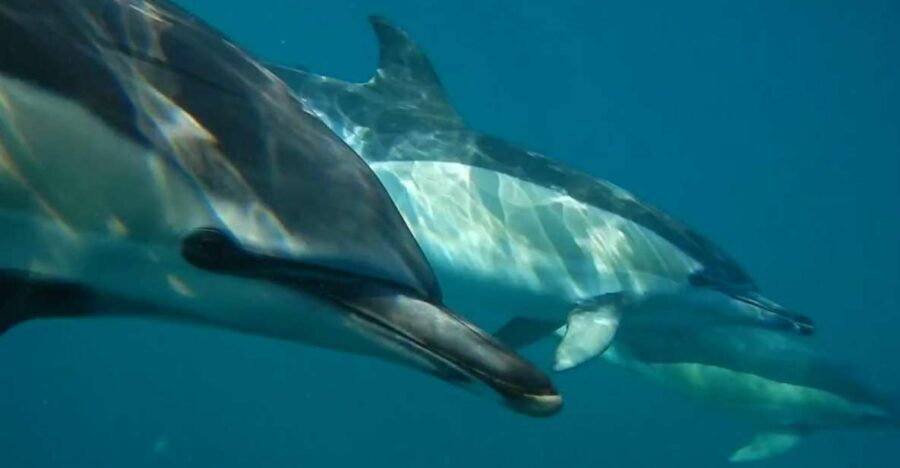
The meeting point is in central Lisbon, at SeaEO Tours – Sea & Estuary Odyssey in Doca de Santo Amaro, Gate 3. The easiest reference is the dock under the big red bridge, with the Alcântara riverside area just in front of you.
If you’re using public transport (and most visitors do), give yourself extra time to walk to the dock and get settled before the briefing. This is one of those tours where being early makes the whole experience smoother—lifejackets, positioning, and questions all go faster when you’re not rushing.
What helps: bring what you need for the ride right away—camera, sunscreen, and especially a jacket. Even on sunny days, wind + open water can cool you quickly. Several guides and crews are used to keeping an eye on passenger comfort, but your best defense is dressing like you plan to be outside for a while.
The first briefing on the water: safety and what the marine biologist actually does
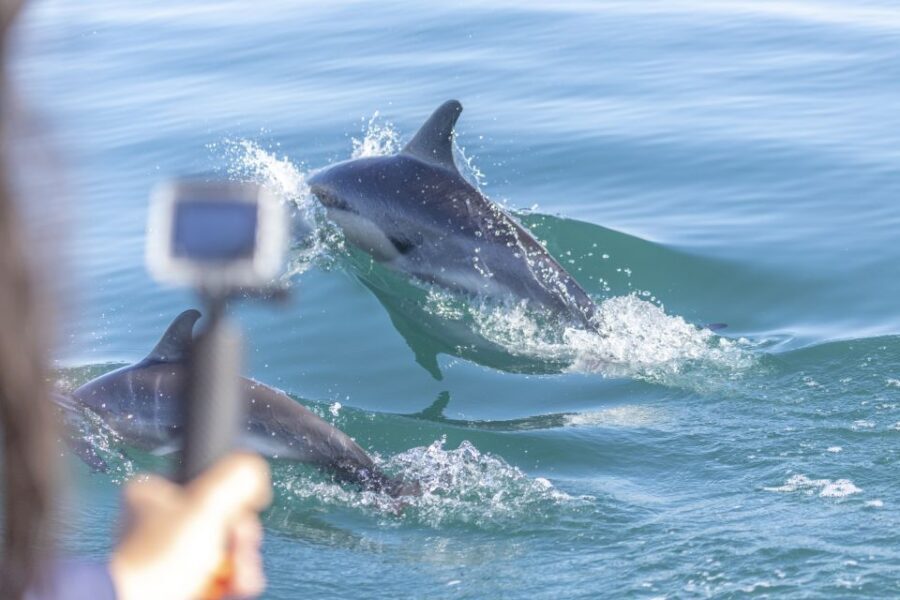
Before you head out, you’ll get a safety briefing and then a proper debrief at the end. That matters on a small fast boat. You want clear rules about movement, where to stand, and how to handle choppy moments.
Then the marine biologist (plus the crew) shifts into spotting mode. You’ll learn how to interpret behavior—what different dolphin actions can mean—and how seabirds fit into the bigger picture of where food is moving. It’s not just facts on a screen. It’s real-time explanation while you’re out there scanning.
On some departures, guides also handle multiple languages (Portuguese, English, French, Italian, Spanish). Past groups have praised how the explanation stays engaging, not like a lecture. If you’re the type who likes to ask questions, this is one of the tours where you’ll actually get answers.
Practical tip: if you’re prone to seasickness, the tour guidance is to eat a good breakfast without milk, cream, or yogurt. You’ll still be on open water, so it’s smart to take precautions rather than hope for the best.
Out toward the dolphin search zone: how the 3 hours really plays out
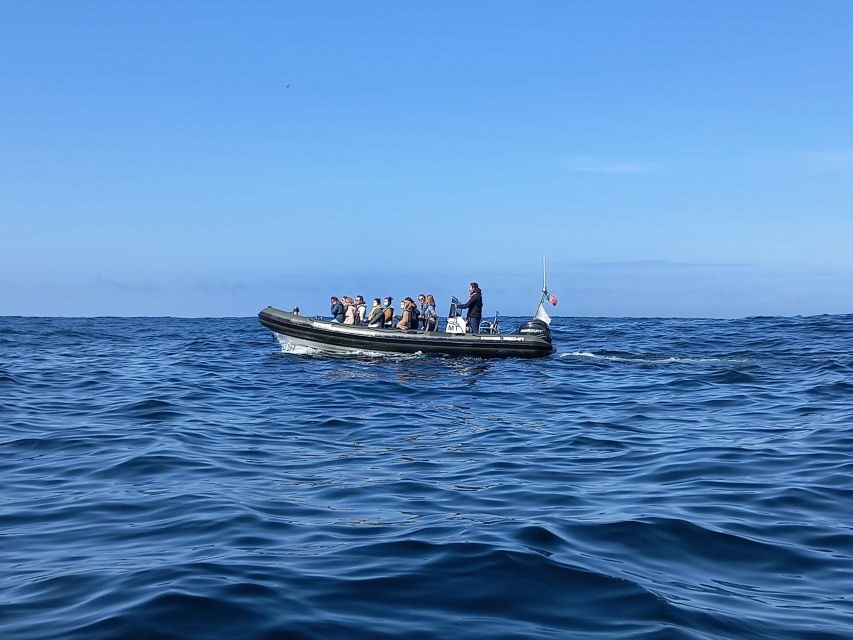
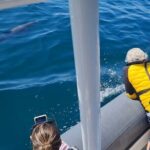
Once you’re on the water, the goal is simple: find dolphins, then watch them with care. The crew monitors conditions so you can enjoy the ride, and the biologist helps interpret what you’re seeing as you scan.
A key detail I like: the experience is designed to keep you close to wildlife without turning it into a chase. Dolphins often come nearer out of curiosity, but the boat’s behavior is meant to protect the animals’ space. That’s why many people describe the vibe as respectful and low-stress compared with bigger operations.
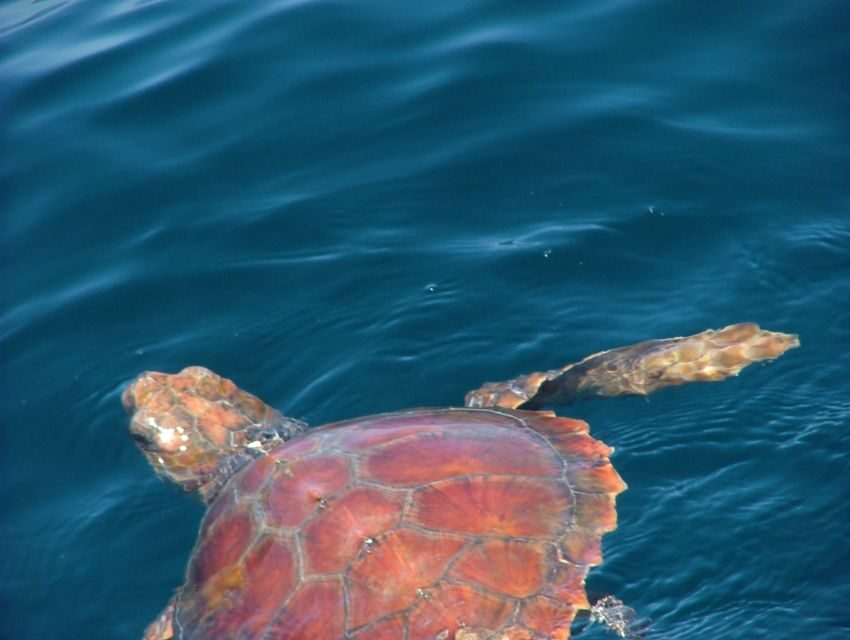
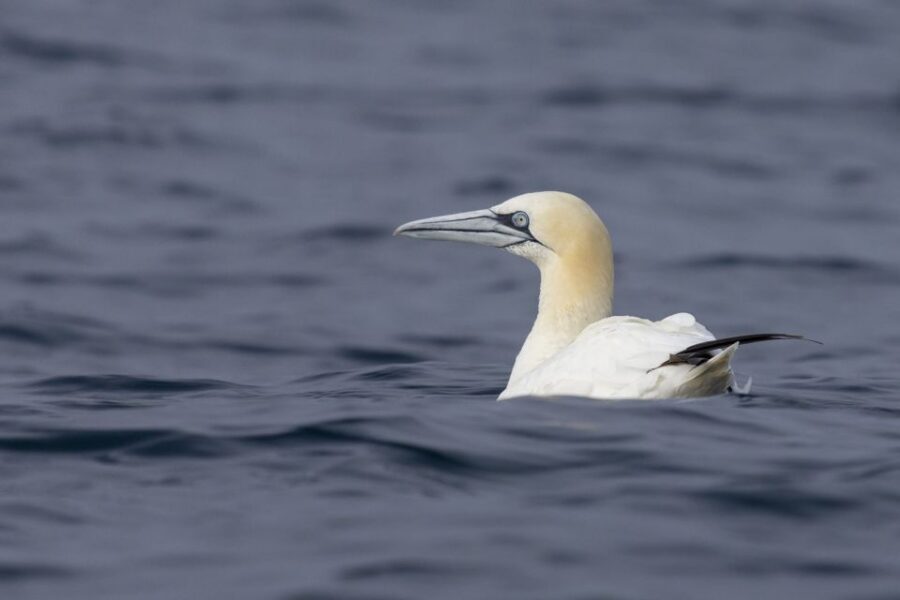
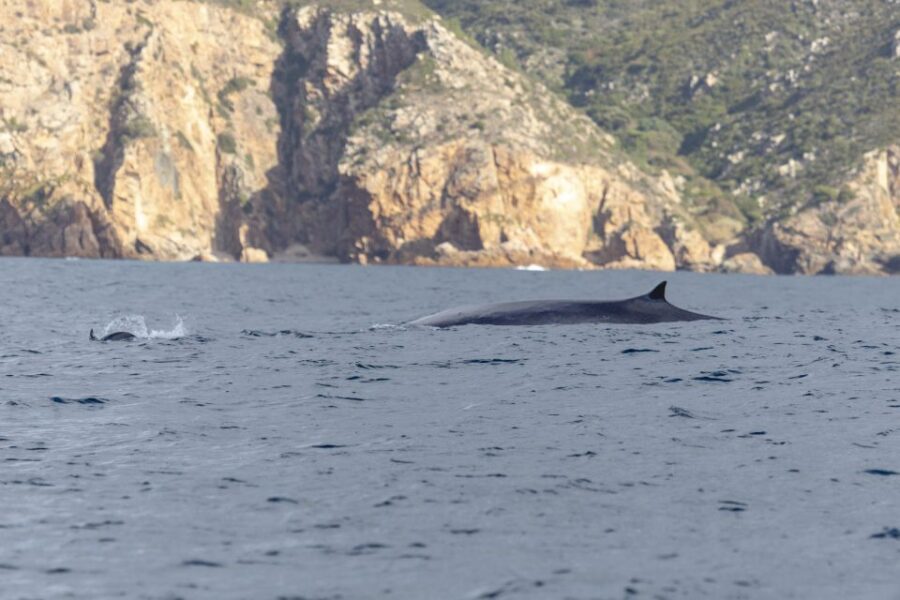
You should also expect the possibility of other marine species. In the tour description, you might see sea fish, sharks, jellyfish, and even sea turtles—plus seabirds. In real-world sightings shared by participants, you’ll also find reports of sunfish and additional dolphin groups beyond just one encounter. The ocean doesn’t follow a script, but the planning clearly does a good job of giving you multiple “things to look for,” not just one long dolphin wait.
If the sea turns choppy, you may feel the ride more than on a large cruise boat. People with sensitive backs should take that seriously. This is one reason you’ll see reminders to wear comfortable, grippy shoes and bring a jacket.
Fort of São Lourenço do Bugio and the Bugio Lighthouse views
One of the coolest parts of the route is the scenery around the Fort of São Lourenço do Bugio and the broader Bugio Lighthouse area. Even when your main goal is dolphins, this stretch adds something extra: you’re moving along the coast with Lisbon’s maritime feel right under you.
As you cruise, you’ll get that “from the water” perspective that you can’t really replicate from land. You see the coastline’s curve and depth, and you get a better sense of how the city relates to the sea.
This is also where the tour’s pacing makes sense. You’re not just blasting out and then waiting. You’re moving through a route where scanning is happening while the coastline and lighthouse landmarks are part of the story. It makes the ride feel like a guided sea outing, not a single-purpose hunt.



Cascais waters: more chances to spot wildlife (including sharks)
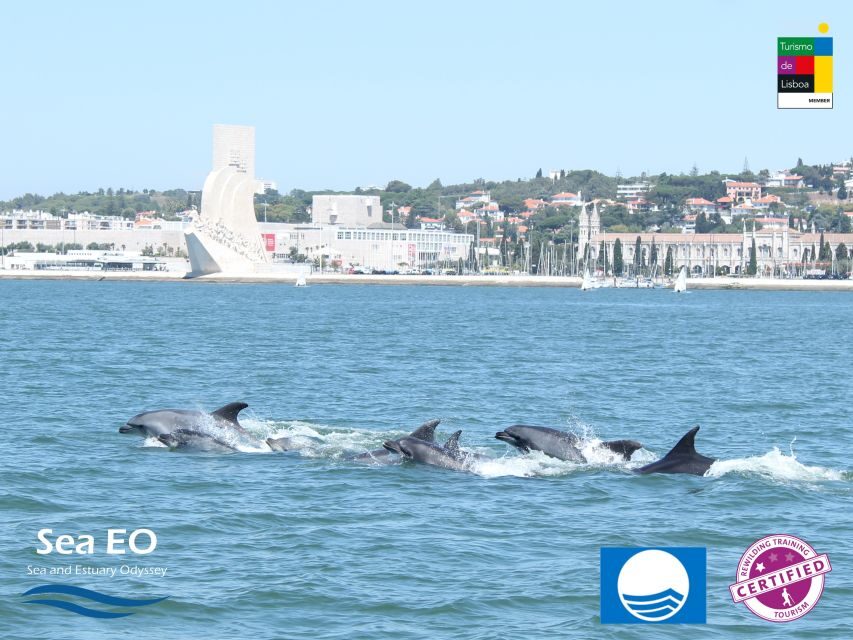
After the Bugio/Lighthouse area, the tour continues toward the Cascais side of the coast. The description includes wildlife viewing that can include dolphin sightings again, plus the possibility of shark viewing.
Even if you don’t spot sharks, this section is valuable because it broadens the hunting area. Dolphins don’t always stay in one spot, and marine life often shows up where currents and food overlap. More time and more search zones generally improve your chances of a memorable mix of sightings.
This is also where you’ll appreciate the small-boat setup. With a RIB, the crew can reposition quickly and adjust to the best viewing conditions. That matters when the ocean shifts, because “good dolphin odds” can change fast.
Belém from the river: the Discoveries area, Jerónimos, and Tower of Belém
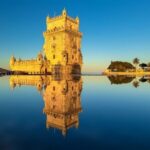
The return leg is where Lisbon history floats in as a bonus. On the way back, you’ll see major landmarks from the water, including the Monument to the Discoveries, Jerónimos Monastery, and Belém Tower.
From land, these sites can feel busy and stop-and-go. From the river, you get sweeping sightlines and the feeling that you’re traveling through Lisbon’s shoreline story. It’s a nice reminder that your boat outing isn’t just about wildlife—it’s also about seeing Lisbon’s coastline like a local would: from the water.
A practical note: even with sightseeing on the return, the crew still keeps an eye on conditions and wildlife. So keep your jacket on and your camera ready until the very end.
The $76 price: why it can feel like good value
At $76 per person for about 3 hours, the value comes from what’s bundled in. You’re paying for the marine biologist, the crew, lifejackets, insurance, fuel, and taxes—not just a bare-bones boat ride.
You’re also paying for speed and efficiency. That fast RIB matters because the coastline and offshore areas where dolphins show up aren’t always close or predictable. A tour that can move quickly and keep scanning improves your odds of a true dolphin moment.
And then there’s the respect factor. Many participants specifically loved the wildlife-friendly approach: distance rules, reduced disturbance, and the sense that the crew is focused on the animals’ well-being first. That kind of operational mindset costs money, even if you don’t see it on a menu.
What’s not included is food or water, so bring or buy what you need if you’ll want it. Also note: there’s no guarantee of dolphins—your ticket buys effort, expertise, and a serious chance, not a guaranteed animal show.
What to bring (and what to skip) for a smooth ride
For this kind of sea outing, you want to prioritize comfort and grip. Bring comfortable shoes, a camera, sunscreen, a jacket, and comfortable clothes.
Skip high-heeled shoes, and don’t plan to snack in a way that makes you spill or litter. The rules also include no smoking, no alcohol or drugs, and no feeding or touching marine life. If you’re the type who’s tempted to reach out for photos of seabirds or sea life, remember: the whole point is watching without interfering.
Also, keep an eye on the weather shift. Even when Lisbon feels warm, open water can feel cold fast. People strongly recommend bringing a jacket, and at least some departures provide wind protection for those who feel cold.
Who this tour suits best (and who should think twice)
This is a great fit if you want:
- Marine wildlife learning, not just looking from a distance
- A fast, fun boat rather than a slow ferry-style cruise
- A more low-crowd feel than big-deck sightseeing operations
- A hands-on approach where you can ask questions while you watch
It’s not a great fit if you:
- Need wheelchair access (it’s not suitable for wheelchair users)
- Have severe back problems or strong mobility limitations
- Are bringing kids under 5
- Are pregnant (not suitable)
Because the boat can be bumpy when conditions change, people with motion sensitivity should plan carefully. The guidance about breakfast without dairy is there for a reason.
Should you book this dolphin-watching tour?
If your main goal is dolphins and you’re okay with wild-animal uncertainty, I’d book it. The mix of marine biologist expertise, a small fast RIB, and the chance to see marine life plus classic Belém sights from the water makes it a high-impact use of your time in Lisbon.
I’d especially recommend it if you care about doing this respectfully—watching without driving the animals into stress—and if you like the idea of scanning for life with an expert onboard while Lisbon’s coastline slips by.
The decision comes down to one thing: comfort with small-boat conditions. If you can dress for wind and motion and you’re not expecting guaranteed dolphins no matter what, you’re in the right mindset for an experience that many people remember as the highlight of their Lisbon trip.
FAQ
How long is the dolphin watching tour?
It lasts about 3 hours.
Where do I meet the tour?
You meet at SeaEO Tours – Sea & Estuary Odyssey at Doca de Santo Amaro, Gate 3, under the big red bridge. The Alcântara neighborhood is in front of the riverside.
Are dolphin sightings guaranteed?
No. Dolphins are wild animals, so sightings can’t be guaranteed. The local partner reports a 97% chance of dolphin sightings on the tour.
What should I bring for the ride?
Bring comfortable shoes, a camera, sunscreen, a jacket, and comfortable clothes.
What other animals might I see besides dolphins?
You may see seabirds and other marine life such as sea fish, sharks, jellyfish, and even sea-turtles (other sightings can depend on conditions).
Who is this tour not suitable for?
It’s not suitable for children under 5, pregnant women, people with severe back problems, people with mobility impairments, or wheelchair users.