REVIEW · LISBON
Pasteis de Nata Baking Class from Lisbon
Book on Viator →Operated by Lisboa Food Studio · Bookable on Viator
Fresh Lisbon snacks, made by you.
This pastéis de nata baking class is a focused, fun way to get inside Portuguese food culture without spending your whole day chasing reservations. I like that it keeps things small (max 12 people) and offers morning or afternoon start times, so you can slot it around sightseeing.
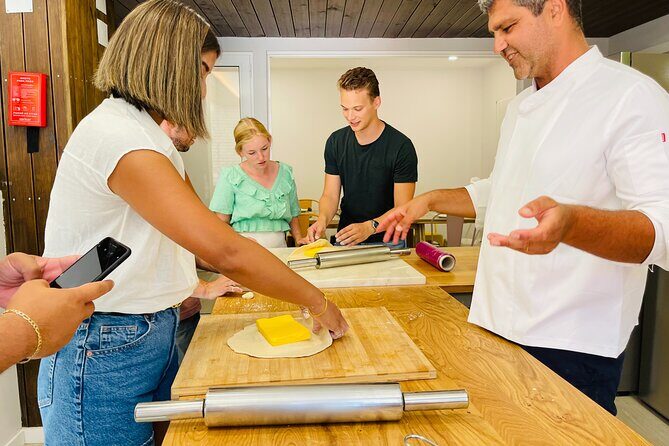
My favorite part is the hands-on teaching from chef Miguel. You work from scratch—flaky puff pastry plus custard filling—then eat the results hot from the oven. The only real drawback: it is only about 1 hour 30 minutes, so this is less about slow, full-on baking practice and more about getting the method down fast.
In This Review
- Key highlights worth knowing
- Where It Starts: R. da Junqueira and a calm beginning
- What You Actually Learn in 1 Hour 30
- Making the Dough and Building the Base
- The Custard Filling: Where the Flavor Shows Up
- Assembling and Oven Timing Like a Pro (Without Being One)
- The Best Break in the Middle: Drink + History Moment
- Tasting Your Results: Hot, Fresh, and Actually Yours
- How Much It Costs and What You Get for $78.64
- Who Should Book This Class in Lisbon
- Tips to Make Your Morning or Afternoon Slot Work
- Quick Practical Notes Before You Go
- Should You Book This Pastéis de Nata Class?
- FAQ
- How long is the pastéis de nata baking class?
- Where does the class meet in Lisbon?
- Is the class offered in English?
- How many people are in the class?
- Do I get a mobile ticket?
- Are there different start times?
- Is free cancellation available?
- What happens if the weather is poor?
- Is there a minimum number of travelers?
- Are service animals allowed?
Key highlights worth knowing

- Max 12 people: a small-group setup that keeps the class interactive.
- Hands-on from scratch: you make the pasteis, not just watch.
- Chef Miguel’s step-by-step style: clear, relaxed instruction with lots of patience.
- While the tarts bake: you pause for a drink and hear some history of the pastry.
- You eat what you make: warm, fresh pastéis de nata right at the end.
Where It Starts: R. da Junqueira and a calm beginning
The class meets at R. da Junqueira 200, 1300-346 Lisboa. It is a practical location for getting there without a huge hassle, and it is near public transportation. When you arrive, you’ll get settled and get your bearings fast, then you shift straight into cooking mode.
This start time matters. A morning slot can be a great way to kick off Lisbon with something concrete and delicious before the city swallows your schedule. An afternoon slot also works well because the class is short and centered on one goal: making pastéis de nata that actually turn out.
You can also read our reviews of more cooking classes in Lisbon


What You Actually Learn in 1 Hour 30
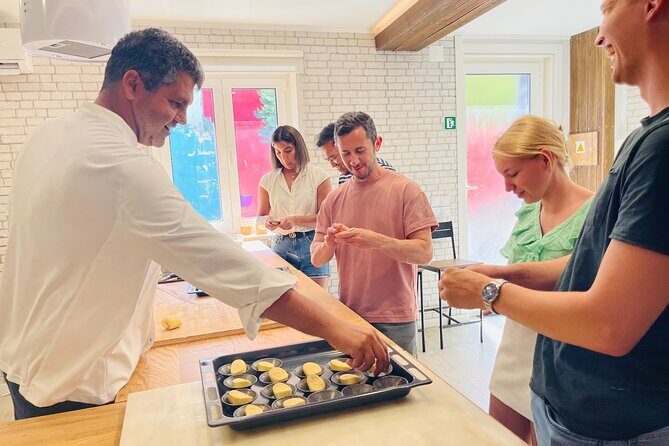
This is not a long, lecture-heavy class. Expect a tight timeline where you follow the chef’s instructions and build the tarts step-by-step. The session is built around making the pastry and custard from scratch, plus assembling and baking.
Because the time is limited, the chef’s role is to keep the process clear and the pace reasonable. That matters for value. If you are worried you need advanced pastry skills, you can relax: the class is designed so you can succeed even if you are not a confident home baker.
Also, the class is offered in English, which makes it easier to understand the why behind the steps. One of the best learning shortcuts is understanding what changes when you do something one way versus another, and the instruction here aims to explain that.
Making the Dough and Building the Base
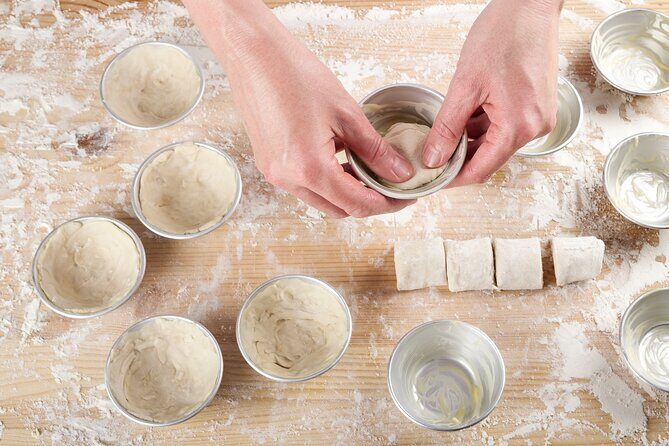
A good pasteis start with the right texture. You work with flaky puff pastry and learn how to handle it so it bakes up properly and supports the custard. Even if puff pastry feels intimidating, the class structure keeps it manageable: you follow along, you do the work, and you adjust when the chef points out what to watch for.
This is the stage where you get the most “now I get it” feeling. Puff pastry is all about layers and temperature, but you do not need a pastry textbook to understand the outcome you’re chasing. You just need to see how the dough behaves and get the timing right.
If it is raining or the weather is messy, you might want to arrive ready for the short walk-time between transit and the meeting point. The activity requires good weather, and if conditions are poor you’ll be offered a different date or a full refund.
The Custard Filling: Where the Flavor Shows Up
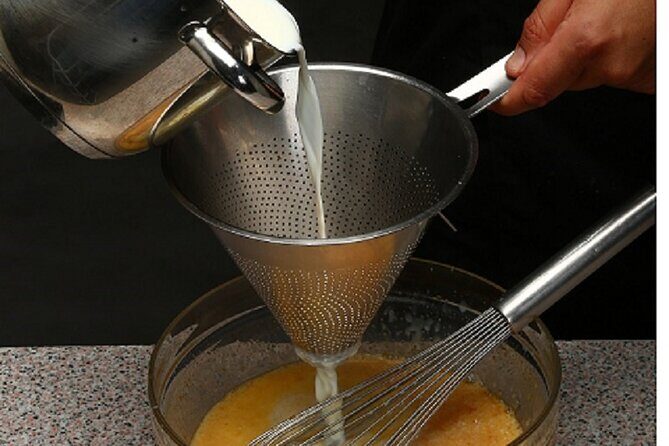
Once the base is handled, you turn to the custard. The class focuses on the custard filling that makes pasteis de nata what they are—creamy inside, set and lightly browned on top. You’ll follow instructions to prepare and portion it correctly, which is the kind of skill you can reuse later when you bake anything custard-based.
This part also teaches you a big lesson: baking is chemistry, but it is also common sense. If you pour too much, too little, or at the wrong consistency, the final tart changes fast. The chef’s job here is to keep you aligned with the right consistency and the right fill.
I like that the class does not hide this stage. You do the work, and you get to see how the custard transforms once it hits the heat.
Assembling and Oven Timing Like a Pro (Without Being One)
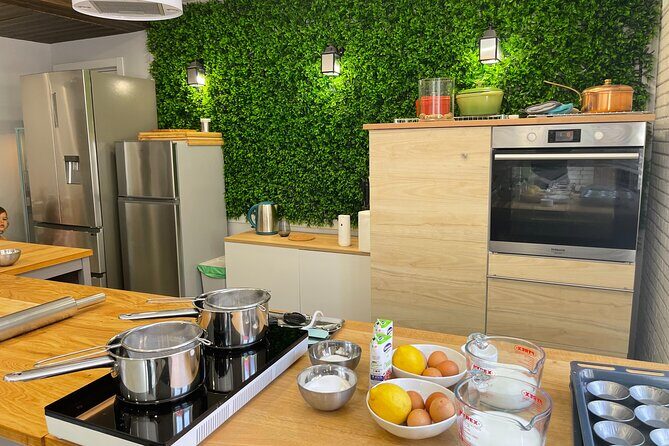
Assembly is where the final result gets “locked in.” You’ll put the pastry into place and add the custard so each tart bakes into a recognizable shape. This is also where you learn what the chef watches for, like how the pastry sits before baking and how full the tart should be.
Because this is a short class, you’ll want to stay focused during the transition from prep to assembly. If you drift, the oven schedule will come up quickly. The chef’s instruction style helps, though—clear step-by-step guidance, plus room to ask questions.
A smart move: keep your hands clean and your workspace organized. It sounds basic, but kitchen chaos can cost you time in a class like this, where you want to finish the process smoothly.
You can also read our reviews of more tours and experiences in Lisbon

The Best Break in the Middle: Drink + History Moment
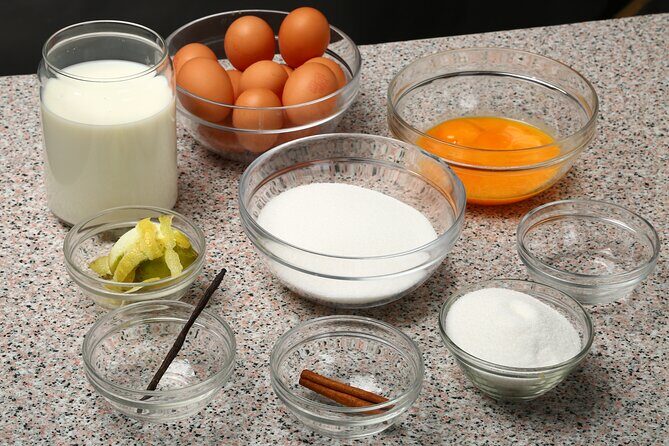
While the tarts bake, you get a breather. You’ll enjoy a drink and learn a little about the history of this Portuguese delicacy. It is a nice reset because it turns waiting time into a short cultural moment instead of dead air.
This is also where you get the social rhythm. You’re in a small group, so it is easy to talk casually without the class feeling like a big production. You can compare what you think went well in your first tart, and you can also ask the chef what to look for when the next batch goes in.
Tasting Your Results: Hot, Fresh, and Actually Yours
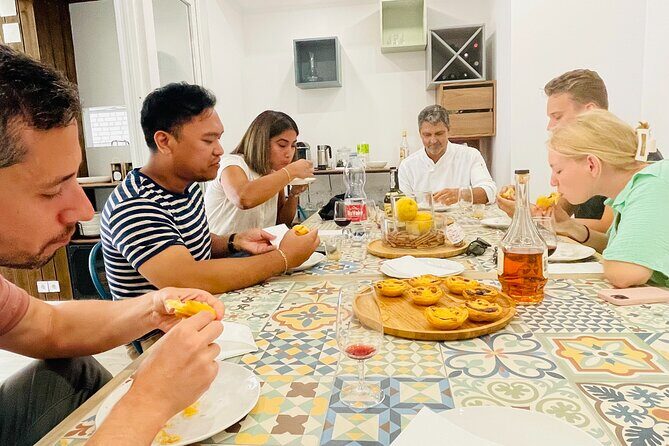
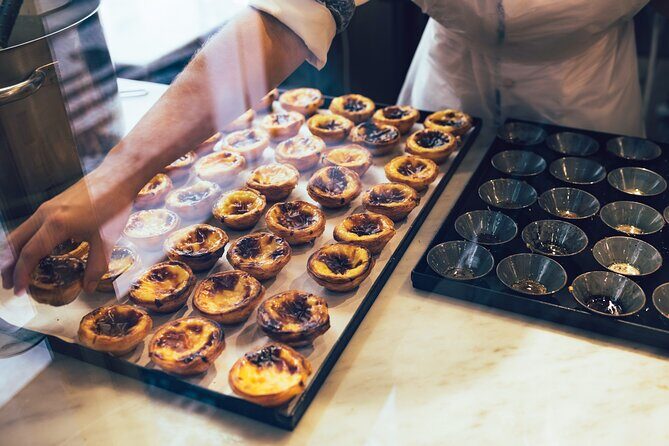
At the end, you feast on your creations once they’re cooked. This is one of the best parts of the experience, because you get immediate feedback. You can taste the custard set, the pastry texture, and the balance you achieved.
I also appreciate that the class is designed around eating the outcome, not just collecting a certificate. If you love Lisbon for food, this hits a sweet spot: you get to make something iconic and then enjoy it right away.
Some participants noted they left with extra tarts, and a few said they received the exact recipe later by mail. That said, do not count on it as a guaranteed takeaway. But it is worth asking the chef if you want the precise method for reproducing the tarts at home.
How Much It Costs and What You Get for $78.64
Price is the main question with a short cooking class. At $78.64 per person for about 1 hour 30 minutes, you’re paying for more than dessert. You’re paying for:
- A small-group setting (max 12), which usually means more personal guidance
- English instruction throughout
- Ingredients and equipment needed to make pasteis de nata from scratch
- A chef who teaches the steps and keeps you on track
- The payoff: you eat warm, fresh pastries you made
In other words, it is not just a meal. It is a skill-focused experience with a built-in reward. If you compare it to buying multiple pastries around Lisbon, you might still come out ahead on value if you want both taste and a repeatable method.
Who Should Book This Class in Lisbon
This class is a strong match if you want a practical food experience. You do not need to be a pastry expert. The teaching style is set up to help beginners succeed, and the class has a track record of welcoming families, including kids.
It is also a good choice for couples or friends who want something different from a museum day. You share a small workspace, cook together, and then enjoy the result. That creates a memory that tastes like Lisbon.
If your ideal day is a long, multi-course cooking journey with lots of variety, this might feel too narrow. This experience is all about one pastry, done well, in a short window.
Tips to Make Your Morning or Afternoon Slot Work
Pick the start time that fits your energy level. Morning can be great for staying fresh and focused. Afternoon can be ideal if you want to tour the city first, then end on something warm and satisfying.
Dress for kitchen work. You might not need a full apron setup, but comfortable clothes help you move and stay relaxed. Also, because the experience depends on weather, keep an eye on forecasts, especially if you’re planning other outdoor activities the same day.
Finally, show up hungry—but not starving. The class ends with your pastéis de nata, and you’ll want room to enjoy them at their best: warm, fresh, and right after baking.
Quick Practical Notes Before You Go
A few details matter for planning. You’ll get a mobile ticket, which keeps things simple on arrival. The tour meets at a specific address in central Lisbon, and it ends back at the same meeting point.
If you rely on transit, you’re fine here since the meeting point is near public transportation. Service animals are allowed too, which is useful to know ahead of time.
Should You Book This Pastéis de Nata Class?
I think you should book it if you want a short, high-success cooking experience in Lisbon that ends with something you made and actually get to eat while it’s fresh. The small-group format and the teaching approach from chef Miguel are a big part of the value, especially if you like step-by-step instruction and friendly guidance.
Skip it only if you expect a multi-hour, multi-dish cooking adventure. This is one pastry, taught clearly, with a warm payoff.
FAQ
How long is the pastéis de nata baking class?
It lasts about 1 hour 30 minutes.
Where does the class meet in Lisbon?
The meeting point is R. da Junqueira 200, 1300-346 Lisboa, Portugal.
Is the class offered in English?
Yes, the experience is offered in English.
How many people are in the class?
The class has a maximum of 12 travelers.
Do I get a mobile ticket?
Yes, the tour includes a mobile ticket.
Are there different start times?
Yes, you can choose between a morning and an afternoon start time.
Is free cancellation available?
Yes. You can cancel for a full refund up to 24 hours before the experience starts.
What happens if the weather is poor?
The experience requires good weather. If it is canceled due to poor weather, you will be offered a different date or a full refund.
Is there a minimum number of travelers?
Yes. If the minimum isn’t met and the activity is canceled, you will be offered a different experience/date or a full refund.
Are service animals allowed?
Yes, service animals are allowed.