REVIEW · LISBON
Historic Walking Tour Through Lisbon’s Oldest Neighborhood
Book on Viator →Operated by Discover Lisbon · Bookable on Viator
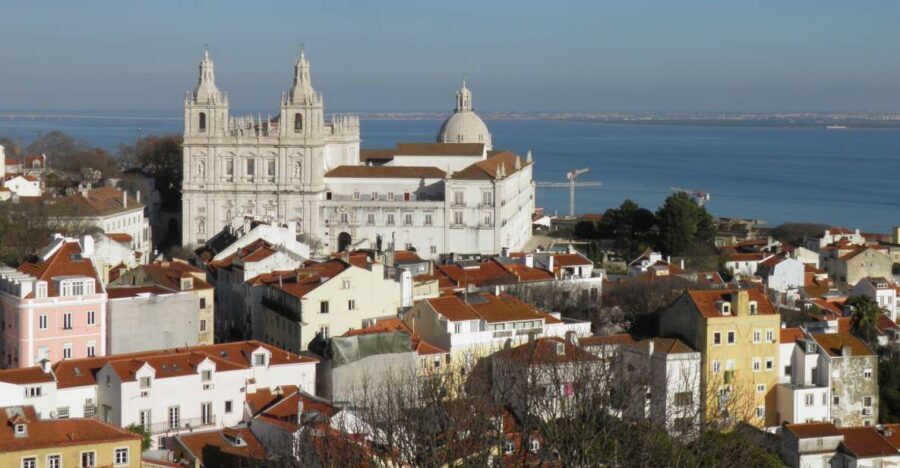
Lisbon’s oldest neighborhood is a maze, but this tour helps you move through it with confidence. You’ll cover the big medieval landmarks around Alfama and learn what you’re actually looking at, from street corners to church interiors and up at Castelo de São Jorge.
Two things I really like: the structure keeps you from wandering in circles, and the guide-style storytelling turns ordinary stone and facades into context you can use as you keep exploring. There’s also a strong small-group feel (up to 30), plus a modern touch like a mobile ticket.
One consideration: it’s a hilly walk, and you should have a moderate fitness level to enjoy it without rushing. If you’re sensitive to steep cobblestones, plan to go slow and wear grippy shoes.
In This Review
- Key moments that make this tour worth your time
- Price and what you’re really paying for
- Getting oriented fast in Rossio before Alfama gets tricky
- Praça Dom Pedro IV: a smart launch point into Old Lisbon
- Teatro Nacional Dona Maria II: see the landmark without losing time
- Igreja de São Domingos: going inside where the history lives
- Castelo de São Jorge: a hilltop lesson from VIII BC onward
- Ending near Lisbon Cathedral: keep the momentum
- Guides and the pay-what-you-felt culture
- Who this walking tour is best for
- Practical details that affect your day
- Should you book this Lisbon Old Town walking tour?
- FAQ
- How long is the walking tour?
- What language is the tour offered in?
- Where does the tour start and end?
- Which places will we see during the walk?
- Is there a hostel pickup?
- Is the tour admission-free for the stops?
- Is the tour strenuous?
- What is the cancellation policy?
Key moments that make this tour worth your time
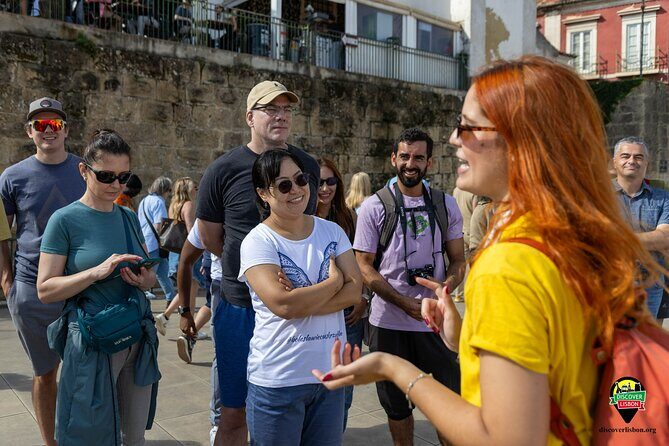
- Rossio Square start: an easy launch point into Alfama, so you’re not hunting for the right street on day one
- Teatro Nacional Dona Maria II (outside): you’ll see Lisbon’s famous theatre facade without wasting time inside
- Igreja de São Domingos (inside): a church stop that includes history and actual entry, not just a quick photo
- Castelo de São Jorge: the hilltop, with deep-time context for why this spot mattered from ancient Lisbon
- Finish near Lisbon Cathedral: you end in the Old Town zone, ready to keep walking on your own
- Pay-what-you-felt system (plus suggested contribution): budget for your guide at the end, even though the tour price is low
Price and what you’re really paying for

On paper, the price is strikingly low at $3.62 per person for about 2.5 hours. That low ticket is really buying the guide, the route planning, and the fact that you’ll hit the key sights in a logical order instead of playing map roulette.
Here’s the part to plan for: this experience specifically asks you to contribute to your guide at the end (often framed as pay what you feel like, with a typical contribution range of 10–20€). In other words, the tour isn’t fully “free and clear.” A small tip or contribution is expected either way, and you should budget for it so it doesn’t feel awkward mid-hike.
Also note what’s not included: wine and ginjinha tasting isn’t part of this walk, and transportation tickets aren’t included either. If you want Lisbon drinks later, you’ll handle those on your own.
You can also read our reviews of more walking tours in Lisbon
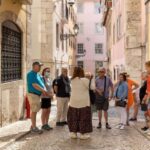


Getting oriented fast in Rossio before Alfama gets tricky
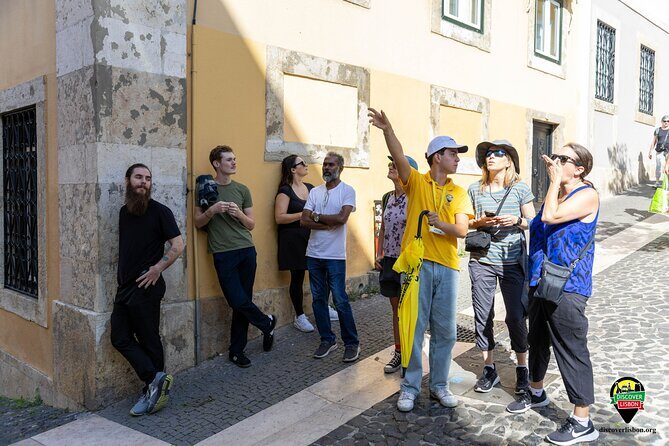
The tour starts at Praça do Rossio, in the heart of central Lisbon. This matters because Rossio is a natural waypoint. You can arrive using nearby public transport and then step into the Old Town with a clear plan rather than figuring out streets from scratch.
From there, the route heads toward the oldest district—Alfama—where streets can twist, narrow, and slope like they were designed to test your sense of direction (they were, kind of). The big value here is that you get a guided flow: you’re learning how to read the neighborhood while you’re still close enough to bail out and reset if you need to.
Another practical plus: the group size is capped at 30 people per booking, so you can actually hear stories and ask questions. And there’s pickup from your hostel depending on location. If you can use it, it’s a nice time-saver on arrival day.
Praça Dom Pedro IV: a smart launch point into Old Lisbon
Your first stop is Praça Dom Pedro IV (often tied to the Rossio area). This is a good warm-up because it puts you in the Lisbon mood—open space, street energy, and easy orientation.
From here, the guide sets up what you’re about to experience in Alfama: a medieval maze of streets where small differences—angles, elevation, and church locations—change how you understand the neighborhood. The ticketed access here is free, so this is mainly about getting your bearings and starting with momentum.
If you’re visiting Lisbon for the first time, this is the kind of introduction that helps everything else click later. After a quick grounding like this, you’ll spend less time staring at the map and more time noticing details you would’ve missed.
Teatro Nacional Dona Maria II: see the landmark without losing time
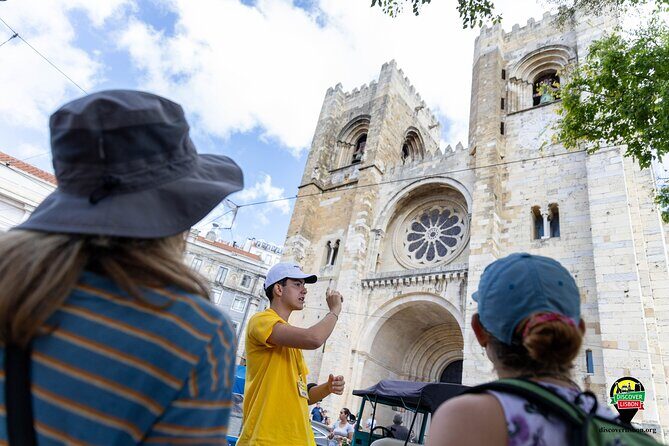
Next up is Teatro Nacional Dona Maria II, and you’ll view it from the outside. It’s only about ten minutes, but it’s a useful stop because this theatre is a major visual anchor in Lisbon. Even without going inside, you get to connect the building to Lisbon’s public-life story.
Why it’s worth doing on a walking tour: you’re already moving through the area, so you get the context without adding an extra ticket line or detour. On a tight 2.5-hour schedule, that “outside-first” approach makes sense.
If you love architecture details, this stop is also an easy win for photos and quick notes. Just don’t expect this to replace a dedicated theatre visit. This is about orientation and background, not a deep ticketed experience.
Igreja de São Domingos: going inside where the history lives
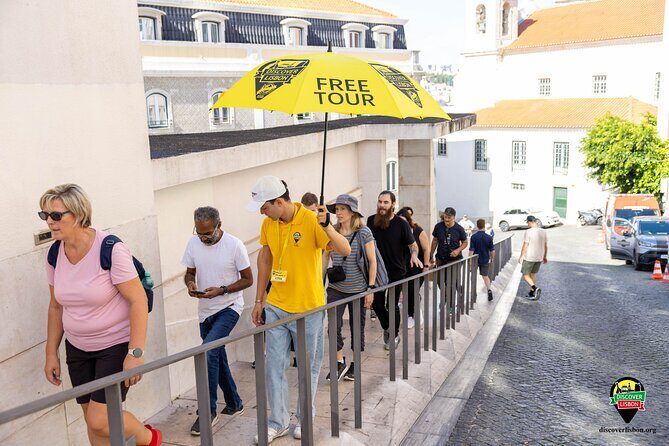
One of the most meaningful stops is Igreja de São Domingos. You’ll go inside and you’ll learn history plus amazing facts from the guide—so this isn’t just a viewpoint or exterior glance.
This matters because churches in Lisbon are more than religious buildings. They’re community memory made stone. When you step inside on a guided walk, you can see how the space shapes the experience—sound, light, and the feeling of time layered over everyday life.
The review-style feedback I’m taking cues from also points to guides who share digestible history and keep people engaged. Guides like Vivian were praised for giving good tourist tips and for balancing information with interaction. That style tends to work especially well at church interiors, because it helps you focus on what’s visually worth noticing.
One practical note: inside-and-outside timing is fixed, so if you’re the type who wants to linger, be aware this stop is designed as part of the whole route.
You can also read our reviews of more historical tours in Lisbon





Castelo de São Jorge: a hilltop lesson from VIII BC onward
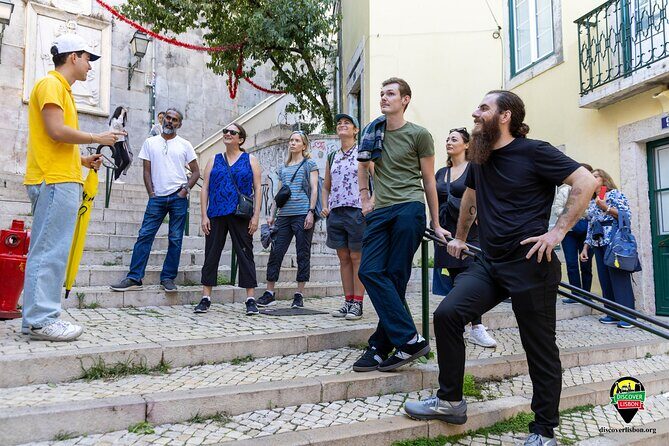
Then you head up to Castelo de São Jorge. Expect around fifteen minutes here, focused on history and the why-behind-the-place, plus the viewpoints that come with the castle hill.
This is the one stop where the tour gives you real scale. You get context that the hill has been occupied since at least VIII BC, and that the first fortifications date back to the first century BC. That timeline helps you look beyond the tourist version of the castle and understand it as a long-term strategic position.
And yes, this is the stop where the walk gets more physically demanding. The tour is marked for moderate fitness, and you’ll feel it here. Still, multiple people highlight that the hilliness is manageable if you pace yourself.
What you should do: wear grippy shoes, take it slow on the slopes, and use the viewpoints as your reward. If you’re the type who likes standing still and looking out, this is where the tour earns its keep.
Ending near Lisbon Cathedral: keep the momentum
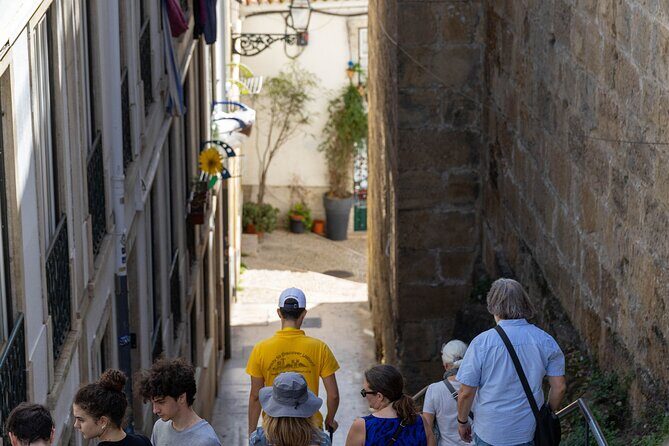
The tour ends at Lisbon Cathedral (Largo da Sé 1). That ending point is smart because you’re dropped into another high-value Old Town area where you can keep exploring without needing to “transport yourself back” to the centre.
Even though the formal tour ends there, the benefits continue. You’ll have just walked through key layers of Lisbon—street layout, churches, the fortress hill—so the cathedral zone feels like a natural next step rather than a random stop.
If you’re planning your day, this finish is helpful for building a final loop: you can eat nearby, wander side streets, and still feel like you’re working from a sense of direction rather than guesswork.
Guides and the pay-what-you-felt culture
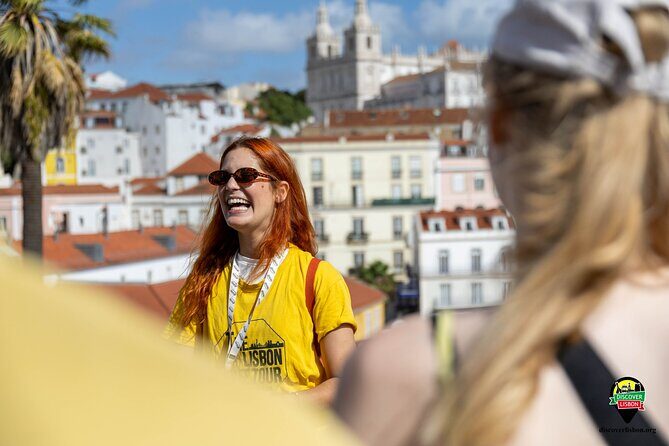
This is a guide-led experience with stories and legends, and it’s designed to encourage participation. One of the strongest signals from the feedback is that guides keep things lively—Alex was specifically praised for being delightful, informative, and encouraging interaction.
That matters because a walking tour can turn either into a lecture or a conversation. When the guide is prompting questions and keeping people involved, you get more from the route and the information sticks better.
About the end payment: the tour promotes a pay-what-you-feel approach, and the practical guidance given with the experience points to a typical contribution of 10–20€ (with some people mentioning a lower end amount like around €5+). My advice: treat it like you would a guided service. If you loved the route clarity, the historical context, and the interaction, your guide deserves a real contribution.
If you’re on a tight budget, don’t skip this tour entirely—just plan the math ahead of time so you don’t feel surprised at the end.
Who this walking tour is best for
This is one of those tours that fits a lot of first-time Lisbon plans. It’s ideal if you:
- Want an introduction to Alfama without getting lost
- Prefer learning while walking rather than reading alone
- Like a mix of big landmarks and small history moments
- Enjoy viewpoint time but don’t want a long, full-day hike
It’s also a good fit if you don’t want heavy, ticket-heavy touring. Several key stops are free from the perspective of admission tickets on the tour schedule, and the time allocations keep things efficient.
If you hate hills, this might still work—but only if you know your limits. The tour assumes moderate physical fitness, so build in a slower pace.
Practical details that affect your day
A few specifics can make your experience smoother.
English-friendly: the tour is offered in English. If you’re comfortable in English, this is an easy way to get local explanations without language stress.
Mobile ticket: you’ll have a mobile ticket, which cuts down on paper scrambling.
Near public transportation: both the start and end points sit in Lisbon’s walkable, transit-adjacent zones. That’s helpful if you’re combining the tour with other sights.
Service animals allowed: that’s a plus for travelers who need that accommodation.
Timing: it runs about 2 hours 30 minutes. That means you should treat it like a morning-or-afternoon backbone activity. Plan one or two other smaller stops around it, not a whole day’s worth of commitments.
Group cap: up to 30 per booking keeps it manageable, though you’ll still be in a shared group setting.
Should you book this Lisbon Old Town walking tour?
If you’re a first-time visitor who wants to understand Alfama quickly, I’d say yes—especially if you like learning on your feet. The combination of a simple route, key landmarks (Rossio, theatre exterior, church interior, castle hill), and ending near Lisbon Cathedral is a smart use of time.
Book it if you value:
- Clear guidance so you don’t get lost in medieval streets
- Quick but meaningful history at the right spots
- A guide who shares stories and encourages questions
Skip or reconsider if:
- Hills and uneven cobblestones are a dealbreaker for you
- You want a super-long, slow-paced tour with lots of free time at each attraction
- You don’t want to budget for a guide contribution at the end
For most people, this is good value because the real benefit isn’t just the sights. It’s the sense of direction you’ll carry into the rest of Lisbon afterward.
FAQ
How long is the walking tour?
The tour lasts about 2 hours 30 minutes.
What language is the tour offered in?
It’s offered in English.
Where does the tour start and end?
It starts at Praça do Rossio and ends at Lisbon Cathedral (Largo da Sé 1).
Which places will we see during the walk?
You’ll pass through and stop at key Old Town locations including Praça Dom Pedro IV, Teatro Nacional Dona Maria II (outside), Igreja de São Domingos (inside), and Castelo de São Jorge.
Is there a hostel pickup?
Pickup from your hostel is included depending on your location.
Is the tour admission-free for the stops?
Admission tickets are free for the listed tour stops, and you’ll visit at least one site inside (Igreja de São Domingos).
Is the tour strenuous?
It’s designed for travelers with a moderate physical fitness level. There is hilly walking.
What is the cancellation policy?
Free cancellation is available up to 24 hours before the experience start time for a full refund.