REVIEW · PENICHE
Peniche: Berlenga Island and Cave Tour
Book on GetYourGuide →Operated by Feeling Berlenga · Bookable on GetYourGuide
Caves, cliffs, and fast boats. That’s the feel of the Berlenga Island trip from Peniche, where you get a guided tour of sea caves (including the famous Elephant Cave) and then time to wander the island at your own pace. The island is a nature reserve with a visitor limit, so it stays special and less crowded than you’d expect.
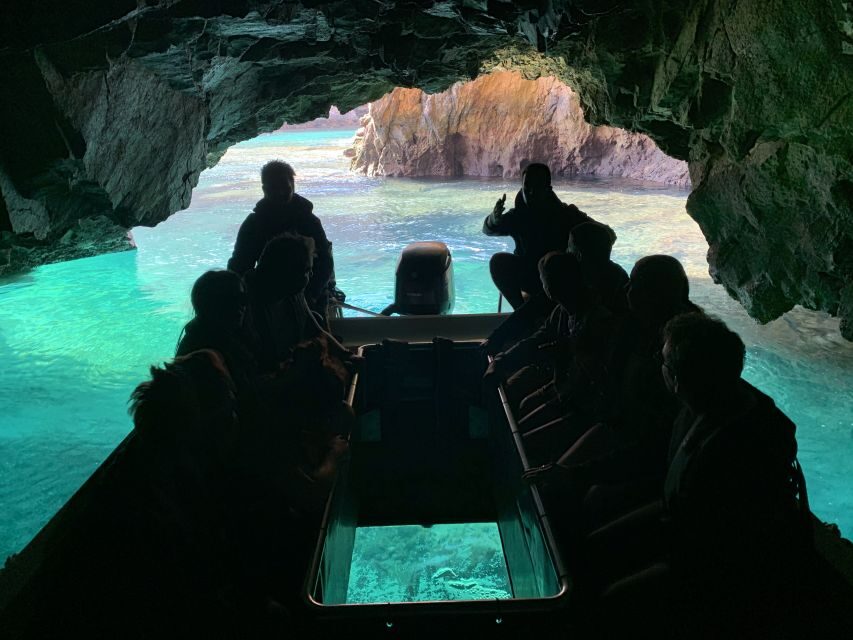
I especially like two parts of this experience. First, the cave visit is done from a different boat with a glass-bottom setup, so you’re not just staring at rocks—you can actually spot underwater life while you learn the stories. Second, after the cave tour, you’re free to walk trails, hit the beaches, and climb toward the lighthouse and the fort ruins at Forte S. João Batista—so it’s not only a sit-and-ride tour. Guides like Mira and Joas come through with energetic, clear explanations.
One thing to weigh: the trip depends on sea conditions, and the boat ride can feel bumpy (plus it can be cold out there). That matters most if you get seasick easily or you hate being thrown around on the water.
In This Review
- Key highlights to know before you go
- Berlenga Island: A nature reserve that feels like another world
- Peniche to Berlenga: Boat timing, ride feel, and what changes by season
- Glass-bottom cave tour: Elephant Cave, Dream Cave, and the Big Hole
- Island time after the caves: beaches, lighthouse views, and trails
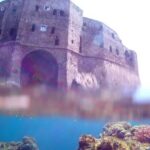
- Forte S. João Batista: coastal history you can see in the stone
- Price and value: what $41 gets you (and what to budget on top)
- Practical tips that actually help: meeting point, what to pack, and behavior rules
- Should you book this Berlenga Island and Cave Tour with Feeling Berlenga?
Key highlights to know before you go
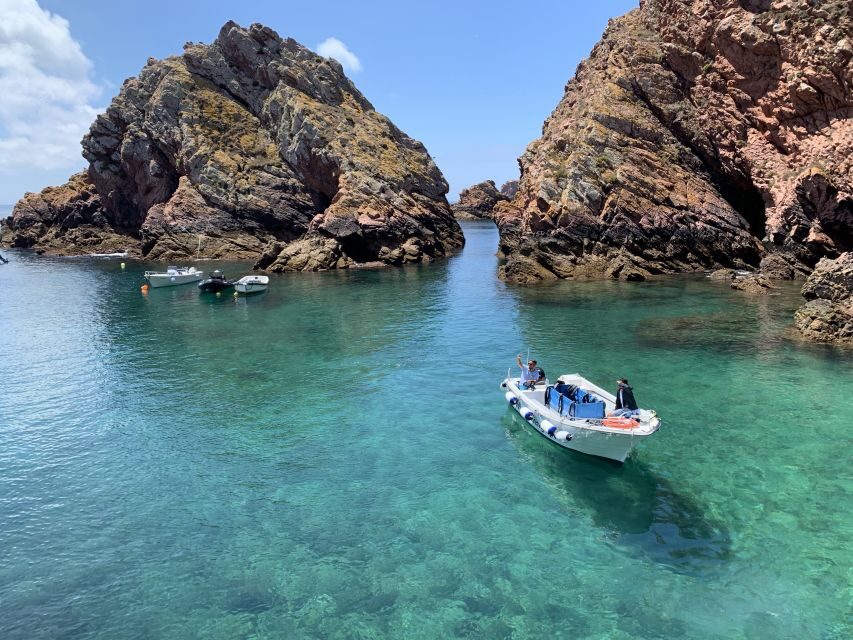
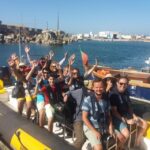
- Two-boat format: catamaran or faster boat to the island, then a separate cave boat with glass-bottom viewing
- The big cave set: Elephant Cave, Dream Cave, Furado Grande (the Big Hole), and more
- A calmer island visit: eco-limit on visitors, so the place doesn’t feel overrun
- Your own island time: trails, beaches, lighthouse views, and Forte S. João Batista remains
- Safety-forward crew: the experience is set up for smooth boarding and careful handling when conditions shift
Berlenga Island: A nature reserve that feels like another world
Berlenga Island is one of those places where you immediately understand the conservation angle. You’re visiting a site with an access limit, so the day doesn’t feel like a rush through a theme park. The payoff is real: you get room to look closely—at cliffs, waves, birds, and the weird shapes carved by water.
What I like is that the day isn’t only about boats. You start with caves and then you land on an island you can explore on foot. If you enjoy being outside, this tour gives you a balanced mix: guided story time plus unhurried wandering.
And yes, it’s scenic in a practical way, not just Instagram scenic. The turquoise water you’ll see from the beaches and coastlines makes the caves feel even more dramatic—because the rock formations look different depending on the water level and light.
You can also read our reviews of more tours and experiences in Peniche.

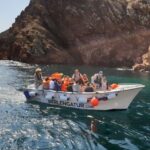
Peniche to Berlenga: Boat timing, ride feel, and what changes by season
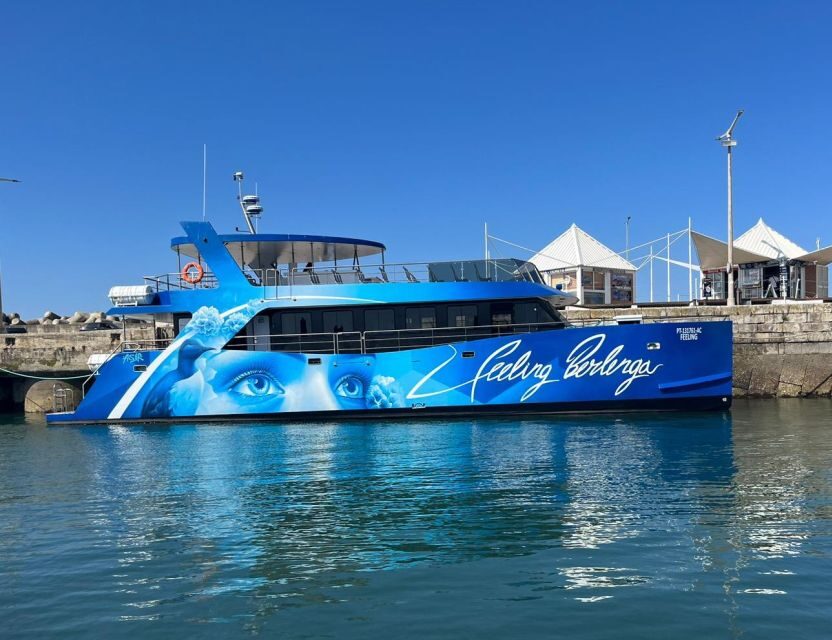
You’re based in the Viseu District area, using Peniche as the jump-off point. The basic timing is tight on purpose: the crossing is about 25–30 minutes one way, depending on the boat and sea conditions. That short ride is why a 4-hour day trip still feels packed.
From April to October, the tour runs by catamaran. In the November to March window, you’re on a semi-rigid boat or a sports yacht instead—usually when you want smaller capacity or different handling for colder, rougher weather. On low-season dates, you might see fewer people, but if the group is large (over 30), the catamaran can show up even in the off-season.
Two practical points here:
- The schedule can shift based on sea conditions, including the possibility that the cave portion is slightly curtailed.
- The boat ride can be cold and bumpy. Even if you’re fine on land, the open water can feel sharper than you expect.
If you’re sensitive to motion, plan for it. Bring a layer you can actually tolerate getting wet, and consider taking it easy on the water and in line for boarding. The crew handles safety well, but you still don’t control the ocean.
Glass-bottom cave tour: Elephant Cave, Dream Cave, and the Big Hole
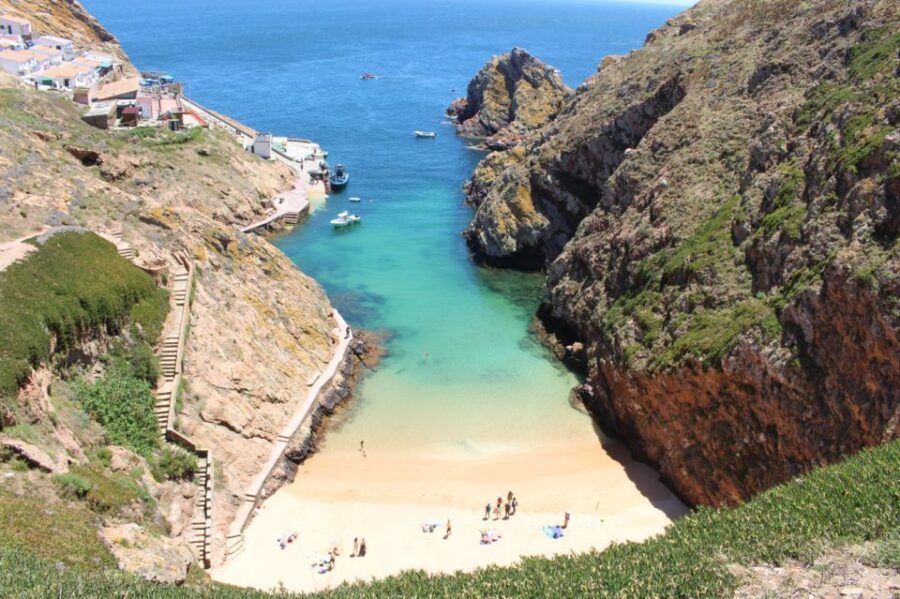
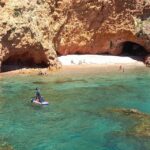
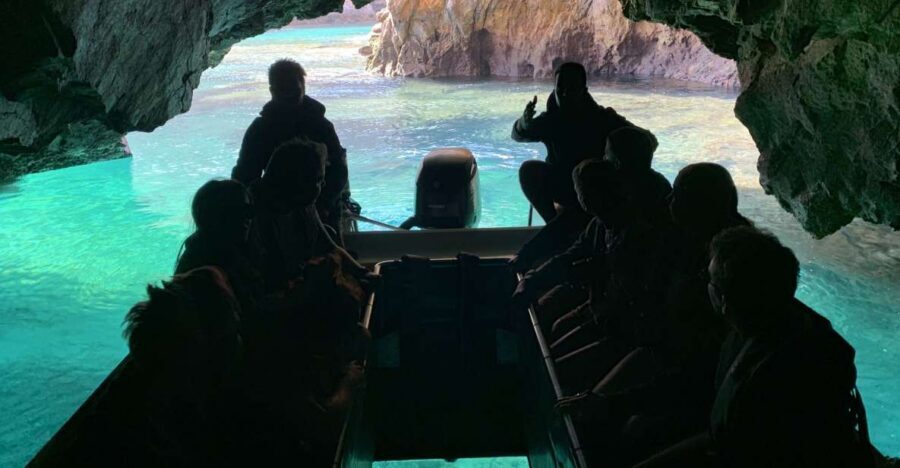
This is the heart of the trip. You’ll take a short guided round before you focus on the caves, and you’ll learn what you’re seeing while you watch marine life from the glass-bottom boat. It’s a clever way to connect the story to the water—because some caves make more sense when you can see what lives around them.
Here are the cave highlights you should expect:
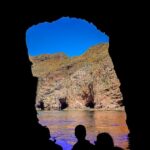
- Elephant Cave: the natural rock formations resemble an elephant’s trunk and face. The effect is the kind of thing you can only fully appreciate when you see the rock from the waterline.
- Dream Cave: a nature-made space where the guide explains the place’s history and features as you pass through or look at it from the boat.
- Furado Grande (Big Hole): a cave/rock opening described as stretching across the island. Your guide will translate what Furado Grande means and point out the scale.
A key detail: the caves aren’t only viewed from the outside. The experience includes internal and external cave areas, so it feels less like a quick photo stop and more like a guided sequence.
And if you’re wondering why the cave portion is worth the separate boat: you’re not getting that same perspective from the island’s walkable routes. The water gives you angles you can’t replicate on land, and the glass-bottom moment helps you understand why this place matters ecologically.
Island time after the caves: beaches, lighthouse views, and trails
After the cave tour, you get your own time on the island, and that’s where the trip transforms from tour to day out. You’ll walk beaches, follow trails, and use your time how you want. Some people focus on views; others keep it simple and aim for a lighthouse viewpoint and the fort area.
The island feels small in the best way. It’s not a marathon, but it’s not a flat stroll either. Expect uneven ground and steep bits near the historic structures. If you’re doing this with kids or someone who dislikes stairs, still do the hiking—just pick your route carefully and take breaks.
Two “choose your pace” ideas I recommend:
- If you want calmer time, start with the beach first, then build up toward higher viewpoints.
- If you want photos, time your lighthouse stop for when the light looks best on the water.
One review detail worth noting: on winter dates, you may see the fort area differently than in summer. In January, the fort itself can be closed, but you might still be able to access areas like stairs and old bridges that bring you close to the historic spot. So even when not everything is open, the walk has payoff.
Forte S. João Batista: coastal history you can see in the stone
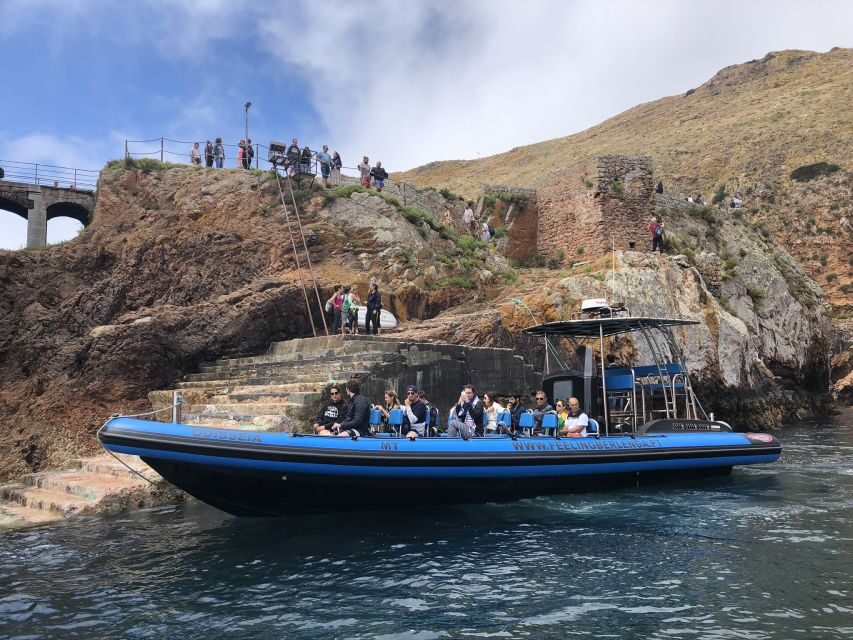
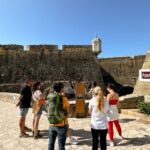
Forte S. João Batista is your history anchor on Berlenga. You’re not going to a museum here—you’re looking at remains and structures shaped by Portugal’s coastal reality. From the island, the setting makes the whole point of coastal defense obvious: the sea controls everything.
Your guide will point out what you’re looking at and connect it to the broader story of Portugal’s coast. Even if you’re not a history person, it helps because you can pair the explanations with the views: cliffs, sea routes, and the way the island juts out into the water.
This is also where the day feels grounded. Caves are nature made dramatic; the fort ruins feel human-made dramatic. Put together, they explain why Berlenga has long attracted attention—scientific, strategic, and cultural.

Price and value: what $41 gets you (and what to budget on top)
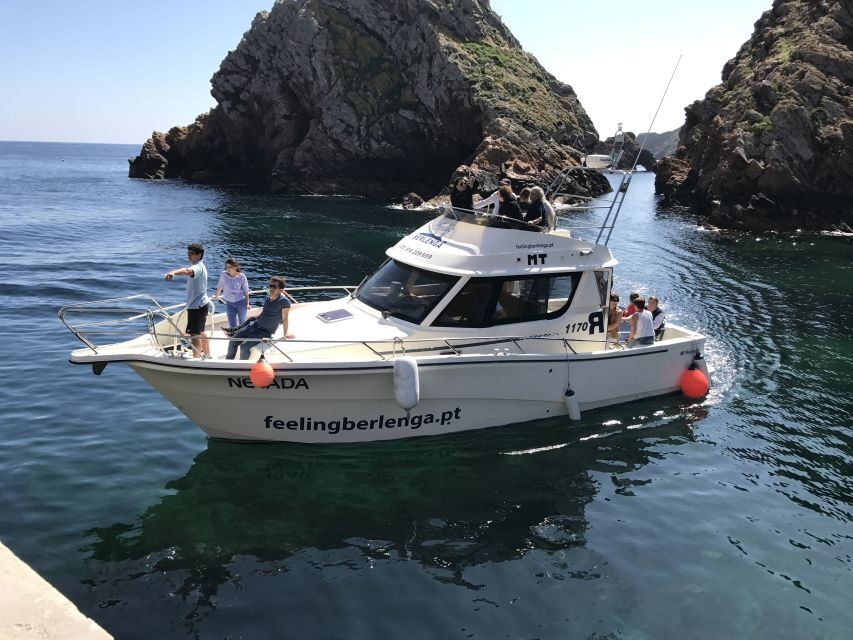
The advertised price is $41 per person, and for a 4-hour half-day trip, that’s a reasonable deal—mainly because transportation and the cave tour are included. You’re paying for boat transport to the island, the cave tour component, and the skipper.
What’s not included matters, though. Food and drinks aren’t part of the price, and the tourist tax is also not included. Since the island has an ecological access limit, you’ll need to handle that visitor fee ahead of time by registering and paying the tourist tax before purchasing your boarding ticket.
A couple of practical value checks:
- Bring snacks if you want to avoid spending time hunting for food.
- If you’re visiting in May through September, you may be able to buy snacks on the island with extra cash.
Also keep a buffer for fees that show up on the ground. One review mentioned an extra €3 per person fee on the island. That may align with the conservation/visitor fee structure, but the key takeaway is simple: don’t go to Berlenga with zero money set aside.
Practical tips that actually help: meeting point, what to pack, and behavior rules
First, do not wander in circles. You should arrive about 30 minutes early and check in at the Feeling Berlenga office. Your guide will be wearing a blue shirt, so you can match faces to instructions quickly.
What to pack for comfort:
- A warm layer. The boat ride can be cold, even when the mainland feels fine.
- Shoes with decent grip. You’ll be walking on uneven ground and possibly steep paths.
- A small bag for snacks and water. Even if you plan to grab something later, having a backup makes the day smoother.
Then know the island rules. Animals and drones are not allowed on Berlenga because it’s a Nature Reserve. It’s a bummer for drone fans, but it’s also part of why the island stays protected and quiet.
Language is covered. The live guide works in Portuguese, English, and Spanish, so you should be able to follow the cave explanations and island history without guessing.
Should you book this Berlenga Island and Cave Tour with Feeling Berlenga?
If you want a half-day that mixes sea caves + underwater viewing + real island walking, I think this is a strong choice. The value is solid at $41 because your boats and cave tour are bundled, and the two-stage day (caves first, then island time) keeps it from feeling rushed.
Book it if:
- You like nature, rock formations, and boat viewpoints.
- You enjoy guided storytelling but also want time to roam.
- You’re okay with a boat ride that can be bumpy and a day that runs on island time.
Consider skipping or switching dates if:
- You get seasick easily.
- You hate cold wind exposure on open water.
- You know you’ll struggle with steep, uneven walking around the fort area.
If your main goal is to see caves from the water—and then have a calmer walk to finish the day—this one fits. Just plan for the tourist tax, pack layers, and arrive early so the day runs on schedule.