REVIEW · LISBON
Lisbon: Best of City Private Walking Tour
Book on GetYourGuide →Operated by Inside Lisbon tours · Bookable on GetYourGuide
Lisbon clicks fast when someone shows you the story behind the stones. I like the format most because it mixes major sights with neighborhoods you’d otherwise walk past, and you get a private guide to keep it all connected. Two standout treats help too: the Pastel de Nata stop and the wine-and-tapa break. One possible drawback: it’s a 3-hour stroll, so you’ll want comfortable shoes and a willingness to keep moving, especially in Alfama’s tight streets.
The route strings together the city’s layers in a smart order. You start at Rossio, hit the independence-era details around Restauradores, learn why Baixa looks the way it does after the 18th-century earthquake, then end in the drama of Alfama before finishing at Praça do Comércio.
In This Review
- Key points to look for
- Start With Rossio Square, Then Let the City Explain Itself
- Rossio’s Center Role: Why This Square Matters
- Restauradores Square and the Obelisk: Independence on Stone
- Baixa: The Rebuilt Lisbon That Still Shapes Your Walk
- Carmo Square and the Carnation Revolution Moment
- Chiado Stroll: Cafés, Bookshops, and a Pastry That Makes Sense
- Alfama’s Moorish Alleys and the Fado Thread
- A Local Bar Stop: Wine Tasting and a Tapa Break
- Finishing at Praça do Comércio: Open Space and Easy Navigation
- Who This Private Walking Tour Fits Best (and Who Might Skip It)
- Price and Value: What $102 Buys You in Real Terms
- Booking Tips That Help You Get the Most Out of the Walk
- Should You Book This Lisbon Private Walking Tour?
- FAQ
- Where do we meet, and where does the tour end?
- How long is the private walking tour?
- What food and drink are included?
- Is this tour private, and what languages are available?
- Is hotel pickup available?
- Can I cancel for a refund or adjust plans?
Key points to look for
- Private, small-group feel: you’re not getting lost in a crowd, so questions actually get answered
- A “history-to-street” route: major squares plus the streets between them, not just photo stops
- Pastel de Nata included: a classic Lisbon bite built into the walk, not an afterthought
- Wine and a tapa stop: a practical break that feels local and keeps energy up
- Alfama alley time: you’ll walk the Moorish maze and get the fado context while you’re there
- A strong finishing point: Praça do Comércio brings everything back to open space and easy orientation
Start With Rossio Square, Then Let the City Explain Itself

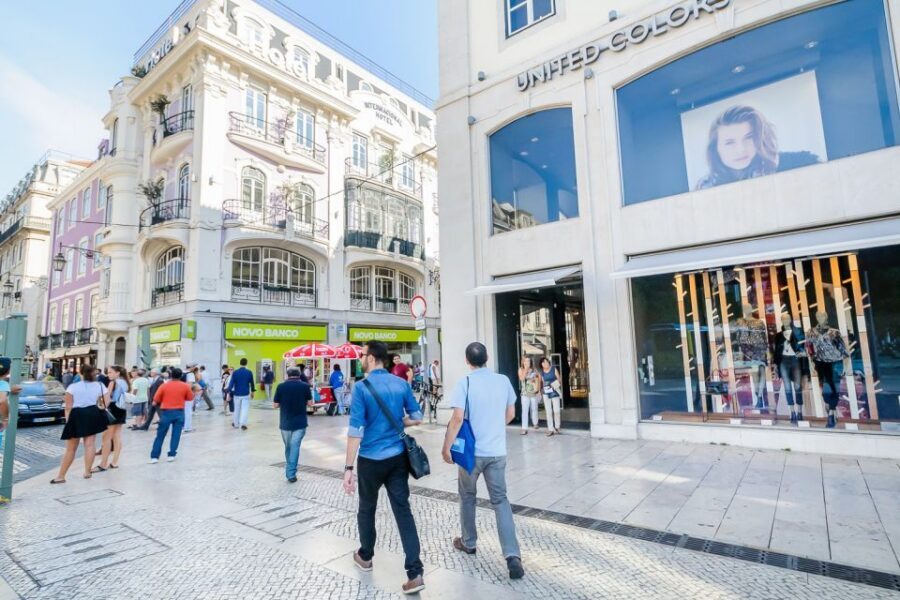
This tour works because it starts where Lisbon likes to gather: Rossio. You meet at Praça Dom Pedro IV (Rossio Square), standing in front of the Column of King Pedro IV, so you immediately have a landmark you can find again later.
From there, the guide turns Lisbon into a living map. Instead of just naming places, they connect what you’re seeing to what happened to the city over time: earthquakes, revolutions, foreign rule, and the daily rhythms that still shape the streets. It’s the kind of structure that helps you plan the rest of your trip without feeling like you’re studying.
This is also a good choice if it’s your first day or you’ve only got a half-day. Three hours is long enough to cover real neighborhoods, short enough that you still have energy for dinner afterward.
You can also read our reviews of more walking tours in Lisbon


Rossio’s Center Role: Why This Square Matters
Rossio is often described as the heart where old and new Lisbon meet. In practical terms, that means you’re standing at a crossroads of styles and stories. The guide uses it as an orientation point, so you understand what “center” means in Lisbon, not just where the biggest buildings are.
You’ll get a quick sense of how Lisbon’s power shifted through time, and why different districts became strongholds for different kinds of life: commerce in Baixa, stage life in Chiado, and the older, winding life of Alfama. If you’re the type who likes walking with context, this opening pays off fast.
A small note for pacing: Rossio to the next stops is busy and flat compared to what comes later. You’ll feel like you’re getting your legs back before the tour starts climbing into more stubborn streets.
Restauradores Square and the Obelisk: Independence on Stone
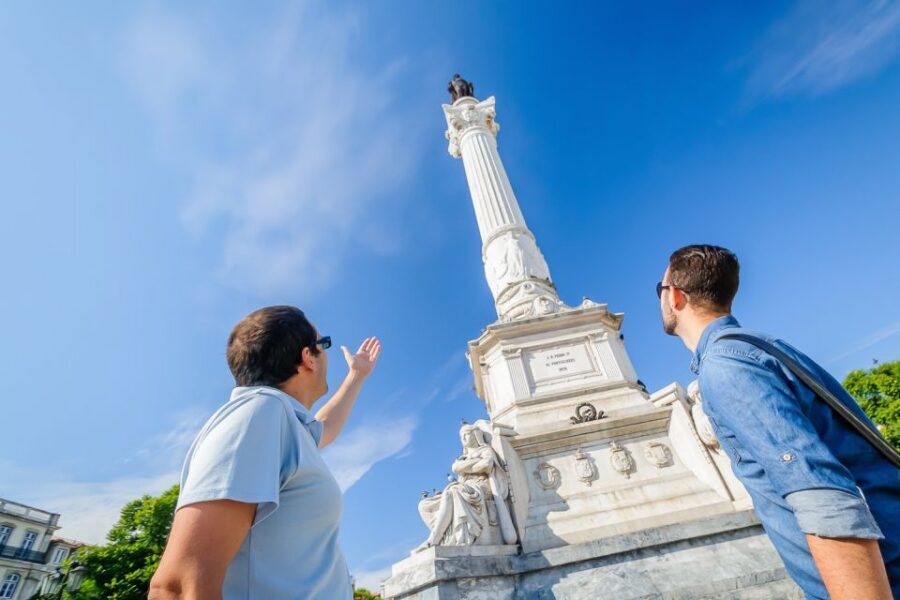
After Rossio, the walk heads toward Restauradores Square, where the big visual cue is the obelisk. The guide points it out and ties it to a specific moment: Portugal’s restoration of independence from Spain in 1640.
Why this matters for you: Lisbon doesn’t organize its story like a museum. It scatters the reminders into streets and plazas. When you know what that obelisk commemorates, the square stops being just a nice open space. It becomes a timeline marker you can recognize later when you’re exploring on your own.
Restauradores is also a useful “bridge” stop. It helps you understand where you are between districts, which makes it easier to hop on the right tram, walk the right streets, or choose the right snack later.
Baixa: The Rebuilt Lisbon That Still Shapes Your Walk
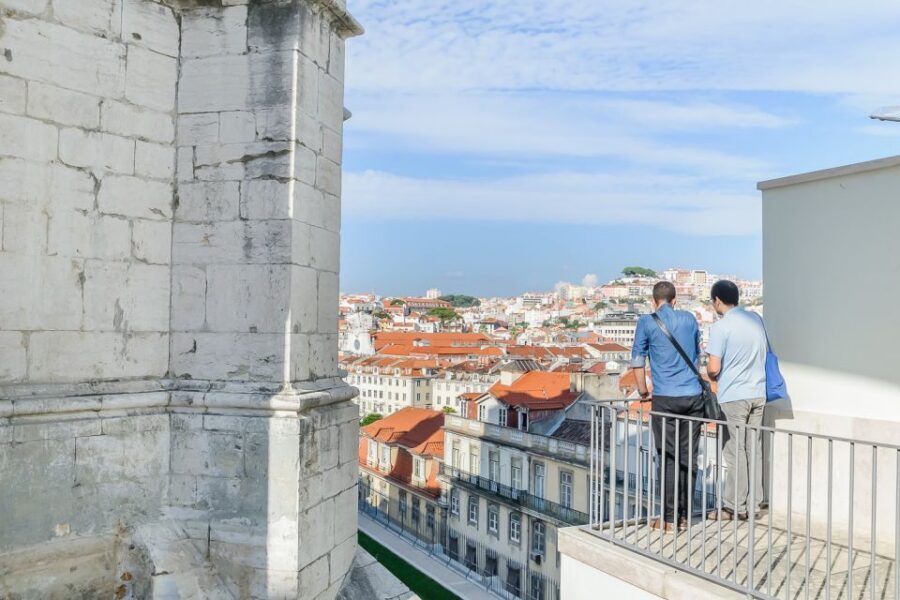
Next comes Baixa (downtown), the area that was completely rebuilt after the major earthquake in the 18th century. The guide explains how the city followed new rules of urbanism and used extremely innovative solutions for its time, including what’s often described as anti-systemic architecture.
If you like architecture, you’ll notice the planning right away: the streets feel designed rather than grown. Lisbon’s rebuilt center gives you a visual rhythm, and once you see it, you start recognizing it even when you wander without a guide.
For practical value, this segment helps you understand why Lisbon feels simultaneously old and organized. Alfama feels like the past; Baixa feels like planning. The tour lets you experience both without feeling like you’re bouncing around randomly.
Carmo Square and the Carnation Revolution Moment
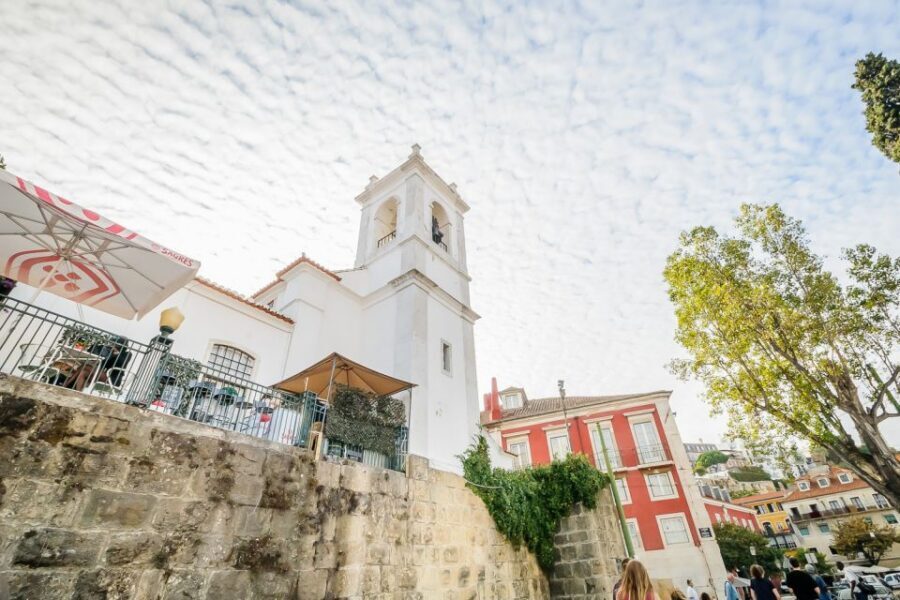
Then you shift into one of Lisbon’s “story squares”: Carmo Square. The tour ties this location to political change: the Carnation Revolution of 1974, after 48 years of dictatorship, when the old regime fell.
The guide also has you visiting Carmo Church along the way. Even if you don’t go inside, the point is the same: you’re standing near a place tied to turning points, and Lisbon’s politics are woven into ordinary streets, not saved for textbooks.
This is where the tour feels more than sightseeing. You get cause-and-effect. Once you understand the revolution connection, you’ll remember this stop when you later hear about Portuguese modern history.
You can also read our reviews of more city tours in Lisbon





Chiado Stroll: Cafés, Bookshops, and a Pastry That Makes Sense
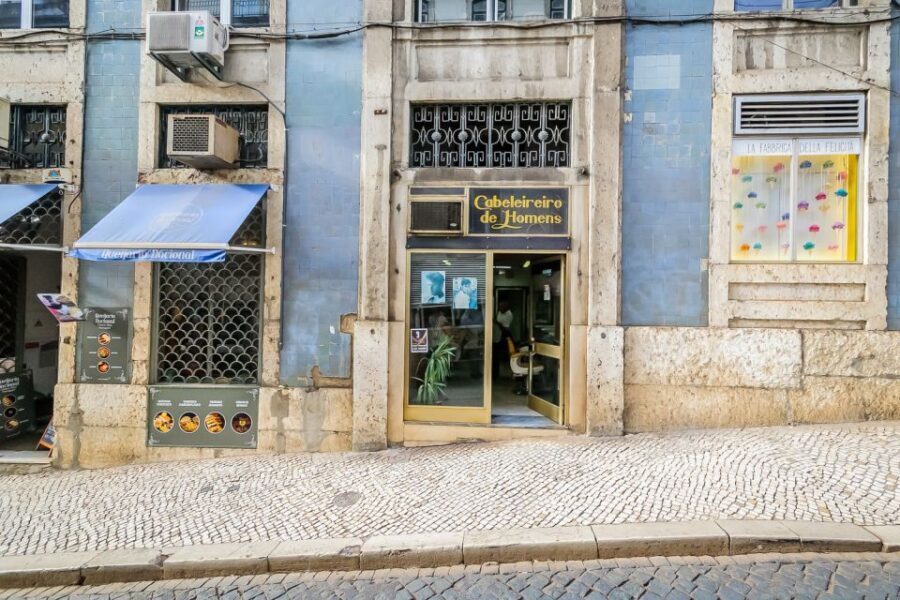
From there, you walk through Chiado, a district known for elegant streets and daily culture: cafés, boutiques, theaters, and bookstores. Chiado is the “Lisbon of lifestyle” area, and it’s a nice change after the heavier historical beats.
This is also where the tour includes one of Lisbon’s most famous pleasures: a tasting of Pastel de Nata. The guide uses the stop to explain why the pastry is a local default, not a tourist-only item.
Why you’ll probably appreciate this section:
- You’re walking through a neighborhood that’s easy to imagine living in.
- The pastry fits naturally into the flow, so you don’t feel rushed hunting for it.
One practical thing: Chiado can feel smoother and more comfortable underfoot than Alfama, so it’s a good spot to recharge before the next phase of narrow streets.
Alfama’s Moorish Alleys and the Fado Thread
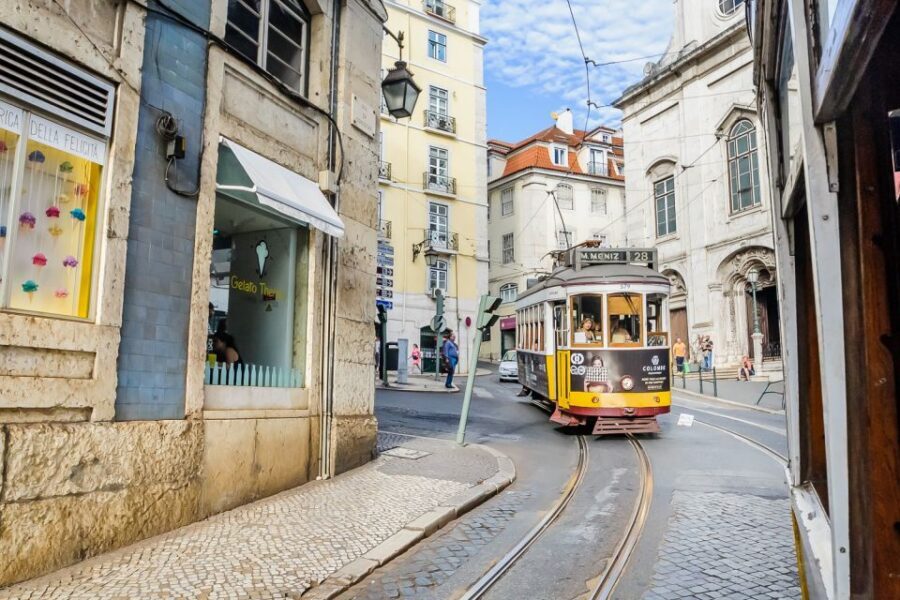
The tour’s most atmospheric part is Alfama, where the streets turn narrow and the squares feel like rooms you wander in and out of. Here you’re walking the Moorish-influenced maze of alleyways, and the experience is exactly what you hope it will be: time feels slower.
The guide connects Alfama to fado, Lisbon’s music genre. You’ll also learn about hidden fado restaurants in the area, which is helpful if you plan to catch a show later. Even if you’re not booking a performance on the same day, the context makes fado feel grounded in place instead of sounding like a generic tradition.
This is the segment to take seriously for comfort. The streets can be steep, crowded, and uneven. If you’re traveling with kids, older relatives, or anyone who gets tired on hills, I’d suggest going into Alfama with expectations of slower movement and taking breaks when the guide offers them.
The good news: the tour format keeps you moving enough to see what matters, without making you feel like you’re sprinting for photos.
A Local Bar Stop: Wine Tasting and a Tapa Break
Halfway through the experience, or near the end depending on timing, you’ll stop for food and drink that keeps the walk fun. The tour includes 1 tapa and a wine tasting, and the guide chooses a local bar where you can rest your feet and reset.
This stop is more valuable than it sounds. It changes the tour from a checklist into an actual meal moment, and it also lets you ask questions while you’re sitting down. In real Lisbon travel, those questions often matter most: Where should I go for dinner? What should I avoid? Which neighborhood is best at night?
A lot of the strongest guide feedback centers on how well the tour includes refreshment breaks like this one, so you feel cared for rather than dragged from stop to stop.
Finishing at Praça do Comércio: Open Space and Easy Navigation
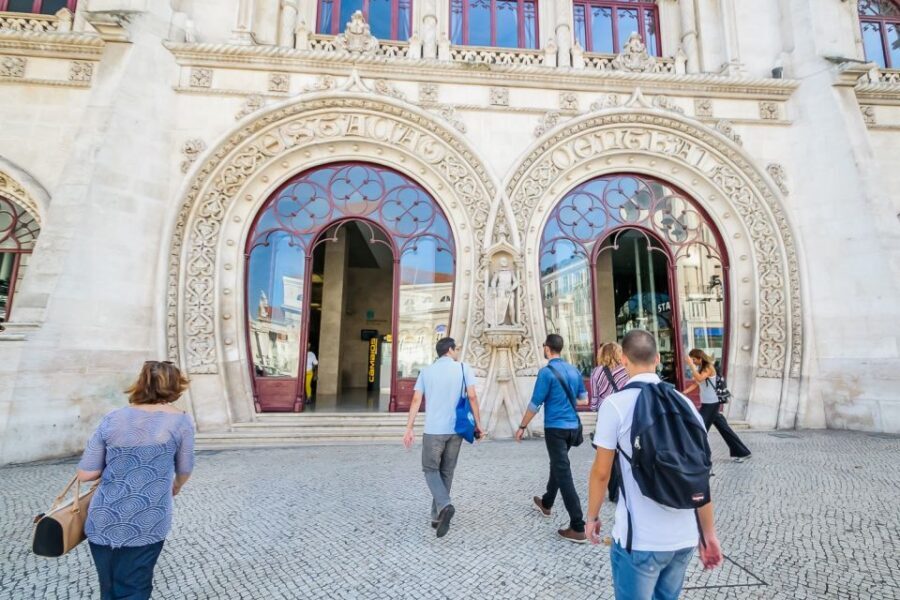
The tour ends at Praça do Comércio, one of Europe’s largest squares and also a former entrance hall to the city. Finishing here is smart. You go from tight streets and sudden views in Alfama to a big, open space that helps you re-orient fast.
For you, that means you can confidently plan what comes next. Praça do Comércio is a launchpad for wandering toward the water, heading into other central areas, or simply taking a breather with the sense that you’ve seen the city’s backbone.
Who This Private Walking Tour Fits Best (and Who Might Skip It)
I think this tour is perfect for:
- First-timers who want the city’s story tied to actual streets
- Travelers who care about how history shaped today’s neighborhoods
- Anyone who likes asking questions and getting practical dinner and sightseeing advice
- Couples and families who want a guide to match the pace to the group
I’d consider skipping it (or choosing a different style) if you:
- Want mostly indoor sights or monument entry tickets (this tour does not include entrance tickets)
- Hate walking on uneven, narrow streets
- Need a very slow, minimal-stairs experience
If you’re the type who enjoys the “why” behind the “where,” you’ll likely feel satisfied after the 3 hours.
Price and Value: What $102 Buys You in Real Terms
At $102 per person for about 3 hours, this is not a budget bargain. But it isn’t overpriced for what you’re getting either—especially if you compare it to paying separately for a guide plus your food.
Here’s what you’re buying in value terms:
- Private guide time (not just a group script)
- A route that combines major squares with neighborhood walking
- Included tastings: Pastel de Nata, 1 tapa, and wine tasting
- A finish at a key orientation spot, Praça do Comércio, so your next steps are easier
You also get something hard to price: momentum. You come out knowing which areas feel most like your style—Baixa’s planned streets, Chiado’s cultural strolls, or Alfama’s fado-driven alleys. That saves time the next day.
Booking Tips That Help You Get the Most Out of the Walk
A few practical pointers make the experience smoother.
Bring comfortable shoes and plan for some uneven and steep sections in Alfama. If you’re sensitive to walking for 3 hours, you’ll enjoy this more by starting hydrated and taking small pauses when the guide suggests them.
If you’re arriving as a shore excursion, the tour notes flexibility in timing. That’s useful if you have a tight port schedule and need the walk adjusted so you can still make lunch or catch your next plan.
Finally, if you’re choosing a private tour because you want a custom-feeling day, don’t be shy about asking questions early. One clear theme from the guides listed in the feedback is how readily they respond and adapt—some guides even handled timing changes smoothly when people requested adjustments.
Should You Book This Lisbon Private Walking Tour?
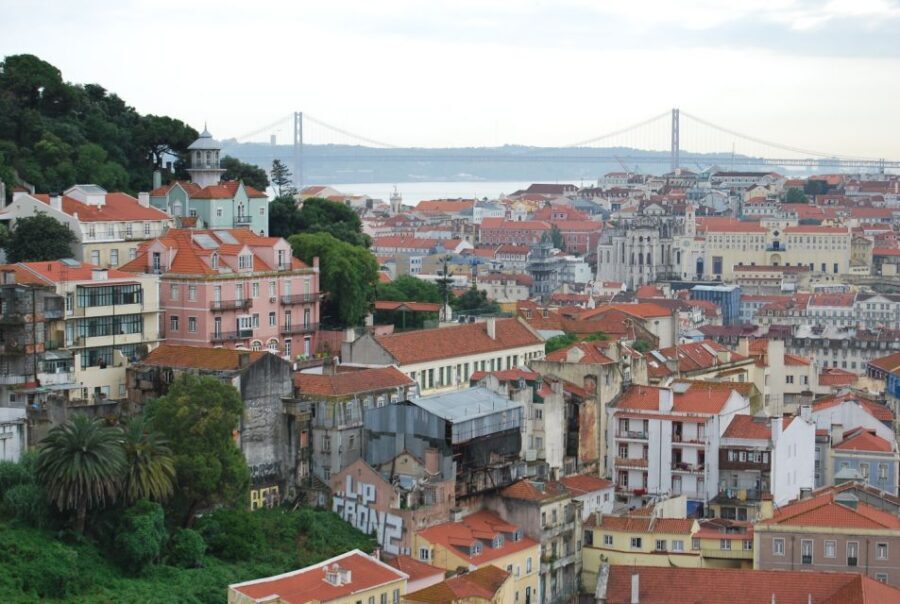
I’d book it if you want a strong first “map in your head” for Lisbon. The route ties together Rossio, Restauradores, Carmo, Chiado, Baixa, and Alfama in a way that makes Lisbon’s history feel like something you walk through, not something you read about.
If you care about food stops that feel integrated rather than tacked on, the Pastel de Nata, plus tapa and wine, is a real bonus. And if you want a guide who can point out what matters and give next-step advice, this tour’s private setup is the whole point.
If you only want famous landmarks with monument entry, you might prefer a different option. But for most people, this is a great way to start Lisbon with context and comfort.
FAQ
Where do we meet, and where does the tour end?
You meet at Praça Dom Pedro IV (Rossio Square) in front of the Column of King Pedro IV. The tour ends back at the meeting point.
How long is the private walking tour?
The duration is 3 hours.
What food and drink are included?
The tour includes Pastel de Nata (custard tart), 1 tapa, and a wine tasting.
Is this tour private, and what languages are available?
Yes, it’s a private group tour. The guide can speak English, Spanish, or Portuguese.
Is hotel pickup available?
Yes, pickup is available for hotels located in Lisbon city center.
Can I cancel for a refund or adjust plans?
You can cancel up to 24 hours in advance for a full refund. If you’re on a shore excursion, the tour notes timing flexibility and says you should contact the operator after booking for guaranteed flexibility.