REVIEW · LISBON
Lisbon Cultural Food and Wine Walking Tour
Book on Viator →Operated by Curioseety SRLS · Bookable on Viator
Food and wine tell Lisbon’s real story.
This is a 4-hour walking tour that turns Lisbon’s everyday eating into a guided tale, starting at Rossio Square and ending near Praça dos Restauradores. I love the sheer pace of tastings, with about 14 different samples of food and drinks, and I also love how the guide ties each bite to Portuguese traditions as you move from downtown toward the older, very local Mouraria district. Guides you might meet, like David, Bruno, Luis, or Julia, tend to bring the tone of a friend showing you their hometown.
One possible drawback to plan for: there’s moderate walking, and the tastings are alcohol-forward (green wine, beer, Port, ginjinha). If you’re sensitive to alcohol or you want a more low-key food-only afternoon, you’ll want to pace yourself and go in with a plan.
In This Review
- Key highlights you’ll feel right away
- Lisbon food and wine, but with the stories behind it
- Start at Rossio, end near Restauradores: a city walk with purpose
- The tastings: 14 samples that actually change your sense of Lisbon
- Mouraria: where “traditional” means everyday life
- Drinks that matter: Green Wine, beer, Port, ginjinha
- What the guide style really adds (David, Bruno, Luis, Julia)
- Walking amount, pace, and comfort: plan like a local
- Value check: is $107.68 reasonable for 4 hours?
- Who this tour is best for (and who should think twice)
- Tips to get the most from your food walk
- Should you book this Lisbon Cultural Food and Wine Walking Tour?
- FAQ
- How long is the Lisbon Cultural Food and Wine Walking Tour?
- What are the start and end points?
- How many people are in the group?
- What food and drinks are included?
- Is the tour suitable for people with mobility limits?
- Can I cancel for a full refund?
Key highlights you’ll feel right away
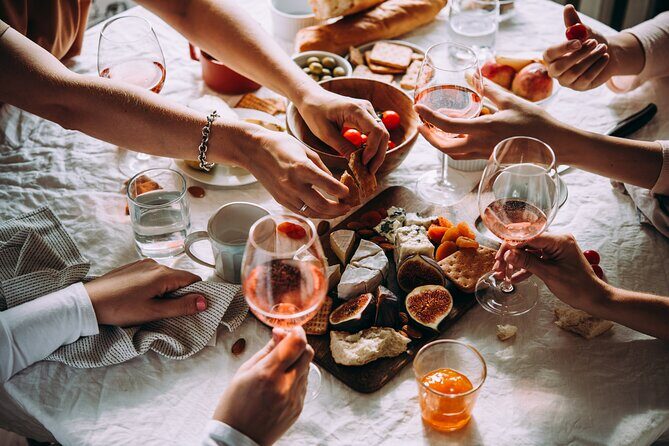
- About 14 food and drink tastings across the whole walk
- Downtown to Mouraria so you see more than one side of the city
- Portuguese classics on the menu, like codfish cake, bifana, and ginjinha
- Drink pairings with stories, including Green Wine, Port, and beer
- Max group size of 12, which keeps the conversation going
Lisbon food and wine, but with the stories behind it
A normal food tour can turn into a checklist: eat this, drink that, move on. This one feels different because the guide keeps explaining the why. Why codfish matters. Why Port became a tradition. Why a small local bar for ginjinha is more than a drink stop.
I like that you’re not just tasting Portuguese gastronomy—you’re learning how it fits into Lisbon life. That matters, because when you understand the background, the food makes more sense on your own later. You’ll find it easier to order confidently at restaurants, pick the right neighborhood, and spot what’s genuinely local versus what’s just convenient.
And because the group is capped at 12 people, the tour doesn’t get rushed. In the best moments, you’ll be chatting while you walk, not waiting in line.
You can also read our reviews of more walking tours in Lisbon


Start at Rossio, end near Restauradores: a city walk with purpose
The route runs from Praça do Rossio to Praça dos Restauradores, with a gentle but real walking component. The tour is designed for people with a moderate physical fitness level, so you should expect stairs, uneven spots, and the usual Lisbon footwork.
Timing is also part of the experience. You’re asked to arrive on time, and a delay of 15 minutes can be accepted; later than that means no-show. That’s not being strict for fun—it keeps the tasting schedule smooth, because each stop relies on the next one.
If you’re planning your day, this is a smart thing to do earlier in your trip. You finish near a central area, so it’s easy to roll right into dinner afterward. Plus, the guide’s recommendations are built from the same instincts that power the tastings: where locals actually go, and what to order when you get there.
The tastings: 14 samples that actually change your sense of Lisbon
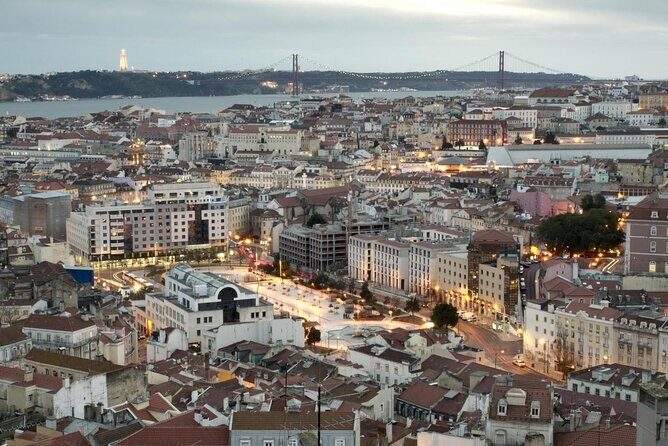
The tour advertises about 14 different tastings, split between drinks and food. That’s a big deal for value. At this price point, you’re not paying like you’re doing one fancy meal. You’re basically buying a guided tour of Portuguese flavor in a condensed half-day format.
Here’s what you can expect to sample along the way:
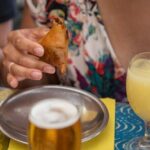
- Codfish cake with Green Wine: You’ll try the famous Portuguese codfish recipe, paired with a glass of refreshing green wine. The guide also explains the historical reason behind this tradition, so the taste comes with context, not just hype.
- Port wine story: You’ll hear the story behind Port wine, which helps you understand why Portuguese wine culture isn’t only about vineyards—it’s about history, trade, and habit.
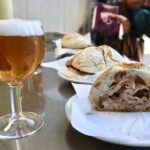
- Bifana with cold beer: A classic bifana (pork sandwich) shows up with a cold beer. This is comfort food in a handheld form, and the stop is a great reminder that Lisbon meals aren’t always sit-down affairs.
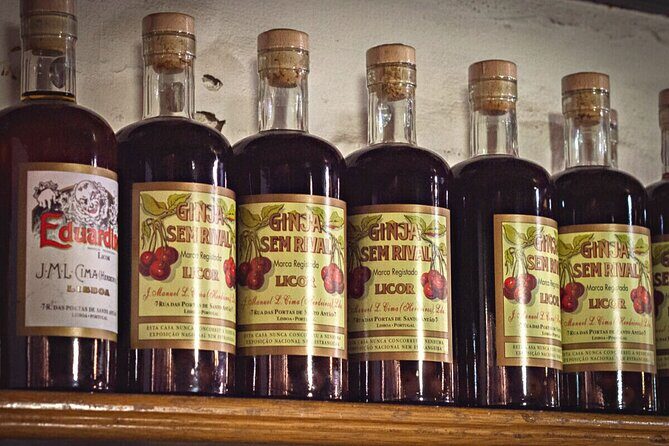
- Ginjinha in an old bar: You’ll toast with ginjinha, a cherry liqueur served in traditional spots. This kind of stop is why a guided walk can beat a self-guided wander—you get the right doorway, not just any bar.
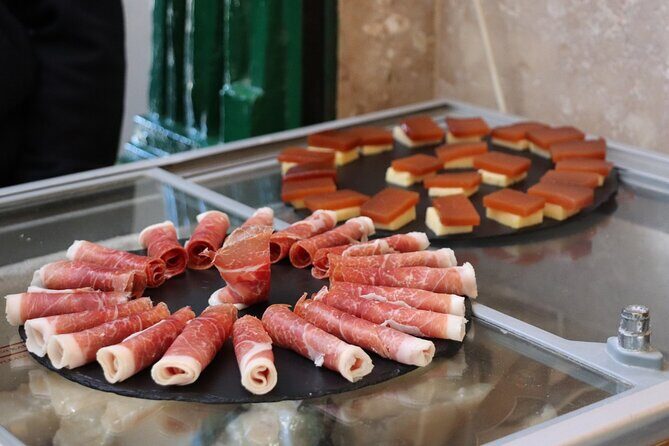
- Cheese, ham, and snack stops: There are additional tastings that include cheese and ham, plus an exotic snack depending on the day.
- Something sweet at the end: The tour ends with a sweet finish, so you don’t have to chase dessert on your own.
One thing I truly like: the food doesn’t feel random. The pairing logic is part of the experience. You learn what goes together in Portugal—then later, you can order with confidence.
Mouraria: where “traditional” means everyday life
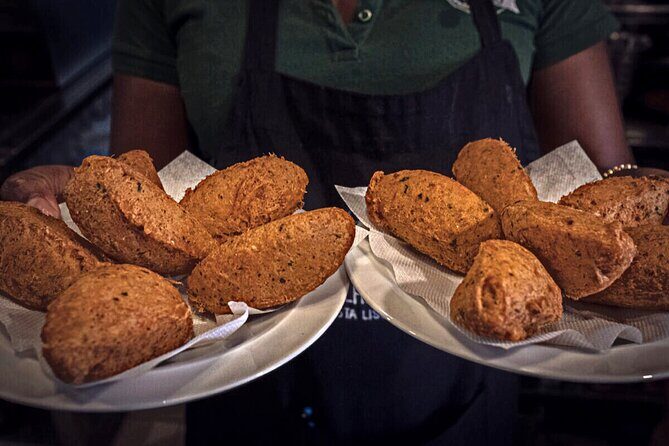
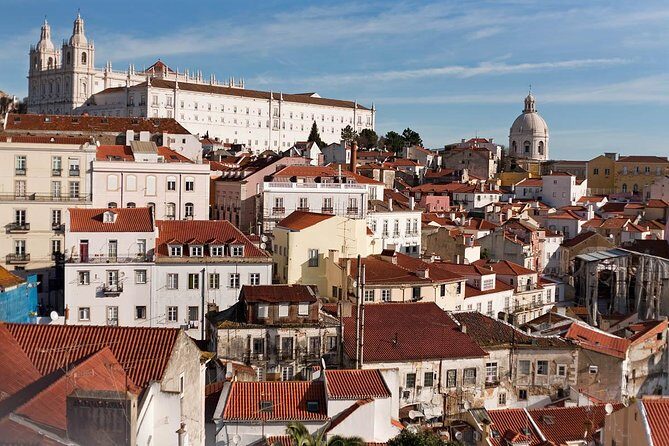
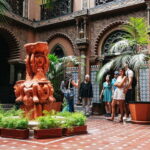
A big part of the appeal here is the change in scenery as you head into the older Mouraria district. The tour moves from downtown energy into a more traditional neighborhood feel, so you’re not only eating—you’re seeing how local Lisbon lives.
Mouraria is the kind of area where small details matter: the narrow streets, the neighborhood rhythm, and the way local food culture shows up in real life. Even when you’re not sure what you’re looking at, the guide’s pacing helps you notice. You’ll get stops that feel grounded, not staged.
One review highlight that matches what you’ll want from a tour like this: you may pass a burnt-out church connected to the roots of Fado music. That kind of moment matters because it links food culture to broader Lisbon culture. Fado and food don’t compete here—they share the same world of tradition and story.
Drinks that matter: Green Wine, beer, Port, ginjinha
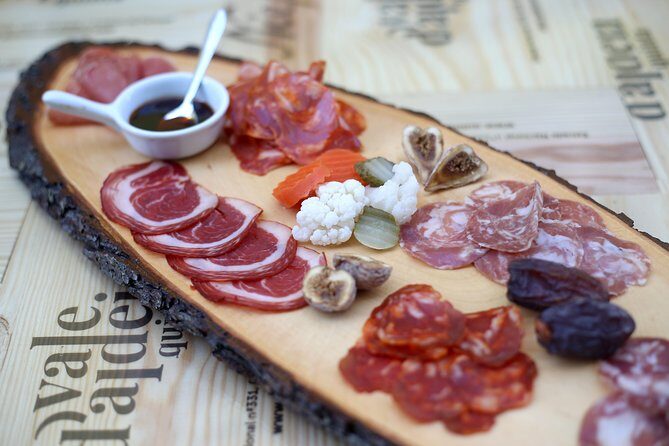
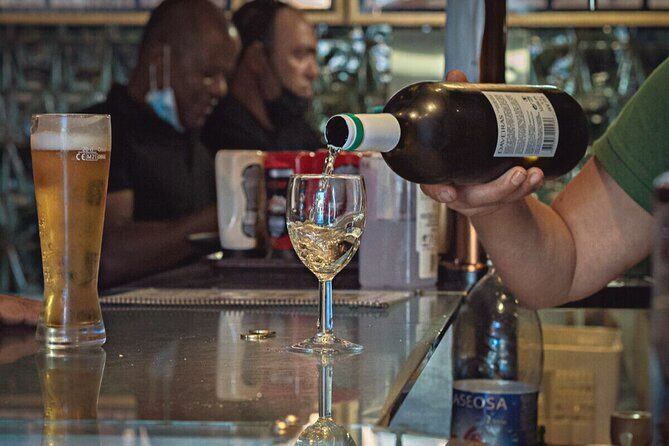
Portugal has plenty of wine, but the difference is how people treat it—as part of daily social life. This tour leans into that, which is why the drinks aren’t just included; they’re explained.
Green wine is especially interesting because it often surprises first-timers. You get a refreshing taste that feels lighter than what some people expect from Portugal. Paired with the codfish cake, it makes the meal feel balanced, not heavy.
Port wine gets the narrative treatment. That helps you understand it as a tradition, not a product. When you can connect taste to story, you’re more likely to remember it later—and more likely to order the right thing the next time you’re choosing a wine.
Beer shows up with the bifana, which keeps the tour practical. You’re tasting what people often grab with casual comfort food. Then ginjinha brings you full circle to something very Lisbon-specific: a local bar ritual, not a trendy cocktail concept.
You can also read our reviews of more food & drink experiences in Lisbon


What the guide style really adds (David, Bruno, Luis, Julia)
The strongest praise in the experience isn’t only about the food. It’s about the guide’s personality and how they connect food to Lisbon.
You might find a guide like David who brings a friendly, laugh-a-lot vibe, mixing historical context with real conversation. Another guide, like Bruno, can shift between food stories and culture topics with a natural flow, and even bring in surprising side conversations. Some guides, like Luis, focus on practical storytelling across geography and history. And Julia can weave in context in a way that works well for families with teens and adults.
Why this matters for you: if you’re the type who gets more out of travel when you talk to people, this tour style helps. You’re not just receiving facts. You’re building a mental map of Lisbon based on how the guide thinks about the city.
Walking amount, pace, and comfort: plan like a local
The tour is not a slow stroll with zero effort. It’s a walking experience designed to cover downtown and move into a more traditional area, and it’s built around a chain of food stops.
So here’s the practical way to prepare:
- Wear comfortable shoes. Lisbon sidewalks can be uneven, and you’ll be on your feet for a solid chunk of time.
- If you’re not a big drinker, pace the alcohol tastings. The tastings are spaced out, but alcohol is part of the flavor experience.
- Don’t show up hungry in a bad way. The tour is built to be eaten through; your stomach will be happier if you eat lightly before and then follow the guide’s sequence.
One more tip that you’ll benefit from: go in with curiosity. If you ask questions, the guide’s answers can widen the whole experience, from where ingredients come from to how different neighborhoods shaped habits over time.
Value check: is $107.68 reasonable for 4 hours?

Let’s talk value in a real way. You’re paying about $107.68 per person for roughly 4 hours with about 14 tastings. That’s not just “one appetizer plus a glass.” You’re getting a set of stops that would cost a lot more if you tried to recreate it yourself without a guide.
Here’s why it works:
- Tastings reduce decision fatigue. You try more variety than you’d pick alone.
- The pairing logic is built in (codfish cake with green wine, bifana with beer, ginjinha in an old bar, and so on).
- The guide saves you time and effort finding the right places in neighborhoods you might not visit on your own.
Could you eat your way around Lisbon for less? Maybe, if you choose cheaper places and skip some drinks. But if you want a concentrated, guided introduction that helps you plan the rest of your trip, the price starts to feel fair.
Also, the max group size of 12 people helps value stay in line. Smaller groups usually mean more time for conversation and fewer bottlenecks at stops.
Who this tour is best for (and who should think twice)
This is a great fit if:
- You’re a food-first traveler who wants Portuguese classics with context.
- You want a guided walk that covers more than one vibe of Lisbon, from central squares toward Mouraria.
- You like talking with the guide and getting practical pointers you can use later.
- You want an easy way to taste a range: codfish, pork sandwich, wine, liqueur, cheese/ham, and sweets.
It may be less ideal if:
- You can’t do alcohol tastings. Alcohol is a significant part of the experience, even though you can pace yourself.
- You struggle with moderate walking. The tour assumes you can handle a half-day on your feet.
- You prefer purely vegetarian or purely low-food tours. The information provided doesn’t promise full customization for every diet, so it’s smart to ask in advance when booking.
That said, one of the standout signs of care from guides is how some of them proactively ask about dietary needs before the tour. So if you have requirements, contact the organizer early and make sure you’re set up for a good day.
Tips to get the most from your food walk
A few small moves can make a big difference:
- Come hungry, but not ravenous. A tour with many tastings moves fast; you’ll enjoy it more if your stomach is ready.
- Ask about the history moments. The codfish tradition and Port wine story add meaning. If you listen, you’ll remember.
- Treat it like research for your future meals. The end of the tour often becomes a shortcut: you’ll know what to look for and what to skip.
And if you’re the kind of person who enjoys conversation beyond food, you’re likely to have a good time. One guide-led tour vibe includes a mix of topics, like agriculture, geography, and even unexpected side interests. That’s a big part of why the experience feels like a visit with locals instead of a lecture with snacks.
Should you book this Lisbon Cultural Food and Wine Walking Tour?
I’d book this if you want a concentrated Lisbon introduction that blends food, drink, and real local context. The combination of about 14 tastings, a walk that takes you from Rossio toward Mouraria, and a guide-driven storytelling approach makes it an efficient way to get your bearings and learn what’s worth ordering later.
I wouldn’t book it if you dislike alcohol or you can’t handle moderate walking. Those are the only two things that can seriously change your enjoyment level, because alcohol and movement are part of the design.
If you’re on the fence, ask yourself one question: do you want a guided taste of Portuguese classics plus neighborhood context? If yes, this is the kind of tour that can set the tone for the rest of your trip.
FAQ
How long is the Lisbon Cultural Food and Wine Walking Tour?
It lasts about 4 hours.
What are the start and end points?
The tour starts at Praça do Rossio and ends at Praça dos Restauradores. The end point is listed as Praça dos Restauradores, 1250-096 Lisboa, Portugal.
How many people are in the group?
The tour has a maximum of 12 travelers.
What food and drinks are included?
You’ll do about 14 different tastings (between food and drinks), including Portuguese codfish cake with green wine, Port-related tastings with story, bifana with cold beer, ginjinha at an old bar, plus cheese, ham, an exotic snack, and something sweet.
Is the tour suitable for people with mobility limits?
The tour notes that travelers should have a moderate physical fitness level.
Can I cancel for a full refund?
Yes. Free cancellation is available up to 24 hours in advance for a full refund.