REVIEW · LISBON
Walking tour: Lisbon in the Shadows of World War II
Book on GetYourGuide →Operated by Guide Leonor Abrantes · Bookable on GetYourGuide
Lisbon has a second wartime face. This walk focuses on how World War II turned the city into a waiting room for people fleeing Nazi persecution, while also feeding an international shadow world of spies. You’ll move through central streets where the stories are political, personal, and practical all at once.
I especially like the way the tour connects Estado Novo neutrality to real human decisions: waiting for visas, relying on pensions and aid groups, and trying to stay safe under constant observation. I also like the stop-by-stop format that blends big-picture context with quick, concrete details like the café culture around war news—plus the guide’s prepared materials.
One thing to keep in mind: it’s a walking tour meant for people who can handle regular strolling and city sidewalks. The info includes wheelchair accessibility but also notes it may not work well for people with mobility impairments, so I’d confirm your needs before booking.
In This Review
- Key Points Worth Marking on Your Map
- Why Lisbon Became a Waiting Room for Refugees and Spies
- Starting at Marquês de Pombal: The Past Comes First
- Parque Eduardo VII and Avenida da Liberdade: Big Streets, Wartime Meaning
- Restauradores Square and Baixa de Lisboa: The City Gets Practical
- Chiado Cafés: How War News Changed the Way People Sat Down
- Praça Dom Pedro IV to Cais do Sodré: From Waiting to Leaving
- Price and Logistics: What $170 Really Buys You
- Who This Tour Suits Best
- Should You Book Lisbon in the Shadows of World War II?
- FAQ
- How long is the Walking Tour Lisbon in the Shadows of World War II?
- Where does the tour start?
- Where does the tour end?
- How much does the tour cost?
- What’s included in the price?
- Are food and drinks included?
- What languages is the guide available in?
- Will the tour run in bad weather?
- Is hotel pickup and drop-off included?
- FAQ
- How long is the Walking Tour Lisbon in the Shadows of World War II?
- Where does the tour start?
- Where does the tour end?
- How much does the tour cost?
- What’s included in the price?
- Are food and drinks included?
- What languages is the guide available in?
- Will the tour run in bad weather?
- Is hotel pickup and drop-off included?
Key Points Worth Marking on Your Map
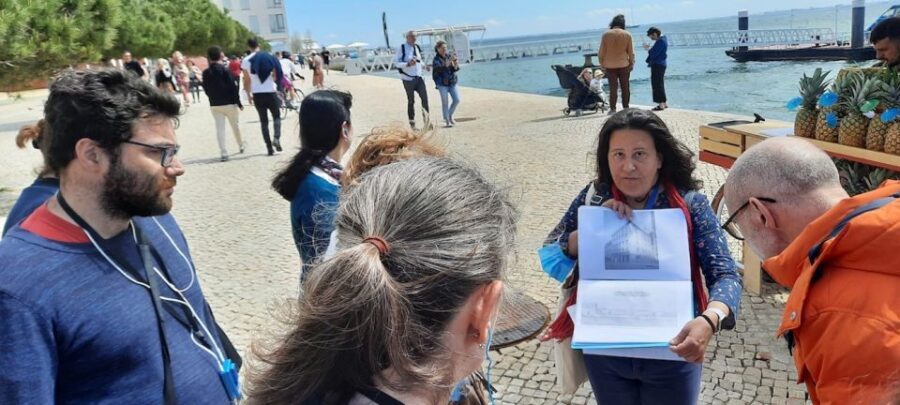
- Refugee survival meets spycraft: you’ll see how Lisbon could be both shelter and surveillance.
- A clear route through the center: you cover viewpoints, grand boulevards, and historic quarters in about 3 hours.
- Cafés as information hubs: coffee-and-pastry stops become a lens on wartime fear and rumor.
- A guide with prepared backup: Leonor Abrantes brings supplemental materials to keep the stories grounded.
- Finish near the river: you end at Cais do Sodré, close to snacks and an easy follow-on plan.
Why Lisbon Became a Waiting Room for Refugees and Spies
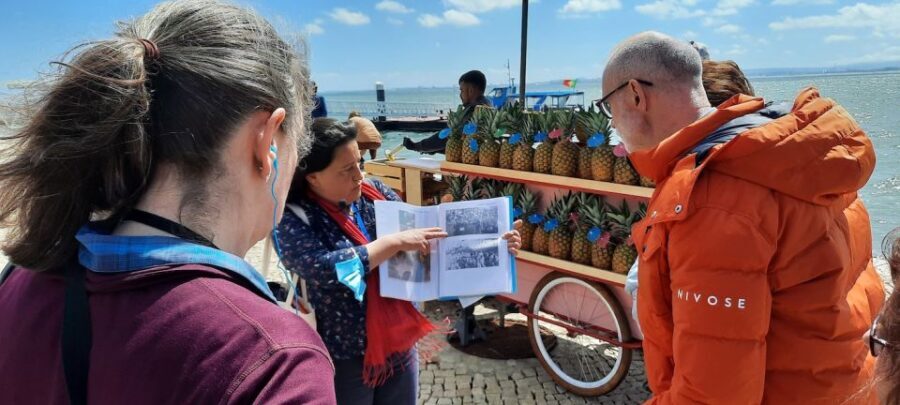
World War II didn’t just happen in battlefields. Lisbon showed another kind of pressure: governments, paperwork, and people trying to get out. Portugal stayed neutral under the dictatorship of António Oliveira Salazar, and that neutrality made Lisbon attractive—especially for refugees hoping to secure visas and leave war-torn Europe.
What I like about the tour’s angle is that it treats Lisbon as a real system, not just a backdrop. You learn how the Estado Novo regime handled refugees and how the Portuguese political police kept a close eye. In other words, you’re not only hearing dramatic stories; you’re seeing how power worked in everyday life. That matters because it helps you understand why strangers felt both hopeful and afraid in the same neighborhoods.
The city’s “sad paradise” reputation wasn’t purely romantic. It was a practical mix: pensions and aid organizations offered support, while the spy networks of multiple sides used Lisbon’s constant flow of people and information. Even if you don’t care about espionage, this framing makes the city’s streets feel more human. The café chatter, the waiting, the guarded conversations—it all makes sense in context.
You can also read our reviews of more walking tours in Lisbon


Starting at Marquês de Pombal: The Past Comes First
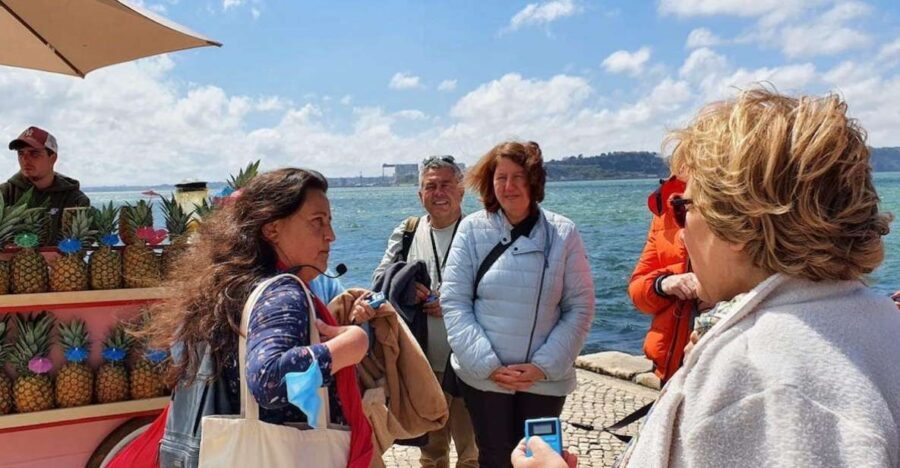
The walk begins at Praça Marquês de Pombal 12, right in front of Café A Padaria Portuguesa. This is a smart place to start because you’re near a part of Lisbon where the city’s public face meets the stories that happened just beneath it.
The tour also points you toward the area’s wartime association with the once-famous Hotel Aviz. That detail is useful because it trains your eyes: instead of only seeing architecture and traffic patterns, you start looking for what might have been happening nearby—meetings, arrivals, and conversations that didn’t look like they mattered until you know why they mattered.
Before you even settle into the next streets, you get an immediate theme: Lisbon as a waiting room. Visas weren’t an abstraction. Aid organizations weren’t charity theater. They were part of the city’s wartime function, helping refugees survive long enough to move forward.
If you like tours that make you walk smarter—rather than just faster—you’ll appreciate how the first minutes set up the logic for everything that follows.
Parque Eduardo VII and Avenida da Liberdade: Big Streets, Wartime Meaning
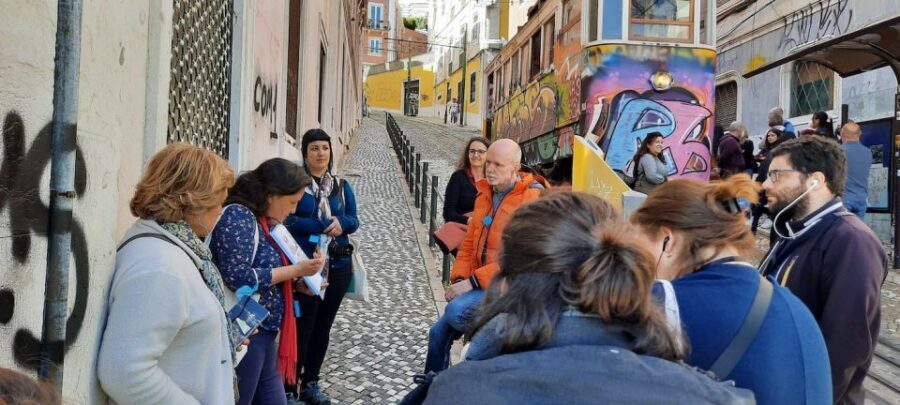
Your first real stop is Parque Eduardo VII, with a photo stop and guided time. It’s a good early break because it helps you orient. From here, you get a sense of scale—how Lisbon’s geography and street layout could shape movement, hiding places, and where people would naturally cross paths.
Then you head to Avenida da Liberdade, one of Lisbon’s headline boulevards. The tour uses this kind of street on purpose. In peacetime, Avenida da Liberdade feels like a grand stroll. In wartime context, it becomes something else: a corridor where news travels, where identities can be noticed, and where political attention can find you.
This is where I like the tour’s balanced storytelling. You’re not stuck in one mood. It’s not only refugees. It’s also British, German, and American spies moving through Lisbon and its surroundings, watched by the ever-watchful Portuguese political police. That shift keeps the story from becoming one-note.
Restauradores Square and Baixa de Lisboa: The City Gets Practical
Next up is Restauradores Square, followed by a shorter guided section through Baixa de Lisboa. These segments work well if you want the history to feel anchored to daily city life.
Baixa is the kind of area where people naturally circulate. That makes it a good place to understand why Lisbon could function as a crossroads for both civilians and operatives. When the tour talks about policies toward refugees and the reality of being monitored, the surrounding streets help you grasp the tension. You can feel how anonymity would be hard to maintain—not impossible, but harder than you’d expect.
At this point, you’ll also start picking up the tour’s recurring theme: the way the city’s support system and its surveillance system sat side by side. Pensions and compassionate aid organizations offered relief. Political police watched from the shadows. The effect is that you experience Lisbon as a place of careful movement—how people waited, how they negotiated risk, and how they kept going anyway.
A small caution: this is the middle of the walk. If you get easily tired on uneven paving or long straight sections, plan water and slow pacing. You’re on your feet for about 3 hours total, and these central neighborhoods add up.
Chiado Cafés: How War News Changed the Way People Sat Down
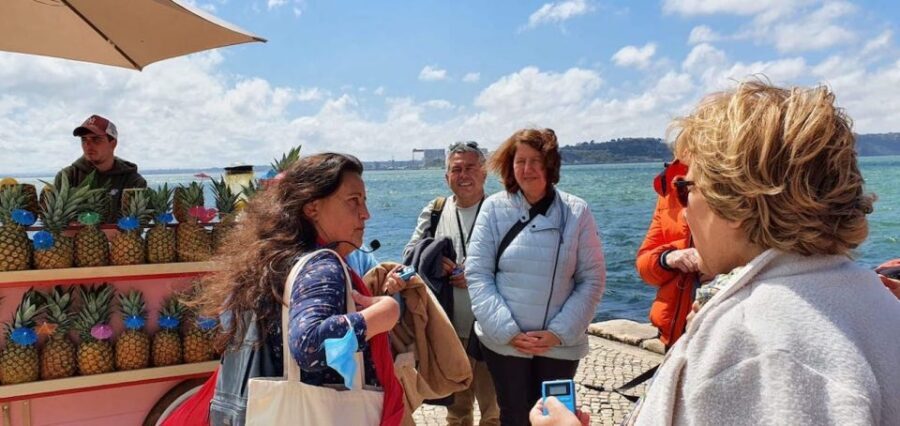
You’ll spend time in Chiado, and the tour brings you into the city’s café world for a big reason: wartime Lisbon didn’t just run on documents. It ran on information.
The stops include Café Chave d’Ouro and Pastelaria Suiça. In plain terms, you’re seeing how public spaces shaped private emotions. The presence of spies from opposing factions meant that conversations carried extra weight. What would normally be small talk could become dangerous. What you say, who you notice, and what you assume—all of that becomes part of the atmosphere.
This is also where the tour’s mood makes sense. The war news brought both excitement and trepidation. That double feeling is key to understanding Lisbon at the time. People weren’t simply waiting in fear. They were also actively watching for openings—social, political, and personal—any sign that a route out might open.
If you enjoy history that connects culture to power, Chiado is the payoff moment. It’s one thing to learn about espionage. It’s another to picture people hesitating over pastries, scanning faces, and wondering who else was listening.



Praça Dom Pedro IV to Cais do Sodré: From Waiting to Leaving
The walk continues to Praça Dom Pedro IV and then finishes at Cais do Sodré, near the river. This ending matters because it gives you a clean narrative arc. Lisbon starts as a place where people hope for visas; it ends near the water where departures feel imaginable.
The tour also covers an important wartime detail: the looming threat of an Axis invasion. That threat changed how Lisbon prepared, including steps to protect significant monuments and buildings in case of bombings. You don’t need to know every military fact to appreciate what it did to civic life. People plan differently when the sky might drop the wrong future on your street.
When you reach Cais do Sodré, you’re positioned for a practical next step. You’ll be within walking distance of Time Out Market, which makes this tour easy to tack onto a longer day. I like that kind of ending: you’re done with the heavy thinking, and you can switch to simple food and people-watching right away.
Price and Logistics: What $170 Really Buys You
The price is $170 per group up to 6, with the experience running as a small-group format (up to 12 people). In practice, that means your value depends on who you’re bringing. If you’re booking as a tight group of friends or family, you’ll feel the cost most strongly in a good way: you get a guided experience without the expense of private-only pricing.
The tour lasts 3 hours, which is a sweet spot for this kind of storytelling. Lisbon isn’t just a museum city. You need walking time to connect neighborhoods, streets, and street-level clues. Three hours is enough to build context and still leave room for your own browsing afterward.
Included in the experience is the live guide, in English and German. It’s also run as a private group option. That matters because WWII storytelling benefits from questions and pacing, and smaller settings usually make that easier.
Two practical points:
- It runs rain or shine, so bring a light layer even if the forecast looks promising.
- It doesn’t include food or drinks. You’ll be around café stops and the theme will make you want something sweet, so budget either for a snack or for skipping buying anything if you’re traveling light.
Who This Tour Suits Best
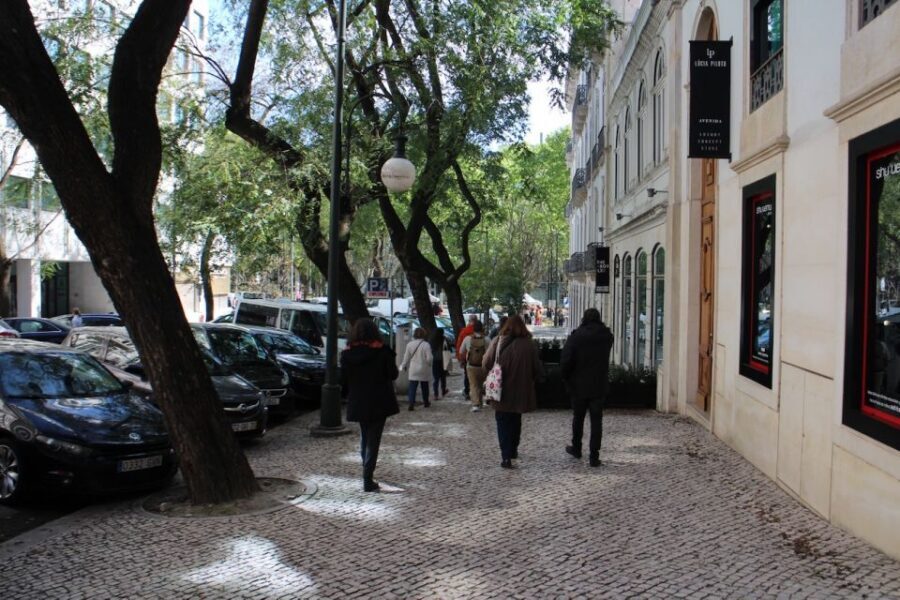
This is a great pick if you like history that feels like real life: the paperwork, the fear, the favors, the rules, and the people who kept moving anyway. It also fits you if you’re curious about Lisbon beyond postcard tiles and waterfront views.
I’d especially recommend it if you:
- Enjoy stories that mix refugees and espionage without turning either into a gimmick
- Like guided explanations that include extra materials, not just spoken facts
- Want a focused central-route walk rather than a long, sprawling day
If you want pure architecture only, you might find the narrative heavy. But if you want to understand why Lisbon’s streets held so many secrets during WWII, this route is built for you.
Should You Book Lisbon in the Shadows of World War II?
Yes, I think you should book it—especially if you’re the type who likes your travel with a strong theme. The strongest reason is the tour’s structure: it ties large historical forces (Portugal’s neutrality under Salazar, refugee policy, the role of Portuguese political police) to small, memorable moments (café culture, war news anxiety, the way Lisbon prepared for invasion).
It’s also a good use of time. Three hours in central Lisbon gives you a coherent storyline, and the finish near Cais do Sodré lets you turn that story into a relaxed end-of-day plan by the river.
Just do one check before you commit: if you have mobility needs, look closely at your own limits and confirm suitability. The info includes wheelchair accessibility and also says it’s not suitable for mobility impairments, so it’s worth getting clarity for your exact situation.
FAQ
How long is the Walking Tour Lisbon in the Shadows of World War II?
It lasts 3 hours.
Where does the tour start?
The meeting point is in front of Café A Padaria Portuguesa at Praça Marquês de Pombal 12.
Where does the tour end?
The tour finishes at Cais do Sodré, near the river.
How much does the tour cost?
The price is $170 per group up to 6.
What’s included in the price?
It includes a live tour guide and a small-group format.
Are food and drinks included?
No. Food and drinks are not included.
What languages is the guide available in?
The tour guide is available in English and German.
Will the tour run in bad weather?
Yes. The tour takes place rain or shine.
Is hotel pickup and drop-off included?
No. Hotel pickup and drop-off are not included.
FAQ
How long is the Walking Tour Lisbon in the Shadows of World War II?
It lasts 3 hours.
Where does the tour start?
The meeting point is in front of Café A Padaria Portuguesa at Praça Marquês de Pombal 12.
Where does the tour end?
The tour finishes at Cais do Sodré, near the river.
How much does the tour cost?
The price is $170 per group up to 6.
What’s included in the price?
It includes a live tour guide and a small-group format.
Are food and drinks included?
No. Food and drinks are not included.
What languages is the guide available in?
The tour guide is available in English and German.
Will the tour run in bad weather?
Yes. The tour takes place rain or shine.
Is hotel pickup and drop-off included?
No. Hotel pickup and drop-off are not included.