REVIEW · LISBON
Lisbon: Experience the Queen of Fado at AH AMÁLIA
Book on GetYourGuide →Operated by Ah Amália - Living Experience · Bookable on GetYourGuide
Fado comes to life on screens and sound. This is a high-tech biography show about Amália Rodrigues and Portuguese fado, using 360º projections plus a VR movie to get you closer to the music. One thing to consider: it’s not a relaxed, sit-and-read museum visit, and people with vertigo should skip it.
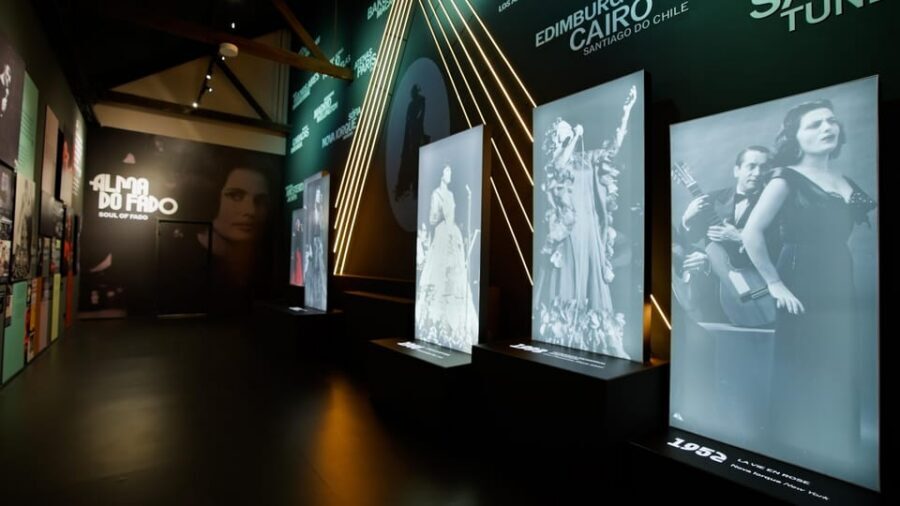
I like that it covers Amália’s work and story in a purpose-built space spread across 8 rooms (about 700m²), so the setting blends old-school emotion with new-school technology. If you’re traveling with kids, you get free entry for children up to 6 years old, which is rare for a ticketed cultural show.
Plan on Portuguese and English narration, and know it’s wheelchair accessible. If you need accommodations for visual impairment, the experience says it’s not suitable for visually impaired people, so it’s worth double-checking before you commit.
In This Review
- Key things I think you’ll notice right away
- What this Amália and fado experience really is (and why it’s worth your hour)
- The “8-room” journey: how the story chapters connect you to Portugal and Lisbon
- 1) The opening: getting your bearings fast
- 2) Her work and artistic identity
- 3) Lisbon and Portugal as the emotional backdrop
- 4) Social and personal life
- 5) The international angle
- 6) The closing: letting sound do the final work
- The tech showpieces: 360º video, VR, holograms, and what they mean for you
- Sound, language, and how to enjoy it even if your Portuguese is rusty
- Tickets and value: is €20 worth an hour of tech and fado?
- Where to fit it into your Lisbon day (and how to plan around the location)
- Who should book this, and who should skip it
- The small practical realities that affect your enjoyment
- Should you book Ah Amália in Lisbon?
- FAQ
- How long is the Amália Rodrigues experience?
- Where is it located in Lisbon?
- What’s included with the ticket?
- What languages are offered?
- How much do tickets cost?
- Is it suitable for children?
- Is food and drink allowed inside?
- Is it wheelchair accessible?
- Can I cancel and get a refund?
Key things I think you’ll notice right away
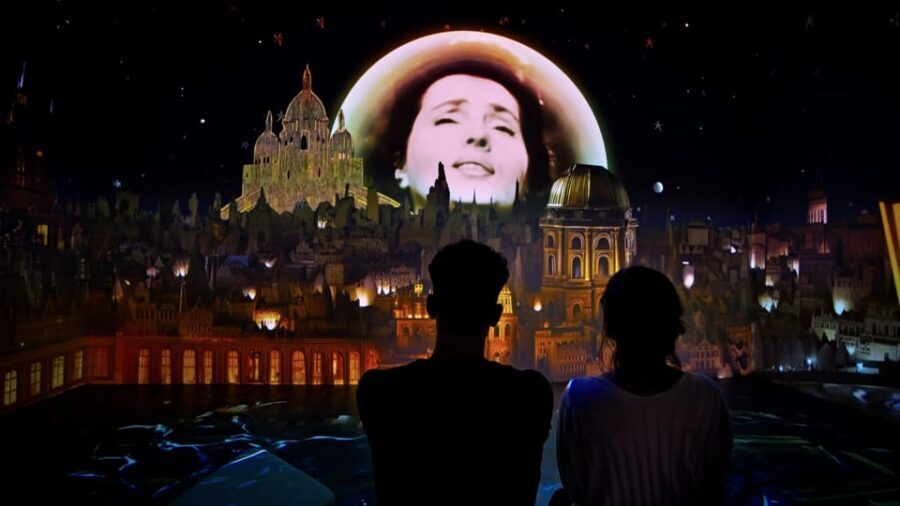
- 360º projections that put you in the middle of fado-era visuals, not off to the side
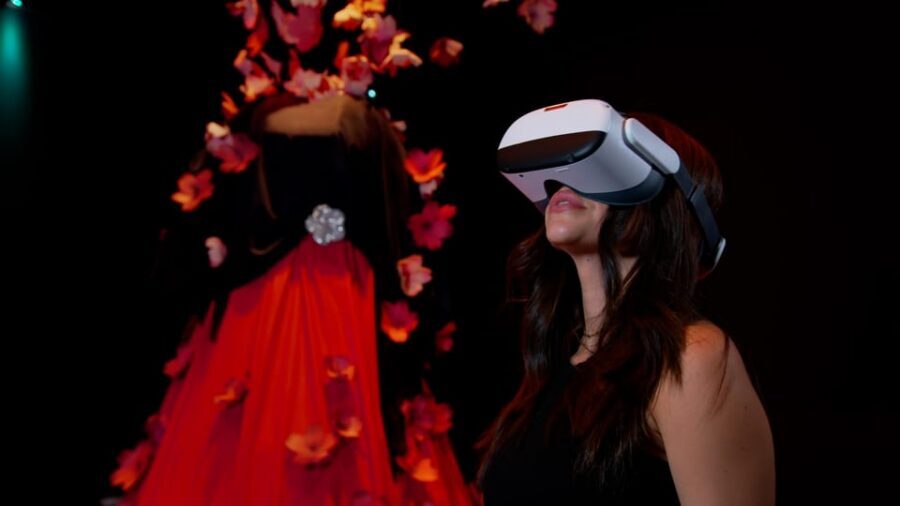
- A VR movie and life-sized holograms that turn the story into something you watch and listen to, not just read
- A full hour that works well for families and for travelers who don’t want a half-day commitment
- Amália’s multiple sides (artistic, social, personal, international) presented as story chapters across the rooms
- No food or drinks allowed, so you’ll stay focused on the show and its sound design
- Clear language limits: Portuguese and English only, so plan your comfort level with those
What this Amália and fado experience really is (and why it’s worth your hour)
Ah Amália: Living Experience is built like a modern tribute show, but the goal is simple: help you understand fado by understanding Amália Rodrigues. The experience is a sensory biography that mixes storytelling, sound, and visuals in a space designed for short, powerful moments. In a little over an hour, you’ll move through themed areas that focus on her career and her life, plus how she fit into Portugal and Lisbon.
The value here is timing and clarity. At some cultural stops, you wander, decode, and hope you connect the dots. Here, you’re guided through the dots: you get context for why Amália mattered, and you get to experience fado as a performance experience instead of only as audio on your phone. The show’s “old meets new” approach matters too. It’s not trying to pretend the past was clean and modern. It’s using today’s tech to make the emotional punch land fast.
Still, this is very much a show. If you’re looking for quiet, traditional sightseeing, this won’t scratch that itch. It’s also technology-forward, which is exactly why it’s great for many people and a bad fit for others—especially anyone with motion sensitivity.
You can also read our reviews of more tours and experiences in Lisbon.



The “8-room” journey: how the story chapters connect you to Portugal and Lisbon
You’ll spend your time across 700m² and eight rooms, and the format is designed like chapters rather than a walking tour. The experience focuses on Amália and fado in several angles: her work, her story, and the way Portugal and Lisbon show up in her music. You’ll also see her presented as more than one persona—artistic, social, personal, and international.
Here’s how the pacing usually feels, and what to watch for as you go:
1) The opening: getting your bearings fast
Expect an introduction that frames who Amália was and why fado isn’t just a genre. This first section matters because it sets up how to listen. If you come in knowing little about her, the show helps you catch the meaning of what you hear. If you already know some fado, it helps you place it in context.
A practical note: start with attention. The show is time-efficient, and early moments help everything that follows make sense.
2) Her work and artistic identity
One chunk of the experience focuses on Amália’s songs and what made her voice so recognizable. Instead of treating her like a single famous singer, the story presentation emphasizes facets of her artistry. You’ll likely find audio and visual elements working together here—helping you understand that fado performance is about storytelling and presence.
The benefit for you: you’ll leave with a clearer sense of what you were listening to, not just that it sounded good.
3) Lisbon and Portugal as the emotional backdrop
Because the show links Amália’s work to the country and the city of Lisbon, you get more than performance clips. You get a sense of place—the atmosphere and cultural framing that helps explain why the music carries the weight it does. For many visitors, this is where fado stops being a label and starts becoming a lived sound.
If you love city storytelling, this part is the bridge between Lisbon sightseeing and fado understanding.


4) Social and personal life
The experience doesn’t keep her in a purely artistic box. It presents her social and personal side too, using story-driven displays rather than a plain biography timeline. That matters because it helps explain how artists become icons—through relationships, public image, and the choices that shape a career.
This is also where you might feel the show’s emotional tone most strongly. It’s not just facts. It’s atmosphere.
5) The international angle
Amália is presented as an international figure, so you’ll get perspective on how she traveled beyond Portugal, and how her voice resonated outside her home country. This segment is useful if you’re the kind of traveler who likes to connect a local tradition to the wider world.
Even if you’re new to fado, the international framing helps you see why people keep returning to her legacy.
6) The closing: letting sound do the final work
Near the end, the show’s job is to land the emotional takeaway. You’ll likely leave with a stronger connection to fado as a performance—and with Amália feeling less like a name on a poster and more like a full person.
Given the one-hour format, you won’t feel dragged. It’s designed to finish while you’re still engaged.
The tech showpieces: 360º video, VR, holograms, and what they mean for you
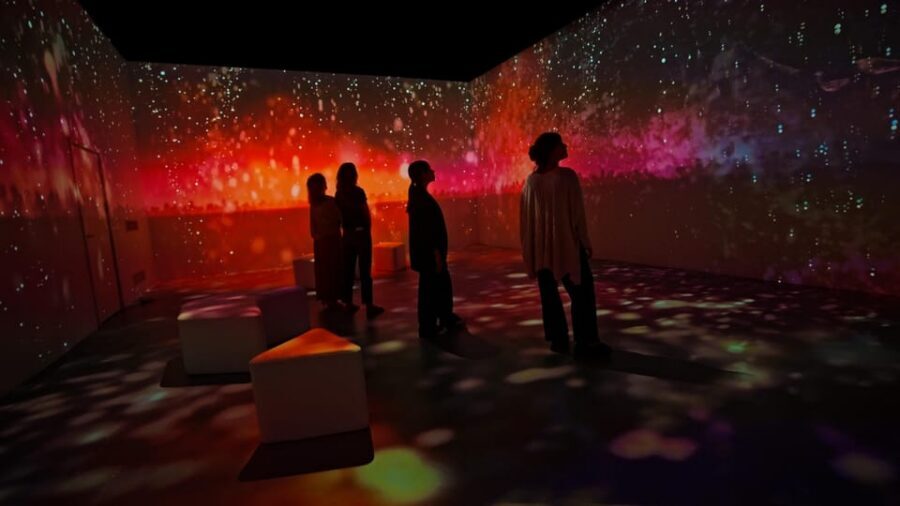
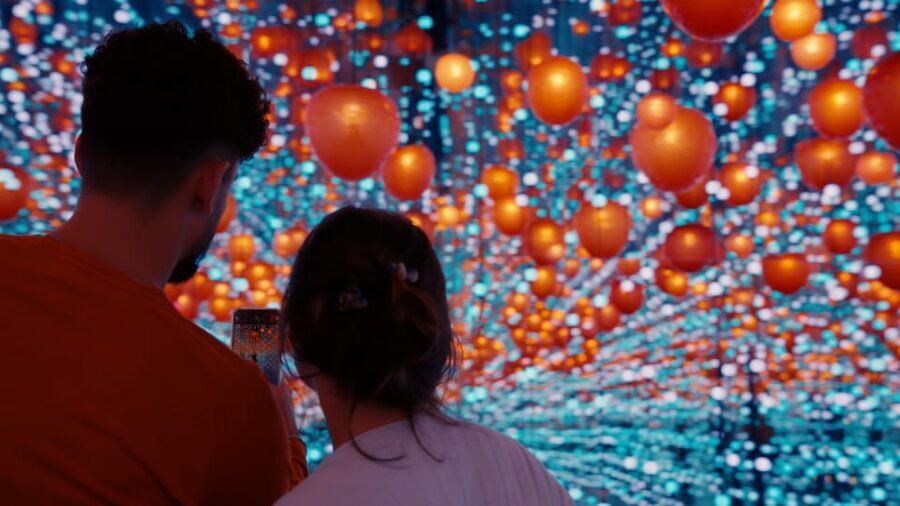
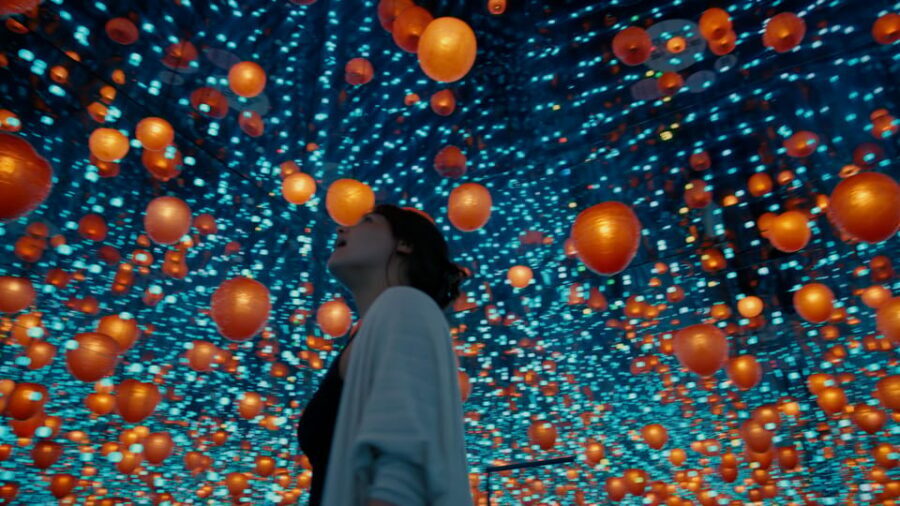
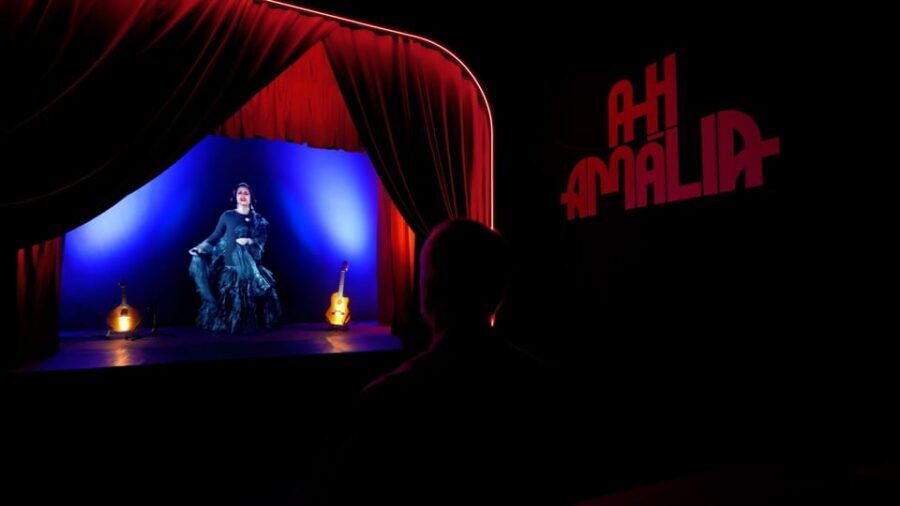
The headline features are big: 360º projections, a virtual reality movie, life-sized holograms, plus light installations and sound-and-visual displays. These tools aren’t just decoration. They’re the mechanism the experience uses to translate memory and emotion into something you can see and hear together.
Here’s what this means in real terms:
- 360º projections help you feel surrounded by the imagery, which supports storytelling rather than distracting from it.
- VR can make the music and scenes feel more immediate, especially if you’re the type who learns by watching.
- Holograms are used to bring Amália into the space in a way that feels closer than a standard screen presentation.
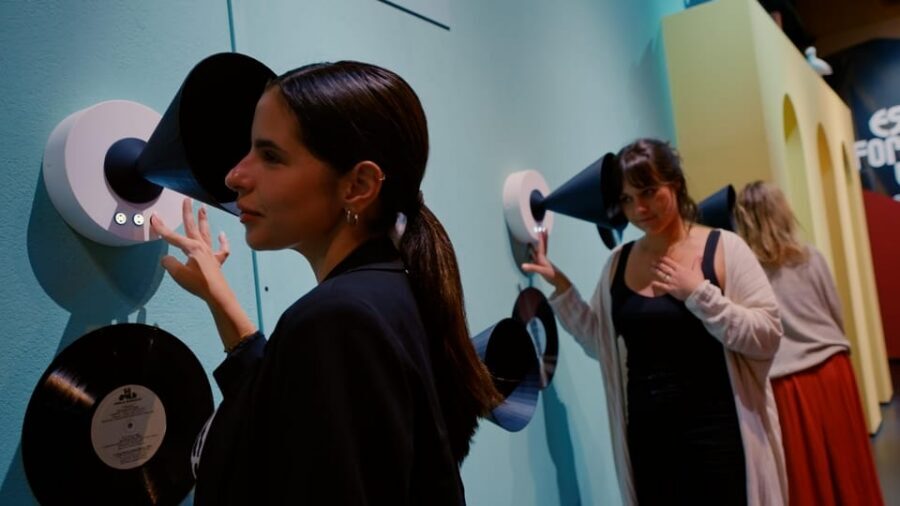
- Sound and visuals are clearly treated as a package, so the audio isn’t an afterthought.
The key drawback is also tied to technology: it can be intense. If you get motion sickness easily, or if VR triggers discomfort for you, this is not the right match. The experience explicitly notes vertigo isn’t suitable.
Sound, language, and how to enjoy it even if your Portuguese is rusty
The show offers languages in Portuguese and English. That’s a big deal, because fado isn’t only musical mood—it’s also story and phrasing. Even when you can’t follow every lyric, the show’s narration and context help you understand what you’re hearing.
So here’s my practical advice: don’t treat this like a passive show where you can half-watch. If you want it to click, track the narration in the language you’re most comfortable with. The experience is set up for your attention, and it moves at a show pace.
Also, since the experience is described as an all-ages cultural option, it’s usually family-friendly in tone. But family-friendly doesn’t mean slow. It still compresses a lot of story into one hour.
Tickets and value: is €20 worth an hour of tech and fado?
Regular tickets are listed at €20 (your summary notes about $23). The pricing drops for families, students, and seniors:
- Family: €15/person (with specific conditions: minimum 2 adults + 1 child aged 7–17)
- Student: €17
- Under 17 (7–17): €17
- Senior (+65): €17
- Reduced mobility: €17
- Kids up to 6: free
Is it worth it? For me, the value question comes down to what you’re actually buying: context plus a tech-driven format. If you’re already a fado fan, the price might feel like a splurge compared to a casual evening performance. If you’re new to fado, it can be a strong “starter” experience because it gives you story framing in one hour—exactly the time most people can spare without losing the rest of their Lisbon day.
That also means it’s not the cheapest thing to do in Lisbon. One caution: some people do label it as expensive, so if your budget is tight, decide based on your interest in Amália and your tolerance for tech-forward shows.
Where to fit it into your Lisbon day (and how to plan around the location)
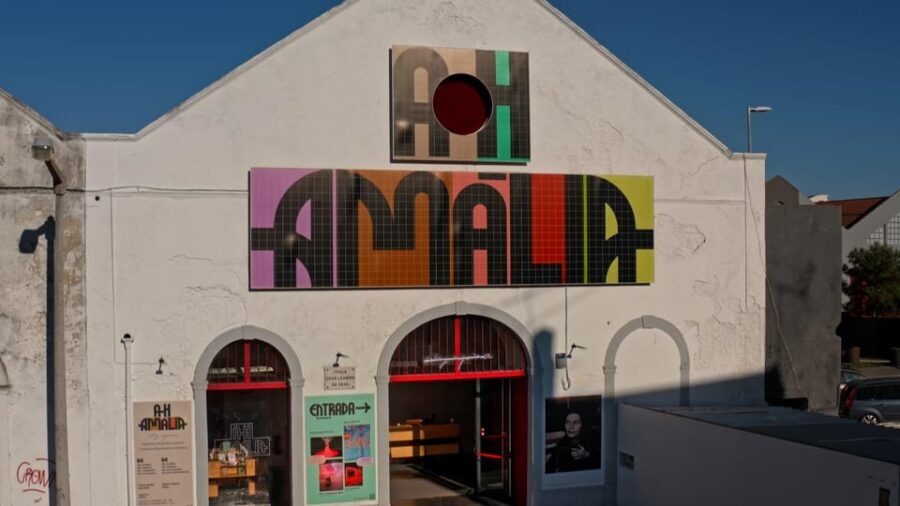
The address is Praça David Leandro da Silva 16, 1950-242, Lisbon. This matters because it can influence how you schedule the rest of your day. If you’re staying in the main tourist core, you may want to plan your transport so you don’t feel rushed.
Because the experience is about one hour, you can treat it like an evening anchor or a mid-day reset. It’s short enough that you can do it without sacrificing a big museum or long walking loop, but it’s structured enough that you shouldn’t stack it with another time-sensitive ticket right before or after.
Also, no food and drinks are allowed. That’s not a dealbreaker, but it does affect your logistics. Eat beforehand, then go in with a clear head and focus on the sound and visuals.
Who should book this, and who should skip it
This experience is a great fit if:
- You want a fast way to understand Amália Rodrigues and fado as a story, not just background music
- You’re curious about how modern tech can show cultural heritage
- You like audio-visual experiences where sound and visuals work together
- You’re traveling with kids over 6 and want a cultural activity that fits within one hour
You should probably skip it if:
- You have vertigo or motion sensitivity (the show includes VR and other effects)
- You need an option designed for visually impaired visitors (it’s listed as not suitable)
- You want a quiet traditional museum vibe, with low stimulation and lots of self-paced wandering
Wheelchair access is listed as available, which is good news if you need that. In practical terms, I’d still plan to arrive early enough to get settled without stress.
The small practical realities that affect your enjoyment
A few details can quietly make or break the experience for you:
- Language matters. Choose the Portuguese or English option you’ll follow best.
- Time matters. The show is designed for about an hour, so don’t plan it like a flexible stop.
- Food and drinks are out. If you’re hungry, fix that before you go in.
- It’s a sensory format. If you don’t like VR-style effects, think twice.
There’s also a location-and-opening reality to keep in mind: one guest report flagged serious issues with the venue being closed on a travel day. I can’t guarantee that pattern, but if your schedule is tight, it’s smart to double-check status before you set out.
Should you book Ah Amália in Lisbon?
Yes, if you want a short, story-driven way to understand Amália and fado, and you’re open to 360º visuals, VR, and holograms. It’s a good value when you compare it to the cost of adding multiple separate fado-related stops—because this gives you context plus performance energy in one hour.
Skip it if you’re motion-sensitive, need accommodations beyond what’s listed, or prefer classic, self-paced museums. For everyone else, it’s one of the more “Lisbon-specific” choices you can make, because it ties Amália’s legacy directly to Lisbon and the feeling of Portuguese fado.
If you book, plan your transport to the Praça David Leandro da Silva area, eat first (no inside snacks), and go in ready to watch and listen closely. You’ll come out with Amália clearer in your head—and fado easier to recognize on the next night you hear it.
FAQ
How long is the Amália Rodrigues experience?
The experience lasts about 1 hour.
Where is it located in Lisbon?
It’s at Praça David Leandro da Silva 16, 1950-242, Lisbon.
What’s included with the ticket?
Your ticket includes entrance to the immersive biographical experience about Amália Rodrigues and fado.
What languages are offered?
The languages listed are Portuguese and English.
How much do tickets cost?
Regular tickets are listed at €20, with other prices available: family €15/person, students €17, under 17 (7–17) €17, seniors (+65) €17, and reduced mobility €17.
Is it suitable for children?
Children up to 6 years old enter for free. It also notes the experience is for all ages.
Is food and drink allowed inside?
No. Food and drinks are not allowed.
Is it wheelchair accessible?
Yes, wheelchair accessibility is listed.
Can I cancel and get a refund?
Free cancellation is offered up to 24 hours in advance for a full refund.