REVIEW · EVORA
The Roman Tour & Wine tasting.
Book on GetYourGuide →Operated by Moma Side My Bike · Bookable on GetYourGuide
Wine and Rome walk side by side in Évora. What makes the Roman Tour & Wine tasting special is the way the story of Roman Évora leads straight into how wine was made using clay pots, then ends with a proper tasting instead of stopping at photos. I also love the human side of the experience: guides like Paulo/Paolo and Vanessa bring the streets to life with clear, energetic explanations you can actually follow.
One practical drawback: Évora’s streets are cobblestone-heavy, so the tour is not for wheelchairs or anyone with mobility limits. Also, the meeting point near the Church of Santo Antão can be a little confusing if you rely only on Google Maps, so I’d plan to verify the spot first.
In This Review
- Key things I’d note before you go
- Where the tour begins: Praça do Giraldo’s easy-to-find starting energy
- The 3-hour guided walk: Roman traces you’ll actually notice
- A small heads-up on “where you’ll go”
- Old places of worship, tavern vibes, and the meaning of everyday spaces
- Clay pots and ancient winemaking: the story behind the taste
- The aqueduct aftermath: why water history matters for wine
- Wine tasting in Évora: what to focus on when you’re done walking
- Timing reality check
- Price and value: is $49 fair for a Roman + wine combo?
- Logistics that can trip you up (and how to handle them)
- Who this tour fits best (and who should skip it)
- Should you book the Roman Tour & Wine tasting in Évora?
- FAQ
- Where does the tour start?
- How long is the experience?
- What’s included in the price?
- Is transportation to Évora included?
- Are children allowed?
- Is it wheelchair accessible?
- What should I bring?
Key things I’d note before you go
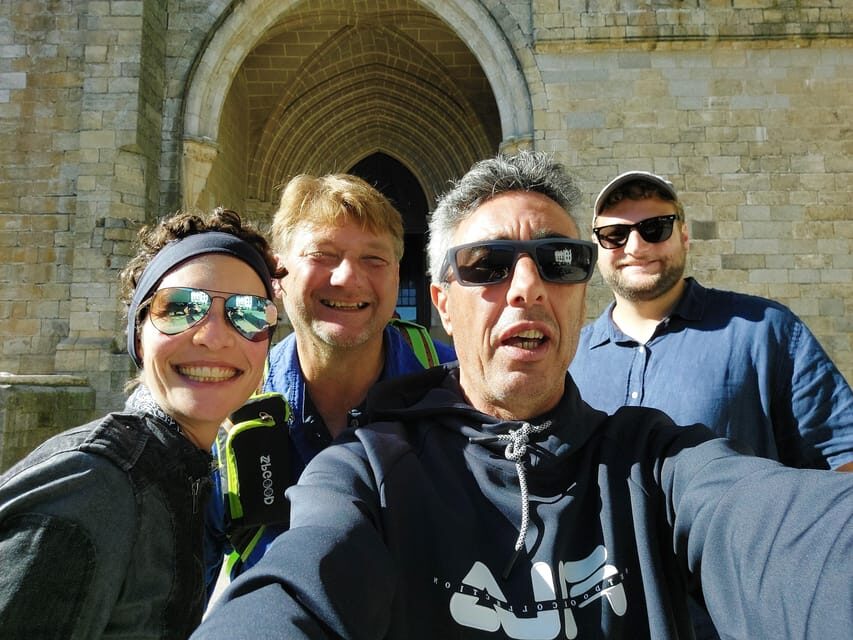
- Praça do Giraldo as your launch pad: you start in the heart of Évora, so the walk feels grounded from minute one.
- Roman water infrastructure shows up in the city: you’ll hear how water systems shaped daily life and what that means for wine culture.
- Clay-pot wine production is the star topic: the tour focuses on the winemaking technique tied to older traditions.
- Old tavern and bohemian-style stops: the walk isn’t just monuments; it includes the lived-in corners of the city.
- A real wine tasting at the end: the tasting is part of the value, not an optional add-on.
- Private guide, small-group feel: you’re guided in English, Spanish, or Portuguese with a live person leading the route.
Where the tour begins: Praça do Giraldo’s easy-to-find starting energy
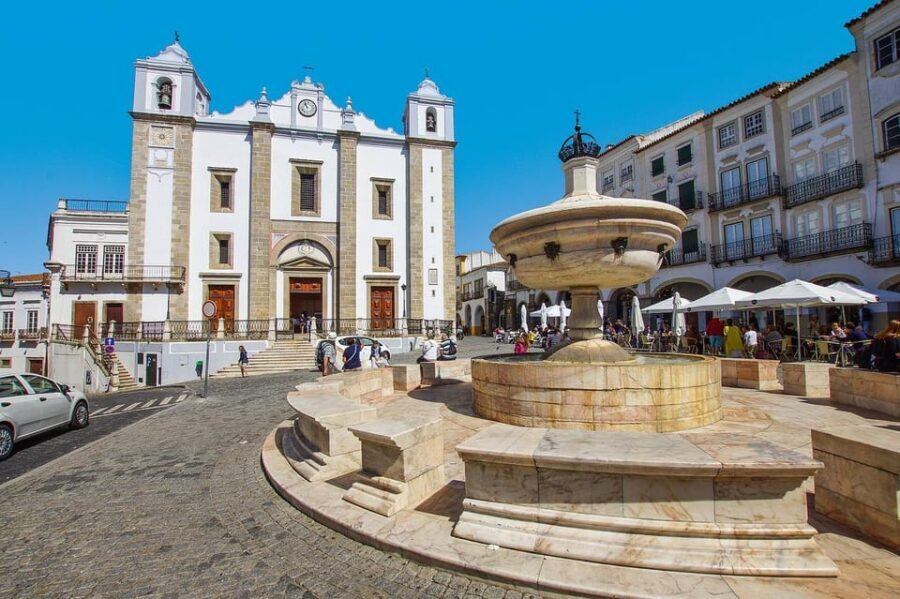
You’ll start at Praça do Giraldo, one of Évora’s best-known squares. That’s a smart choice for a short, focused experience: you’re not hunting for a meeting point way off in the outskirts. From here, you can also get your bearings fast before the walking ramps up.
This is the kind of old-town setup where your eyes do most of the work. You’ll see stone façades, narrow lanes, and the way the city still feels shaped by centuries of people moving through it. It helps that the guide’s job is to turn that visual chaos into a story—Roman influences, local wine traditions, and the places that look ordinary until you know what they represent.
You can also read our reviews of more food & drink experiences in Evora

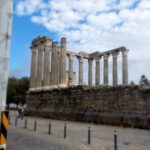

The 3-hour guided walk: Roman traces you’ll actually notice
The core of the experience is a guided walk through Évora’s historical spaces, built to connect the Roman era to what you see today. Instead of treating “Roman history” like a lecture, the guide ties it to the city’s practical systems: roads, water, and how communities organized daily life.
A big reason this tour works is the pacing. You’re walking cobblestone streets, so you’re never stuck sitting in one place. Each stop is short, pointed, and meant to give you something concrete to look for next—like where infrastructure would have mattered most, or why certain areas carried “old-world” importance.
If your guide is Paulo/Paolo, expect lots of forward motion and enthusiasm. One of the best parts of the experience is how the guide threads the timeline back thousands of years, with explanations that keep the city from feeling like a museum. If your guide is Vanessa, the tone is similarly friendly and energetic, and she also directs your attention to Roman-era impacts on the city’s infrastructure.
A small heads-up on “where you’ll go”
One detail worth planning for: the tour description includes stops tied to old taverns and bohemian spaces, but you might not always see taverns exactly as you pictured them. In practice, you may spend more time in the city’s old-feeling corridors and less inside a classic tavern setting. The key is that the guide will still show you the city’s older corners—and then the wine tasting is where the promise becomes very concrete.
Old places of worship, tavern vibes, and the meaning of everyday spaces
Évora has a habit of repurposing spaces. Buildings that once served one function can later feel like something else entirely—especially when the centuries keep layering on top of each other.
That’s why the tour’s focus on older places of worship and old tavern-like areas matters. You’re not just collecting Roman facts. You’re learning how communities used shared spaces to anchor life—socially, spiritually, and culturally. When the guide points out what you’re looking at, these areas start to feel like living history rather than frozen ruins.
This part is also where the tour becomes more “human-scale.” You’ll get scenes and stories that fit the way people actually moved through the city: meeting, talking, trading, drinking, resting, and returning. That’s the context that makes the later wine lesson land better.
Clay pots and ancient winemaking: the story behind the taste
The highlight here is the connection to wine production in clay pots—a detail that’s both specific and memorable. Clay isn’t just a tech trivia point; it suggests a whole approach to craft, storage, and how winemaking fit older local conditions.
When your guide talks about clay-pot wine production, the goal isn’t to hand you a chemistry lesson. It’s to explain why winemaking has deep roots in the region’s identity. You’ll hear how wine became a symbol of bonding and tradition—something that connects people and seasons, not just a product to buy.
I like how this tour frames wine as a city-level story. Évora isn’t just a scenic backdrop for wine tasting. The idea is: the Romans helped shape the infrastructure and systems that made long-term agriculture and production possible, and that legacy helped wine become part of the place’s ongoing character.
You can also read our reviews of more wine tours in Evora


The aqueduct aftermath: why water history matters for wine
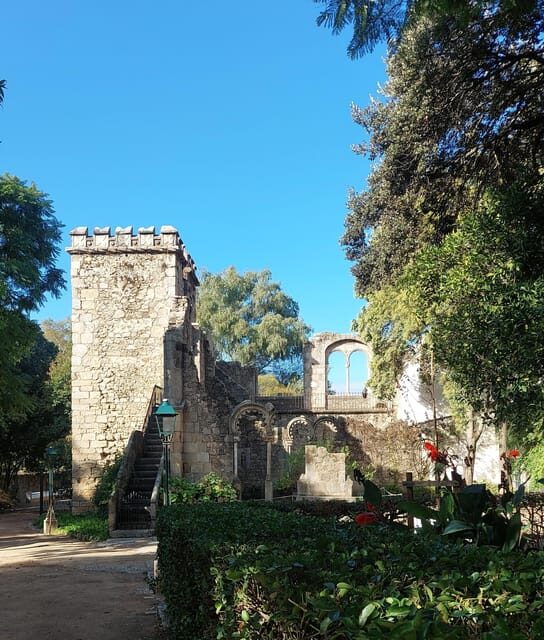
A major piece of the tour is the Roman-era water story, especially the aqueduct aftermath—a World Heritage Site monument connected to the importance of life-giving water infrastructure.
This is where the tour gives you something most wine tastings skip. Water systems aren’t glamorous, but they’re foundational. Without water moving reliably, agriculture struggles, settlements shrink, and production becomes inconsistent. The guide makes the water history feel practical: it explains how infrastructure shaped what people could grow and how communities could sustain themselves.
For you, that means the tasting at the end won’t feel random. You’ll connect the dots from water → farming stability → production traditions → wine culture. It’s a tidy way to turn a lesson into a real sense of place.
Wine tasting in Évora: what to focus on when you’re done walking
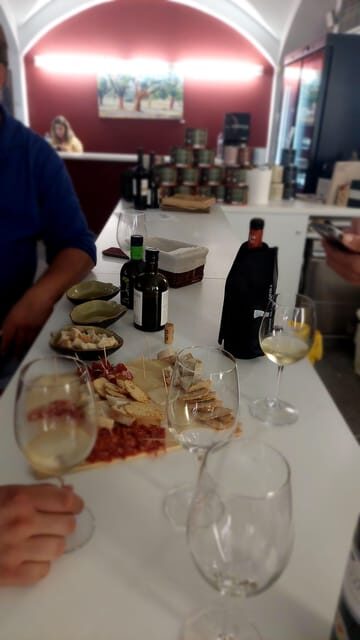
After the walking and historical context, the experience closes with a wine tasting experience. Even if you’re not a wine expert, this part is worth leaning into because it ties the earlier clay-pot story to something you can smell and taste.
Here’s what to pay attention to:
- How each wine differs by character, not just by name. Ask what the guide thinks you’ll notice first.
- How the guide explains qualities and differences. People often remember the tasting better when someone talks through the logic of the flavors.
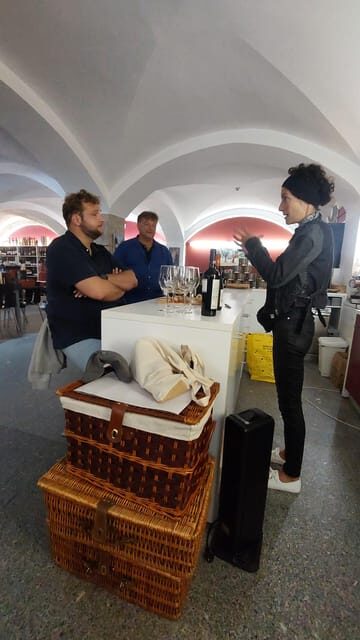
- If your tasting room is more shop-like than tavern-like, don’t worry—this can still be a solid tasting setup. One group noted the tasting happening in a wine shop rather than an old tavern, but the wines and explanation were still enjoyable.
You also have a chance to think about pairing ideas and local preferences. One helpful suggestion that came up: adding cheese and charcuterie. That’s not guaranteed in the standard format, but it gives you a good direction for what to ask about if it’s offered.
Timing reality check
The guided portion is listed as about 3 hours, and the wine tasting is listed as 1 hour. That suggests your total time could run closer to 4 hours if the tasting hits the full hour. Plan your day with that in mind, especially if you’re switching cities or catching a dinner reservation.
Price and value: is $49 fair for a Roman + wine combo?
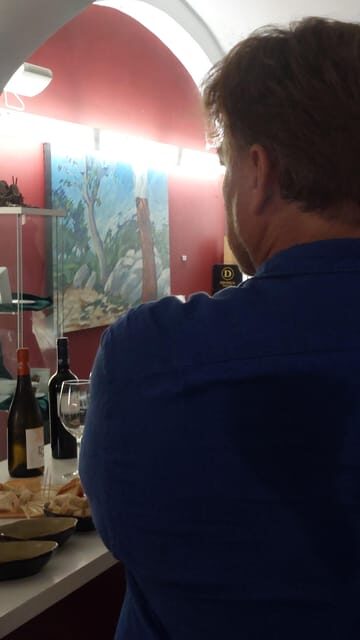
At $49 per person, you’re paying for three things at once: a guided walk through Évora’s historical sites, narrative stops tied to older corners of the city, and a structured wine tasting afterward.
This can be good value if:
- you’d otherwise spend money hiring a guide anyway (Évora’s best storytelling is hard to DIY without getting lost in context),
- you want wine context tied to history, not just a tasting room routine,
- you like private-group attention so the guide can pace for questions.
What’s not included matters too. The price does not include meals or transportation to Évora. If you’re already in town, you’re mostly covering the guide + tasting experience, which makes the cost feel more “all-in.” If you’re traveling from elsewhere, your budget should add transit time and cost.
Also, check your expectations: this is a walking tour in an old city. You’re trading comfort time for story time. If you love heritage and you don’t mind walking, the price feels more justified.
Logistics that can trip you up (and how to handle them)
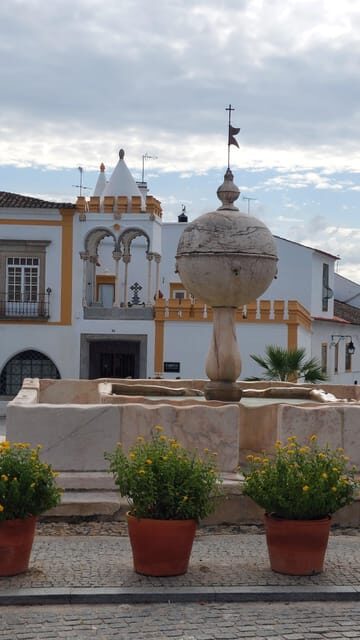
Évora’s streets are the main “logistics” story here. Expect lots of walking on cobblestones, and bring the basics seriously.
Do bring:
- Comfortable walking shoes
- Water
- A camera
Plan not to bring:
- Food or drinks during the tour (it’s not allowed)
- Smoking during the tour (not allowed)
Also, the tour is not suitable for wheelchair users or people with mobility impairments due to the historic street layout.
One more thing: the meeting point is near the Church of Santo Antão. A prior booking noted the meeting point can be mismatched with what Google Maps shows. I’d avoid last-minute guessing. Do a quick check in advance so you don’t start your tour stressed.
Who this tour fits best (and who should skip it)
This experience is a strong match if you:
- want Roman history connected to daily life and systems (especially water),
- care about wine culture and enjoy learning how tradition shapes taste,
- prefer a guided, storyline-driven route rather than a self-paced museum day.
It’s less ideal if you:
- can’t handle cobblestones or longer walking segments,
- want a kid-friendly family outing (it’s not suitable for children under 18),
- are looking for a meal included, since food isn’t part of the package.
If you’re traveling with friends who like history but also want a social ending, the private-group format makes it easier to keep questions moving and the pacing comfortable.
Should you book the Roman Tour & Wine tasting in Évora?
I’d book it if you want an Évora day that mixes Roman infrastructure, older cultural spaces, and a real tasting that finishes the story. The $49 price is the most convincing when you value the guide-led context and you don’t want to spend the day bouncing between unrelated stops.
I’d skip or reconsider if mobility is an issue or if you expect easy navigation from generic map pins. Quick planning solves a lot of that.
If your idea of a great trip day is: good walking + guided meaning + something you taste at the end, this one fits well.
FAQ
Where does the tour start?
The meeting point is near the Church of Santo Antão, and the start point is listed as Praça do Giraldo.
How long is the experience?
The guided portion is about 3 hours, and the wine tasting is listed as 1 hour.
What’s included in the price?
You get a guided tour of Évora’s historical sites, visits to old taverns and bohemian spaces, and a wine tasting experience.
Is transportation to Évora included?
No. Transportation to Évora is not included.
Are children allowed?
No. The tour is not suitable for children under 18.
Is it wheelchair accessible?
No. The tour is not suitable for wheelchair users or people with mobility impairments due to the historical streets.
What should I bring?
Wear comfortable shoes for cobblestones, bring water, and bring a camera.