REVIEW · EVORA
Evora: Cromlech of Almendres and Great Dolmen of Zambujeiro
Book on GetYourGuide →Operated by Burriscas Adventure PT · Bookable on GetYourGuide
Those stones have real gravity.
This guided trip puts you face-to-face with some of the biggest megalithic monuments in Iberia, then explains how and why people built them. I love that you get both the dramatic standing stones at Almendres and the quieter, heavier story behind a Neolithic burial like Zambujeiro. I also like the way Pedro connects the sites to the living Alentejo around Évora, including plants, animals, and everyday rural life.
One thing to plan for: reaching the Great Dolmen involves walking a rural path. It’s about 950 metres each way (roughly 1,900 metres round trip total), so bring good shoes and expect some uneven ground.
In This Review
- Quick hits: what makes this tour work so well
- First steps near Évora: pickup, timing, and why the guide matters
- Cromlech of Almendres: one of Iberia’s biggest stone circles
- The Great Dolmen of Zambujeiro: a Neolithic burial with real weight
- What you’ll learn (and what to ask your guide on the day)
- The countryside drive: where the timing feels relaxing
- Walking comfort: what to bring and how to prepare
- Price and value: why $35 makes sense here
- Who this tour is best for (and who should choose something else)
- Should you book Cromlech of Almendres and Zambujeiro?
- FAQ
- FAQ
- How long is the tour?
- Where can I be picked up?
- What monuments are included?
- Do I need to walk during the tour?
- What languages is the tour offered in?
- What should I bring?
- Is the tour accessible for wheelchair users?
Quick hits: what makes this tour work so well
- Pedro’s storytelling turns the stones into a human story you can picture, not just facts on a sign
- Two major sites in one 3-hour window: Almendres first, then the Great Dolmen of Zambujeiro
- Interpretation centre time at Almendres helps you understand what you’re looking at before you move closer
- Alentejo countryside drive between monuments, with plenty of time to ask questions
- You’ll do real walking (about 1.9 km round trip) to reach the dolmen, not just a quick stop by the road
- Flexibility in the real world, including adapting to late arrivals and possible detours
First steps near Évora: pickup, timing, and why the guide matters
You start with pickup from one of two options: Montemor-o-Novo or Évora. That round-trip transport is a big part of the value here, because getting between these prehistoric sites and the start point can take time (and guessing) if you’re doing it on your own.
The tour runs about 3 hours total, with two focused stops that last around 30 minutes each. The rest is travel time plus the walk to the Great Dolmen. In practice, that structure is smart: you get enough time to look closely and absorb the explanation, without turning it into a full-day endurance event.
The guide experience is the difference-maker. Pedro is local, English-speaking, and proud of where he comes from. Multiple people in the feedback mentioned how he paints scenes of daily life long ago and then ties it to what’s still around today. That matters because megaliths can feel mysterious if nobody gives you a way to read them.
You can also read our reviews of more tours and experiences in Evora.


Cromlech of Almendres: one of Iberia’s biggest stone circles
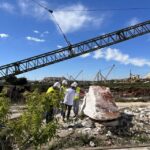
The first monument is the Cromlech of Almendres, one of the largest megalithic sites in Iberia. When you arrive, it’s not just a few stones scattered in a field—it feels like a whole design made from weight and repetition. Pedro’s job here is to give you the origin, purpose, and importance of the site in prehistory, and you’ll feel the explanation click as you walk the area and look at the layout.
A small but useful detail: there’s an interpretation centre connected with Almendres. One review mentioned that the centre has a lot of interesting information, and I agree it’s the kind of stop that helps you notice things later. If you go straight to the stones without context, you can still enjoy them—but you may miss the “why” that turns them from scenery into evidence.
What I’d watch for as you look around:
- The scale: Almendres is big enough that the stones don’t feel like props. They feel like infrastructure.
- The spacing and alignment: your guide will explain the idea of how these spaces could be used.
- How the site fits the setting: the Alentejo countryside around Évora doesn’t feel like a random backdrop; it helps you imagine the practical realities of gathering there.
The time at this stop is about 30 minutes. It’s short enough that you won’t feel stuck, but long enough to look closely if you slow down for a moment instead of trying to photograph everything at once.
The Great Dolmen of Zambujeiro: a Neolithic burial with real weight
Next comes the Great Dolmen of Zambujeiro, a prehistoric burial structure from the Neolithic period. This site has a different mood from Almendres. Instead of “stones as a field,” it’s “stones as a purpose-built statement.”
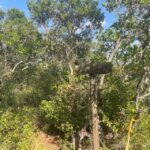
Here’s the key practical point: reaching the dolmen requires walking about 950 metres along a rural path. That’s roughly 1,900 metres total for the round trip. It’s not a mountain hike, but it is a walk on a path that may be uneven. This is one of the reasons the tour isn’t suitable for wheelchair users or people with mobility impairments.
Why this walk is worth it: the approach makes the site feel earned. You go from the everyday road world into the quiet zone where these structures were built and maintained. Pedro also uses the walk to explain construction techniques and the cultural significance of the burial. By the time you arrive, you’re not just seeing a dolmen—you’re understanding how this kind of monument could shape a community’s memory.
If you’re thinking, I want the dolmen, not the effort—the good news is the tour is designed to balance both. This is one of those experiences where the physical effort stays manageable because the time window is tight and guided.
What you’ll learn (and what to ask your guide on the day)
The tour is built around interpretation: why these monuments existed, what they likely meant, and how people made them. Pedro’s strength is turning that into stories you can picture, not a lecture you zone out of.
From the feedback, you’ll likely hear:
- how Almendres was built as a major megalithic complex
- the construction idea behind the Great Dolmen of Zambujeiro
- how these sites connect to the broader prehistoric life of the region
You’ll also get the modern layer: one of the standout themes in the reviews is how Pedro talks about Alentejo today—flora, fauna, and the montado area (the cork-oak landscape). Even if you’re focused on archaeology, I find that this modern context helps you imagine what people were noticing back then: animals, seasons, and the practical relationship between people and land.
If you want to get the most out of your 3 hours, ask small questions that make the stones personal:
- What in this layout would have mattered to people building it?
- How do we know this is Neolithic burial space?
- What would a day like this have looked like for the community gathering here?
Pedro’s style seems geared for exactly those back-and-forth moments.
The countryside drive: where the timing feels relaxing
Between the two monuments, you’ll ride through the Alentejo countryside. That drive isn’t wasted time. It’s when you can catch your breath, take in the rural scenery, and reset before the next stop.
A couple of practical notes from the experience reports:
- Pedro drives a comfortable, air-conditioned car.
- The back seats can be a bit less comfortable on bumpy roads, especially if you’re in the middle position.
That doesn’t mean the ride is miserable—it just means it’s worth choosing your seat with comfort in mind.
One more nice detail: the guide showed flexibility around the start time. In one case, late arrivals from Lisbon were accommodated with no extra charge, and the tour wasn’t rushed. That’s not something you can count on everywhere, but it does suggest Pedro is good at keeping the experience fair and relaxed when travel hiccups happen.




Walking comfort: what to bring and how to prepare
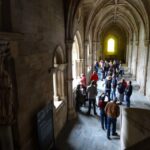
This is a small walking component with one big requirement: comfortable shoes. You’ll cover around 1,900 metres total walking to the Great Dolmen. It’s along a rural path, and that’s where you’ll want grip and support.
Bring:
- Comfortable shoes
- Hat and sunscreen
- Water
- Camera (the stones and the countryside views are photo-friendly)
I’d also add: pack light. You’ll want your hands free for footing and for quick photos, and you don’t want heavy bags distracting you while you’re trying to focus on the monument details.
Price and value: why $35 makes sense here
At about $35 per person for a 3-hour guided experience with round-trip transport, the value is in what you get beyond the stones.
If you tried to do this DIY, you’d face a few costs and headaches:
- arranging transport to two separate prehistoric sites
- reading what you’re seeing without a guide to explain purpose and technique
- spending extra time figuring out walking routes to the dolmen
Here, you get guided interpretation at both places, plus transport from either Montemor-o-Novo or Évora. The walking is still yours (it should be, because you’re visiting an actual site on foot), but the logistics are handled.
Also, this tour earns its price by being timed right. Two 30-minute monuments means you leave with understanding, not just souvenir photos and fatigue.
Who this tour is best for (and who should choose something else)
This experience is a good match if you:
- want a short, focused introduction to megalithic monuments near Évora
- like guided explanations that turn archaeology into stories
- don’t mind a straightforward walk to a site that isn’t right next to a parking spot
- enjoy countryside drives and asking questions
It may not be the right fit if you:
- need wheelchair access or have serious mobility limits
- prefer zero walking and stops that are fully curbside
- expect lots of time in each monument area beyond the guided window
Should you book Cromlech of Almendres and Zambujeiro?
I’d book it if your idea of a great Évora day is: stones, meaning, and a guide who cares enough to make it click. This tour has a very practical shape—two major sites, clear time blocks, and transport—plus a guide who seems genuinely invested in explaining both the prehistoric structures and how the Alentejo region works today.
Skip it if you can’t handle the walk (about 1.9 km round trip) or you need full accessibility. Also, if you want a long, independent archaeological wander with no structure, this may feel too time-boxed.
FAQ
FAQ
How long is the tour?
The tour lasts about 3 hours.
Where can I be picked up?
You have two pickup options: Montemor-o-Novo or Évora. Drop-off is available at those same locations.
What monuments are included?
You visit the Cromlech of Almendres and the Great Dolmen of Zambujeiro.
Do I need to walk during the tour?
Yes. To reach the Great Dolmen of Zambujeiro, you walk about 950 metres each way along a rural path, for roughly 1,900 metres round trip total.
What languages is the tour offered in?
The tour is offered in English and Portuguese.
What should I bring?
Bring comfortable shoes, a hat, sunscreen, water, and a camera if you want photos.
Is the tour accessible for wheelchair users?
No. It is not suitable for people with mobility impairments or wheelchair users.