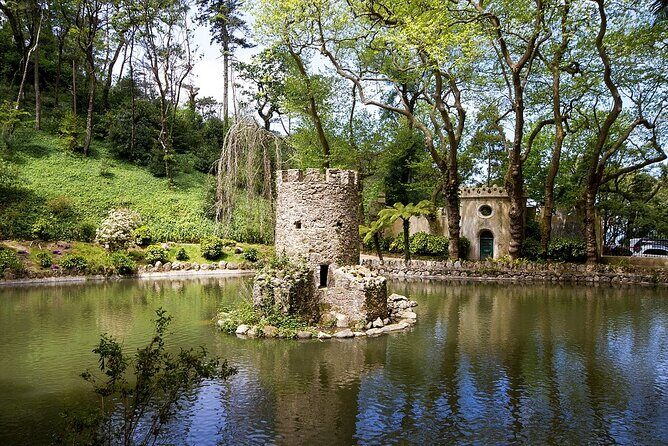
REVIEW · LISBON
Portuguese flavors in a typical village home
Book on Viator →Operated by K Go foodie · Bookable on Viator
Cooking in a local home changes Lisbon. This experience trades city noise for a calm valley village, where a 100-year-old house becomes your kitchen table, and fresh seasonal ingredients turn a normal meal into a story you can taste. You’ll cook, eat, and hear how the recipes connect to village life and family traditions.
Two things I especially like here are the menu adaptation (she adjusts dishes for the season and dietary needs) and the way you eat while learning, with stories woven into the cooking rather than tacked on at the end. That combination is why this feels more like a shared afternoon than a “class.”
One possible drawback to consider: based on how the experience is described, the cooking can be more guided than hands-on in a complex, step-by-step way. If you’re hoping for heavy technical cooking time, you may find the workload lighter than a true do-everything workshop.
In This Review
- Key highlights worth your time
- A 100-Year-Old Village House, About 20 Minutes From the City
- Meeting at Igreja de São Bento de Valejas (Barcarena), 1:00 pm Start
- The Welcome Table: Olives, Cheese, Jam, Toasts, and a Drink
- What You’ll Cook: A Seasonal Portuguese House Recipe Tailored to You
- Stories While You Stir: Village History and Family Traditions at the Table
- Dessert Choice: Portuguese Sweets, Either Dairy or Fruit-Based
- How Hands-On You Really Are (And How to Get the Most From It)
- Drinks and Pacing: Lunch Included, No Wine-Tasting Pressure
- Price and Value: Why $106.65 Can Make Sense for the Right Person
- Best Fit: Who Will Love This Afternoon in Lisbon’s Food Country
- Should You Book This Lisbon Portuguese Meal in a Village Home?
- FAQ
- How long is the experience?
- What time does it start?
- Where do I meet the host?
- How many people are in the group?
- Is the experience offered in English?
- What’s included in the price?
- Can the host adapt the menu for dietary preferences or restrictions?
- Is transportation included?
- Is wine included, and is there also tea or water?
- What happens if the weather is poor?
- What’s the cancellation rule for a full refund?
Key highlights worth your time
- Small group (max 6 people): you get a real table conversation, not a rushed briefing
- Seasonal menu tailored to you: dietary preferences are built into the meal plan
- A meal with Portugal in the details: typical starters, a house main, and a chosen dessert
- Stories at the table: village history and family connections are part of the flow
- Drinks included with lunch: red and white wine plus tea and water
- A recipe e-book after you share your opinion: so the meal can live on after Lisbon
A 100-Year-Old Village House, About 20 Minutes From the City
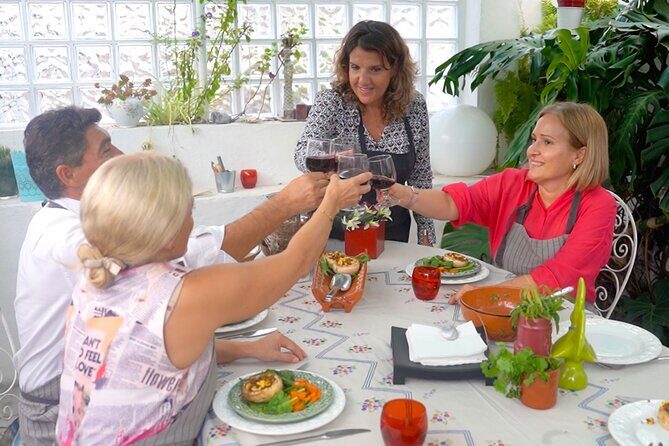
The magic trick is distance. In roughly 20 minutes from Lisbon, you shift from traffic and crowds to a small, scenic village setting in the Lisbon area. The meal happens in a home that’s more than 100 years old, in a valley with plenty of stories to tell. The point isn’t just scenery. It’s the atmosphere of a real house, where food is part of daily life.
What makes this kind of setting work so well is rhythm. The day isn’t built around jumping between landmarks. It’s built around sitting together, cooking at a comfortable pace, and listening while things simmer. You’re not trying to “do Lisbon fast.” You’re trying to understand why Portuguese food tastes the way it does, and how it fits local life.
From the reviews and the way the experience is described, the host (Katija) also brings the setting to life with personal context: the home’s family connection, village ties, and the kind of details that make the meal feel earned rather than staged. If you want Lisbon, but with your elbows off the smartphone, this delivers.
You can also read our reviews of more tours and experiences in Lisbon.



Meeting at Igreja de São Bento de Valejas (Barcarena), 1:00 pm Start
This runs on a fixed schedule: it starts at 1:00 pm and lasts about 3 hours. You meet at Igreja de São Bento de Valejas, Barcarena, 2730-106, Portugal, and the experience ends back at the meeting point.
Why the timing matters: a mid-afternoon start means you can pair it with a slow morning in Lisbon (or a late lunch earlier on if you’re flexible). And because it ends back where it begins, you’re not stuck figuring out a new neighborhood after the meal.
Logistically, it’s also set up for an easy arrival. It’s described as near public transportation, and the meeting point is the same for the start and end. Private transportation isn’t included, so if you’re coming from far outside Lisbon, you’ll likely want to plan your route ahead of time.
If you’re already planning a day around Lisbon, Sintra, or Cascais, you’re in the right zone. The experience is described as easily reachable by car or train from all three.
The Welcome Table: Olives, Cheese, Jam, Toasts, and a Drink
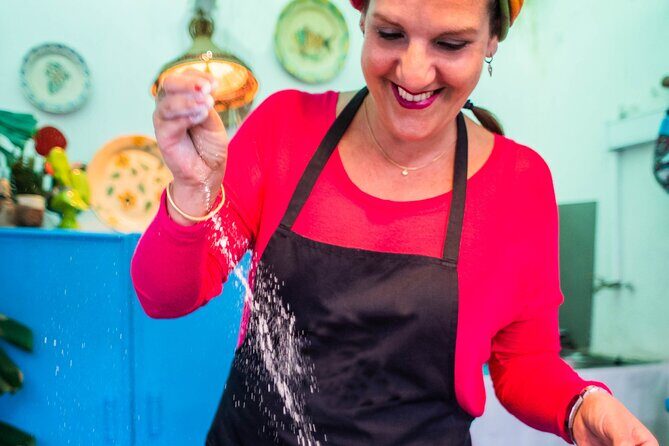
Before you cook, you settle in. The starter phase includes a welcome drink and a typical Portuguese-style spread. The menu outline calls for local tea, wine, or water as your welcome drink, plus olives, cheese, local jam, and toasts.
This matters more than it sounds. That “before the main work” moment is where you get oriented: you taste something simple and local, you get the rhythm of the house, and you start talking to people at your table. In one review, even the tea experience stood out: herbs like lemon verbena were picked from the garden and brewed fresh. You might not get that exact detail every time, but it reflects the style of what you can expect here: ingredients treated like they matter.
Also, since wine is included, you can treat it as a normal lunch with Portuguese pairing rather than a formal wine event. If you don’t drink, tea and water are part of the included options.
What You’ll Cook: A Seasonal Portuguese House Recipe Tailored to You
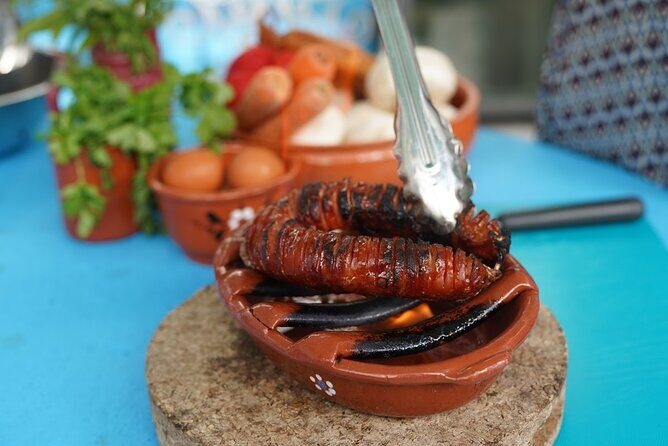
The core of the experience is preparing and enjoying a house recipe. The menu template is consistent: starters, a main course, and dessert. What changes is the specific dish, depending on the season, your dietary restrictions, and your preferences.
That adaptability is one of the biggest reasons this is worth considering. Many cooking classes in Portugal focus on one dish no matter who shows up. Here, the approach is to adapt the menu so more people can actually participate and enjoy the meal.
As for the cooking itself, the format is described as cooking with fresh ingredients while hearing stories around the table. In practice, that usually means you’ll handle real steps like chopping, sautéing, and adding ingredients at the right moments, not just watch from the sidelines. One review even praised the way tasks were distributed and that the host respected preferences if someone wanted to do less. If you want more hands-on time, ask where you can help, and speak up early.
In terms of examples of what you might cook, past menus have included dishes such as bacalao (dried codfish), and seafood and rice-style preparations, along with other Portuguese favorites like beans with squid and chorizo in a garlic rice context. Expect the host to keep it local, practical, and built around ingredients that make sense for Portugal.
Stories While You Stir: Village History and Family Traditions at the Table
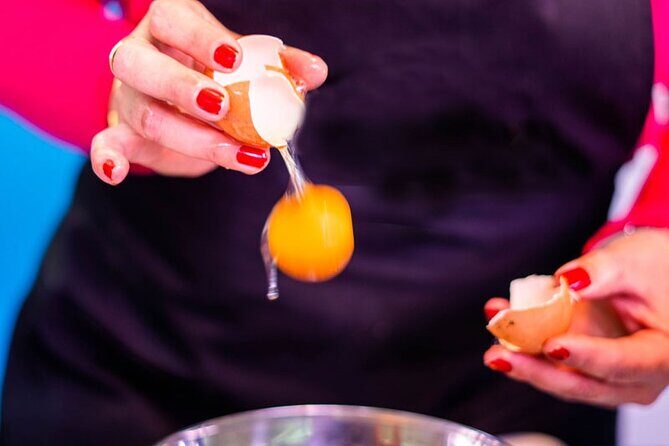
This is not a silent kitchen. You cook while Katija shares fascinating local tales, and those stories are tied to the meal and the home itself.
From the descriptions, you’ll hear things like the history of Portuguese gastronomy and why traditional dishes can be simple and still taste incredible. You also get personal layers: the home’s family history, village connections, and artifacts and photos connected to her grandfather and other family members.
That combination is why this feels different from many “cultural” activities. The stories aren’t random trivia. They attach directly to food choices: what Portuguese cuisine values, how people cooked with what they had, and how tradition survives through generations.
If you enjoy conversation, this is the sweet spot. Multiple reviews describe the afternoon as warm and friendly, with the host making it feel natural to share and connect. The small group size helps a lot here, because you can actually talk without shouting.


Dessert Choice: Portuguese Sweets, Either Dairy or Fruit-Based
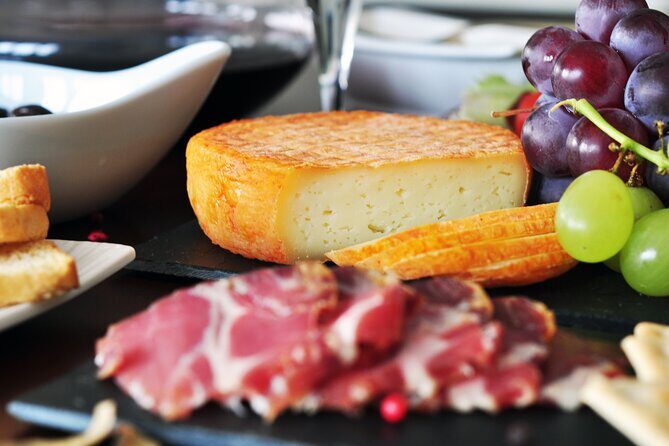
Dessert is included, and the menu outlines a key idea: Portuguese sweets are extremely varied, and your dessert choice will depend on the type—either dairy and egg-based, or fruit cooked with a special touch.
That’s a useful clue for your expectations. If you have dairy or egg restrictions, the host states she adapts menus for dietary needs, so it’s worth flagging your preferences clearly. The dessert part is also a good “close the meal” moment: after you’ve worked and eaten, you get something that still feels Portuguese and not generic “tourist dessert.”
Because dessert is selected by the host (from the many typical Portuguese desserts), the exact sweet can vary. But the structure stays the same: you end with a real local-style finish, not a packaged substitute.
How Hands-On You Really Are (And How to Get the Most From It)
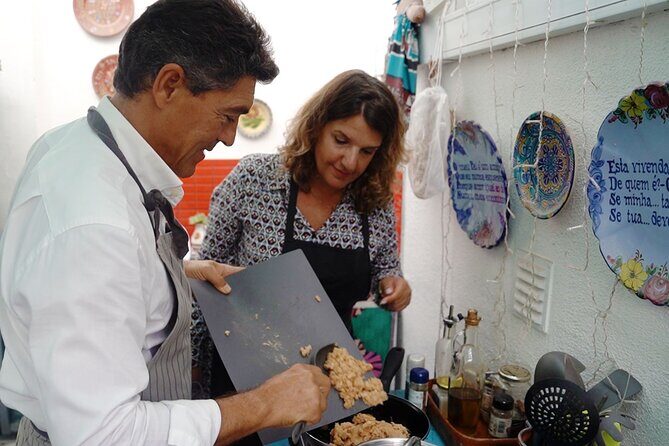
A cooking class lives or dies on how much you actually do. Here’s the balanced take based on the experience description and the feedback style: you’re involved, but it’s guided.
One piece of feedback suggested that while the dish tasted great, the steps in preparation could feel fairly simple and not as complex as some people hoped. The host also explained that tasks are distributed evenly and that some guests prefer watching. Another review praised active participation, including slicing and sautéing aromatics and adding ingredients as you cook.
So, what should you do? Bring curiosity, not expectations of a technical culinary lab. If you want to cook more, arrive hungry, ask questions during prep, and volunteer for the next task. And if you prefer a relaxed role, you can still enjoy it fully; the main point is the meal plus the stories plus the shared table.
In other words: this is a “cook and connect” experience more than a “master advanced techniques” experience.
Drinks and Pacing: Lunch Included, No Wine-Tasting Pressure
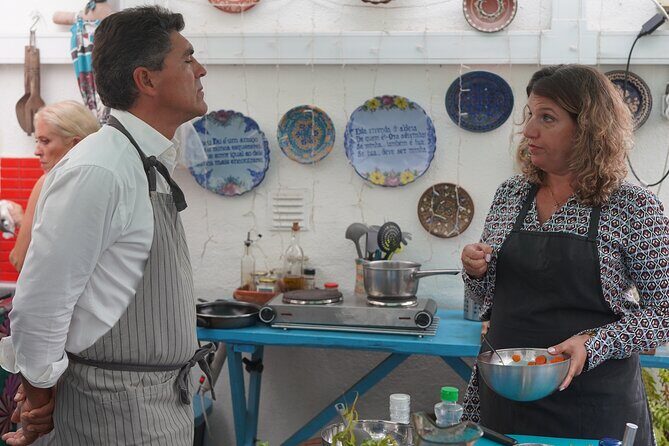
Lunch is the centerpiece, and drinks are included. The experience includes red and white wine, plus tea and water. A welcome drink comes early, and the meal continues in a way that feels unhurried.
One important detail: this is not described as a wine tasting. If you like wine, it’s a nice pairing in the background of the meal. If you don’t drink, you still have non-alcohol options included in the experience.
Pacing is part of the value. With about 3 hours total, you get enough time to: arrive, settle, taste the starter spread, cook your way into the main, eat together, and finish with dessert without feeling like you got dropped off at an indoor production line.
And because it’s in a village setting, the environment naturally supports slower time. You’ll likely feel the contrast immediately.
Price and Value: Why $106.65 Can Make Sense for the Right Person
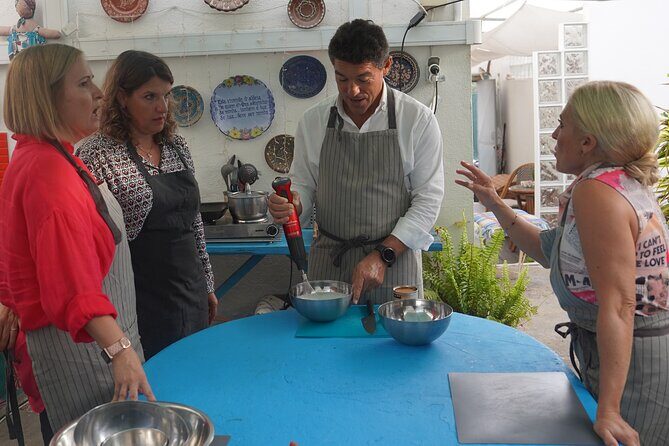
At $106.65 per person for about 3 hours, you’re paying for more than ingredients. The included items are substantial: lunch (appetizers, main, dessert) and drinks (wine, tea, water). On top of that, you get an exclusive recipe e-book after sharing your opinion.
Here’s the practical value math. If you try to recreate this by eating at a restaurant plus buying a separate “cultural” experience, you often end up paying a similar amount or more. The difference here is that the meal and the cultural context are combined in one sitting, and the group is small enough for actual conversation.
The “value” also depends on what you want. If you want a showy cooking demonstration with zero social time, you might feel the price is steep. If you want to be fed well, learn by doing, and leave with Portuguese recipes plus stories, it can feel like a fair trade.
Also, this is booked on average 40 days in advance, which usually signals it’s a popular format. If you’re set on it, don’t wait until the last minute.
Best Fit: Who Will Love This Afternoon in Lisbon’s Food Country
This is ideal for you if you:
- want a home-table meal rather than a restaurant meal
- like conversation and learning through food plus personal stories
- are traveling as a couple or small group and want a quieter side of the Lisbon area
- want a menu that can be adjusted for dietary needs and preferences
- enjoy the idea of collecting recipes to cook later at home
It’s also a good choice if you’re mixing Lisbon with Sintra or Cascais. The experience is designed to be reachable from those areas, and the time block is short enough to fit into a larger day plan.
You’ll probably like it less if your top priority is mastering advanced culinary technique, or if you strongly prefer a fully hands-on cooking class where you control every step with lots of complexity.
Should You Book This Lisbon Portuguese Meal in a Village Home?
Yes, I think you should book it if your ideal Lisbon day includes a real meal, a real kitchen rhythm, and a local voice explaining why the food works. The small size, the included lunch and drinks, the recipe follow-up, and the story-driven format are the big strengths.
Book it especially if you care about the “why” behind Portuguese dishes, not just the “what.” And bring realistic expectations: you’ll cook and help with the process, but this is still about sharing an afternoon in a home, not chasing certification-level cooking skills.
If you’re the type who wants a polished, big-venue experience with no conversation and minimal improvisation, you might want a different style of tour. But if you want the Lisbon area to feel human, this is one of the best ways to do it.
FAQ
How long is the experience?
It lasts about 3 hours.
What time does it start?
It starts at 1:00 pm.
Where do I meet the host?
You meet at Igreja de São Bento de Valejas, Barcarena, 2730-106, Portugal. The experience ends back at the same meeting point.
How many people are in the group?
The group is limited to a maximum of 6 people.
Is the experience offered in English?
Yes, it’s offered in English.
What’s included in the price?
Lunch includes appetizers, a main course, dessert, and drinks. Drinks include red wine, white wine, tea, and water.
Can the host adapt the menu for dietary preferences or restrictions?
Yes. The menu is adapted depending on season, dietary restrictions, and preferences.
Is transportation included?
No. Private transportation isn’t included, though the experience is described as accessible by car or train from Lisbon, Sintra, or Cascais.
Is wine included, and is there also tea or water?
Wine is included (red and white), and tea and water are also included as drink options.
What happens if the weather is poor?
This experience requires good weather. If it’s canceled due to poor weather, you’ll be offered a different date or a full refund.
What’s the cancellation rule for a full refund?
You can cancel up to 24 hours in advance for a full refund. If you cancel less than 24 hours before the start time, the amount paid is not refunded.