REVIEW · EVORA
From Montemor or Évora: Guided Hike to Almendres Megalithic
Book on GetYourGuide →Operated by Burriscas Adventure PT · Bookable on GetYourGuide
A good walking day in Alentejo starts with stone circles. This guided hike takes you from the outskirts of Évora into the Serra de Valverde, then lands you at the Almendres megalithic complex with expert explanations along the way. I especially love the way the route mixes real trail time with real culture, not just a quick photo stop. I also like the small-group feel (up to 12 people), which makes it easier to ask questions.
One thing to consider: this is a medium-to-high intensity hike. Expect about 8 kilometers on marked paths with some steeper sections, so it is not a stroll for everyone.
In This Review
- Key things I’d circle on your planning list
- Almendres megaliths feel different when a guide shows you how to look
- The Serra de Valverde hike: marked trails, real effort, and big air
- Castelo do Geraldo: a viewpoint stop that’s more than a breath break
- Cromlechs and the Menhir: how the stones tell a story
- What your guide teaches you on the way: cork, olives, and local water
- Lunch in Valverde: plan on fueling, not fine dining
- Guadalupe’s Almendres Interpretive Center: turning impressions into understanding
- Price and logistics: paying for guidance and convenience, not just walking
- Who this tour is best for
- The practical checklist that keeps the day pleasant
- Should you book this guided hike to Almendres?
Key things I’d circle on your planning list
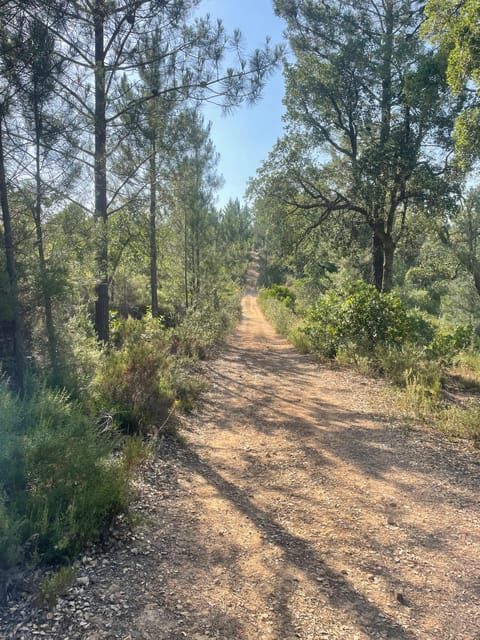
- Serra de Valverde hiking route: about 8 km with moderate to high intensity and viewpoints along the way
- Castelo do Geraldo stop: a guided break with sweeping views of Évora
- Almendres Cromlech + Menhir of Almendres: guided look at the stone circles and the single standing stone
- Interpretive Center in Guadalupe: a chance to connect the story to what you saw on the trail
- Small group (max 12): more time with the guide and less crowd pressure
- Transport from Montemor or Évora: round-trip convenience without a rental car scramble
Almendres megaliths feel different when a guide shows you how to look
If you’ve seen other prehistoric sites, you know they can blur together. Here’s the difference: you’re not just walking to stones. You’re walking through the terrain, then learning how people thought about this place thousands of years ago.
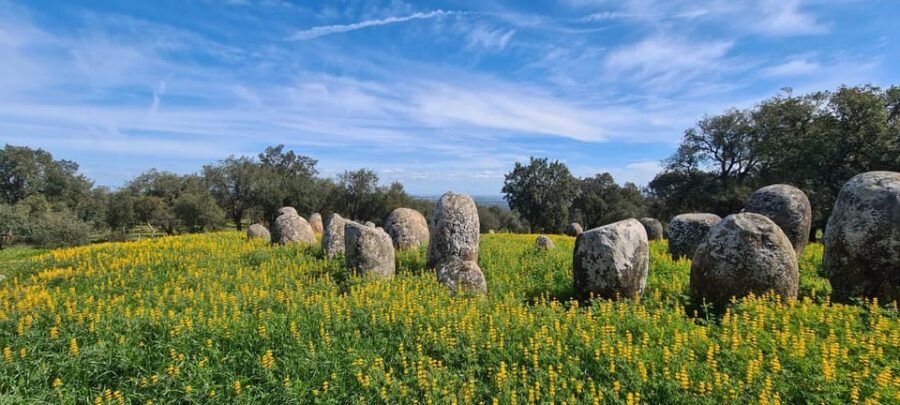
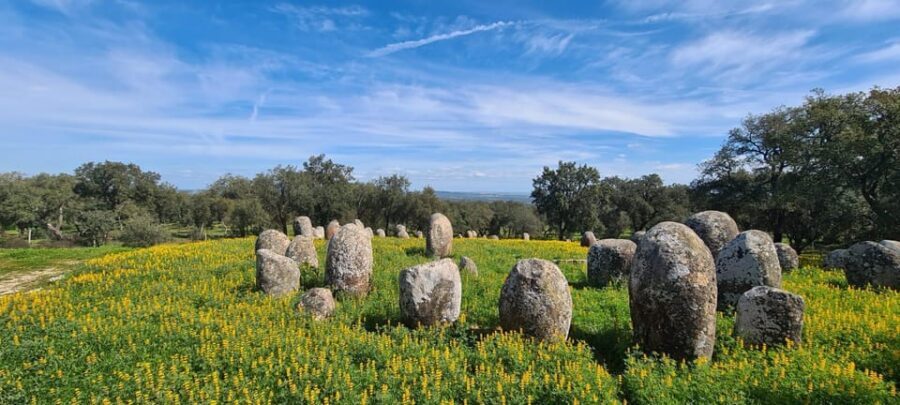
The Almendres complex includes the Almendres Cromlech and the Menhir of Almendres. With a guide on hand, the site clicks faster. You learn why the stones were arranged the way they were, and you get a clearer sense of what you’re seeing instead of standing there guessing.
That guidance also matters because the site sits in open countryside. Without context, it’s easy to miss relationships between parts of the arrangement. With context, you start to see patterns.
You can also read our reviews of more guided tours in Evora

The Serra de Valverde hike: marked trails, real effort, and big air
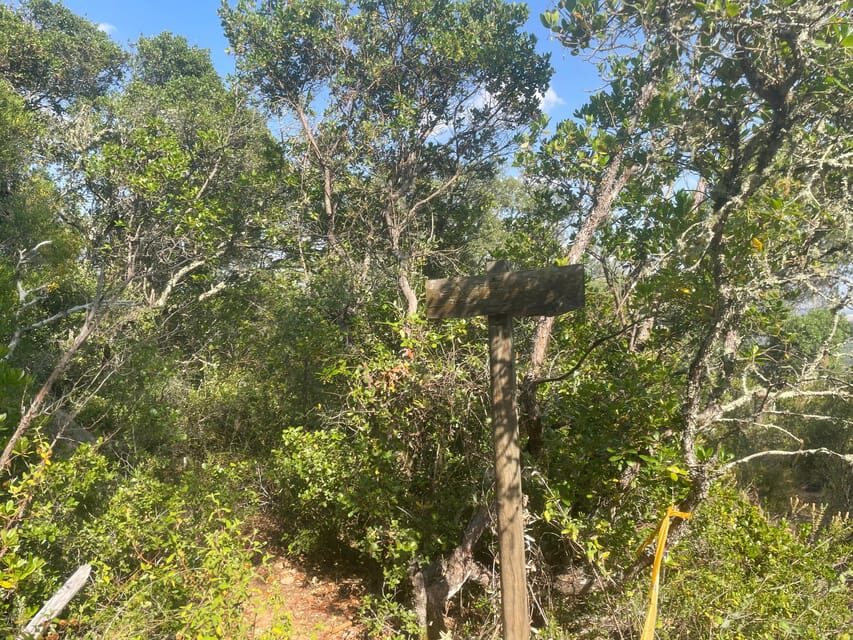
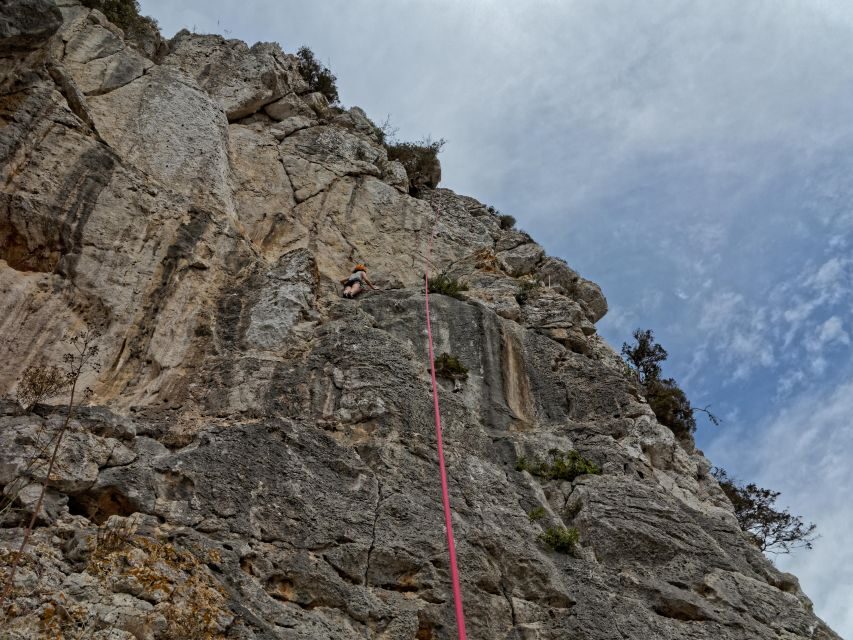
This tour’s backbone is the hike through the Serra de Valverde. Plan for a medium-to-high intensity walk of about 8 kilometers. The path is marked, which is a relief, but marked does not mean flat.
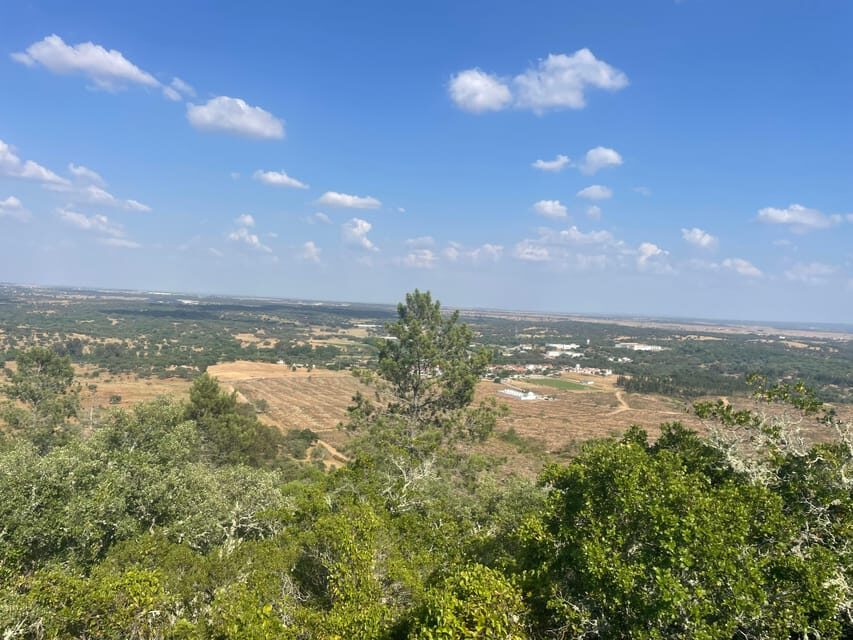
From the trail, you’ll get views back toward Évora and over the surrounding nature. One guide-led benefit here is that you’re moving through the environment while you’re learning about it, so the place feels connected. You’re not waiting for the good parts; they show up along the way.
The best practical tip: wear decent shoes. People doing this comfortably tend to have grippy footwear and take their time on the steeper bits. Also remember this is an Alentejo hike, and it can run hot, so pacing matters even if you feel strong.
A possible drawback is timing. Because the day is structured around hiking plus site visits, you do not have the option to linger forever at every viewpoint. If you like long, slow photo pauses, you’ll want to be strategic—catch your shots, then keep the flow.
Castelo do Geraldo: a viewpoint stop that’s more than a breath break
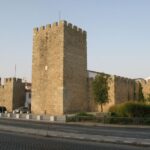
A key moment comes at the Castelo do Geraldo (you’ll also hear the name connected with the Castelo de Giraldo on this route). This is where the tour shifts from pure walking into “why this matters” mode.
You get a guided stop before you head toward the megaliths. The big payoff is the view. Évora’s city shape appears in front of you, and the surrounding countryside stretches out behind. That change of perspective helps you understand the megalithic site as part of a wider human geography, not an isolated monument.
There’s also a wildlife-and-forest feeling during the hike portions. Cork-tree country shows up along the route, and you get close enough to really notice what makes this region work.
Cromlechs and the Menhir: how the stones tell a story
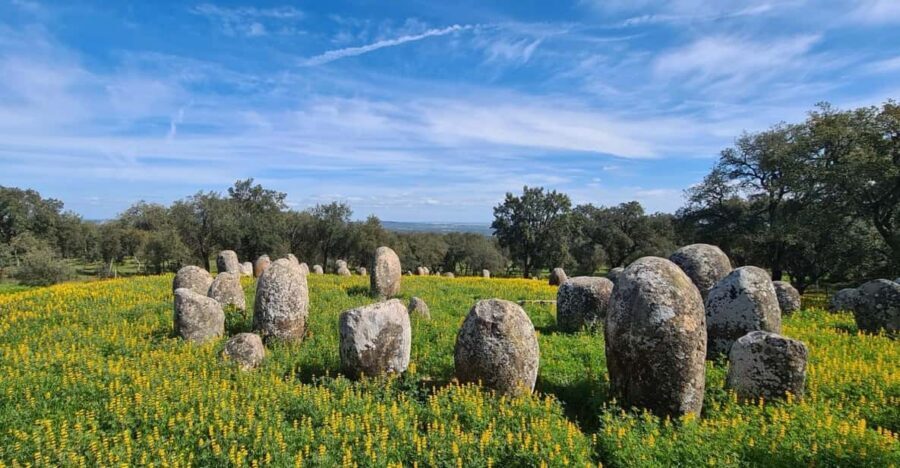
When you reach the Almendres megalithic complex, you’re not just arriving. You’re arriving with a framework. The guide walks you through the cromlechs, which are stone circles/arrangements, and you’ll also visit the Menhir of Almendres, the single standing stone.
A guided visit makes a huge difference with sites like this. These stones aren’t labeled like a museum exhibit. They’re old, weathered, and sometimes hard to interpret at a glance. With a guide, you learn how to read their layout and why archaeologists care.
This is also where you’ll feel the age of the place. You’re seeing structures that are described as nearly 8,000 years old, and it hits harder when you’ve already been walking through the same kind of land those ancient builders would have known. You come to the site with your boots still thinking about the terrain, which helps the visit feel real.
One practical note: the time at the stones is planned and structured. If you want super long contemplation, aim for a thoughtful but efficient visit—bring your questions early so you get the answers while you still have momentum.
What your guide teaches you on the way: cork, olives, and local water
The hike is also a learning walk about Alentejo life. A standout in the experience is how much the guides share beyond the megaliths. You’ll hear stories tied to cork farming and see cork trees up close on the walk. You may also learn about olive country and how locals think about water resources in the region.
Some guides add small local details that make the landscape feel inhabited, not just scenic. One example from the experience is talk about berries used for alcohol. Another is the way water is understood locally. These are the kinds of notes that don’t fit on a standard museum placard, but they do fit here—because you’re physically moving through the environment those traditions rely on.
Also, the guides are real conversationalists. If you’re the type who likes to ask questions, this is the best kind of tour: you’re not stuck listening to a script for hours. Guides like Pedro and Claudia (English and Portuguese) tend to guide you through the story while still engaging people one-on-one.
Lunch in Valverde: plan on fueling, not fine dining
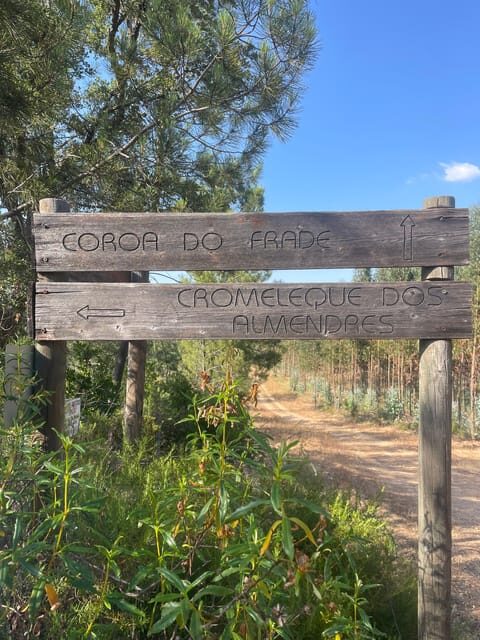
After the hike and the Castelo stop, you’ll have a break at a local restaurant in Valverde. Lunch is not included in the tour price, so you should budget for a meal on site.
This part of the day is practical. You’re most likely to want something filling after a few hours of walking and sun. If you’re deciding what to order, keep it simple: hydration and carbs beat fancy choices when you’ve got another site stop ahead.
If you’re sensitive to timing, note that the lunch break is part of the tour flow. It’s meant to keep the day moving and make sure you can fit everything in without feeling rushed at the wrong moment.
Guadalupe’s Almendres Interpretive Center: turning impressions into understanding
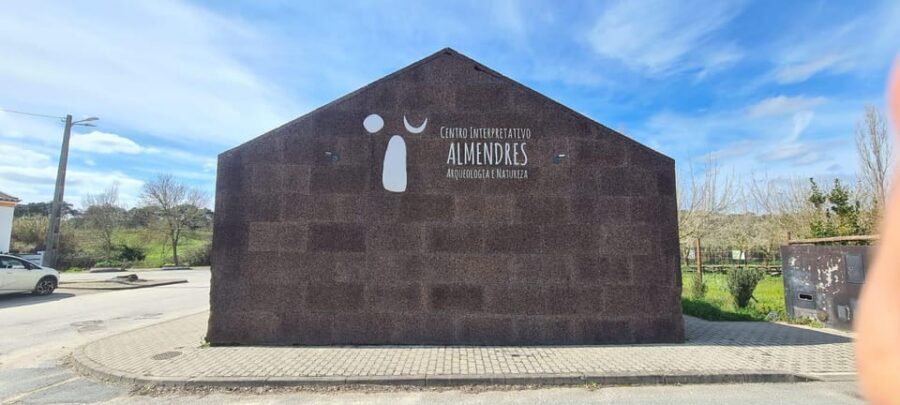
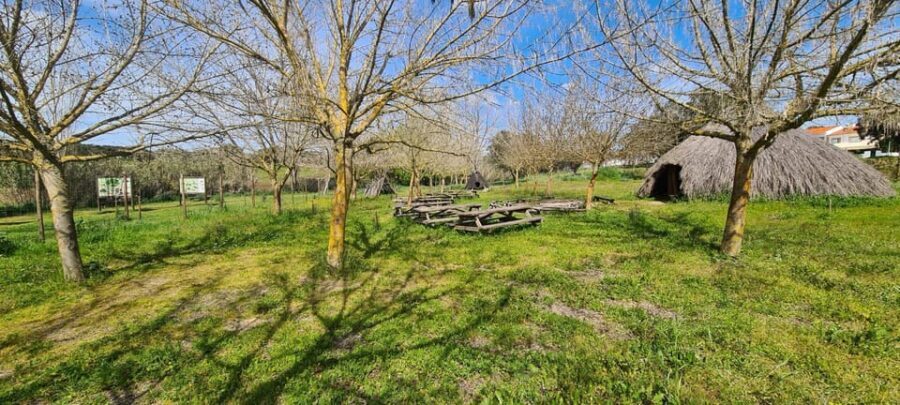
The final stop is the Almendres Interpretation Center in Guadalupe. This is where the day becomes clearer. You’ll have already stood among the stones and heard guided explanations, so the center helps you connect the bigger dots.
Interpretive centers can sometimes feel like extra time you didn’t ask for. Here, it’s the opposite. It’s the place to consolidate what you saw on the trail. Instead of walking away with only a cool photo, you leave with a stronger grasp of meaning.
If you’re the type who likes to learn as you go, this is a smart finish. If you’re not, it still works because the earlier guided stops do a lot of the heavy lifting.
Price and logistics: paying for guidance and convenience, not just walking
At about $47 per person for a roughly 4-hour experience, the value comes from what’s included: guided hiking, guided visits to the megalithic sites, round-trip transport from Montemor-o-Novo or Évora, and a snack plus water. You also get the visit to the Interpretation Center.
What’s not included is lunch. So think of the tour price as covering the logistics and the expert explanation, then your meal as a separate personal choice.
Small group matters here. With a limit of 12 participants, the guide can actually manage questions and pacing. You’re less likely to feel like you’re being herded and more likely to feel like the walk has room for real attention.
Who this tour is best for
This tour is a strong match if you:
- want a guided hike with real cultural and prehistoric context
- enjoy marked trails and don’t mind some steep sections
- like nature walks where the guide also talks about local life
It’s not a fit if you:
- have back problems
- have low fitness and want a gentle pace
The practical checklist that keeps the day pleasant
Here’s what will help you enjoy it from start to finish:
- Comfortable shoes with good grip
- Snacks and water (the tour says snack and water are provided, and it also lists bringing them—so I’d follow the bring-list)
- A pace mindset: take the first steeper parts seriously so they don’t drain you
If you tend to overpack, keep it light. You’re moving through a trail route, and you’ll want hands free for quick photos and brief viewpoint stops.
Also, because this is a hot-area hike, think about timing and sun comfort. Wear what you normally wear for daytime walking in dry heat. The goal is to finish feeling proud, not toasted.
Should you book this guided hike to Almendres?
I’d book it if you want more than a monument stop. The mix of guided megalith interpretation, a hike through the Serra de Valverde, and a viewpoint at Castelo do Geraldo makes the day feel connected from start to finish.
Skip it if you need a very easy walk or you’re dealing with back issues. The tour asks you to handle a moderate-to-high effort hike over about 8 kilometers, and that’s the core experience.
If you get the fit right, you’ll likely come away with that rare combo: you learned something real, you got outside, and the stones at Almendres finally make sense.