REVIEW · EVORA
Évora or Montemor: Guided Tour of the Escoural Caves
Book on GetYourGuide →Operated by Burriscas Adventure PT · Bookable on GetYourGuide
Cave art beats museum walls. This guided trip into the Grutas do Escoural is one of the rare chances to see prehistoric animal figures in person, not just in photos.
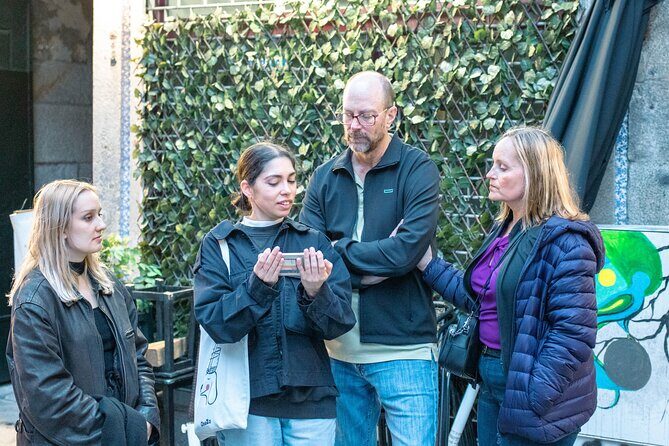
I also like the stop at the Interpretation Center, where the exhibits (including 3-D headsets) give you context before you step into the caves. With a small group limited to 8, the guide can actually answer questions.
One caution: the caves may feel tight, and this tour is not a good fit for claustrophobia or wheelchair users, plus you’ll do some walking on the way in and out.
In This Review
- Key things to know before you go
- Why the Escoural Caves Feel Different Than a Usual “Cave Stop”
- Getting There From Évora or Montemor-o-Novo (and Why Timing Matters)
- The Interpretation Center: Your Shortcut to Understanding the Cave Art
- Entering the Grutas: Rock Art, Animal Figures, and the Archaeology Lesson
- Tour Pace, Group Size, and What You Should Bring
- Price and Value: Is $29 Worth It?
- Who This Tour Is Best For (and Who Might Want Something Else)
- Should You Book This Tour to the Escoural Caves?
- FAQ
- How long is the guided tour of the Escoural Caves?
- Where does the tour pick you up?
- What do we do before going into the caves?
- What’s included in the ticket price?
- Is food and drinks included?
- Is flash photography allowed inside the caves?
- Is this tour suitable for wheelchair users or people with claustrophobia?
Key things to know before you go
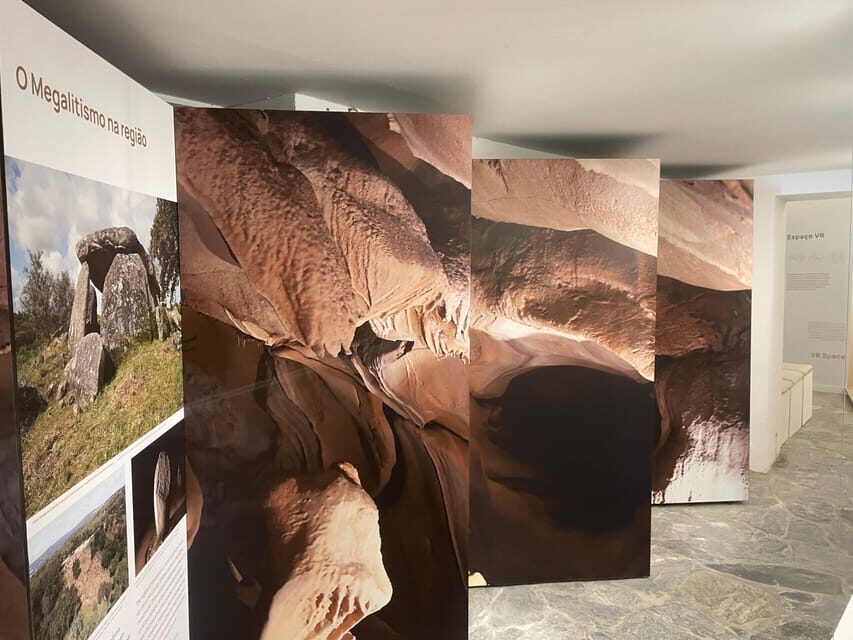
- Prehistoric animal rock art you can actually spot: engravings and paintings with recognizable animal figures.
- You start smart with an Interpretation Center: learn how the site was found and why it matters before the cave tour.
- The caves are archaeological, not just scenic: you’ll see human and animal bones, stone tools, and other artifacts.
- A transfer that saves you hassle: round-trip transport from Évora or Montemor-o-Novo.
- Skip the ticket line: more time for the site and the guide’s explanations.
- No flash photography inside the caves: bring your camera, but keep it flash-free.
Why the Escoural Caves Feel Different Than a Usual “Cave Stop”
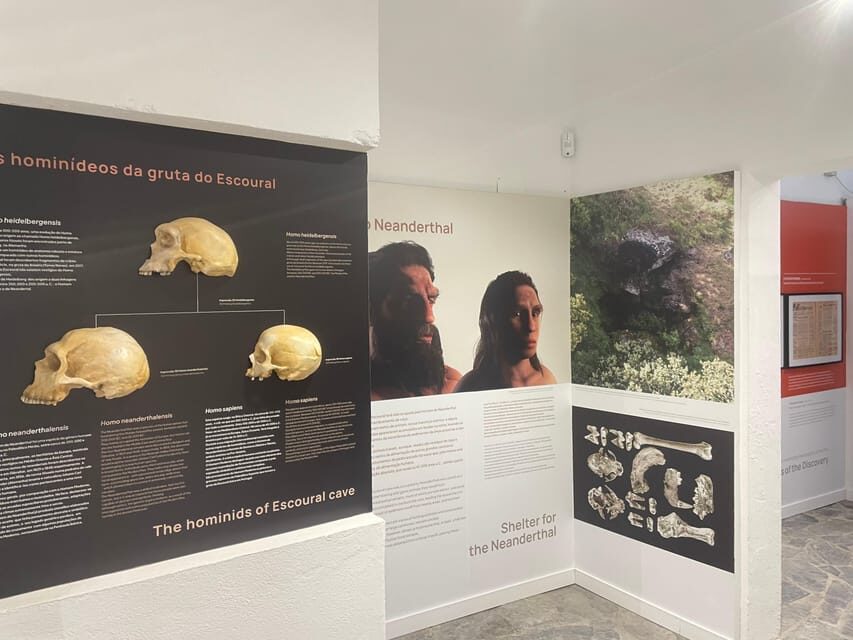
The Grutas do Escoural doesn’t try to wow you with spooky lighting or a theme-park script. What grabs you here is the basic, human fact that people made marks in these caves long before anyone thought of writing history. Your job on this tour is to learn how to look.
Inside, you’ll see prehistoric engravings and paintings that include animals, geometric figures, and abstract lines. Some of it can look faint at first, so you’re guided to slow down and identify what’s there. That shift—from casual viewing to careful noticing—is honestly half the fun.
I also like that the guide doesn’t treat the art like a mystery box with no answers. You’ll get explanations about cultural and religious practices tied to the ancient communities who lived in the region. It helps you connect the images to real lives: where people slept, what they used, and what they left behind.
And yes, the cave itself feels real. It’s not a reenactment. You’re in the same kind of space where bones and tools were found, and that makes the site more than just art on a wall.
You can also read our reviews of more guided tours in Evora


Getting There From Évora or Montemor-o-Novo (and Why Timing Matters)
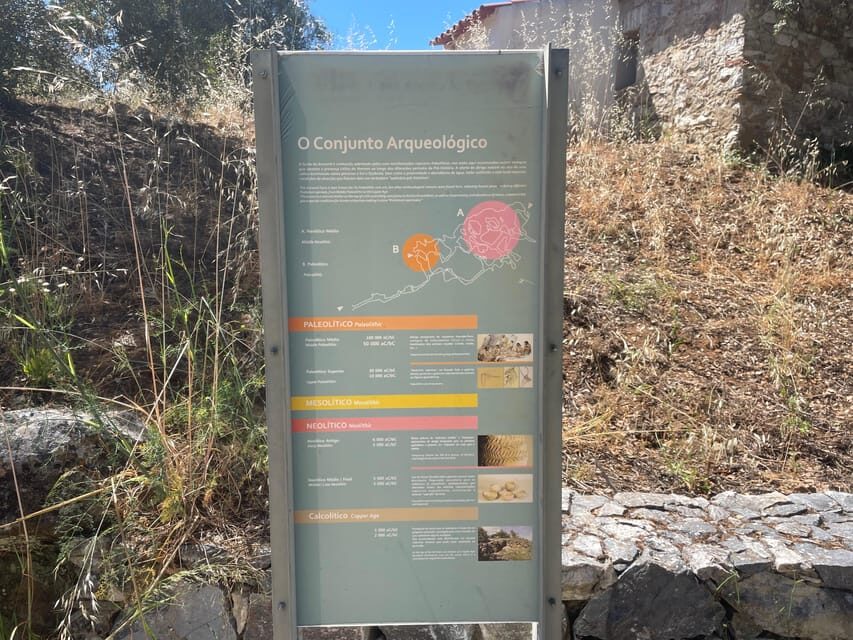
The tour is built around convenience: you get a round-trip transfer from either Évora or Montemor-o-Novo. That matters in rural Portugal, where public transport can be patchy and you don’t want to spend your morning figuring out schedules instead of enjoying the site.
Most of the drive is straightforward, but one detail you should keep in mind: the transfer often takes around 35 minutes. If your timing is good and you arrive early, the driver may even adjust the plan and take you to another nearby prehistoric site. It’s the kind of bonus that can turn a normal morning into a standout one, but don’t count on it as guaranteed—use it as a nice possibility.
When you’re planning your day, think about how you feel with early starts. Three hours total is a short outing, but it includes getting to the caves, visiting the Interpretation Center, and then walking through the cave areas with a guide. If you want a calm pace, build in a buffer around the tour time.
One practical tip: if you’re coming from Évora, leave a little extra time for where you’re meeting. Even a few minutes of confusion can squeeze your energy before you head underground.
The Interpretation Center: Your Shortcut to Understanding the Cave Art
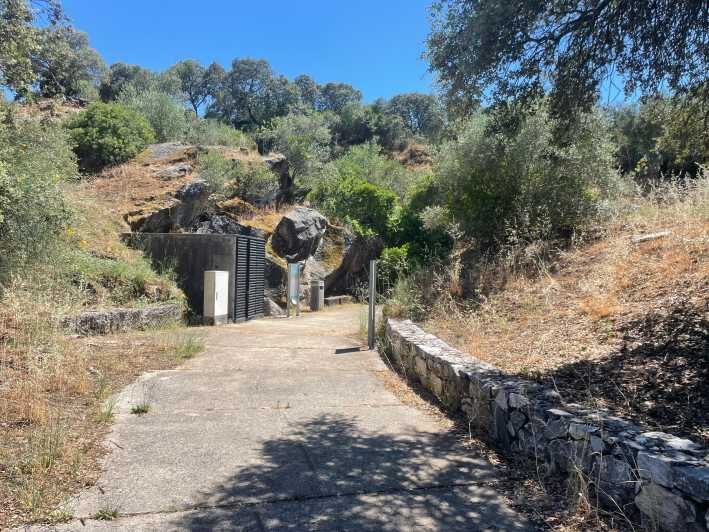
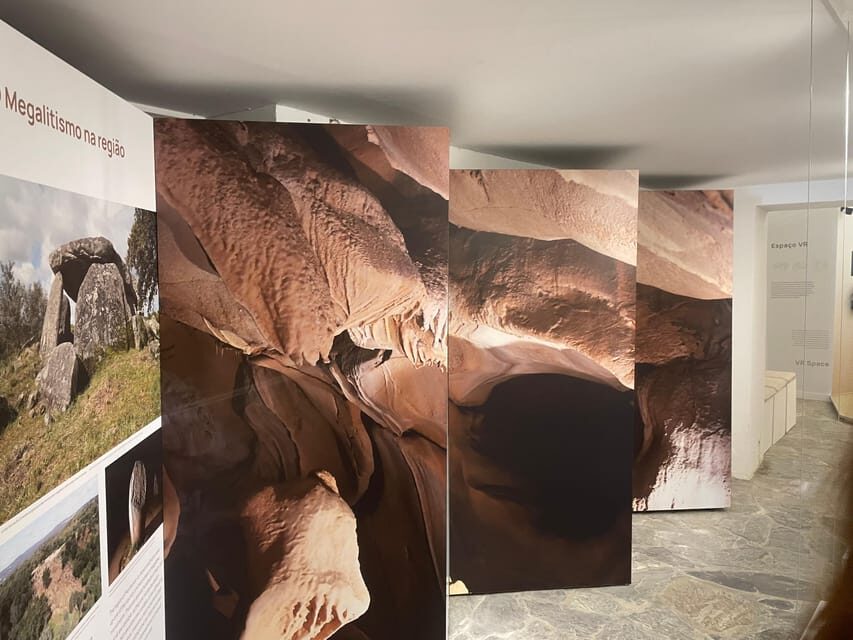
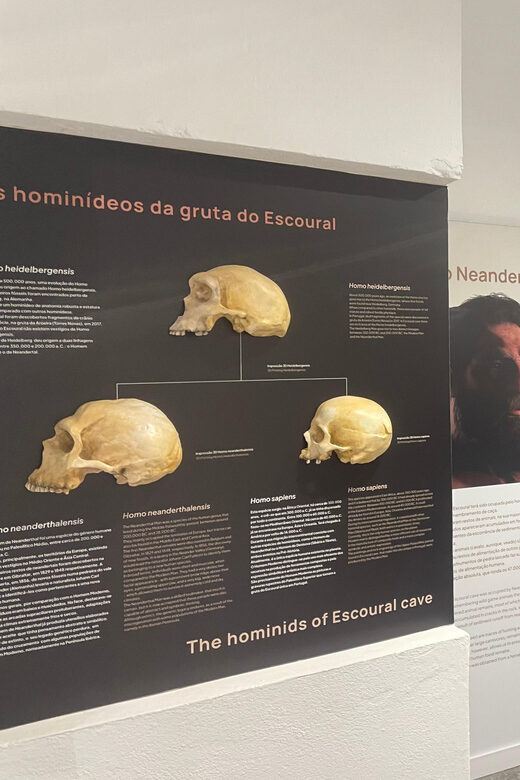
Before you visit the caves, you stop at the Interpretation Center of the Grutas do Escoural. This isn’t just a waiting room with posters. It’s where the site’s story becomes clear and less abstract.
You learn about:
- the history and discovery of the site
- its archaeological importance
- what the cave art and finds mean in context
One specific detail I like: the exhibits use 3-D headsets, which help you visualize aspects of the site that would be hard to understand just from walking around. It’s particularly useful if you’re the type who needs a mental map before you look closely at engravings and paintings.
Think of this stop as your training session. By the time you enter the caves, you’re not walking in cold. You already know what you’re looking for, why the site was important, and how archaeologists interpret the evidence.
And if you’ve ever visited a museum where the main labels felt like an afterthought, you’ll appreciate the order here. Context first, then the cave—so the art doesn’t float in a vacuum.
Entering the Grutas: Rock Art, Animal Figures, and the Archaeology Lesson
The cave portion is the headline. This is where the Grutas do Escoural becomes more than a brochure photo.
You’ll go inside with a guide and look at the main art features, including:
- animal figures (the ones most people can start to pick out with guidance)
- geometric shapes and abstract lines
- engravings and paintings that survive because of the cave conditions
Here’s what to expect in your own viewing. At first glance, prehistoric marks can feel faint. The trick is learning how to read them—where to look, what kind of lines count, and how archaeologists connect styles and placements to past behaviors. A good guide can also help you ask the real question: why this spot, why these images, and why this kind of space.
This tour also treats the caves as an archaeological site, not only an art gallery. Inside, you’ll see evidence from ancient life such as:
- human and animal bones
- stone tools
- other artifacts linked to the people who lived in or used the area
Seeing those physical remains alongside the art changes the tone of the visit. The cave art stops feeling like a decorative mystery and starts feeling like part of a lived world. You get the sense that the same place held multiple kinds of human activity—creation, use, and leftover traces that archaeologists are still studying.
And because it’s a guided visit, you’re not expected to be an expert on the spot. You’re given just enough information to make the visuals click.
Important rules: flash photography isn’t allowed inside the caves. So plan to use your camera normally, without flash, and accept that low light may limit what you capture. Bring your camera anyway—just treat it as memory, not a guarantee of perfect results.
Tour Pace, Group Size, and What You Should Bring
This is a small-group experience, limited to 8 participants. That small size is a real quality factor. You’ll move at a pace that stays manageable underground, and the guide can tailor explanations without talking over everyone.
The tour runs for about 3 hours, and the timing usually includes:
- transfer to the caves
- Interpretation Center visit
- guided cave tour
Wear comfortable shoes. There’s some walking involved, and you’ll want stability on uneven surfaces. If you’re hoping to wear dressy footwear or thin-soled sandals, skip it.
Bring:
- water
- a camera
- comfortable clothes for a cool, enclosed space
If you’re the kind of person who gets chilly easily, pack a light layer. Caves can feel cooler than you expect, and it helps you stay comfortable through the guided walk.
What to watch for in your planning: the caves may not be suitable for claustrophobia or for mobility limitations. The tour operators clearly flag this, so take it seriously. If you know you struggle in tight spaces, you’ll likely feel uneasy underground even with a guide’s reassurance.

Price and Value: Is $29 Worth It?
At around $29 per person for a 3-hour guided experience, this tour can be a strong value—mainly because you’re not paying just for entry.
For that price, you’re getting:
- a guided tour inside the Grutas
- entrance to the caves
- a visit to the Interpretation Center
- round-trip transfer from Évora or Montemor-o-Novo
- a small group format
- ticket-line skipping (so you lose less time)
If you tried to do this on your own, you’d likely spend time and money on transportation and figuring out timing. The transfer alone can make the whole day easier, especially if you’re not driving.
Also, the guide is where the value really shows. Prehistoric art is hard to interpret without help. When someone explains how to look at engravings and paintings—and connects the finds like bones and tools to broader human activity—you’re paying for understanding, not just access.
If you’re on a tight schedule, this is one of those activities where the time adds up well. Three hours is enough to feel like you truly saw the site, not just glanced at it and rushed away.
Who This Tour Is Best For (and Who Might Want Something Else)
This tour is a great fit if you like:
- archaeology and real artifacts (bones and stone tools, not only images)
- guided explanations that help you interpret what you’re seeing
- small-group experiences with room for questions
- calm pacing that doesn’t rush you through the cave
It’s also ideal if you’re visiting the Évora region and want something less typical than city churches and plazas. The Grutas do Escoural gives you a very different sense of Portuguese time—deep time, long before written records.
You might consider alternatives or a different activity if:
- you have claustrophobia
- you use a wheelchair (this tour isn’t designed for wheelchair users)
- you prefer open-air sights where you can move freely without feeling boxed in
One more practical note: even if the art is identifiable, it isn’t always bright and obvious like museum reproductions. You’ll get the most out of it if you’re willing to slow down and let the guide train your eyes.
Should You Book This Tour to the Escoural Caves?
I think you should book this if you want a guided, high-context visit to a rare prehistoric site without the stress of transport. The best part is how the tour combines prehistoric rock art with real archaeological evidence in the same experience, and then gives you the background at the Interpretation Center so the cave doesn’t feel like a guessing game.
Book it now if:
- you’re in the Évora or Montemor-o-Novo area
- you want a small-group tour (max 8)
- you’re okay with uneven cave walking and limited comfort
- you’re curious about how people lived and practiced culture thousands of years ago
Skip it if you’re uncomfortable in tight underground spaces, since the caves can be an issue for claustrophobia. And if you dislike guided interpretation, this may feel more educational than scenic, though the cave art itself still does the heavy lifting.
If you match the fit, this is the kind of half-day stop you’ll remember for how it changes the way you look at simple lines on a wall.
FAQ
How long is the guided tour of the Escoural Caves?
The experience lasts about 3 hours.
Where does the tour pick you up?
You can join from either Évora or Montemor-o-Novo, with round-trip transfer included.
What do we do before going into the caves?
You visit the Interpretation Center of the Grutas do Escoural to learn about the history, discovery, and archaeological importance of the site.
What’s included in the ticket price?
The tour includes a guided visit to the Grutas do Escoural, entrance to the caves, the Interpretation Center visit, and round-trip transfer from Évora or Montemor-o-Novo.
Is food and drinks included?
No, food and drinks are not included.
Is flash photography allowed inside the caves?
No. Flash photography isn’t allowed inside the caves.
Is this tour suitable for wheelchair users or people with claustrophobia?
It’s not suitable for people with claustrophobia, and it’s not suitable for wheelchair users.