REVIEW · EVORA
Megalithic & Medieval tour on a sidecar Évora
Book on GetYourGuide →Operated by Moma Side My Bike · Bookable on GetYourGuide
Time travels with every turn. This sidecar experience strings together Évora’s megalithic past, UNESCO-listed city layers, and the medieval story threads that connect to Monsaraz—while you ride in comfort and speed. The tour also uses an audio setup that keeps the history flowing as you pass cork trees and countryside edges.
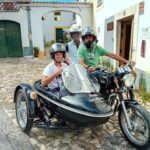
I especially love the way the guide, Paulo, tells the story in a clear, chronological way—so the stones, streets, and kings feel connected instead of random stops. I also like that you get built-in moments for photos, so you’re not constantly trying to angle your camera while the bike keeps moving.
One consideration: the ride may feel tricky if you’re tall or have back problems, and the helmet headsets can be a little fiddly at first (the guide handles it, but it’s worth knowing).
In This Review
- Key highlights to look for
- Sidecar travel in Évora: why the format works
- Getting started at Jardim Público de Évora (and what to spot)
- Almendres cromlech and menhir dos Almendres: Portugal’s older start
- From the Eborones to Alto de São João: the city before the big eras
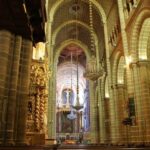
- UNESCO layers in Évora: Roman, Visigothic, and Muslim eras
- Avis dynasty, Cardinal-Infante Dom Henrique, and the 15th–16th century boom
- Templar threads and the medieval link to Monsaraz
- Riding with Paulo: headsets, photos, and what to watch for
- Price and value: is $47 for 3 hours worth it?
- Who should book (and who might skip it)
- Should you book Moma Side My Bike’s Évora sidecar tour?
- FAQ
- Where is the meeting point?
- How long is the tour?
- Is this a private group tour?
- What languages are available?
- What’s included in the price?
- What should I bring?
- Will I be able to hear the guide while riding?
- Is it suitable for kids or people with comfort concerns?
- Can I cancel or pay later?
Key highlights to look for
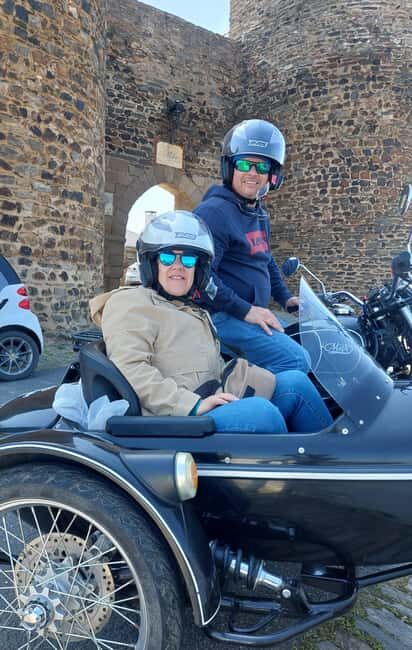
- Sidecar travel through Évora’s countryside edges at an easy pace
- Almendres cromlech and menhir for a real prehistory start
- A guided route that moves through Roman, Visigothic, and Muslim eras
- Medieval power and art links to Avis dynasty and Cardinal-Infante Dom Henrique
- Helmet headsets so you can hear the guide while riding and still see the sights
- Photo stops that save you time and stress
Sidecar travel in Évora: why the format works
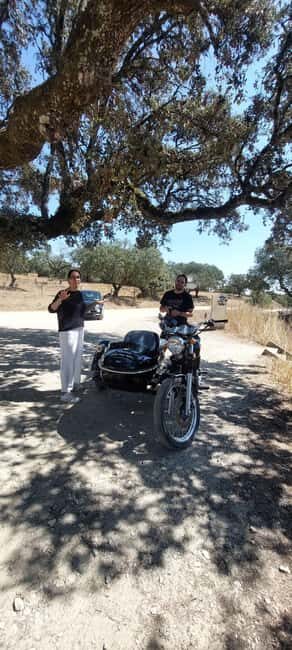
A normal guided walk in Évora is excellent. But the sidecar version changes your rhythm. You still get stops and explanations, yet the ride connects the city to its surroundings in a way that feels more like local movement than tourist shuffle.
This matters because Évora is not one era—it’s layers. One moment you’re looking at megalithic stones that predate the city by a lot. Then you’re hearing how later cultures shaped the same ground, city streets, and power centers. From a practical standpoint, three hours is also a sweet spot: enough time to feel you’ve covered meaningful history without getting tired and cranky.
And yes, the joy factor is real. The sidecar turns the tour into an experience you’ll remember even if you forget some specific dates. The goal here is not speed. It’s perspective—seeing how prehistoric, medieval, and human stories line up across the same region.
You can also read our reviews of more tours and experiences in Evora.

Getting started at Jardim Público de Évora (and what to spot)
Your tour begins at the main entrance of the Public Garden of Évora. The meeting point is near a kiosk and a bandstand, with a huge statue of the navigator Vasco da Gama and a palace nearby.
I like this start for one simple reason: it’s easy to orient yourself. You’re not dropped into a random alley or asked to meet beside a sign you can barely read. If you arrive 10 minutes early, you can take a quick look around, get your bearings, and be ready for the first story beat.
Before you go, think about clothing. Wear what you’d wear for an outdoor ride—weather-appropriate layers work best, because the route is open-air at times. And if you’re traveling with a friend, good plan: a private group means you can ask questions without feeling like you’re interrupting a crowd.
Almendres cromlech and menhir dos Almendres: Portugal’s older start
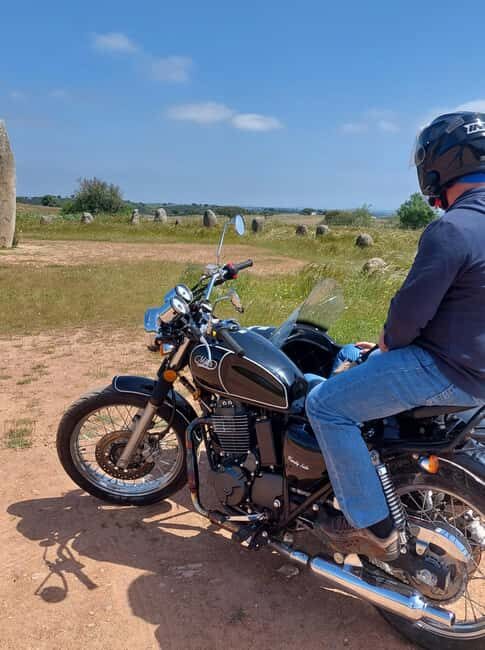
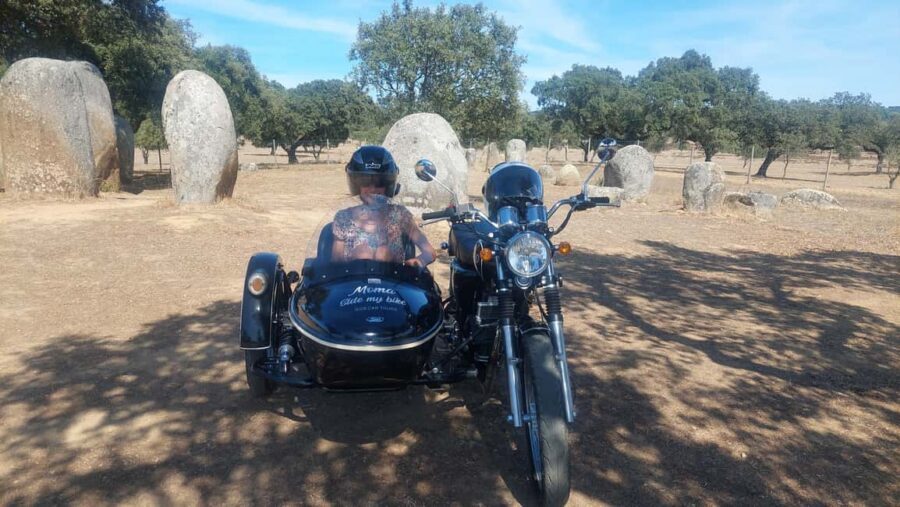
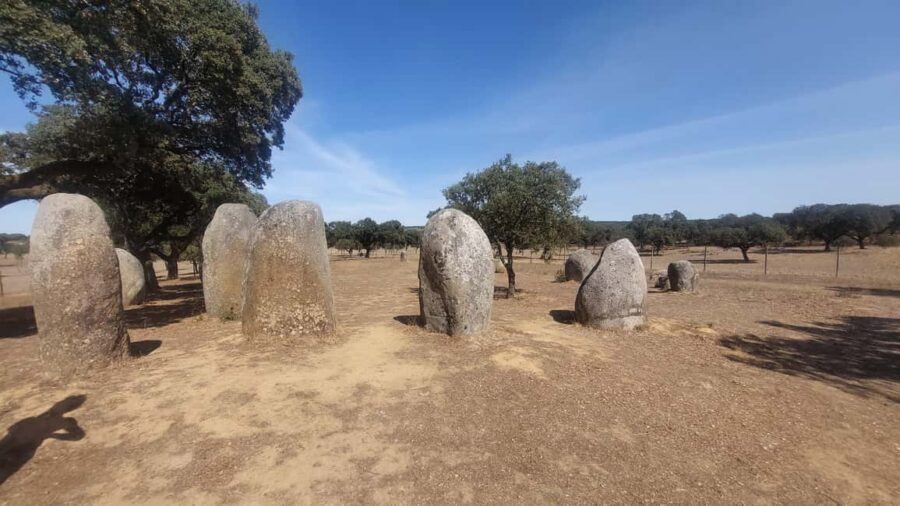
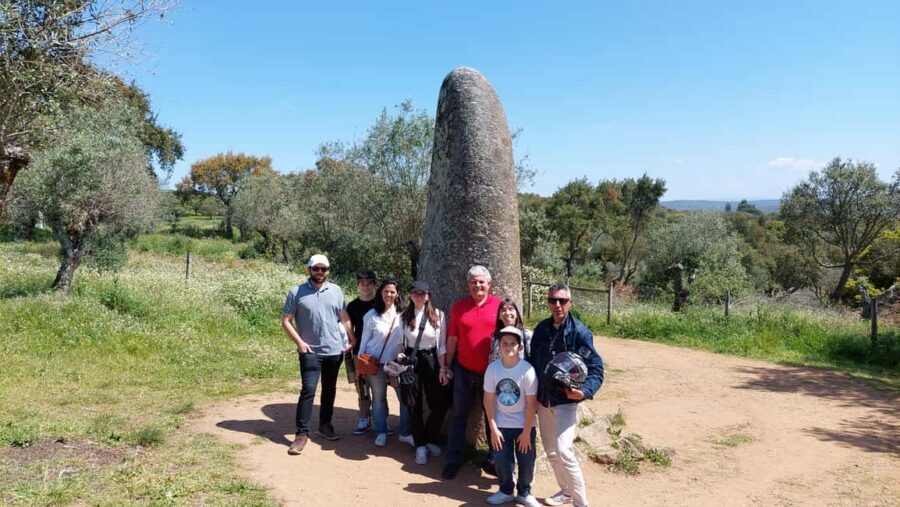
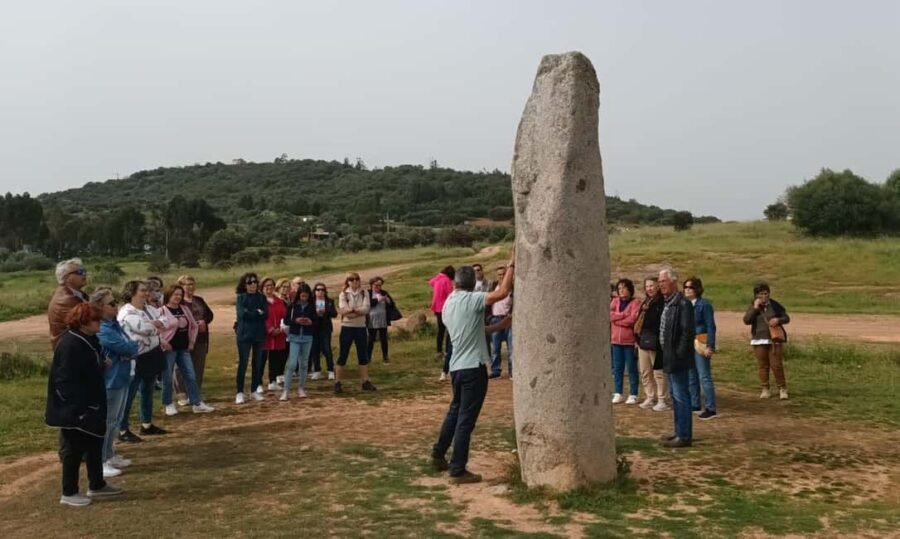
The tour kicks off with the cromlech of Almendres and the menhir dos Almendres. Even if you’ve seen megaliths elsewhere, there’s something extra compelling here because the setting makes you slow down. A stone circle and a standing stone don’t need explanations to feel powerful, but the guide gives you context so you understand what you’re actually looking at.
What you can expect at this stage is a first shift in scale. You’re moving from the idea of a modern city to a time when people marked the landscape with stones and intention. Standing at these sites, you’ll get a better sense of why locals treat megalithic heritage like part of their identity, not a distant museum piece.
Practical note: bring weather-appropriate clothing for the stop, since you’ll spend time outside. Also, if you’re photo-focused, this is your early moment—get your steady shots first, then let the ride carry you onward.
From the Eborones to Alto de São João: the city before the big eras
After the megalith start, the tour shifts into Évora’s early settlement story, beginning with the Eborones at Alto de São João (now known by that location name). This part is valuable because it prevents the common mistake of thinking history starts when a big monument gets built.
The Eborones step helps you understand that Évora’s significance was already forming long before medieval prestige and royal residences. You’re basically getting the foundation first, then the architecture later. That order makes everything you see afterward easier to place in your mind.
I also like that this stage feels like transition rather than a sudden jump. You go from a prehistoric viewpoint to a human settlement viewpoint, and the guide ties the movement of people—over time—into the story of why Évora mattered.
UNESCO layers in Évora: Roman, Visigothic, and Muslim eras
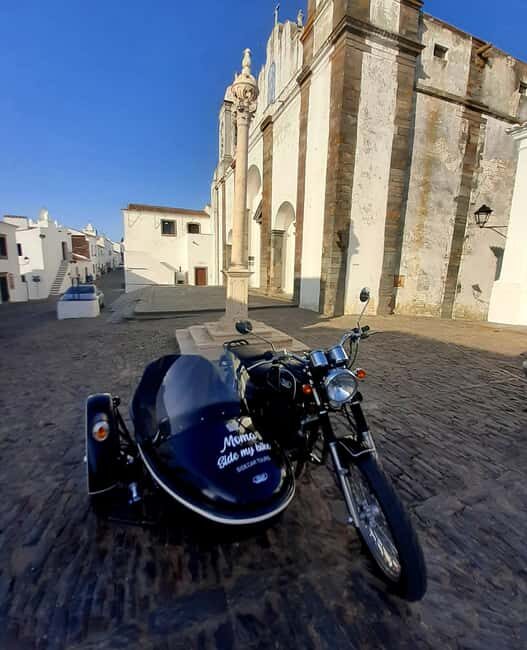
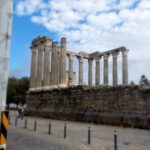
Next comes the World Heritage area of Évora, with the tour covering a span that reaches across Roman, Visigothic, and Muslim times. This is one of the reasons the guided format is useful: the city can look like one “pretty old town” at a glance. The guide helps you notice how different eras leave different fingerprints.
As you ride and stop through key spots, you’re looking for layers you might not spot alone. Roman-era influence tends to show up in the way cities were organized. Later periods bring different cultural and architectural choices, and the Muslim-era presence is part of why the city’s story is not simple or one-directional. The UNESCO label here isn’t just decoration. It signals that this place preserves multiple chapters in a walkable space.
A small drawback: because there’s a lot to cover, this portion is where your brain can work a bit. If you’re the type who likes long museum-like explanations, you may want to take notes quickly and let some details pass. The upside is that you get a clean overview that you can build on afterward.

Avis dynasty, Cardinal-Infante Dom Henrique, and the 15th–16th century boom
Then you hit the Golden Portugal Age of the 15th and 16th centuries—when Évora’s splendour became a favourite residence for the kings of the second dynasty, Avis. This is where the tone shifts from layered cultures to political power and patronage.
The guide brings in names that help you connect art and buildings. One standout figure is Cardinal-Infante Dom Henrique, later known as King Henry I. He’s presented as a major patron—someone whose influence helped shape the city’s monuments and artistic atmosphere.
You’ll also hear about artists connected to that flourishing period, including the dramaturge Gil Vicente, the sculptor Nicolau Chanterene, and the painter Fray Carlos. Even if you don’t memorize their dates, their presence makes the city feel like it grew through human creativity, not just official decrees and stone.
What you’ll probably appreciate most here is the cause-and-effect feeling. The tour doesn’t treat buildings as isolated postcards. It frames them as results of a time when rulers, church power, and artists all fed into the same urban identity.
Templar threads and the medieval link to Monsaraz
The medieval side doesn’t stop at the city center. The tour also includes the Templar connection and the medieval history thread linked to Monsaraz, which sits in the wider region.
I like these connections because they get you out of the mindset that medieval history is only about what’s inside a city wall. The Templar story is one more example of how regional power networks shaped how people lived, defended, and traveled. And bringing in Monsaraz as part of the medieval narrative helps you see Évora as a hub, not an island.
Since this section is part of a timed three-hour route, you won’t get endless stop-by-stop details. But you will leave with a clearer idea of how nearby towns and historical forces connect.
Riding with Paulo: headsets, photos, and what to watch for
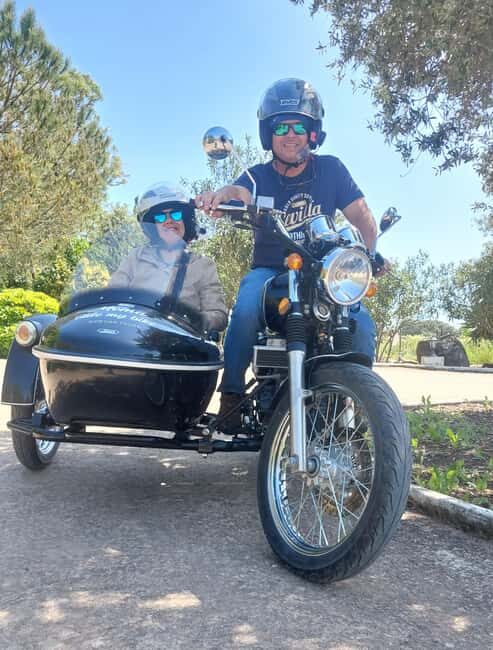
The practical magic of this tour is the communication setup. The guide speaks, and you hear the narration through connected headphones under the helmet. That means you can keep your eyes on the ride and still follow the story.
In my view, this is what makes the sidecar format more than a gimmick. One rider described the helmets with microphones and the guide keeping conversation clear. If you’re traveling in English, Spanish, or Portuguese, the live tour guide supports your language too.
A couple of real-world tips:
- If the Bluetooth or headset pairing feels awkward at first, stay calm. The guide adjusts.
- If you’re sensitive to comfort, confirm fit and posture early. One key caution from experience is that tall riders or people with back problems may find the setup less friendly.
Photo stops are another plus. The guide takes photos for you during the tour, so you don’t have to time your own shots every time the scenery becomes perfect.
Price and value: is $47 for 3 hours worth it?
At $47 per person for a three-hour guided experience, this is strong value for two reasons.
First, you’re paying for more than sightseeing. You’re paying for a guided storyline across megalithic sites and multiple historical eras in one smooth run. The narration through headphones plus the structured stops mean you get a lot of interpretation for the time you spend outdoors.
Second, the tour is positioned as everything included, with lunch not included. That matters because you’re not stuck figuring out meal logistics mid-tour. For a short trip window, predictability is money well spent.
To get the best value, treat it as an overview tour. You’ll get enough to understand Évora’s bigger picture. Then you can come back later for slower, self-paced exploring based on the themes you enjoyed most.
Who should book (and who might skip it)
This sidecar tour is a good fit if you want:
- An active way to cover a lot in a short time
- A guided story through Évora’s megalithic and medieval layers
- Headset-guided narration so you can enjoy the ride without missing explanations
- A private group vibe rather than squeezing into a larger crowd
It may be less ideal if you:
- Have back problems or are very tall, since the ride setup can be uncomfortable
- Are traveling with very young kids (the tour isn’t suitable for children under 6)
- Prefer a quiet, no-headset experience
Also, alcohol and drugs are not allowed, so keep the vibe straightforward.
Should you book Moma Side My Bike’s Évora sidecar tour?
If you like history but don’t want a rigid, museum-heavy day, I think you’ll enjoy this. It’s built for people who want to see Évora’s eras connect—megaliths to medieval power—without spending hours commuting or planning a complicated route.
Book it if you’re aiming for:
- Maximum story per hour
- A unique way to experience the region beyond walking
- A guide-led route with photo help
Consider skipping or choosing something else if comfort matters most to you, especially with tall posture or back sensitivity. In that case, you can still enjoy Évora on foot, but you’d lose the “ride plus narration” magic.
FAQ
Where is the meeting point?
The tour meets at the main entrance of the Public Garden of Évora (Jardim Público de Évora), near a kiosk and a bandstand, with a large Vasco da Gama statue and a palace nearby.
How long is the tour?
The duration is 3 hours.
Is this a private group tour?
Yes, it’s listed as a private group.
What languages are available?
The live guide offers English, Spanish, and Portuguese.
What’s included in the price?
It’s listed as everything included, and the tour includes the guided experience. Lunch is not included.
What should I bring?
Bring weather-appropriate clothing for the outdoors.
Will I be able to hear the guide while riding?
The narration is delivered so the passenger can hear it through connected headphones under the helmet.
Is it suitable for kids or people with comfort concerns?
It’s not suitable for children under 6. Also, it won’t be suitable for a tall person or for people with back problems.
Can I cancel or pay later?
Free cancellation is available up to 24 hours in advance for a full refund. You can reserve now and pay later to keep your plans flexible.