REVIEW · EVORA
Golden Era of Évora walking & the portuguese wine tasting.
Book on GetYourGuide →Operated by Moma Side My Bike · Bookable on GetYourGuide
Évora tells its story in layers. I love how this tour links Roman to Portuguese eras into one walkable route, and I also love the ending Alentejo wine tasting led by Vanessa Schnitzer. One thing to consider: it’s still a walking tour, so you’ll want truly comfortable shoes and clothes for a few hours on uneven old-street surfaces.
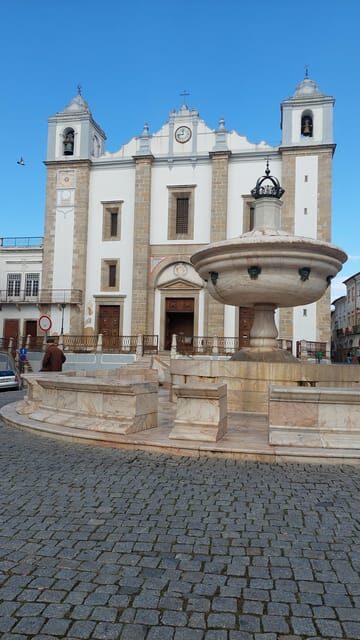
You start at the Chafariz da Praça do Giraldo area (near Igreja de Santo Antão) and the guide sets the stage fast. You’ll get the big cultural timeline: first settlers, then Roman rule, Visigothic and Muslim influences, medieval defenses, and later the Portuguese Kingdom and the Avis dynasty. Évora’s special status is part of the story too, with UNESCO World Heritage designation dated 23 November 1986.
The walk is for you if you like seeing how buildings work as evidence. In the guide’s hands, architectural details stop being random decoration and start making sense, which is why I’d do this early in your Évora time. The group stays private, and English/Spanish/Portuguese guides are offered, so you can follow the thread without getting lost.
Key highlights you’ll care about
- A stitched-together cultural timeline: Roman, Visigothic, Muslim, medieval, and Portuguese eras in one route
- Real structures, not slides: towers, Roman temple details, aqueduct elements, gateways, battlements
- Geraldo the Fearless and the reconquest theme that ties local sites to national history
- UNESCO World Heritage context for why Évora mattered beyond just being pretty
- Wine tasting with Vanessa Schnitzer at Ervideira Wine Shop, focused on Alentejo’s character
- Skip the ticket line so you spend less time waiting and more time walking and learning
In This Review
- The Praça do Giraldo start: how the guide sets up Évora fast
- How the walk turns Roman-to-Muslim layers into something you can spot
- The guided history segment and break time: where it gets practical
- Stopping for towers, fountains, gates, and the “why” behind the look
- Palace of D. Manuel and the city’s later “Portuguese Kingdom” tone
- Churches and fortification details: where everyday faith meets military design
- The ending at Ervideira Wine Shop: Alentejo tasting with Vanessa Schnitzer
- Price and logistics: what $42 buys you in real terms
- Who should book this Évora Golden Era walk and wine tasting?
- Should you book it? My honest recommendation
- FAQ
- Where does the tour start, and where do I meet?
- How long is the Golden Era of Évora walking tour plus wine tasting?
- Is wine included in the price?
- Are museum entrances included?
- What languages are the guides?
- Do I need comfortable walking shoes?
The Praça do Giraldo start: how the guide sets up Évora fast
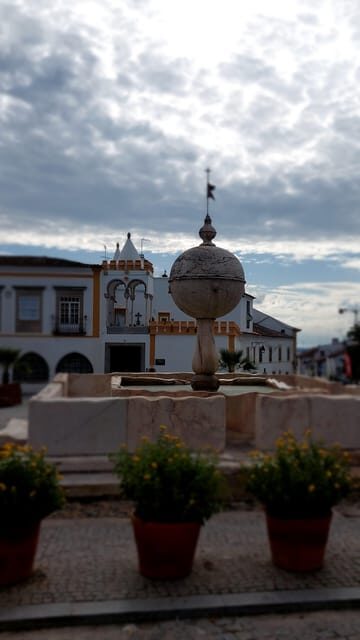
The tour begins around Geraldo Square, at the Chafariz da Praça do Giraldo fountain area. It’s a smart place to start because the square gives you a “hub” feeling—you’re right where you can orient yourself and then fan out into the old city.
From there, the guide’s job is to make the whole town feel like one connected story. You’re not just collecting landmarks. You’re learning a timeline: early settlement lore, then the Roman period, followed by Visigothic and Muslim layers, and later the medieval period and the Portuguese Kingdom. The reconquest thread is specifically tied to Geraldo the Fearless, so you’ll hear how local action connects to national change.
I like that the framing includes the Avis dynasty and the Golden Portugal Age in the 15th and 16th centuries. Those centuries mattered for Portugal’s power and identity, and Évora had a special role—so it’s not history “for history’s sake.” It helps you understand why Évora’s architecture feels like it’s speaking different languages at once.
If you’re the kind of traveler who likes to get your bearings early, this tour has that advantage. One reviewer even noted doing it at the beginning made everything afterward click in a different way. That matches my philosophy: start with the map in your head, then enjoy the rest of the streets without guessing.
How the walk turns Roman-to-Muslim layers into something you can spot
Évora’s big win is that you can see multiple time periods working side-by-side. But you won’t automatically notice that unless someone points it out. That’s where this experience earns its price.
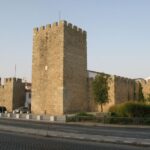
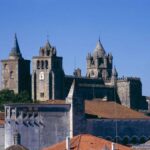
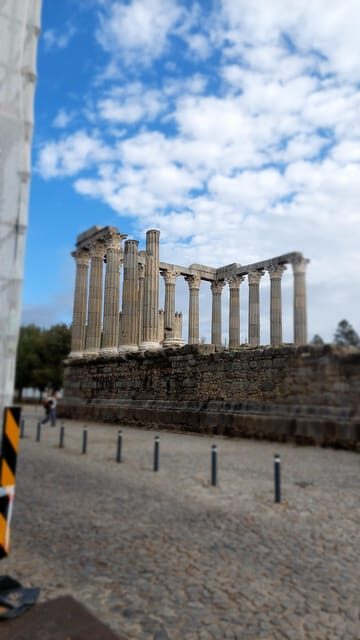
The highlights you’re set up to see include Roman influences (like Roman temple-related features and gateways), the aqueduct, and then later waves of architecture and fortification. The tour also mentions Visigothic and Muslim periods, plus medieval battlements and towers. Even if you’ve visited other Portuguese cities, Évora is different in how “stacked” the evidence feels.
Here’s what I’d pay attention to as you walk:
- When you see a tower or defensive-looking structure, listen for what era it’s tied to and why the shape matters.
- When something looks Roman, don’t just nod—ask yourself what kind of function it had in daily life (entry, worship, water supply).
- When the route shifts toward medieval Portugal and the Golden Age, watch how the tone changes from survival/defense toward prestige.
The tour is also built around the idea that architecture reflects culture and power. That’s why it matters that the guide doesn’t treat the town as a single style. Roman, Muslim, and medieval references aren’t just “cool facts.” They explain the city’s personality—why certain streets feel enclosed, why certain structures feel monumental, and why Évora reads as both ancient and civic at the same time.
You can also read our reviews of more walking tours in Evora
The guided history segment and break time: where it gets practical
The schedule includes a break time and a guided tour segment of about 1 hour early on. That hour is crucial because it gives you the timeline you’ll keep “using” for the rest of the walk.
This is the moment where good guides do two things:
1) They identify what you’ll see next in plain language.
2) They teach you how to look, so the walk doesn’t become background noise.
One thing I appreciated from the overall feedback is how guides used details rather than vague storytelling. For example, the guides named in reviews—Paolo and Vanessa Schnitzer—were singled out for connecting architectural periods to a bigger context. One review even mentioned that the guide sent materials upfront, which helps your brain focus from the first minutes. If you can get any pre-reading or notes ahead of time, do it. It speeds up the whole experience.
A small consideration: a review noted that the guide spoke a bit quickly. In real life, that can happen with passionate storytellers, especially when time is tight. If you’re sensitive to pace, tell yourself you’ll pick up the most important points—big time periods and signature structures—then let the fine details land gradually.
Stopping for towers, fountains, gates, and the “why” behind the look
As you move through Évora, you’re set up to see an assortment of town-defining features:
- towers and fortification elements (including the mention of a medieval battlement),
- fountains and street-level details,
- Roman temple and aqueduct-related sights,
- and gateways, including the mention of a Roman gateway and the Sisebuto tower.
These are the kinds of stops where the guide’s explanations can make a big difference. A tower isn’t just tall. In many cities, it’s the city’s “vertical memory”—a marker of defense, administration, or status. A gateway isn’t just an entry point; it can show how Romans moved people and goods, and how later rulers wanted to control access.
The aqueduct element is another standout category. Water infrastructure often disappears from tourist thinking, because it’s practical instead of dramatic. But in older cities, water systems are part of the survival story. When you hear how the aqueduct fits into the Roman plan, you’ll start seeing infrastructure as architecture—not just history text.
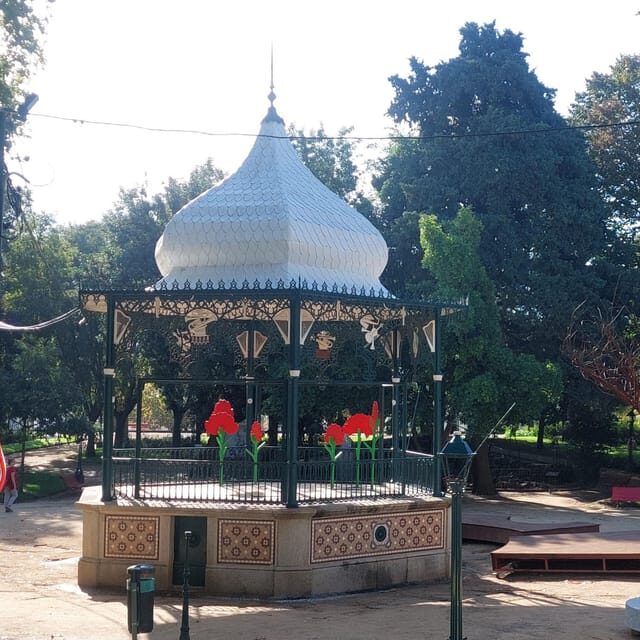
And then there are the more human-scaled features: fountains and romantic garden stops. Those are important because they give your legs a moment to breathe and your eyes a break. They also remind you Évora wasn’t only built for armies and empires. People lived here, and the city’s design includes everyday beauty and public spaces.
Palace of D. Manuel and the city’s later “Portuguese Kingdom” tone
Part of what makes this tour feel more than a greatest-hits walk is that it carries you into the Portuguese Kingdom era and ties it to the city’s role during the 15th and 16th centuries.
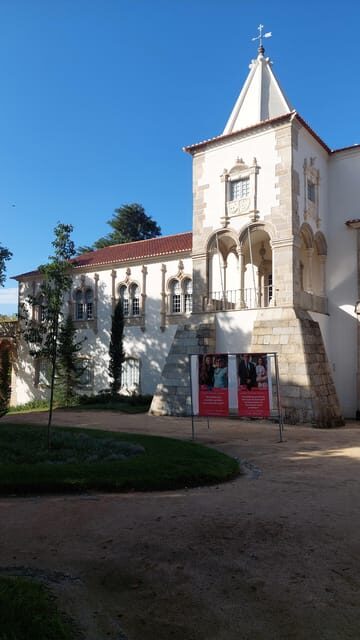
You’ll see the palace D. Manuel mentioned among the highlights, along with statues. This is where Évora starts to read like power and patronage—not only defense and earlier imperial layers.
The Avis dynasty and the Golden Age framing matters here. When you understand that period as an era of national growth and identity, you can interpret why certain buildings feel more about presence and legitimacy. Even if you’re not a hardcore monarchy-history person, you’ll likely find that the tone shift in architecture is obvious when the guide explains what you’re looking at.
This is also where I find the tour’s “value” shows up. Lots of city walks list sights. This one tries to explain the logic tying them together—Roman engineering → later rule changes → medieval defenses → Portuguese prestige.
That’s why one review strongly recommended the tour if you like the clash of cultures, religions, and architectural styles across roughly two millennia. If that kind of pattern recognition is your thing, you’ll feel it clicking as the route progresses.
Churches and fortification details: where everyday faith meets military design
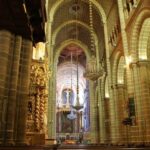
The tour includes churches and references to defensive or fort-like elements, including battlements and towers. That combination can seem odd at first—why mix sacred spaces with military ones?—but Évora’s history makes it logical.
When a city changes hands across centuries, you get a layered map. Sacred spaces may get repurposed, rebuilt, or re-framed by later communities. Fortification structures tend to remain visible because defense infrastructure tends to be reused or adapted. By seeing churches alongside towers and defensive elements, you get a more complete sense of how the city functioned.
This is also a good moment to watch your footing. Older city areas can be uneven, and you may step onto small inclines or cobblestones. Nothing too extreme is mentioned, but the practical advice from the tour is clear: bring comfortable shoes and comfortable clothes.
You can also read our reviews of more food & drink experiences in Evora

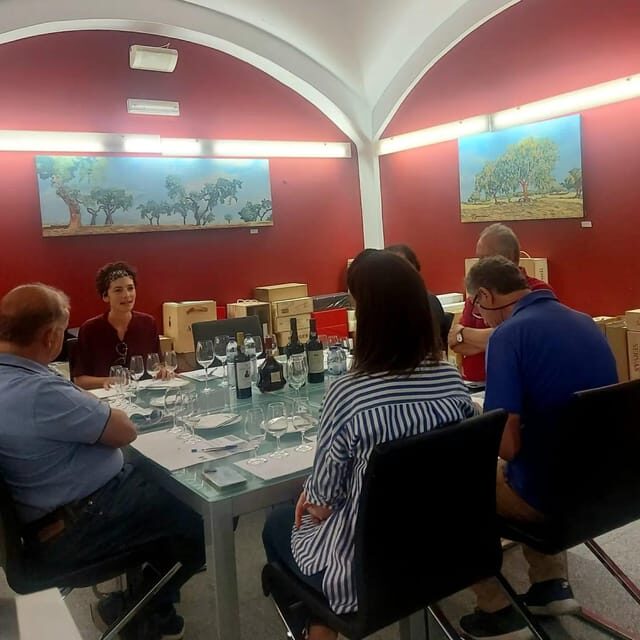
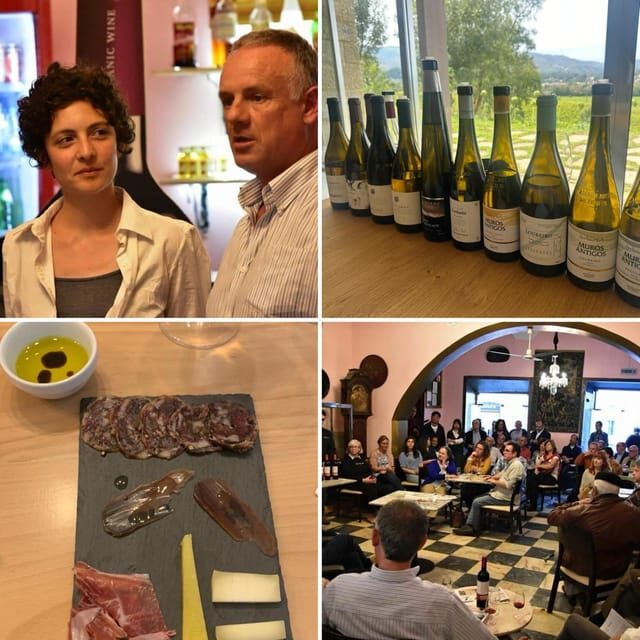
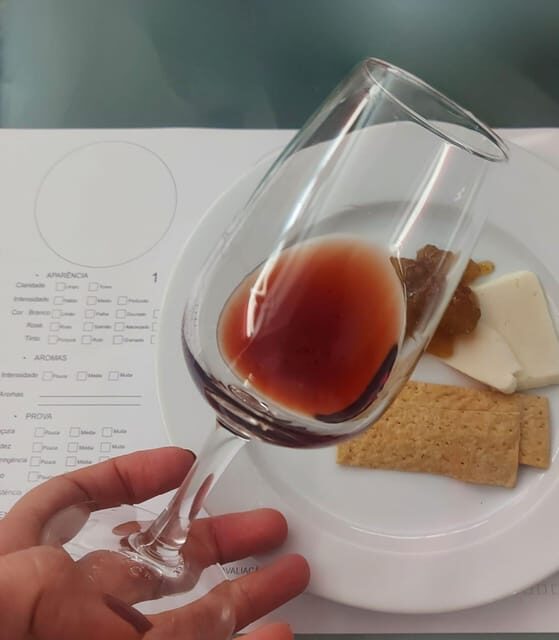
The ending at Ervideira Wine Shop: Alentejo tasting with Vanessa Schnitzer
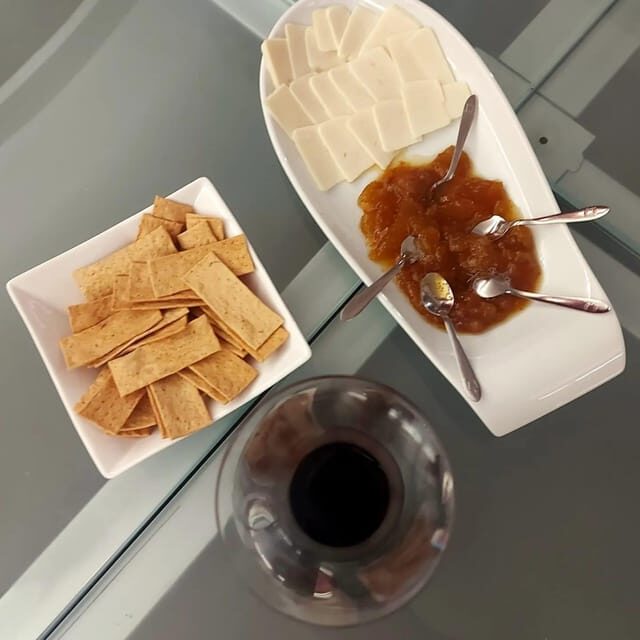
The walk concludes with wine tasting at Ervideira Wine Shop, specifically described as a place to live and experience Alentejo in the heart of Évora.
The tasting host is Vanessa Schnitzer, listed as a Sommelier, Oenologist, and PhD student. She’s also described as inviting you to a wine-tasting event aimed at promoting Alentejo wines. That matters because the tasting isn’t positioned as a random pour-and-go activity. It has a “sense of place” focus.
Here’s what you can take away conceptually about the wines from the tour info:
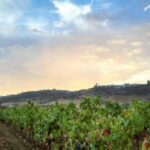
- Alentejo’s soil and climate give the wines their character.
- The goal is to connect what you taste to where the grapes are grown.
- You’ll be guided through traits and style, not just labeled as red/white.
One review specifically praised Vanessa for explaining Roman influences in Évora and showing places of historical significance that the person wouldn’t have found on their own. That reinforces something I like about this kind of format: the day keeps its theme. The history and the tasting both connect back to place.
And yes, the wine is included. For a $42 per person price point, that’s a big part of the value. You’re paying for a 4-hour private walking experience plus a structured wine stop, not just a short pub-style tasting.
Price and logistics: what $42 buys you in real terms
At $42 per person for a 4-hour private experience, the deal is best understood as two bundled activities:
1) a guided city walk through multiple eras, and
2) a hosted Alentejo wine tasting at the end.
The tour also includes wine, offers multiple guide languages (English, Spanish, Portuguese), and is listed as wheelchair accessible and private group. It also notes skip the ticket line, which can be a meaningful time-saver even when museum entrances aren’t included.
What’s not included: entrance in museums. So if you’re hoping to tick off specific museum tickets, you’ll need separate plans. This walk seems designed to focus on what’s visible in the streets and outdoor historic fabric, plus the wine stop.
Overall, if you’re visiting Évora for the first time and want a strong interpretive lens rather than a self-guided photo hunt, this price feels reasonable. If you already know the city deeply and mainly want museum time, you might prefer a different setup.
Who should book this Évora Golden Era walk and wine tasting?
I’d point you to this tour if:
- you want the Roman-to-Portuguese storyline in a single 4-hour session,
- you like guides who explain architectural period differences,
- you’re excited about seeing towers, gateways, aqueduct elements, and palace-era structures with meaning,
- you want the wine stop to be part of the same place-based theme.
It’s also a good fit for couples or small groups who prefer a private group format. One review praised the accessibility for a wheelchair user, so you won’t have to worry that the tour is completely inaccessible in practice.
If you’re under 19, this one isn’t for you; the activity lists that age requirement. And since the rules state alcohol isn’t allowed, you’ll want to follow the guide’s instructions during the tasting. The wine is included, so just follow what the host says in the moment.
Should you book it? My honest recommendation
Yes, I’d book this if you want an efficient, guided way to understand Évora. The strongest reason is how the tour links structures to eras—Roman, Visigothic, Muslim, medieval, and Portuguese—and then finishes with an Alentejo tasting that explains the why behind the glass.
I’d skip it (or pair it differently) if:
- you only want museum interiors,
- you hate walking or need very long pauses,
- or you’d rather taste wine with less structure and less history.
If you can, do it early in your Évora visit. You’ll leave with a framework that makes later wandering more rewarding, not just more crowded with monuments.
FAQ
Where does the tour start, and where do I meet?
You’ll start at the Chafariz da Praça do Giraldo area. The meeting point is listed near the Church Santo Antão.
How long is the Golden Era of Évora walking tour plus wine tasting?
The total duration is 4 hours.
Is wine included in the price?
Yes. Wine is included, and the tasting is at the end of the walk.
Are museum entrances included?
No. Entrance in museums is not included.
What languages are the guides?
The live tour guide is available in English, Spanish, and Portuguese.
Do I need comfortable walking shoes?
Yes. The tour advises comfortable shoes and comfortable clothes. It’s also not suitable for people under 19.