REVIEW · EVORA
2 hr Walk in the Cork Forest
Book on GetYourGuide →Operated by Corktrekking · Bookable on GetYourGuide
Cork forests make time slow down. This 2-hour cork forest walk in the Alentejo montado is a calm, close-up look at one of Europe’s most important ecosystems, run by a guide who keeps the cork story practical. I love the small-group pace and the chance to meet a traditional cork farm up close; the walk is also strong on wildlife spotting, from Egyptian mongoose to hoopoes. The main drawback is basic: it’s not for wheelchair users, and summer heat can make the route feel long.
You’ll start at Corktrekking’s winery in Redondo’s industrial zone, then head out with a local driver and guide for a mix of walking and off-road travel. Expect rolling hills, cork woodland, vineyard edges, and views of abandoned chapels, with stops designed for micro-exploration rather than big-bus sightseeing. Alcohol stays off the menu during the activity, and the vehicle has a no-alcohol rule.
Back at the winery, you get a guided cork overview, learn how cork harvesting fits into the cork cycle, and browse cork handicrafts and fine wines produced on the estate. Since this tour is only about 2 hours, it works best as a focused nature break that complements a longer day in Évora or the surrounding countryside.
In This Review
- Key things I’d circle before you book
- Where the walk starts: Corktrekking in Redondo’s winery zone
- Off-road into the montado: what the drive sets up
- The 2-hour route through cork forest, hills, and chapel viewpoints
- Traditional Cork Farm time: learning the cork cycle for real
- Wildlife watching without turning it into a guessing game
- Vineyards and Iberian pig fattening: how the estate earns its living
- Winery time: browsing cork handicrafts and estate wines
- Price and value: is $74 for 2 hours a fair deal?
- Who should book this cork forest walk, and who might skip it
- Should you book this 2 hr Walk in the Cork Forest?
- FAQ
- How long is the cork forest walk?
- Where do I meet, and where does it end?
- Is hotel pickup and drop-off included?
- What languages are the tour guide(s) available in?
- Is the tour suitable for wheelchair users?
- What wildlife might we see?
- Are alcoholic drinks included or allowed?
- What should I bring for the walk?
Key things I’d circle before you book
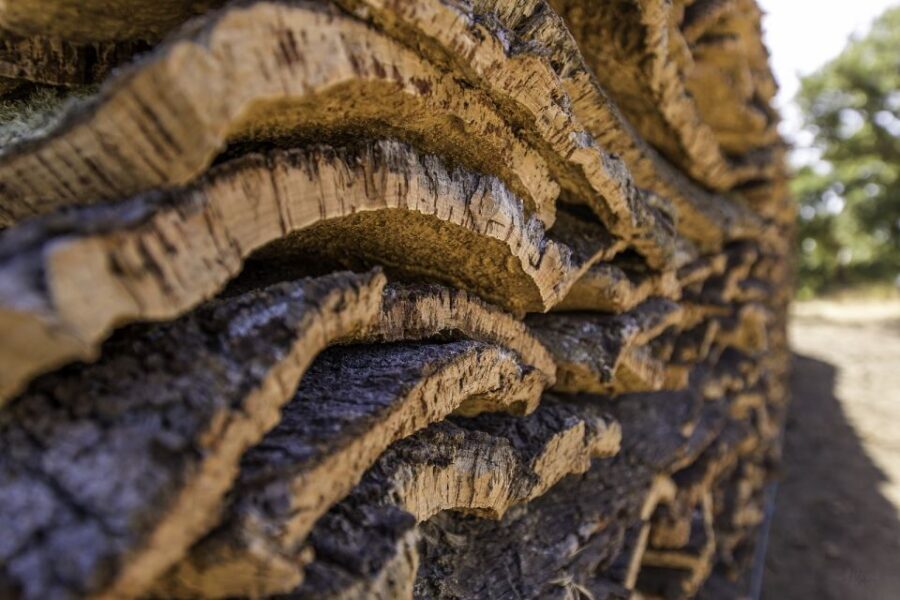
- Small-group, guided nature walk with a practical cork-world explanation instead of a drive-by overview
- Wildlife spotting along the route (wild boar, Egyptian mongoose, hares, and birds like bee-eaters and booted eagles)
- Traditional cork farm time where you learn how the cork cycle actually works
- Off-road access into the montado so the scenery feels lived-in, not staged
- Estate connection: cork forest management, vineyards, and Iberian pig fattening on a 330-acre property
Where the walk starts: Corktrekking in Redondo’s winery zone
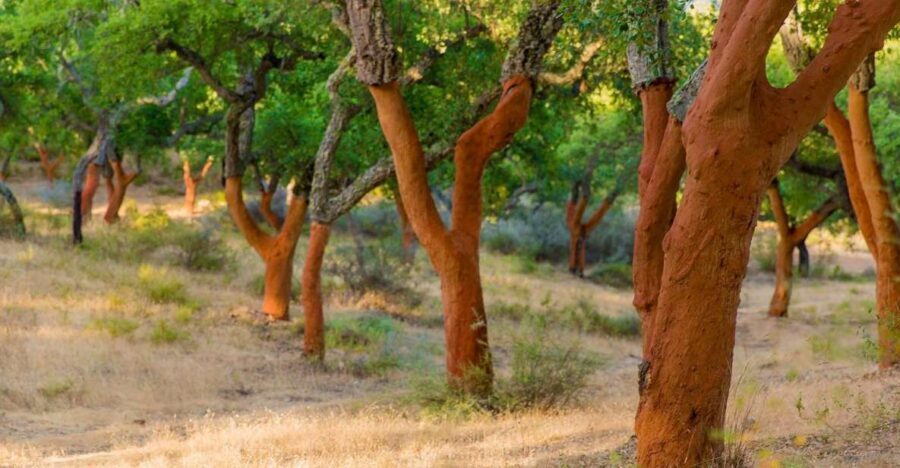
You meet at Corktrekking – Winery in Redondo’s Industrial Zone, and the tour ends right back there. That setup matters. It keeps the day simple if you’re already based in Évora or the wider Alentejo area, and it removes the stress of figuring out complicated transfers.
Before you step into the forest, you’re basically given the tour’s tone: this isn’t just about saying you saw cork trees. It’s about learning what cork land management looks like on the ground, how people work with the ecosystem, and why the estate is managed like a working landscape—not a museum.
One detail I like here is the guide-style you can expect. In English or Portuguese, the guides are described as friendly and very capable at answering questions—names that come up are Joana and Antonio. If you’re the type who asks why something grows here or how cork harvesting happens without destroying the tree, this format gives you room to ask.
You can also read our reviews of more walking tours in Evora
Off-road into the montado: what the drive sets up
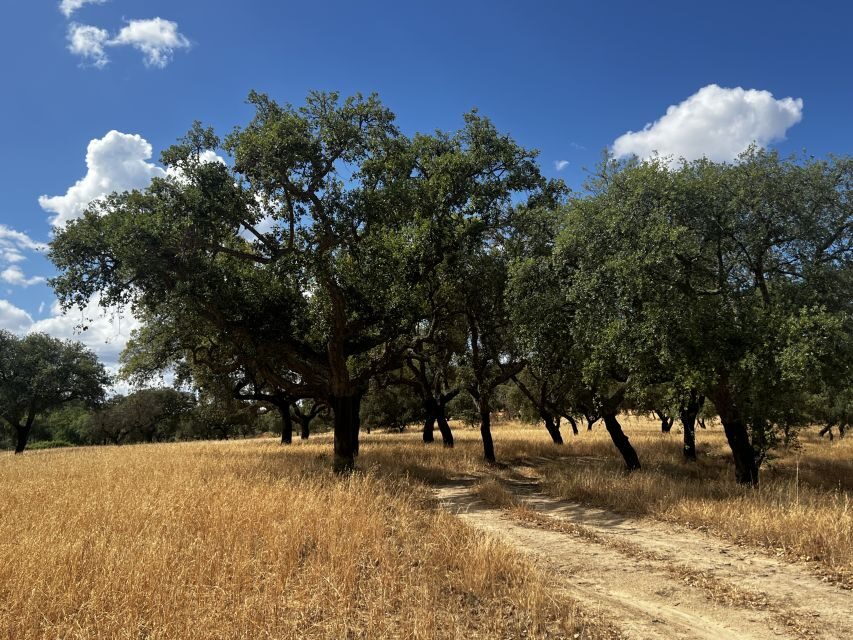
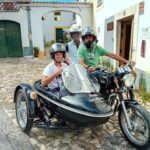
Even though it’s called a walking tour, there’s still a practical element that makes the whole experience better: local driving and off-road travel through the Alentejo montado (cork oak forest). That off-road part isn’t about speed or thrill. It’s about getting you into the cork country where the best micro-stops and viewpoints are.
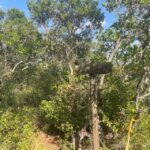
Once you’re in the right terrain, the walk feels more like a guided field walk than a stroll on a path. You’ll be moving through rolling hills and cork forests, with stretches that bring you near vineyard areas and viewpoints like abandoned chapels. Those chapels matter because they add a sense of depth—human history and modern land use exist right next to the living cork ecosystem.
This is also where you start noticing the “bio-diversity story” the guide is building. Cork trees don’t just produce cork. They create a whole habitat, and the guide’s job is to help you see how the forest supports wildlife, insects, and birds.
The 2-hour route through cork forest, hills, and chapel viewpoints
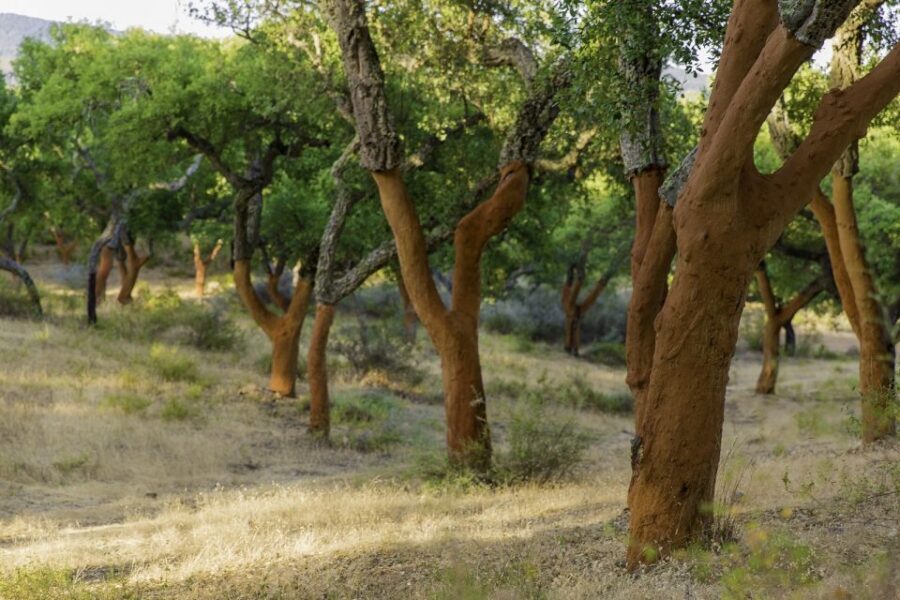
Your time on the ground is short on purpose: about 2 hours total. That speed can be a good thing, because you’re not asked to commit to a full day of walking. The downside is that you’ll feel the clock. In warm months, the walk can feel longer than the timetable suggests.
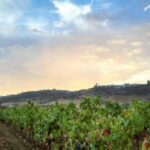
The route includes scenic cork forest sections plus views over rolling terrain. You also get the kind of scenery that tends to surprise people who think of Portugal as only coast and cities: the quiet inland feel, with vineyards and occasional ruined-or-abandoned structures like chapels popping into view.
What you do with that scenery is key. The guide uses the walk to point out how the cork ecosystem works at eye level. You’re not just looking out; you’re getting “what to notice” cues—tree details, habitat clues, and wildlife habitat patterns. If you prefer a slow, attentive approach over scanning photos at each stop, this is a strong fit.
A practical tip from real-world context: in May, temperatures can reach the high 20s Celsius, and one guest specifically noted 27°C. Dress for heat. Comfortable clothes and a camera help, but your real comfort will come from wearing what you’d wear for a sunny outdoor walk.
Traditional Cork Farm time: learning the cork cycle for real
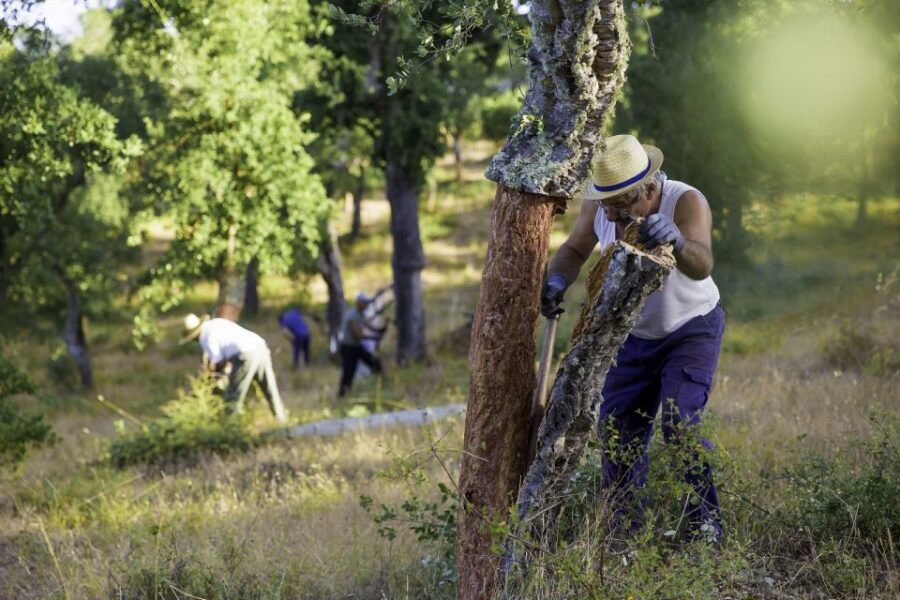
This tour’s big value is the way it treats cork as a real working system. You’ll enjoy a close, guided look at a traditional Cork Farm, and the guide explains the cork world step by step—what’s happening in the cork forest, why it’s managed the way it is, and how the cork cycle ties into the land.
When the cork cycle is explained during a walking visit, it clicks faster. Seeing cork trees in their habitat beats reading about them later. You can watch how the forest environment supports so many species, and that makes the economic story (cork production) feel grounded instead of abstract.
This farm stop also connects to estate management. The property is described as a 330-acre estate, and you’ll learn how cork forests and wine production are managed together. That matters for two reasons:
First, it explains why montado land can support more than one kind of value. Second, it shows you the logic of sustainable farming—how people work with the ecosystem rather than treating it as empty space.
If you’re the kind of person who likes practical learning—how things are done, not just what exists—this is where the tour earns its rating.
Wildlife watching without turning it into a guessing game
Wildlife is a major part of what makes this walk feel special. Instead of only saying you might see animals, the experience is framed around real chances—so the guide is actively helping you look.
You can expect the possibility of spotting wildlife such as wild boar, hares, and Egyptian mongoose. Bird life is also a highlight. You may see hoopoes, bee-eaters, and even booted eagles, depending on conditions and where the group moves that day.
The micro-exploration focus is the secret here. A driving tour can show cork forests as a big view. This walk asks you to slow down enough to notice the smaller signals: movement in brush, bird behavior, and the habitat cues the guide points out.
And because the group is small, the pace stays manageable. If one person spots something, the guide can shift attention without breaking the whole flow. That’s the difference between watching for wildlife and actually doing wildlife spotting.
One more practical note: wildlife moments can be quiet, quick, and easy to miss. Bring your camera, but also look with your eyes first. You’ll likely remember the sightings more than the photos.
Vineyards and Iberian pig fattening: how the estate earns its living
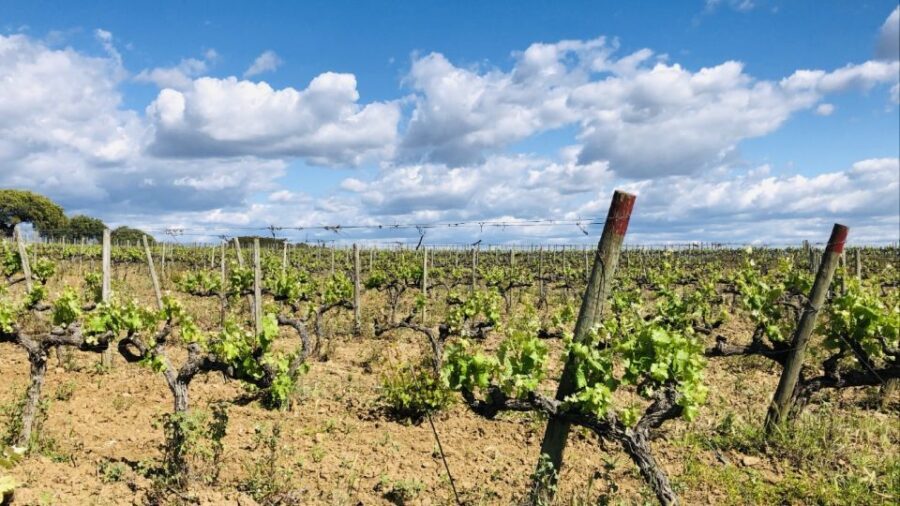
Cork in Portugal is never just about cork trees. On this walk, you get the broader estate picture: vineyards and Iberian pig fattening are part of how the land is used and managed.
That’s why the experience feels richer than a simple cork tutorial. The guide’s explanation links cork forest management to the rest of the estate’s production. You’re learning how the cork landscape fits into a working farm economy that also includes grapes and Iberian pig systems.
You might not expect pig fattening to show up in a 2-hour nature walk, but that’s exactly why it works. It forces a more realistic understanding of montado: it’s not a single-purpose environment. It’s a multi-use landscape where careful land stewardship keeps several livelihoods going.
Also, this is another place where the guide’s ability to answer questions stands out. Named guides like Antonio get praised for being fun as well as knowledgeable, and that question-friendly style helps if you want to understand the why behind the farm choices.
Winery time: browsing cork handicrafts and estate wines
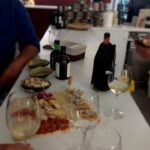
The walk brings you back to the winery, and the winery stop is more than a quick photo break. You get a guided cork overview, and you can visit the winery shop.
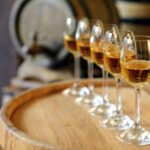
In the shop, you can look at cork handicrafts and fine wines produced on the estate. The tour itself is strict about alcohol: alcoholic drinks aren’t included, and alcohol isn’t available to purchase during the activity. On top of that, alcohol in the vehicle is not allowed.
So think of the winery time as a chance to connect the forest learning to the products made from it, without it turning into a drinking experience. If you like souvenirs that feel tied to place—cork items that actually relate to the cork forest lesson—this part is a good payoff.
And if you’re deciding between a walking tour and a winery-only visit, this is a helpful middle ground. You get forest interpretation first, then a shop stop that makes sense.
Price and value: is $74 for 2 hours a fair deal?
At $74 per person for a 2-hour small-group guided experience, the value comes from three things working together:
1) A professional guide who explains the cork cycle and estate management as you walk.
2) A close-in cork farm visit rather than a distant overview.
3) Wildlife and habitat learning tied to where you’re standing, not just what you’re passing.
If you’ve seen cork from a viewpoint while traveling by car, you’ll understand why this can feel worth it. Cork forests are easy to overlook when you’re driving. On foot, they become detailed—trees, birds, the ecosystem logic, and the farm’s working rhythm.
The short duration is also part of the value equation. You get a focused experience without losing a whole day. That’s ideal if you want to fit nature into an already-packed Évora itinerary.
Just keep one consideration in mind: this is a walking experience, so comfort matters. If you’re sensitive to heat or uneven ground, you’ll want to plan clothing and footwear carefully.
Who should book this cork forest walk, and who might skip it
This tour fits best if you like nature details and prefer walking with a guide over driving past sights. It’s ideal for botanists, nature lovers, and anyone who enjoys micro-exploration—the kind of traveler who wants to understand what makes this ecosystem different within Europe.
You’ll probably enjoy it most if you:
- want a practical cork education tied to the real montado setting
- like wildlife spotting and bird watching (even at beginner level)
- want a small-group experience with time to ask questions
It may not be your best choice if you:
- need wheelchair access (it isn’t suitable for wheelchair users)
- dislike heat and outdoor walking, especially in warmer months
- expect a long, full-day trek with lots of stops beyond the cork forest and winery
Language is English and Portuguese, so you can match your comfort. Also, you don’t have hotel pickup, so you’ll want to be set up to reach the Redondo meeting point on your own.
Should you book this 2 hr Walk in the Cork Forest?
If you want a compact, guided taste of montado—cork trees, wildlife, and how a working estate actually manages land—this is a strong book. The combination of a traditional cork farm visit, cork cycle explanations, and the chance to spot species like mongoose, boar, and birds makes it feel more than tour-brochure scenery.
I’d book it in particular if you’re the type who likes learning while walking and you don’t want to spend the entire day traveling between far-off sights. Also, if you’re drawn to guides such as Joana or Antonio for their friendly, question-answering style, you’re likely to feel well looked after.
Skip it if heat and walking limits are deal-breakers for you, or if you need wheelchair access.
FAQ
How long is the cork forest walk?
The experience lasts about 2 hours.
Where do I meet, and where does it end?
You start at Corktrekking – Winery in Redondo’s Industrial Zone, and the tour ends back at the same meeting point.
Is hotel pickup and drop-off included?
No. Hotel pickup and drop-off are not included.
What languages are the tour guide(s) available in?
The live guide speaks English and Portuguese.
Is the tour suitable for wheelchair users?
No, it is not suitable for wheelchair users.
What wildlife might we see?
You may spot wildlife such as wild boar, hares, and Egyptian mongoose, plus birds including hoopoes, bee-eaters, and booted eagles.
Are alcoholic drinks included or allowed?
Alcoholic drinks are not included, and alcoholic drinks are not available to purchase. Alcohol is not allowed in the vehicle, and alcohol/drugs are not allowed.
What should I bring for the walk?
Bring comfortable shoes, comfortable clothes, and a camera.