REVIEW · LISBON
Roast Specialty Coffee with Guided Tasting
Book on Viator →Operated by SoLo Brewing · Bookable on Viator
Smell before you sip. This Lisbon workshop takes you from roasting to tasting with fresh specialty coffee and a simple, guided cupping session. You’ll also leave with your own roasted bag and notes.
I love the hands-on focus on what you’re looking for in green coffee and roasted beans. I also like that the tasting part is guided, so you learn how the roast shows up in aroma, flavor, and body, not just in theory.
One thing to consider: it’s a 1-hour session, so it’s more of a fast, focused intro than a long brew-school class.
In This Review
- Key highlights you’ll actually use
- SoLo Brewing Lab in Lisbon: the practical start point
- What you’ll do in the 1 hour: roasting, then cupping
- 1) Green coffee basics: learning what’s worth roasting
- 2) Roasting stages: how aroma and flavor get built
- 3) Guided cupping: tasting the roast while it’s fresh
- 4) Take home a 200g bag (and notes)
- The building blocks of great coffee tasting (and how this workshop teaches them)
- You’ll learn to read the roast, not just rate the cup
- You’ll get guided structure during cupping
- You’ll leave with a method, not just a moment
- Value check: $41.40 for a 1-hour roast-and-cupping workshop
- Where this fits in your Lisbon day
- Who will enjoy this roast workshop most
- Possible drawback: the short format
- Should you book the SoLo roast and cupping workshop?
- FAQ
- Where does the roast specialty coffee workshop start?
- What time does the tour start in Lisbon?
- How long is the experience?
- Is the workshop offered in English?
- How much does it cost?
- What is included in the ticket price?
- Do I take anything home?
- Can I get a full refund if my plans change?
Key highlights you’ll actually use
- Roast-to-taste walkthrough: see how roasting changes what ends up in your cup
- Guided cupping: learn how to evaluate a roast step by step
- Green coffee fundamentals: know what to look for before roasting
- Freshly roasted takeaway: take home a 200g bag plus tasting notes
- Private format: only your group participates, in English
SoLo Brewing Lab in Lisbon: the practical start point
Your experience begins at SoLo Brewing Coffee Lab, on R. Pinheiro Chagas 16B, in Lisbon’s area of SoLo. The start time is 9:00 am, and the whole thing runs about an hour, ending back where you meet.
Why this matters: an early start helps you show up with a clear head and fewer distractions. Coffee gets better when you’re paying attention, and you’ll be doing that here. Also, the location is near public transportation, which makes it easier to fit into your day without turning Lisbon into a taxi-and-timetable puzzle.
The workshop is offered in English, and it uses a mobile ticket. It’s also described as private, meaning only your group will participate. That usually makes it easier to ask questions during the tasting and roasting talk.
You can also read our reviews of more food & drink experiences in Lisbon



What you’ll do in the 1 hour: roasting, then cupping
This isn’t a talk-only class. The plan is simple: you’ll roast coffee with the group, then you’ll taste the results using a guided cupping session. Along the way, the instructor teaches what to look for in green coffee and then how those choices change once the beans are roasted.
Here’s how the flow makes sense for your coffee brain:
1) Green coffee basics: learning what’s worth roasting
You’ll be taught what you should look for in green coffee (the unroasted beans). You’re basically getting a way to think about quality before heat ever enters the story.
You might hear points like what good coffee should smell like early on, and how bean characteristics can affect the final cup. Even if you’ve been drinking coffee for years, this step helps you connect the dots: roasting is not magic. It’s a tool that brings out what’s already there.
Why this is valuable: most coffee discussions jump straight to strength, milk, or espresso shots. Learning the green-bean part gives you a cleaner baseline, so you can taste differences more confidently later.
2) Roasting stages: how aroma and flavor get built
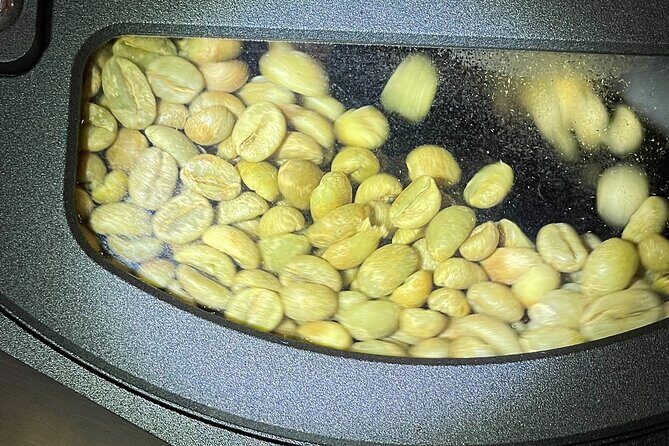
Then you move into roasting. The workshop explains the roasting process as the group goes through it, focusing on how roasting influences aroma, flavor, and body.
This is where you’ll likely notice the biggest shift in your thinking. Roasting doesn’t just change color. It changes what compounds develop in the bean, which then shapes what you detect on the nose and palate.
From the reviews, the step-by-step style really lands with people. One person said the process was explained clearly, and questions were encouraged. Another highlighted that the staff took their time and showed real passion for roasting at SoLo. That kind of pacing matters because roasting is full of terms that can sound abstract if nobody slows things down.
3) Guided cupping: tasting the roast while it’s fresh
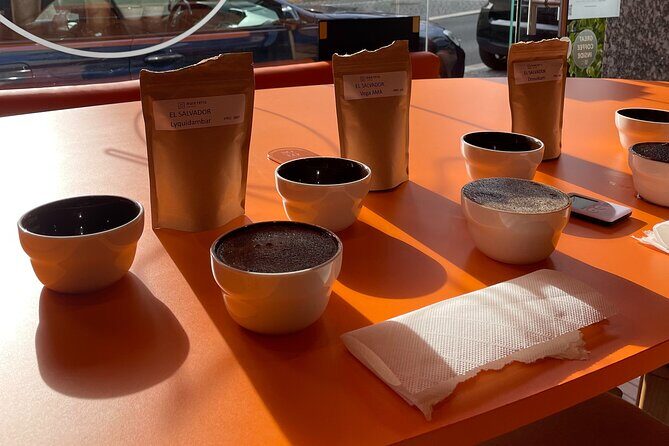
After the coffee is ready, you’ll taste it through a cupping session. This is the part you’ll remember on day two, because you’re training your senses with intention.
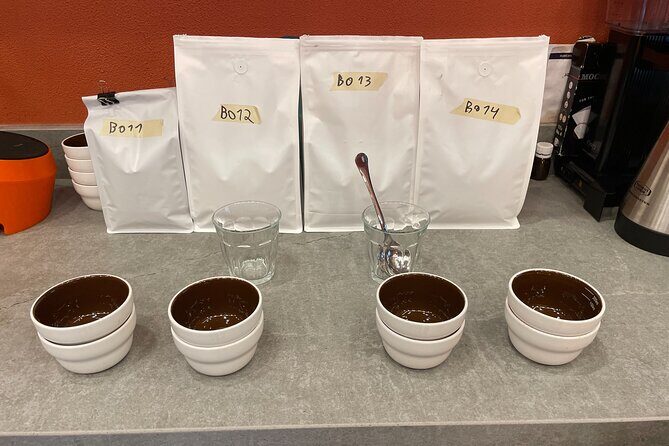
Cupping is like structured tasting. Instead of sipping casually and hoping you can describe what’s happening, you learn what to look for in a roast. You’ll evaluate things tied to the roast outcome, such as aroma differences and how the body feels.
The best part is that you’re tasting the coffee that just came out of roasting. Freshly roasted coffee tends to be more expressive. It’s also easier to notice changes, which makes learning feel less like a classroom exercise and more like real discovery.
You can also read our reviews of more guided tours in Lisbon






4) Take home a 200g bag (and notes)
Each participant brings home a 200g bag of roasted coffee and tasting notes. This is more than a souvenir. Notes are what turn a fun hour into something you can use when you’re back home making coffee again.
You’ll get a reference point for what you tasted at the workshop. When your next cup feels sweeter, brighter, heavier, or more mellow, you can connect it to the roast profile you learned here.
One review also mentioned a best-surprise ending. The exact details weren’t spelled out, but the takeaway is that the experience has a friendly, warm finish, not just a formal stamp-and-go.
The building blocks of great coffee tasting (and how this workshop teaches them)
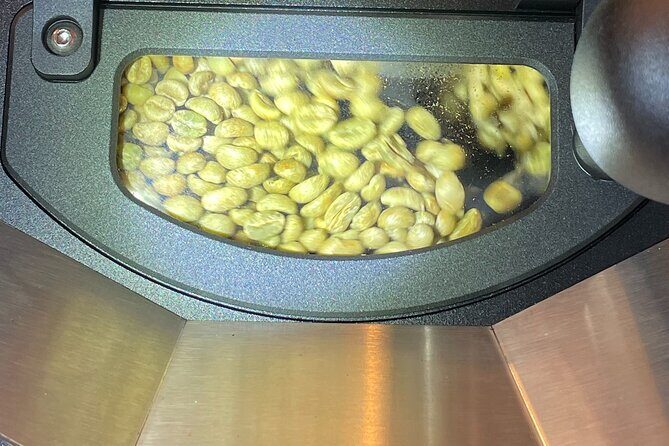
A good roast-to-cup lesson does two things at once: it teaches you vocabulary, and it teaches you method.
You’ll learn to read the roast, not just rate the cup
Roasting changes aroma, flavor, and body. That’s the workshop’s core promise, and it’s also the core skill you’ll use later.
A simple way to think about it:
- Aroma: what you smell when coffee is freshly brewed
- Flavor: the taste impressions that show up next
- Body: how thick, smooth, or weighty the coffee feels
Even if you’re not chasing tasting scores, this framework helps you notice patterns. That means you’ll pick better beans at shops and online because you’ll know what to look for in your cup.
You’ll get guided structure during cupping
Cupping can feel intimidating if you think you need to be a pro taster. You don’t. The guided format helps you follow along, so you know what to look for and when.
In the feedback you get from past participants, the guided nature comes up more than anything else: people felt the class was informative and that staff encouraged questions. That’s a good sign. It suggests you won’t be stuck guessing what to say or what to notice.
You’ll leave with a method, not just a moment
Most coffee classes end and fade. This one tries to stick by giving you tasting notes and your own roasted bag. It’s a classic learning loop: taste now, write it down, then taste again later.
If you’re the type who buys coffee and then forgets what you liked about it, this is a smart fix.
Value check: $41.40 for a 1-hour roast-and-cupping workshop
At $41.40 per person for about an hour, this sits in the “pay for instruction + fresh product” category.
Here’s what you’re paying for, in a practical way:
- Instruction on roasting and what to evaluate in green beans
- A guided cupping session so you learn with a framework
- Coffee and/or tea during the session
- A fresh takeaway: a 200g bag of roasted coffee plus tasting notes
If you already drink coffee daily, that takeaway alone makes it easier to justify the cost. If you don’t drink coffee often, you still get value because the session teaches you how to assess quality, and the tasting can help you understand what you actually like.
The reviews underline that it’s worth the time even for a non-coffee drinker. If you’re on the fence, I’d treat it as a taste-learning experience more than a coffee-only party.
That said, it’s not a full-day deep masterclass. If you want hours of brewing practice or a long roaming café crawl, this is shorter and more focused.
Where this fits in your Lisbon day
Because it runs about an hour and starts at 9:00 am, it works well as a morning anchor. You can pair it with a walk afterward, especially if you enjoy food experiences that aren’t just restaurant visits.
Also, since the session ends back at the meeting point, you won’t need to reorient or hunt for your next plan right away. That keeps your day smooth.
Nearby public transport helps too. You’re not stuck planning your route around one workshop location. If you’re juggling multiple reservations, this is the kind of timing that plays nicely.
Who will enjoy this roast workshop most
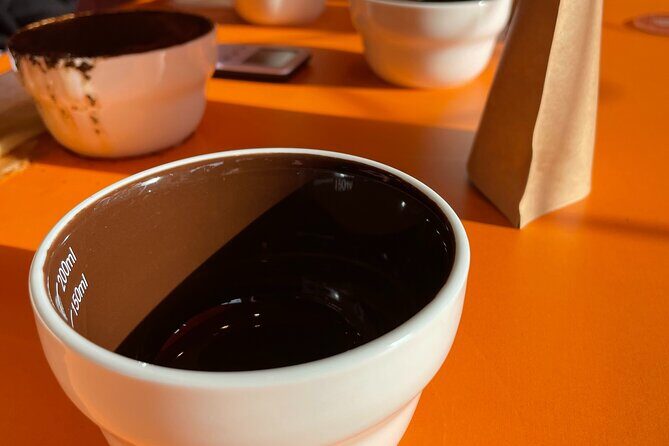
This works best for people who want a clear, guided coffee education without turning it into homework.
You’ll likely love it if:
- You’re a coffee lover who wants to understand why roasts taste different
- You want to learn cupping so you can describe what you taste
- You’re curious about roasting but don’t know where to start
- You want a hands-on experience with a real takeaway bag to use at home
It can also work for you if you’re not a coffee drinker yet. One review specifically said it was a good use of time for a non-coffee drinker and that the tasting helped them feel open to coffee afterward. That’s a fair expectation: the class gives context, and the tasting gives a direct experience.
Possible drawback: the short format
The main consideration is the 1-hour format. You’ll learn key ideas and taste through the roast results, but you won’t get the kind of repeated practice you might find in a multi-session program.
If you’re the type who likes lots of repetition, you might still enjoy it, but you’ll want to follow up afterward by tasting your home bag and using the notes.
Should you book the SoLo roast and cupping workshop?
I’d book it if you want a focused, friendly coffee experience in Lisbon that does more than sell you beans. The strongest reasons are simple: you get a roast lesson tied directly to what you taste, and you leave with a 200g bag plus tasting notes.
If you hate short tours or you expect a long, detailed brewing course, you might find the time limits your learning depth. But if you’re after a practical start point, this hits the sweet spot.
One final nudge: show up hungry for questions. The experience is set up for that, and the people who seemed happiest in the feedback often highlighted that questions were encouraged and the staff took time with explanations.
FAQ
Where does the roast specialty coffee workshop start?
It starts at SoLo Brewing Coffee Lab, R. Pinheiro Chagas 16B, 1050-172 Lisboa, Portugal.
What time does the tour start in Lisbon?
The start time is 9:00 am.
How long is the experience?
It lasts about 1 hour.
Is the workshop offered in English?
Yes, it is offered in English.
How much does it cost?
The price is $41.40 per person.
What is included in the ticket price?
The experience includes coffee and/or tea, and you’ll drink the roasted coffee during cupping. You also receive a freshly roasted coffee bag.
Do I take anything home?
Yes. Each participant takes home a 200g bag of roasted coffee and tasting notes.
Can I get a full refund if my plans change?
Yes, you can cancel up to 24 hours in advance of the experience start time for a full refund.