REVIEW · LISBON
Private 7-day itinerary in Portugal
Book on Viator →Operated by Portugal Expert® - Vitor Pais · Bookable on Viator
Portugal moves fast with the right plan.
This private 7-day route strings together Lisbon, Sintra, Fátima, Coimbra, Porto, the Douro Valley, and a smart loop back through Aveiro, Nazaré, Óbidos, and Évora. I love the private vehicle with Wi‑Fi and mineral water, and I also like how the driver-guide (often Vitor Pais) explains the why behind each place, not just what it is. One thing to consider: it’s a full week of stops, so if you hate early starts or walking hills, you’ll want to pace yourself and wear comfy shoes.
The value here is not just the sights—it’s the fact that you’re not renting a car or stitching together trains on your own. You’ll bounce between neighborhoods and regions with an air-conditioned ride, then spend your time where it counts: viewpoints, churches, markets, and the kind of tastings you can’t really replicate by planning alone.
In This Review
- Key Highlights to Know Before You Go
- A Private Portugal Loop That Actually Feels Organized
- Lisbon’s Earthquake Geometry, Fado Alleys, and Belém Grandeur (Day 1)
- Baixa de Lisboa: Streets That Were Designed to Survive
- Alfama: The Oldest Quarter and the Birthplace of Fado Mood
- Belém: UNESCO-Level Power and the Icon Tower
- Pastéis de Belém: A Sweet Stop That’s Worth the Hype
- Sintra and Cascais: Palace Choices, Confection Stops, and the Atlantic Edge (Day 2)
- Centro Histórico de Sintra: Small Streets, Big Flavors
- Park and National Palace of Pena: Pick the Dream That Fits You
- Cabo da Roca: Where the Land Ends and the Sea Begins
- Cascais: Former Fishing Village Turned Beach Resort
- Estoril: WWII Refuge History and Casino Reality
- Fátima to Coimbra: Basilicas, Libraries, and Student Streets (Day 3)
- Fátima’s Sanctuary: Chapel of Apparitions and Optional Mass
- Basilica of the Holy Trinity: Size You Can Feel
- Coimbra: University of Coimbra and the Joanina Library
- Coimbra Center: Cafés, Alleys, and the River-City Split
- Porto by Foot: Tile Stories, Book Stairs, and Sandeman Time (Day 4)
- Avenida dos Aliados: The City’s Main Stage
- Mercado do Bolhão: Local Life, Not Just Souvenirs
- Livraria Lello: Architecture and the Harry Potter Connection
- São Bento Station: 20,000 Tiles of Portugal’s Past
- Porto Cathedral: Roman-Gothic Roots and Nicolau Nasoni’s Side Gallery
- Sandeman Cellars in Gaia: Included Port Wine Education
- The Douro Valley with Fifth-gear Scenery: Tedo Winery and Photo Viewpoints (Day 5)
- Amarante: Romanesque Corners and S. Gonçalo Sweets
- Pinhão Station: A Tile Map of Douro Life
- Quinta do Tedo: Winery Visit and Included Tasting
- Ervedosa do Douro: Valley Viewpoint Stop
- Aveiro, Nazaré, and Óbidos: Canals, Big Waves, and Medieval Walls (Day 6)
- Aveiro: Portuguese Venice Canals and a Possible Moliceiro Boat Trip
- Aveiro Railway Station: Eiffel-Era Style and Art Nouveau
- Nazaré: Traditional Village and Wave-Record Fame
- Óbidos: UNESCO Medieval Streets and Royal Wedding Gift History
- Évora Finish: Roman Temples, Bones, Wine Tasting, and Cork Craft (Day 7)
- Évora Historic Center: Temple of Diana and Água da Prata Aqueduct
- Chapel of Bones: Capela dos Ossos
- Ervideira Winery: Included 5-Wine Tasting with Regional Products
- Corticarte Cork Factory: Why Cork is Portugal’s Quiet Power
- Price, What You Really Get, and How to Budget Smartly
- Who This Tour Fits Best (and Who Should Think Twice)
- Should You Book This Private 7-Day Portugal Experience?
- FAQ
- Is this tour private?
- How long is the itinerary?
- What is the pickup situation?
- What language is the tour offered in?
- What’s included in the price?
- What is not included?
- Are attraction tickets included?
- Is a mobile ticket used?
- Can I get a refund if I cancel?
- What’s the meeting time?
Key Highlights to Know Before You Go
- Private door-to-van pickup by agreement (meeting point and start location are coordinated in advance)
- English-speaking driver-guide who brings history to life in plain language
- Wi‑Fi on board + mineral water for a smoother, less-stressy week
- Included tastings and select admissions like Sandeman cellars and a Douro winery visit
- Icon stops plus everyday places such as markets and tile-filled stations
A Private Portugal Loop That Actually Feels Organized

For a first-timer, Portugal can feel huge. This route solves that problem by doing smart chunks: Lisbon first, then moving north through Sintra/Coimbra into Porto, then out toward the Douro, then circling back along the Atlantic before ending in Évora. The goal is simple: you get variety without spending your vacation trapped in transit.
The “private” part matters more than people think. When you travel solo or in a small group, buses and shared shuttles force you into fixed timing. Here, the flow is built around your group, with a driver guide in the vehicle and a schedule that keeps day-to-day stress low.
And based on the guide style you’ll meet on this kind of itinerary, you can expect clear explanations and practical guidance—plus helpful suggestions for where to eat when you’re not locked into a tour-bus bubble. That’s often what turns a list of landmarks into an actual experience.
You can also read our reviews of more private tours in Lisbon



Lisbon’s Earthquake Geometry, Fado Alleys, and Belém Grandeur (Day 1)
Day 1 gives you Lisbon’s two big personalities: a city rebuilt into straight lines, and a neighborhood where everything twists and climbs.
Baixa de Lisboa: Streets That Were Designed to Survive
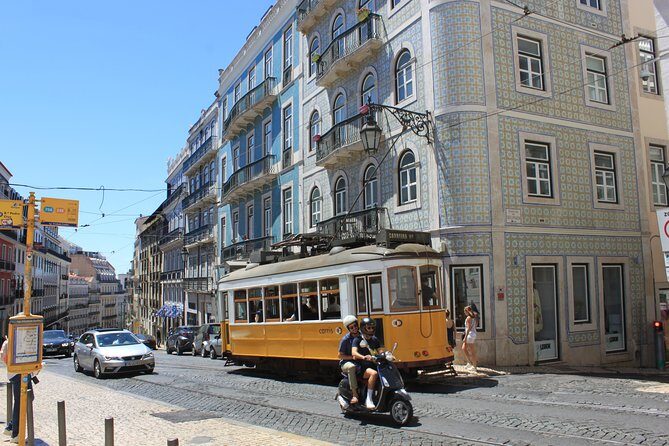
Lisbon’s 1755 earthquake is the thread tying this day together. You’ll walk through Baixa de Lisboa, where the rebuilding included anti-seismic design—straight, perpendicular streets planned around a central axis starting around Rua Augusta. It’s one of those places where city planning becomes history you can see with your feet.
Tip for your walk: take a moment to notice how the street grid lines up. It helps the whole earthquake-rebuild story click fast.
Alfama: The Oldest Quarter and the Birthplace of Fado Mood
Next comes Alfama, the oldest neighborhood in Lisbon, described here as an old medina-style maze of lanes and alleys. The logic is defensive: during the Arab period (roughly the 8th to 12th centuries), these tight streets worked like a natural fortification. After the Christian reconquest, the area carried the layers forward.
This stop also connects to Portuguese identity through fado, which is tied to the poor, melancholy atmosphere called saudade—the emotional flavor you’ll hear in the music, and feel when you stand in those narrow lanes.
If you’re new to fado, you don’t need a crash course. Just slow down. Alfama rewards you for moving slowly.
Belém: UNESCO-Level Power and the Icon Tower
Then you shift to Belém, tied to the “great discoveries” era. This area is known for monuments with UNESCO cultural heritage status, and you’ll focus on the Manueline style—Portugal’s decorative, medieval flavor in stone. You’ll also pass modern-era monuments connected to the empire story, and that contrast helps you understand why this neighborhood feels like a museum without being one.
One caution: Torre de Belem admission is not included. If this tower is a must-do for you, budget time and money for it.
You can also read our reviews of more tours and experiences in Lisbon


Pastéis de Belém: A Sweet Stop That’s Worth the Hype
Finally, you’ll get to Pastéis de Belém, the century-old pastry factory. Even if you’ve tried pasteis elsewhere, this is the one tied to the original factory story. The itinerary notes the classic idea: they kept the sales formula and kept these sweets concentrated in one place.
This is a good moment to refuel before the day’s walking stacks up. Grab one (or two) and keep going. It’s the kind of stop that feels like a ritual.
Sintra and Cascais: Palace Choices, Confection Stops, and the Atlantic Edge (Day 2)
Day 2 is all about transitions—between lush palace fantasy, candy-shop cravings, and cliffside ocean drama.
Centro Histórico de Sintra: Small Streets, Big Flavors
In Sintra’s historic center, you’ll wander narrow alleys and small shops with regional products. The highlight is the famous Piriquita confectionery, especially Travesseiros de Sintra and Queijadas de Sintra. These aren’t just random snacks here; they’re part of Sintra’s identity, and the itinerary builds your time around tasting them.
Practical advice: if you plan to do more tastings later, go easy here. This stop can become a sugar-heavy hour fast.
Park and National Palace of Pena: Pick the Dream That Fits You
Your guide will suggest the best palace option(s) among Quinta da Regaleira, the Castelo dos Mouros, or Pena Palace. Each has a different vibe:
- Regaleira leans into elaborate symbolism and decoration
- Castelo dos Mouros connects to the Islamic presence in the region
- Pena Palace is tied to 19th-century romantic imagination and a “reconstruction” feel
The key practical point: admission tickets are not included for these palace visits. If you want a specific one, decide ahead so you’re not debating on-site.
Cabo da Roca: Where the Land Ends and the Sea Begins
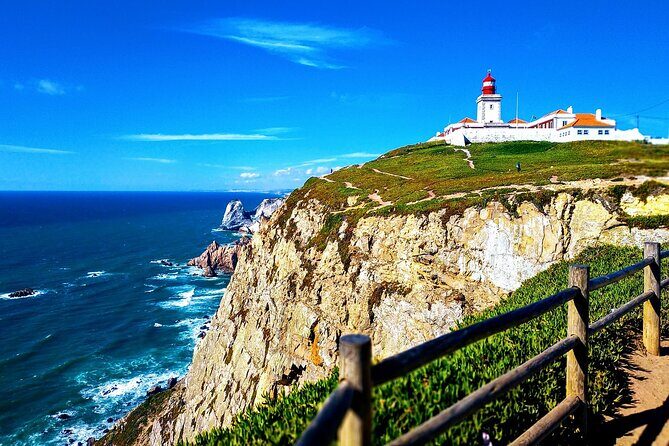
Next is Farol do Cabo da Roca, part of the Sintra–Cascais Natural Park and described as the westernmost point of continental Europe. You’ll hear the poetic framing tied to Camões: where the land ends and the sea begins.
Expect wind. Expect dramatic views. Bring a layer even when Lisbon feels warm.
Cascais: Former Fishing Village Turned Beach Resort
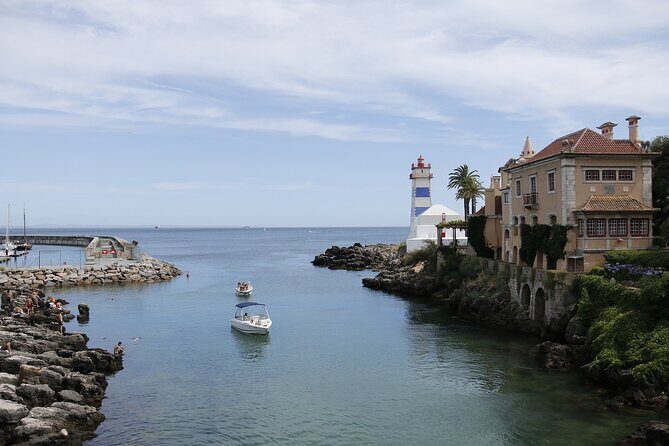
Then you land in Cascais, once a fishing village and now a beach resort with a walkable center. You’ll get a taste of the Atlantic atmosphere without the intensity of bigger-city crowds.
Estoril: WWII Refuge History and Casino Reality
The itinerary also notes Estoril, known for wartime safety where royal families and aristocrats had means to escape. It also mentions the largest casino in Europe.
Even if casinos aren’t your thing, Estoril’s story gives you a different side of the coastline: not just leisure, but survival and escape routes.
Fátima to Coimbra: Basilicas, Libraries, and Student Streets (Day 3)
Day 3 balances deep spiritual sites with the brainy charm of one of Europe’s oldest universities.
Fátima’s Sanctuary: Chapel of Apparitions and Optional Mass
You’ll visit Basilica de Nossa Senhora do Rosário de Fátima, with stops tied to the Chapel of Apparitions—the first chapel built after the apparitions and placed centrally in the sanctuary area. You’ll also get a quick look at Casa dos Pastorinhos in Valinhos.
Mass is optional. Even if you don’t attend, the order of visits makes the whole story easier to follow.
Basilica of the Holy Trinity: Size You Can Feel
Next is the Basilica of the Holy Trinity, built in 2007. The itinerary notes its scale—over 8,000 seats and about 40,000 m²—and it houses tombs connected to the children and Sister Lúcia.
This basilica is modern and imposing compared to the older sanctuary vibe. That contrast is part of what makes the day work.
Coimbra: University of Coimbra and the Joanina Library
Then the route shifts to Coimbra, where you’ll visit the University of Coimbra (the oldest in Europe, as stated in the itinerary). The highlight is the Joanina library, built in the 18th century in what used to be a prison. It’s decorated with frescoes by masters António Ribeiro and Vicente Nunes, and the portrait of Dom João V is credited to Domenico Dupra.
Important budget note: the itinerary says admission for this stop is not included.
Coimbra Center: Cafés, Alleys, and the River-City Split
After the university sites, you’ll explore central Coimbra near the Mondego River, with narrow streets, alleys, squares, cafes, and sweet shops. This part matters because it slows the day down. You’re not just seeing big institutions—you’re tasting everyday student-city life.
Then you continue onward toward Porto.
Porto by Foot: Tile Stories, Book Stairs, and Sandeman Time (Day 4)
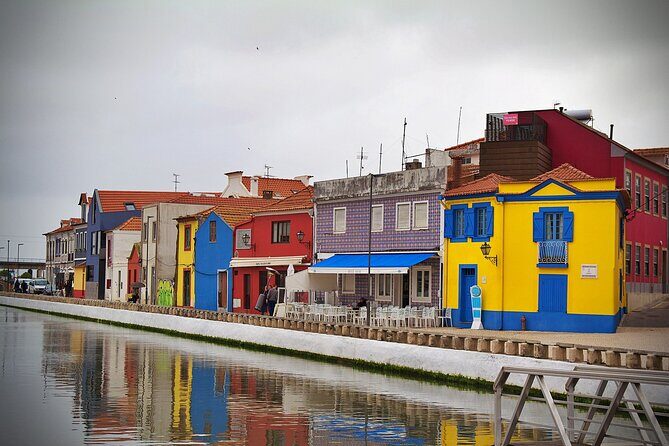
Porto is a city you feel by walking. Day 4 does it in a smart order: civic center, markets, iconic interior spots, then wine.
Avenida dos Aliados: The City’s Main Stage
You start at Avenida dos Aliados, the main boulevard where public events and celebrations tend to happen. It’s a good “orientation walk” because you quickly learn where the city energy is.
Mercado do Bolhão: Local Life, Not Just Souvenirs
Next is Mercado do Bolhão, the city market. Even with only a short stop, this is where you get the feel of real Porto routines.
Livraria Lello: Architecture and the Harry Potter Connection
You’ll visit Livraria Lello. The itinerary notes its staircase as an inspiration point for Harry Potter, linked to JK Rowling living in Porto while she began writing the Philosopher’s Stone. Since admission is not included, treat it as a choose-it moment, not an automatic stop.
São Bento Station: 20,000 Tiles of Portugal’s Past
At São Bento Railway Station, you’ll see the famous tile murals by Portuguese artist Jorge Colaço—the itinerary notes around 20,000 tiles. This is one of those places where you can spend 15 minutes or 45 minutes, depending on how much you want to read the visual story.
Porto Cathedral: Roman-Gothic Roots and Nicolau Nasoni’s Side Gallery
Next comes Porto Cathedral, with Roman-Gothic structure and a medieval rose window. Outside, the standout is the side gallery by Nicolau Nasoni in 1736, decorated with tiles.
Admission is not included for this stop, so plan around what matters most to you.
Sandeman Cellars in Gaia: Included Port Wine Education
Finally, you get to Sandeman Cellars in Gaia. This is a big value moment because the itinerary says admission is included. You’ll have free time, visit a cellar, and enjoy a tasting with an explanation from harvest to final product.
If you’re into port wine, you’ll appreciate this because it’s not just a sip. It’s context.
The Douro Valley with Fifth-gear Scenery: Tedo Winery and Photo Viewpoints (Day 5)
Day 5 shifts from city energy to valley drama. The pacing is lighter on walking and heavier on scenery and tasting.
Amarante: Romanesque Corners and S. Gonçalo Sweets
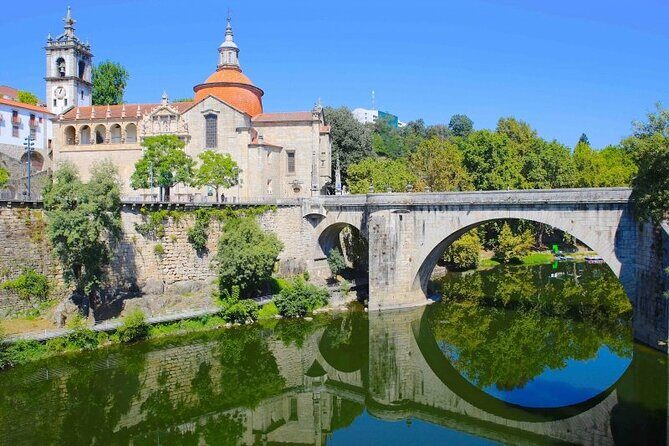
You’ll start in Amarante, at Igreja de Sao Goncalo near the historic center. The itinerary points out Romanesque-style buildings and medieval examples, and it ties the area to S. Gonçalo bridge and nearby convent spaces. There’s also a note about stalls selling S. Gonçalo sweets, known for their phallic appearance—meaning this stop comes with local humor built in.
Pinhão Station: A Tile Map of Douro Life
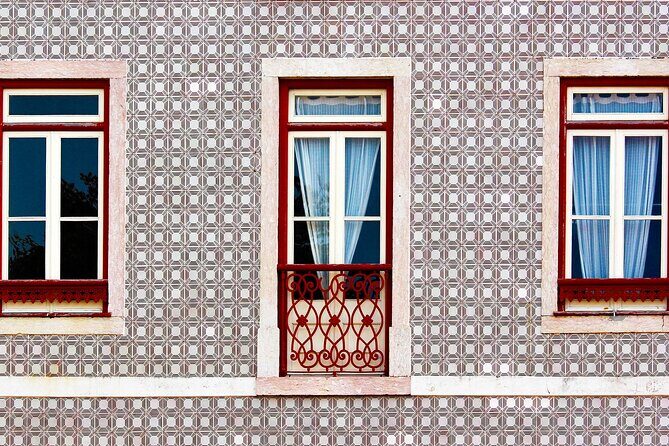
Then you visit Pinhao Railway Station, called one of the most beautiful places in the Douro region. The itinerary highlights 19th-century tile artwork showing the landscape, port wine production, grape treading, and transport in rabelo boats.
This stop is short, but it’s visual storytelling at maximum efficiency.
Quinta do Tedo: Winery Visit and Included Tasting
Next is Quinta do Tedo, your major winery moment. The itinerary says it includes a visit to understand production and a tasting of wines. That admission is included here, which is part of why Day 5 feels worth the money.
Ervedosa do Douro: Valley Viewpoint Stop
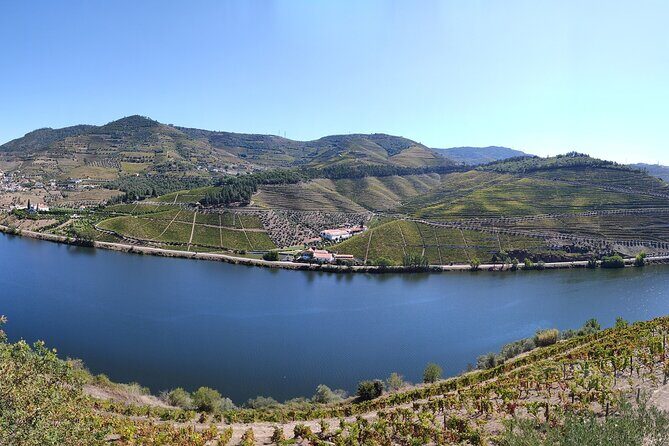
Finally, you’ll stop at Ervedosa do Douro, a viewpoint over the valley for photos. This is where you slow down and let the Douro’s scale sink in.
Aveiro, Nazaré, and Óbidos: Canals, Big Waves, and Medieval Walls (Day 6)
This is your Atlantic loop day—three different coastal vibes in one day.
Aveiro: Portuguese Venice Canals and a Possible Moliceiro Boat Trip
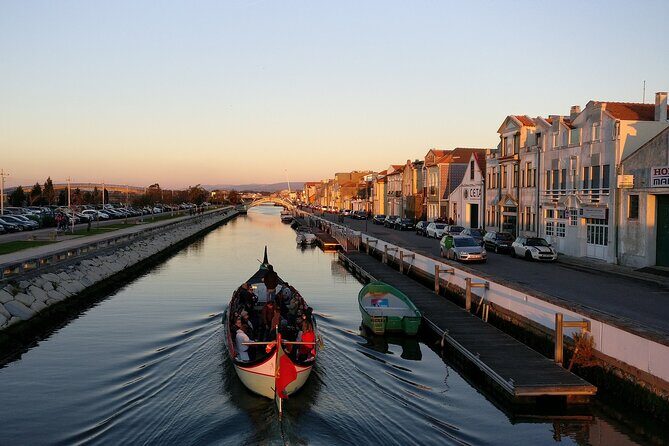
You’ll visit Aveiro, described as the Portuguese Venice. The itinerary specifically suggests a moliceiro boat trip to learn about the city’s canal system and its connection to local livelihood, including seaweed used in agriculture and other purposes.
The practical catch: since the boat trip is suggested, not explicitly guaranteed as included, treat it as something you might do if timing and weather cooperate.
Aveiro Railway Station: Eiffel-Era Style and Art Nouveau
Then there’s Aveiro Railway Station, built with wrought iron and glass in a style compared to Gustavo Eiffel, plus Art Nouveau buildings around it. This is the kind of stop that makes architecture fans happy and gives everyone else a break from heavier walking.
Nazaré: Traditional Village and Wave-Record Fame
Next is Nazaré, a pictorial village known for churches and traditional houses. The itinerary links Nazaré to modern fame through Canhão da Nazaré, including the 2013 record attempt by American surfer McNamara on a wave about 30 meters high.
It’s a reminder that this quiet-looking coastline has a serious sport history.
Óbidos: UNESCO Medieval Streets and Royal Wedding Gift History
Finally comes Óbidos, a UNESCO world heritage site in the itinerary. You’ll walk narrow lanes with traditional shops and white-painted houses, and the history is tied to a royal wedding gift from D. Dinis to D. Isabel. Óbidos was part of the Casa das Rainhas, where Portuguese queens stayed, ending in 1834. The itinerary also credits D. Catarina with building an aqueduct and fountains.
If you like towns you can wander without a time constraint, this is a great ending to the loop.
Évora Finish: Roman Temples, Bones, Wine Tasting, and Cork Craft (Day 7)
Day 7 is a strong capstone: ancient Roman traces, spooky church art, then wine and cork—two very Portuguese industries.
Évora Historic Center: Temple of Diana and Água da Prata Aqueduct
You’ll go to Centro Histórico de Evora, associated with Portuguese kings and artistic patronage. The itinerary highlights the Roman Temple of Diana next to the cathedral and the Água da Prata aqueduct outside the walls. It notes arches from the 16th century that helped transport water into the city.
This day’s value is that you’ll see how Évora’s “old town” still has working logic—water systems and city growth.
Chapel of Bones: Capela dos Ossos
Next is the Chapel of Bones (Capela dos Ossos) at the Church of São Francisco. The itinerary notes skulls and bones of about 500 monks, plus the famous warning at the entrance (spelled as We bones who are here We wait for you in the itinerary text). Admission is not included.
If you dislike macabre places, this stop might feel heavy. But it’s also one of those sites people remember for the craft and the message, not just the shock.
Ervideira Winery: Included 5-Wine Tasting with Regional Products
Then comes Ervideira in Alentejo, with the itinerary framing the region’s wine logic: hot and dry climate leads to specific styles, with water needed in the vineyard; whites tend smooth and slightly acidic; reds are full-bodied with tannins. Your visit includes a winery visit and tasting of 5 wines plus regional products, and admission is included.
This is the “learn and taste” sweet spot of the whole week—no rushing, and a clear reason to buy a bottle (if you’re that type of traveler).
Corticarte Cork Factory: Why Cork is Portugal’s Quiet Power
Finally, you visit Corticarte – Arte em Cortica, a cork processing factory. You’ll learn how cork is bark from a cork oak, with bark removed only every nine years (as stated in the itinerary). It notes cork production at a global scale and explains uses like cork stoppers and sports equipment.
It’s an unusual ending, and that’s the point. You leave with knowledge that isn’t just about sightseeing.
Price, What You Really Get, and How to Budget Smartly
The price listed is $2,129.27 per person for about 7 days of private touring in this Lisbon-to-Porto loop. On paper, that’s not cheap. In practice, it’s closer to a “private guide + private transport + selected paid admissions + tastings” package, not a low-cost bus tour.
Here’s what helps justify the price:
- Air-conditioned vehicle all week, plus mineral water and Wi‑Fi on board
- A driver guide who handles the story and the schedule
- Included experiences like Sandeman Cellars and Quinta do Tedo winery time, plus Ervideira wine tasting (5 wines)
- You don’t need to coordinate transport across multiple regions
What can add cost for you:
- Lunch is not included, and hotels are not included
- Many key sights show as admission not included, such as Torre de Belém, the Pena-area palace options, parts of Coimbra University, Livraria Lello, Porto Cathedral, Chapel of Bones, and others marked as not included in the itinerary
My budgeting advice: skim each day and flag the stops marked not included. Then decide what’s a must for your group. If your must-do list is heavy, set aside money early so you’re not surprised late in the week.
Who This Tour Fits Best (and Who Should Think Twice)
This works best if you want a planned week with a guide who can explain history in a way you’ll actually remember. It’s also good for families or mixed-age groups if everyone’s okay with walking and long drives—reviews around this kind of trip style often mention flexibility and comfort, plus a focus on making people at ease.
You might think twice if:
- You hate packed days and prefer slow travel only
- You dislike paying extra for several “on your own” admissions
- Your group has mobility limits that make uneven old-city streets a problem (the itinerary says most travelers can participate, but it also involves classic hilly neighborhoods)
Should You Book This Private 7-Day Portugal Experience?
If you want Portugal with less planning and more “we know exactly where to go and why,” this is a strong choice. The week balances major landmarks with local flavor—markets, tile stations, pastries, and wine tastings that feel like education rather than checkboxes.
Book it if you’re excited by variety: Lisbon’s earthquake rebuild logic, Sintra’s palace fantasy, Coimbra’s library beauty, Porto’s tiles and port culture, the Douro’s valley views, and the ending in Évora with wine and cork.
Skip or adjust it if you’re trying to keep costs ultra-low, or if you want long stretches with nothing on the schedule. For that style, you’d need a different pace.
FAQ
Is this tour private?
Yes. It is a private tour/activity, meaning only your group participates.
How long is the itinerary?
The duration is listed as 7 days (approximately).
What is the pickup situation?
Pickup is offered. Pickup details say a starting location in another location is possible by mutual agreement to be agreed in advance.
What language is the tour offered in?
The tour is offered in English.
What’s included in the price?
Included items are an air-conditioned vehicle, mineral water on board, Wi‑Fi on board, a driver guide, and personal accident insurance.
What is not included?
Not included are lunch, hotels, and customers’ personal expenses.
Are attraction tickets included?
Some admissions are free and some are not included. For example, Torre de Belem is not included, Livraria Lello and Porto Cathedral are not included, and the Chapel of Bones is not included, while Sandeman Cellars and Quinta do Tedo are marked as included in the itinerary.
Is a mobile ticket used?
Yes. The tour includes a mobile ticket.
Can I get a refund if I cancel?
You can cancel up to 6 days in advance for a full refund, with a 50% refund possible if you cancel 2–6 days before the experience’s start time.
What’s the meeting time?
The start time is listed as 9:00 am.