REVIEW · SETUBAL DISTRICT
Become a dolphin protector! Lisbon Eco-dolphin watching
Book on Viator →Operated by Anthia Diving Center · Bookable on Viator
Dolphins, minus the chaos. This Lisbon Eco-dolphin watching outing takes you along the Serra da Arrábida coast toward the Sado Estuary, with a mission that goes beyond spotting wildlife. The activity is designed around two goals: watching dolphins in their natural habitat and collecting floating plastic you can actually see during the trip.
I particularly like the way the experience is framed as a “protector” role, not a grab-for-entertainment situation. The focus on human and animal safety comes through, and it’s also described as a great fit for kids because they get to enjoy the morning without feeling like wildlife is being disturbed.
One thing to plan for: it runs only with good weather. If conditions are poor, you’ll be offered another date or a full refund, so build in some flexibility for that 10:00 am start.
In This Review
- Key Things You’ll Notice on This Dolphin Protector Trip
- How “Protector Mode” Changes the Whole Dolphin-Watching Feel
- Where You Start: Sesimbra Morning Logistics (That Keep It Simple)
- The 2.5 Hours: What the Timing Feels Like
- Stop 1 at Parque Natural da Arrábida: Why This Area Works for Dolphin Watching
- A realistic drawback to keep in mind
- Moving Toward the Sado Estuary: The Route That Expands Your Chances
- Plastic Pickup on the Water: The Part That Makes You a Dolphin Protector
- Practical tip for enjoyment
- What “Animal-Respectful” Looks Like in Practice
- Price and Value: Is $59.57 Worth 2 Hours 30 Minutes?
- Who This Dolphin Protector Trip Is Best For
- Should You Book This Lisbon Eco-Dolphin Watching Trip?
- FAQ
- FAQ
- How long is the Lisbon Eco-dolphin watching experience?
- What time does the tour start?
- Where is the meeting point?
- Is the tour offered in English?
- How many people are in the group?
- What are the main activities during the tour?
- Where will we go during the outing?
- What happens if the weather is poor?
- What is the cancellation policy for a full refund?
Key Things You’ll Notice on This Dolphin Protector Trip
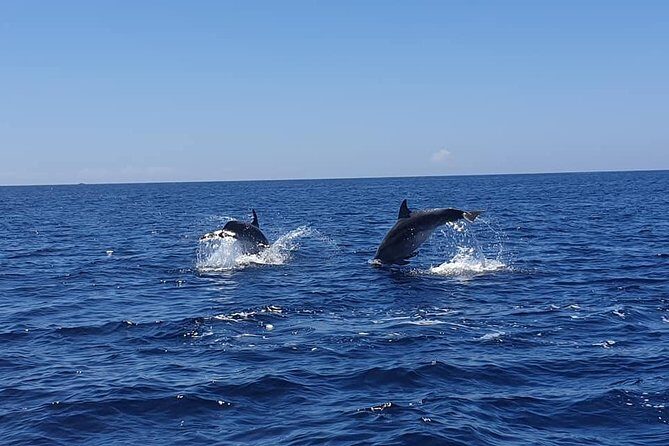
- Eco-first dolphin watching along Serra da Arrábida toward the Sado Estuary
- Floating plastic collection as part of the experience, not an add-on
- Natural park waters at Parque Natural da Arrábida for dolphin observation time
- Professor Luíz Saldanha Marine Park and Troia peninsula as possible observation areas
- Roazes corvineiros dolphin focus when conditions and routes line up
- Small group size with a maximum of 24 travelers
How “Protector Mode” Changes the Whole Dolphin-Watching Feel
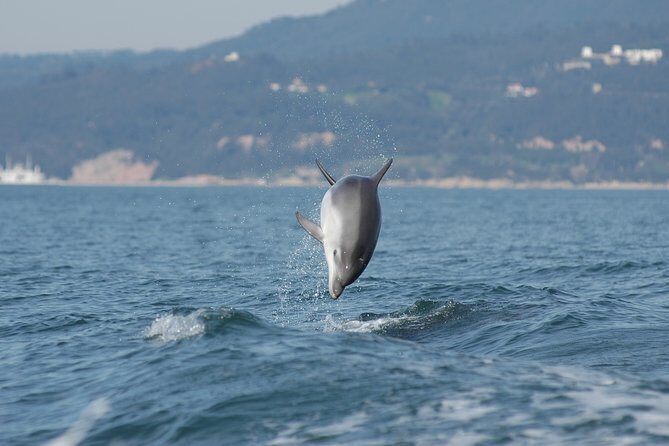
Most dolphin trips fall into two buckets: either you’re mostly there to watch, or you’re there to learn and act responsibly. What makes this one feel different is that it treats conservation as the point. You’re not just hoping for a dolphin sighting; you’re also participating in cleanup by collecting floating plastic you’ll see during the activity.
That shift matters. When a tour actively asks you to reduce what the sea is carrying, you tend to pay closer attention to the animals’ space and behavior. It also helps set expectations: you’re going out for both wildlife and water quality, which gives the trip meaning even on slower dolphin days.
I also appreciate that the experience is described as safe for both people and animals. That balance is exactly what you want when you’re spending time on open water around marine life. It’s the kind of approach that makes the whole morning feel calmer and more respectful, especially for families.
You can also read our reviews of more dolphin watching tours in Setubal District
Where You Start: Sesimbra Morning Logistics (That Keep It Simple)
You’ll begin at 10:00 am at the Anthia location at Porto de Abrigo, Loja 1, 2970-152 Sesimbra, Portugal. The good news is that it’s a straightforward start point. It also notes being near public transportation, which is helpful if you’re staying in Lisbon and don’t want to fuss with complicated last-mile plans.
The activity loops back to the same meeting point at the end. That’s a small detail, but it helps with planning. You don’t have to think about where you’ll be dropped off afterward, which is especially nice if you’re pairing this with other things in the area.
For a trip priced at $59.57 per person and lasting about 2 hours 30 minutes, the setup is designed to be efficient. You get a dedicated morning block without turning the day into a transportation marathon.
The 2.5 Hours: What the Timing Feels Like
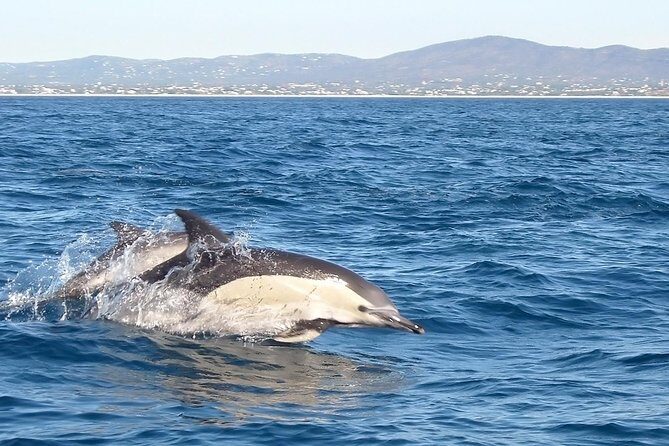
This experience runs for about 2 hours 30 minutes. On the water, that’s a sweet spot. It gives you real time to search for dolphins and spend time near the observation areas without dragging on so long that everyone gets restless.
Because it’s a morning departure, you also have the advantage of starting early. Mornings often feel more comfortable for people on open water, and they tend to help with overall energy levels—especially if you’re traveling with kids.
The trip is capped at 24 travelers, which can make a noticeable difference in how “crowded” it feels. Smaller groups often mean more controlled movement during observation and a better chance to keep the focus on respectful viewing.
Stop 1 at Parque Natural da Arrábida: Why This Area Works for Dolphin Watching
The first stop is Parque Natural da Arrábida. That name is your clue that you’re going into an area where nature is the priority. In practical terms, it means you’re starting your dolphin search from waters shaped by protected coastal and marine conditions rather than a random stretch of coastline.
This part of the trip matters because dolphins don’t show up on schedules. You want to be in the right waters with time to look, adjust, and try different sighting angles. Starting at a natural park helps because it signals you’re operating where marine life and coastal currents are part of the picture.
What you’ll feel here is “coast-to-water” watching. You’re looking out along the coast and scanning for movement, breathing patterns, and surfacing that makes dolphins obvious. And since floating plastic collection is part of the job, you’ll also be looking down at what’s drifting rather than only watching above the waves.
A realistic drawback to keep in mind
Even in the best zones, wildlife sightings aren’t guaranteed. Your goal is dolphin observation in their natural habitat, but nature controls the final answer. The best way to enjoy this stop is to treat it as both a search and a responsible outing, not a performance.


Moving Toward the Sado Estuary: The Route That Expands Your Chances
After the Parque Natural da Arrábida, the trip continues along the coast toward the Sado Estuary. This is where the planning becomes smart: you’re not staying stuck in one spot.
The route can include the Professor Luíz Saldanha Marine Park or even the Troia peninsula for observation. The key idea for you is that the program is built to adapt—using different observation areas depending on what the water and timing offer.
For dolphin watching, that flexibility can make a difference. Dolphins can shift locations, and your best odds usually come from being willing to search within a focused region. In this case, the trip stays in a coherent natural setting, so you’re not doing the sightseeing equivalent of random wandering.
If you’re hoping for a specific local name—this is tied to Roazes corvineiros dolphins—the route choice is part of the strategy. You’re not just in the general “hope for dolphins” lane. You’re operating around areas that give you a shot at those sightings.
Plastic Pickup on the Water: The Part That Makes You a Dolphin Protector
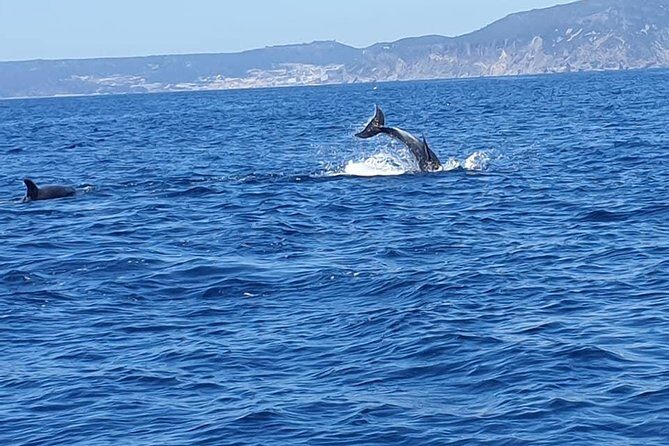
Here’s the most meaningful element: along the outing, you collect floating plastic that’s visible during the activity. That’s not just a feel-good line. It changes your behavior in the moment. You’ll be alert, moving with purpose, and thinking about how debris affects the water you’re sharing with wildlife.
This is also why the experience is described as safe for both humans and animals. If the tour is doing this cleanup responsibly, it should mean you’re not rushing, splashing, or doing anything that interferes with dolphins’ space.
I like this approach because it adds a real-world action component. Dolphin watching can sometimes feel passive. This turns it into something you contribute to, even if it’s a small piece of a much bigger problem.
Practical tip for enjoyment
Go with a mindset of participating, not just spectating. If you treat the plastic pickup as part of the mission, the time goes faster and you’ll feel more connected to what you’re seeing.
What “Animal-Respectful” Looks Like in Practice
You’ll likely feel the difference between a responsible dolphin experience and a chaotic one fast. The tour is built around not disturbing dolphins and keeping the water cleaner, while still making sure people can participate comfortably.
In other words: the goal is proximity through observation, not pressure. That’s what makes animal-safety and human-safety belong in the same sentence.
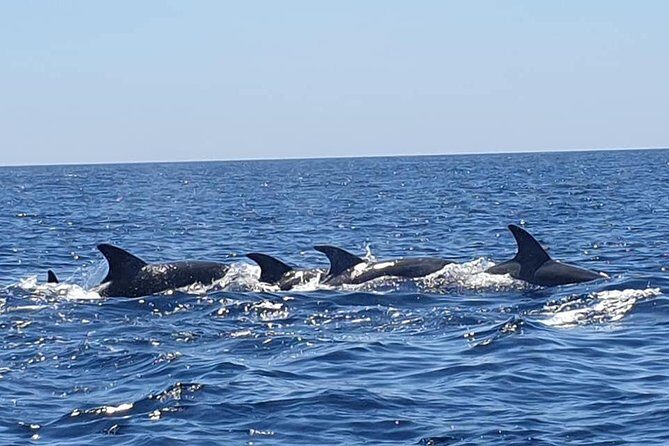
It also means you’ll probably spend more time scanning, watching behavior, and letting dolphins come to the moment on their terms. And yes, when you do spot them, their movement is part of the thrill—jumping and swimming behavior are the kinds of moments that turn a careful search into a memorable morning.
Price and Value: Is $59.57 Worth 2 Hours 30 Minutes?
Let’s talk value plainly. At $59.57 per person for about 2 hours 30 minutes, you’re paying for three things at once:
- Dolphin-focused observation time in a specific region (Arrábida toward the Sado Estuary)
- A conservation component (collecting floating plastic you’ll see)
- A controlled group size (maximum of 24)
If you’re only paying for a generic dolphin boat ride, this might feel steep. But when the cleanup role is part of the program, the price starts to make more sense. You’re not just looking for animals; you’re also helping reduce floating debris during the same outing.
Also, this is a bookable experience from Sesimbra that doesn’t require you to turn the whole day into logistics. Starting at 10:00 am and returning to the meeting point keeps the time commitment tidy, which matters when you’re comparing it to longer tours that eat up your plans.
And because it can be booked relatively close to departure (on average about 13 days in advance), it often fits well if you decide last-minute to do something outdoors.
Who This Dolphin Protector Trip Is Best For
This trip is a strong match for families because it’s described as safe for humans and animals, with an experience that works well for kids. If you want a dolphin morning that feels structured, meaningful, and not reckless, this is the type of outing to look for.
It’s also ideal if you care about ocean health and want your trip to include actual action. You’re not just paying to look at wildlife; you’re participating in cleanup so the water you watch from is slightly less burdened by plastic.
If you’re someone who becomes frustrated by waiting for wildlife sightings, you might find dolphin watching in general a bit unpredictable. But you can still enjoy it by focusing on the “protector” role and the enjoyment of being on the water in a natural coastal area.
Should You Book This Lisbon Eco-Dolphin Watching Trip?
I’d book it if you want dolphin watching with a conscience. The best part here is the combination of natural habitat observation and a hands-on mission collecting floating plastic. If that kind of eco focus is your thing, you’re exactly in the right place.
I’d be cautious if you cannot handle weather disruptions. The experience requires good weather, and if it can’t run due to poor conditions, you’ll be offered a different date or a refund. So if you’re the type who hates plan changes, you’ll want backup options.
Finally, if you’re traveling in the area and like your group days small and controlled, the max-24 limit is a plus.
FAQ
FAQ
How long is the Lisbon Eco-dolphin watching experience?
It lasts about 2 hours 30 minutes (approx.).
What time does the tour start?
The start time is 10:00 am.
Where is the meeting point?
Meet at Anthia center at Porto de Abrigo, Loja 1, 2970-152 Sesimbra, Portugal.
Is the tour offered in English?
Yes, the experience is offered in English.
How many people are in the group?
This activity has a maximum of 24 travelers.
What are the main activities during the tour?
The tour focuses on watching dolphins in their natural habitat and collecting floating plastic that can be seen during the activity.
Where will we go during the outing?
You’ll visit Parque Natural da Arrábida and then head along the coast toward the Sado Estuary. The route may include the Professor Luíz Saldanha Marine Park and possibly the Troia peninsula for dolphin observation.
What happens if the weather is poor?
The experience requires good weather. If it’s canceled due to poor weather, you’ll be offered a different date or a full refund.
What is the cancellation policy for a full refund?
Free cancellation is available. You can cancel up to 24 hours in advance of the experience for a full refund. If you cancel less than 24 hours before the start time, the amount you paid will not be refunded.