REVIEW · SETUBAL DISTRICT
Jewish Heritage with a Historian in Évora
Book on Viator →Operated by Go Alentejo · Bookable on Viator
Évora has a way of turning history into street-level clues. This tour is special because you don’t just hear dates and names—you get guided connections between Jewish heritage, medieval life, and what archaeology can still uncover. I love that the historian brings an archaeology background to the stories, not just tourism facts. I also love that the route includes the Jewish Quarter and Synagogue area, with details like doors where you can still find a mezuzah. One thing to consider: this is a focused, walking-style experience, so if you want lots of free time to wander on your own, you might find the timing a bit tight.
You’ll walk with a researcher who studies Alentejo’s Jewish past and has participated in excavations of Jewish heritage in Alentejo and Spain. That matters, because the explanations tend to sound like evidence, not guesswork, including research-based “secrets” tied to the built environment. The price also makes sense mainly if you’re booking for a smaller group—there are group discounts, but you should still expect to pay the full listed rate for your party.
In This Review
- Key things that make this tour worth your time
- How Évora’s Jewish Quarter Turns Clues Into Context
- Meeting a Historian Who Treats Place Like Evidence
- Stop in Évora: Jewish Quarter and Synagogue Area
- The drawback of this focus
- Why the Mezuzah Detail Matters (More Than You’d Think)
- Big Picture Context: Sefarad, Phoenicians, and the Inquisition
- Price and Time: What $113 Buys You in Real Terms
- Logistics That Affect Your Experience (So You’re Not Guessing)
- Who This Tour Fits Best
- Should You Book This Jewish Heritage Tour in Évora?
- FAQ
- How long is the Jewish Heritage with a Historian tour in Évora?
- What does it cost?
- What’s included in the price?
- Is transport included?
- Is admission included?
- Where do I meet the guide, and where does the tour end?
Key things that make this tour worth your time
- A historian-led route that connects stories to physical traces you can see.
- Jewish Quarter + Synagogue focus in Évora, not a broad scattershot tour.
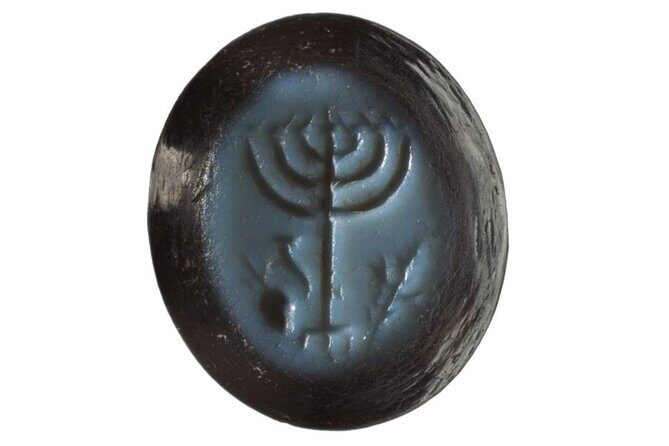
- Mezuzah clues on doors, plus medieval characters tied to place.
- Archaeology-shaped storytelling, including excavation insights across Alentejo and Spain.
- Family-style passion from the guide, with thoughtful answers when you ask questions.
How Évora’s Jewish Quarter Turns Clues Into Context
Évora is one of those places where you can feel layers of time without needing a museum ticket. On this tour, you’ll be looking at streets and doorways and asking a simple question: what did this place mean to Jewish families here, and how can we still read that meaning today?
What makes it work is the way the historian ties visible details to the bigger story of Portugal. You’ll get a clear through-line about how many cultures moved through this part of Iberia, shaping identity over centuries. You also get the darker turn: the Inquisition period, when persecutions targeted Judaism and left deep marks on Portuguese society. The tour doesn’t treat that as distant background. It’s framed as something that affected real people and likely reshaped what could be practiced, remembered, or hidden.
If you like understanding history through geography—why a neighborhood sat where it did, why certain sites mattered—this format fits. If you prefer purely indoor, “stand and listen” explanations, you may want to plan for a bit of outdoors time.
You can also read our reviews of more tours and experiences in Setubal District.



Meeting a Historian Who Treats Place Like Evidence
This isn’t the kind of guide who only rattles off names. The big selling point is the historian’s research and field experience, including archaeological work related to Jewish heritage in Alentejo and Spain.
In practical terms, that changes the tone. Instead of you getting one long narrative, you get short, grounded explanations—often tied to what’s still visible, what’s been found through excavations, and what the research suggests. It’s also clear from the way the guide talks that they like questions. When you ask, you’re not just politely indulged; you’re likely to get a real answer that connects back to the evidence.
In the reviews, people singled out how the guide’s archaeological background helped them “see” regional Jewish history in a new way. That lines up with the structure of the tour: you’re given context, then shown a place-related clue, then told what to make of it.
One note: this is priced at $113 for an approx. 2-hour experience. That can feel steep if you’re expecting lots of stops far apart, but it makes more sense when you’re paying for a specialist historian focused on one compact area.
Stop in Évora: Jewish Quarter and Synagogue Area
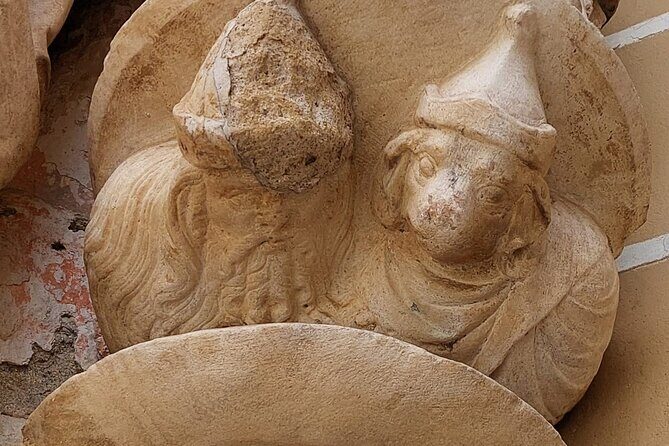
The heart of the tour is in Évora, where you’ll visit the Jewish Quarter and the synagogue area. The goal isn’t just to point at sights—it’s to show how the neighborhood’s story can be read through architecture, street layout, and small details that outsiders often miss.
Here’s what you can expect as you move through the area:
- You’ll learn about the medieval Jewish presence in the region and how prominent figures from that period connect to the spaces you see.
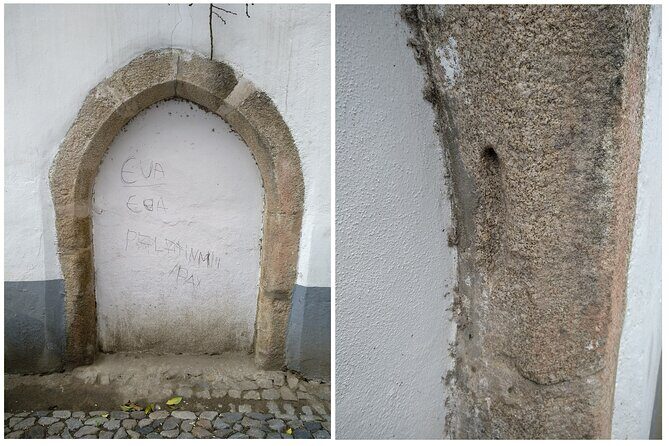
- You’ll hear about practical traces, including doors with the mezuzah still identifiable in the right spots. Even if you’ve seen religious items explained before, the guide’s emphasis on surviving household markers adds a different weight.
- You’ll get “secrets” attributed to archaeological excavations—information that doesn’t show up in everyday signage and usually doesn’t make it into quick guidebook summaries.
There’s also an emotional angle to this stop. You’re not only learning the story of Judaism in medieval Portugal—you’re learning how the region’s cultural identity formed through layers of faiths and peoples moving through Iberia. And then you’re learning how the Inquisition disrupted that reality.
The drawback of this focus
Because the tour centers on one compact historical theme, it moves fast through the ideas. If you’re the kind of traveler who wants every single detail repeated and then expanded for another hour, you may wish you had more time. The upside is that the tour stays purposeful and doesn’t waste your attention span.
Why the Mezuzah Detail Matters (More Than You’d Think)
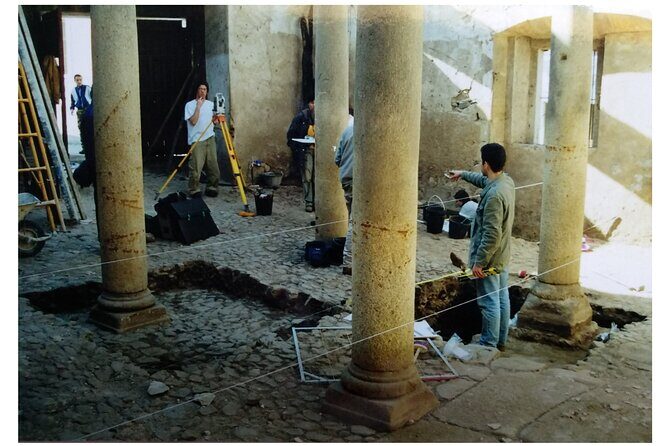
The mezuzah mention isn’t just a religious trivia point. It’s a way of getting you to look at the built environment as a living record.
When you’re shown a door where a mezuzah can be found or referenced, it helps you understand how practices could be made visible, how faith traditions were maintained at the household level, and how communities branded identity into everyday life. The historian’s angle—tying it back to Jewish Quarter context—keeps it from feeling like a random landmark photo moment.
This is also where the archaeology-first approach helps. The guide frames traces as evidence: some things survive because they’re built into how people lived. Others are recovered through excavations. Either way, you end up with a more complete picture of what persistence looks like.
I like that this detail gives you something to notice immediately while walking. You’re not just listening; you’re training your eyes.



Big Picture Context: Sefarad, Phoenicians, and the Inquisition
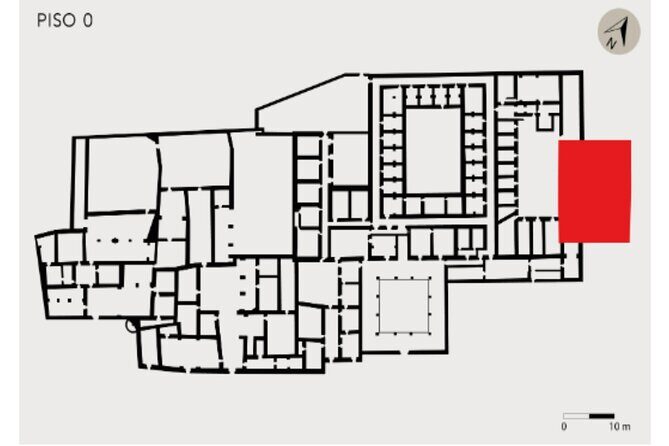
A good heritage tour doesn’t only cover what happened. It explains why it happened, and how deep the roots run.
This one puts Portuguese Jewish identity into a wider Iberian frame. You’ll hear about the idea of Iberia as Sefarad, described as the distant land for Jewish communities. You’ll also get the scale of Jewish presence across the peninsula in medieval times—around 10% of the Iberian Peninsula’s population in the period discussed in the tour narrative, with hundreds of thousands of people suggested across Portugal and Spain.
You’ll also hear a very early origin story: the notion that Jewish communities may have arrived in the Iberian Peninsula with the Phoenicians during the Iron Age. I treat this kind of early-historical framing as a starting point, not a final word, but the value for you is how the guide builds continuity—from ancient links, to medieval life, to later persecution.
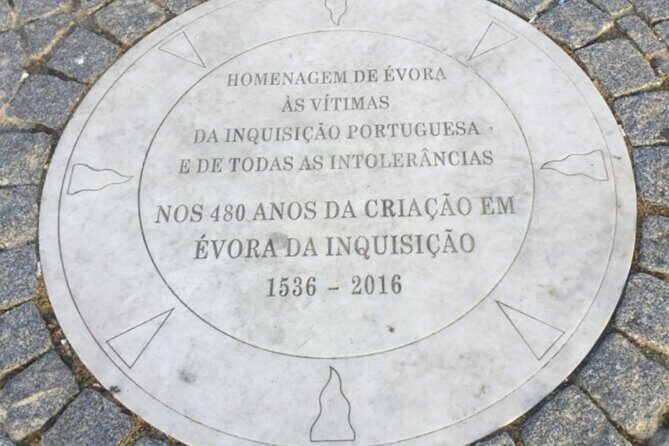
Then the tour tightens to the painful turning point: for about 300 years, the Inquisition impoverished Portugal through persecutions, and Judaism was one of the targeted religions. The tour’s strength is that it ties these shifts to what you can see now in Évora’s Jewish Quarter. Instead of history feeling like a lecture, it feels like a chain of causes and effects.
Price and Time: What $113 Buys You in Real Terms
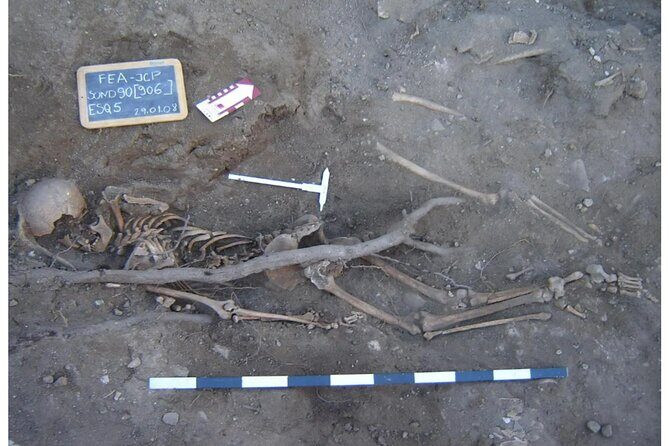
At $113 for about 2 hours, you’re paying for specialist time. That price can look high if you compare it to generic walking tours. But if you value deep explanation with research-based framing, it’s closer to a “private historian session” price than a quick group overview.
A few practical value points:
- You’re getting a local historian rather than a script-based guide.
- Your ticket includes the key admission piece as indicated as free for the tour’s entry component.
- The format is compact, which is efficient in a walkable historic center like Évora.
Who benefits most? People who care about how archaeology informs interpretation, and who enjoy asking questions. In the reviews, the guide’s energy and willingness to tailor the tour to your interests came up repeatedly. That makes the $113 feel less like “paying for a route” and more like paying for attention.
Logistics That Affect Your Experience (So You’re Not Guessing)
This tour is set up as a private tour/activity with only your group participating. That matters because heritage conversations often get personal fast—especially when the guide is discussing persecution, identity, and surviving traces. A private group makes it easier to ask follow-ups without worrying about time or crowd noise.
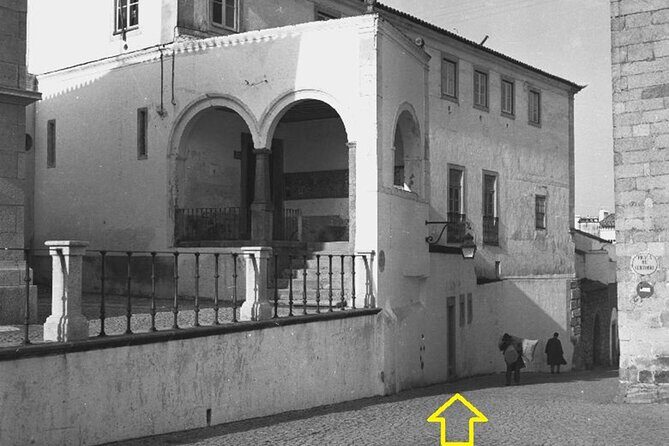
Meeting is at Praça do Sertório, 7000-534 Évora, Portugal, and the activity ends back at that same meeting point. That means you won’t be stranded halfway across town at the end.
You should also plan on:
- Transport not included, so you’ll want to reach Évora on your own.
- A mobile ticket for entry.
- Service animals allowed, and most travelers can participate.
The one practical catch: since the time is approx. 2 hours, wear shoes you can stand and walk in comfortably. This is not a “slow stroll with unlimited stops” style experience.
Who This Tour Fits Best
This is a great match if you:
- Want Jewish heritage explained with archaeological context rather than only dates and monuments.
- Enjoy walking through old neighborhoods and learning what to look for (like mezuzah details on doors).
- Like guides who can answer questions clearly and build stories around research.
You might skip it if you:
- Prefer a long, wide itinerary with many different topics in one day.
- Want a light, casual overview only, with minimal discussion of difficult historical periods.
- Need frequent rest breaks or expect long unstructured free time.
Should You Book This Jewish Heritage Tour in Évora?
If you like history that connects to physical traces—and you want a historian with real research and excavation experience—this is a strong booking. The best parts are the ones you can feel while walking: the Jewish Quarter route, the synagogue area focus, and the mezuzah detail explained as more than a symbol. Add in the guide’s energy and deep background (Luis is the name that comes up in standout experiences), and you get a tour that feels more like a conversation than a performance.
Book it if you’re the type who stops, looks twice, and asks why a place looks the way it does. Consider a different option if you’re chasing broad sightseeing with lots of downtime—this one stays tight on Jewish heritage in Évora, and it earns that focus.
FAQ
How long is the Jewish Heritage with a Historian tour in Évora?
It lasts about 2 hours (approx.).
What does it cost?
The price is listed as $113.
What’s included in the price?
A local historian is included.
Is transport included?
No. Transport is not included.
Is admission included?
The tour information lists the admission ticket as free.
Where do I meet the guide, and where does the tour end?
You meet at Praça do Sertório, 7000-534 Évora, Portugal, and the tour ends back at the same meeting point.