REVIEW · LISBON
Private City Tour Lisbon Fundamental
Book on Viator →Operated by Wir in Portugal · Bookable on Viator
Lisbon clicks into place fast. This private Lisbon walk strings together the city’s biggest storylines and best lookouts in about 3 hours 15 minutes, with an English-speaking guide and plenty of chances to pause. You start high up, then work your way down toward the river, so the city keeps revealing itself. Private and very first-day friendly.
Two things I especially like: you get sharp context, not just sightseeing—Lina Steinbusch (when she’s your guide) is known for connecting art history with Portugal’s political story. And the pacing is practical: the route hits major areas like Bairro Alto, Chiado, Baixa, and Alfama without pretending Lisbon is flat. Stories and easy orientation are the point.
One thing to think about: this is a walking tour with viewpoints and older lanes, and it asks for moderate physical fitness. If you’re sensitive to stairs and hills, you’ll want to wear good shoes and expect some uphill moments.
In This Review
- Key highlights
- Getting oriented in Lisbon from São Pedro de Alcântara
- Igreja de São Roque and S Domingos: churches with real personality
- Bairro Alto streets, Largo do Carmo, and the April 25, 1974 thread
- Santa Justa without the elevator ride: Chiado, Pessoa, and Café A Brasileira
- Baixa, Rossio, Figueira, and tasting Pastel de Nata
- Miradouros: Chão do Loureiro, Santa Luzia, and Portas do Sol
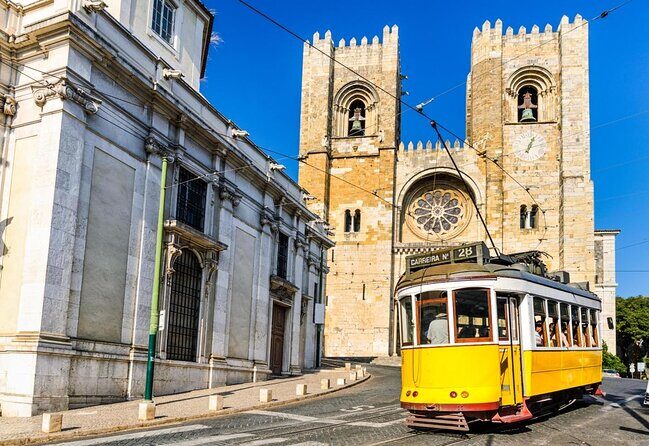
- Lisbon Cathedral and Praça do Comércio: finishing with a strong landing
- Price, pace, and who this private tour is for
- Should you book Lisbon Fundamental?
- FAQ
- How long is the Lisbon Fundamental private city tour?
- What does the tour cost, and how many people are included?
- Where do we meet and where does the tour end?
- Is the tour offered in English?
- Are entrance tickets included for the stops?
- Do you ride the Elevador de Santa Justa during this tour?
- What’s the cancellation policy?
Key highlights
- Private group (up to 2) with an English-speaking guide so you can ask questions in real time
- Church and revolution stops at Igreja de São Roque and S Domingos, then Largo do Carmo for April 25, 1974
- Multiple miradouro viewpoints (without riding the Santa Justa elevator) for big panoramic payoff
- Chiado culture stops tied to Fernando Pessoa and Café A Brasileira
- Baixa classics including a chance to taste Pastel de Nata and stroll Rossio and Figueira Squares
- A satisfying ending by the river at Praça do Comércio (Terreiro do Paço)
Getting oriented in Lisbon from São Pedro de Alcântara
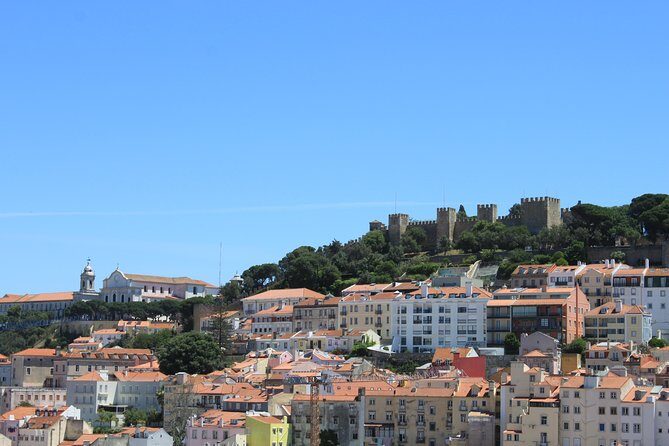
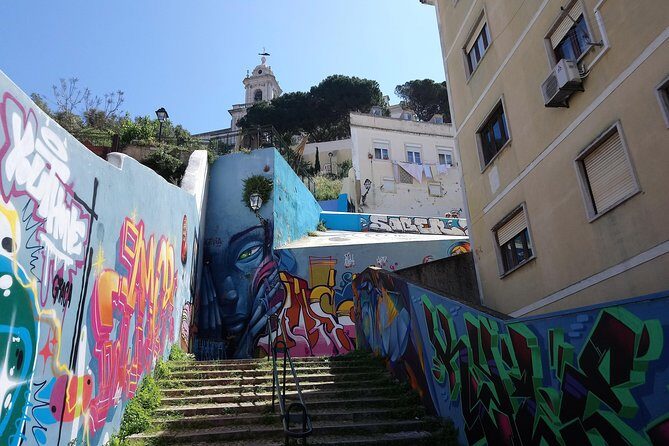
Your tour begins at Miradouro de São Pedro de Alcântara, a great starting point because it forces your brain to map the city early. You’re up high, you can see the general direction of things, and suddenly the rest of Lisbon feels like one connected story instead of a pile of landmarks.
From there, the experience is built around short, focused stops. Each one is brief, but together they add up to a clean overview: where people gather, where the dramatic views are, and where the city’s culture and politics show up in stone. The “up-to-down” flow matters. Lisbon has hills. This tour uses them instead of fighting them.
You’ll also get a mobile ticket, and you’re in a private group with just your party. That means you won’t be squeezed into the same rhythm as big group tours. It’s also offered in English, and the guide is a native German city guide—so you can expect confident guiding and clear communication.
Practical note: there’s a moderate amount of walking. Even though each stop is only a few minutes, you’ll still cover ground between viewpoints and neighborhoods. Good footwear is not optional. Think shoes you’d happily wear on a long city day.
You can also read our reviews of more city tours in Lisbon


Igreja de São Roque and S Domingos: churches with real personality
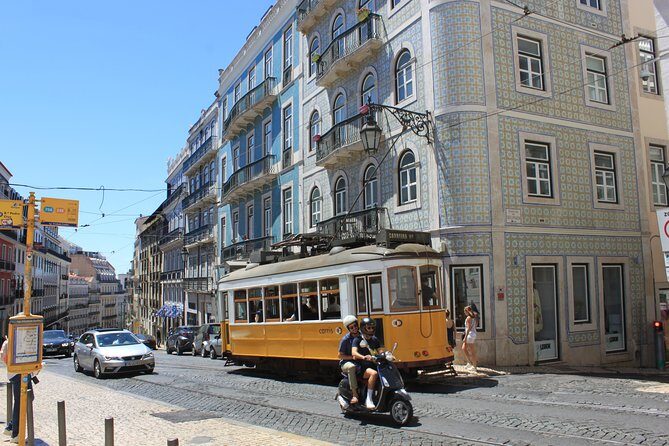
The early part of the walk is heavy on atmosphere. You start at Igreja de São Roque in Bairro Alto. This Jesuit church has that “Lisbon likes drama” feeling—exuberant, ornate, and built to impress. Even if you’re not the kind of person who wants every single chapel detail, it’s a strong anchor for the neighborhood. Bairro Alto has energy, and the church matches it.
Then you move to Igreja de S Domingos, one of the city’s oldest churches. It’s a quick stop, but it gives you a sense of depth: Lisbon didn’t just appear in the 1800s or 1900s. It has older roots, and these sacred buildings are part of how you feel that.
A key value here is balance. You get one stop that feels exuberant and one that feels older and grounded. Together, they help you understand why Lisbon’s religious buildings are not just background scenery. They’re part of the city’s identity, and the guide ties them to broader themes of culture.
Admission is listed as free for these stops, so you’re not juggling ticket decisions while also trying to enjoy the moment. That keeps the walk moving and keeps the tour feeling smooth.
Bairro Alto streets, Largo do Carmo, and the April 25, 1974 thread
After the churches, you get a walk through Bairro Alto. This is where the tour shifts from “look at the landmark” to “feel the neighborhood.” Bairro Alto is all angles and lived-in street life. You’re not meant to race through it. You’re meant to notice the character that makes people want to come back.
Then comes Largo do Carmo, and this stop adds a serious layer. You’ll hear about April 25, 1974—a defining moment in Portugal’s modern history. It’s the kind of story that changes how you look at a place. A square stops being just a place to take photos, and becomes a piece of the political puzzle.
This is also where a good guide makes the difference. One of the most praised aspects of this experience is how the guide connects politics and art history into stories that make sense. When you do that well, history isn’t a lecture. It becomes a lens.
The practical benefit: these stops are short, so you’re not trapped in one building for too long. You’ll still get the emotional impact of the story, without losing momentum for the rest of the day’s viewpoints and city walks.
Santa Justa without the elevator ride: Chiado, Pessoa, and Café A Brasileira
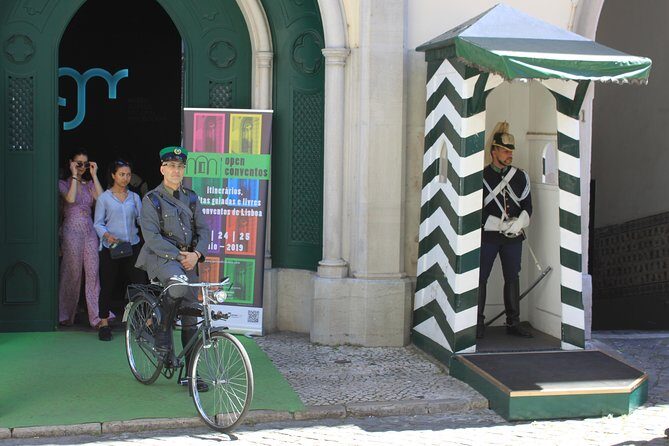
Next up is Elevador de Santa Justa—but here’s the twist. You get the view from the area, and the tour notes that you do not go by elevator. That can be a smart choice for many visitors. If you mainly want the perspective and the city panorama, skipping the ride saves time and energy.
From there you head toward Chiado, the more upscale shopping and cultural district. This is a perfect match for the guide’s storytelling style. You’ll learn about Fernando Pessoa, and you’ll hear about Café A Brasileira, a classic Lisbon name tied to intellectual life.
Even if you’re not obsessed with literary history, Chiado works because it’s a contrast zone. You just walked through churches and older lanes, and now you’re in a place where culture feels tied to everyday life—street-level, shop-front, café-front.
Chiado also helps you understand the city’s layout. It’s central, it’s recognizable, and it’s the kind of district where you can easily continue exploring on your own after the tour ends.
If you want a “first-day win,” this part of the tour helps you build a mental map. You see how the city’s different moods connect.
Baixa, Rossio, Figueira, and tasting Pastel de Nata
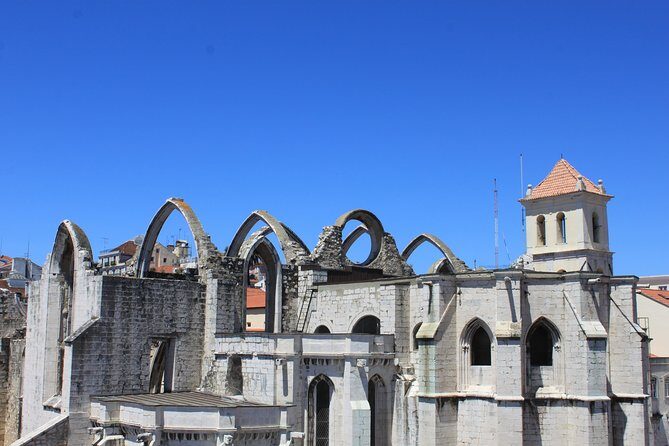
Then the tour shifts into Baixa de Lisboa, where the city’s 19th-century character shows up. This isn’t just architecture trivia. It’s about how Lisbon organizes space when it wants to look orderly and grand.
Here you’ll have a chance to taste Pastel de Nata, one of the most famous Portuguese sweets. It’s included in the tour focus, and it’s exactly the kind of bite that makes the walk feel like a real day out rather than a museum checklist.
As you stroll, you pass by Rossio Square and Figueira Square. Rossio is central and lively, and Figueira has a classic, old-school feel. The guide also points out two older traditional shops in the area. You’re not just collecting views. You’re seeing the city’s texture—the places that survived long enough to become part of the normal routine.
This stop is valuable because Baixa acts like a connector. After this, the rest of the tour—viewpoints and Alfama—feels like Lisbon’s “layers,” not disconnected neighborhoods.
Also, the timing helps. This is a good moment to refocus your energy. You’ve had cultural stops, and now you get something sensory and delicious before the next round of viewpoints.
You can also read our reviews of more private tours in Lisbon





Miradouros: Chão do Loureiro, Santa Luzia, and Portas do Sol
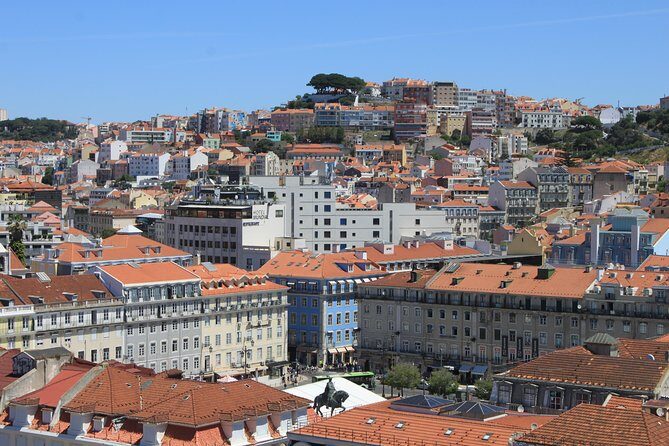
Now you reach the part that many people come to Lisbon for: viewpoints. You hit Miradouro Chão do Loureiro first, where you’ll look out over the 25th of April Bridge, toward Christ the Redeemer, and across Lisbon’s center and the river.
This is more than a photo stop. The guide helps you see where the city sits in relation to the water. Once you understand that, Lisbon stops being confusing. It becomes a place with direction.
Next is Miradouro de Santa Luzia, a viewpoint over Alfama and the Tagus River. Alfama is Lisbon’s oldest-feeling neighborhood, and seeing it from above is the fastest way to understand its maze-like reputation.
Then you go to Miradouro das Portas do Sol. From here you can see Alfama again, plus the S. Vicente monastery and the national Pantheon. The fact that these viewpoints repeat the same neighborhoods from different angles is a clever teaching trick. You stop feeling like you’re just climbing from one spot to another and start feeling like you’re learning the city.
These miradouros are also where moderate fitness comes in. The steps and uneven ground can add up. If your legs are good, you’ll love it. If not, you might want to slow down, take your time at each stop, and use any offered pauses to rest.
Lisbon Cathedral and Praça do Comércio: finishing with a strong landing
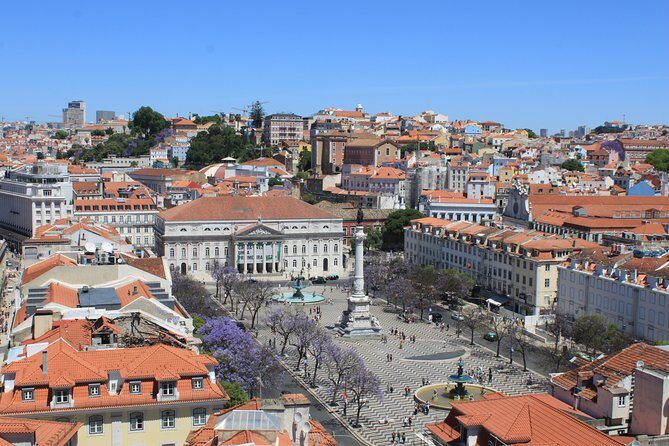
The route then reaches Lisbon Cathedral, after walking through traditional lanes in Alfama. Alfama is where Lisbon feels most human—tight streets, old stones, and that sense that you’re moving through time. A cathedral stop fits this area because it ties the older streets to a major spiritual and civic landmark.
The cathedral visit is listed as free and short, so it won’t turn into a half-day detour. Instead, it works like a “settle in” moment: you’ve been looking at the city from above; now you’re seeing it at street level and then closing in with an important building.
Finally, you wrap at Praca do Comercio (Terreiro do Paco), the picturesque trading square by the river. This ending matters because it gives you a wide-open feeling after narrow lanes and hills. You also visit Monumento a D. Pedro IV at Praça do Rossio earlier in the walk, adding another central punctuation point before the river finish.
You end near the water, and that’s a gift. After the tour, you can keep going easily on your own, whether you want to stroll along the riverfront or search for a meal in the surrounding areas.
Price, pace, and who this private tour is for
This tour costs $214.45 per group (up to 2) for an experience of about 3 hours 15 minutes. That price makes sense when you factor in the private format. You’re not paying per person in a crowd. You’re paying for time, attention, and a guide who can slow down where you want and speed up where you don’t.
It’s also good value because the tour focuses on major sights with free admission tickets listed for the stops. You’re not forced into lots of paid entries just to keep the day moving. Plus, the route is built for orientation, so you’re likely to get better use out of the rest of your Lisbon days.
A quick “who it fits” guide:
- Couples or small families who want a confident first pass through Lisbon without planning every turn
- People who like story-led sightseeing, especially where art and politics connect
- Travelers who want viewpoints but don’t want a long, complicated day plan
It’s less ideal if you hate walking hills, or if you want long time inside churches and buildings. This is a smart overview. It’s not a slow, deep study of everything.
One more practical note: lunch is not included. That doesn’t mean you can’t eat during the day—you just need to plan for it yourself. Wear a belt bag or small daypack. You’ll be glad you did when you’re juggling a sweet, water, and your phone camera.
Should you book Lisbon Fundamental?
Yes—if your goal is to get your bearings fast and learn how Lisbon connects. The itinerary is designed like a story: churches, neighborhood texture, a history anchor at Largo do Carmo with April 25, repeated miradouro viewpoints, then Alfama and a river finish. That structure is exactly what helps you enjoy Lisbon later, not just see it once.
I’d also book it if you care about more than facts. This tour stands out for how the guide links politics, art history, and Lisbon’s identity in a way that feels personal. And because it’s private and offered in English, you can steer your questions naturally as you walk.
Book it with one expectation: you’ll be on your feet. If you can handle steep streets and quick climbs to viewpoints, you’ll come away with a map in your head and a stronger sense of why Lisbon is Lisbon. If that sounds like your kind of day, this is a solid choice.
FAQ
How long is the Lisbon Fundamental private city tour?
It’s about 3 hours 15 minutes.
What does the tour cost, and how many people are included?
The price is $214.45 per group, up to 2 people.
Where do we meet and where does the tour end?
The tour starts at Miradouro de São Pedro de Alcântara and ends at Praça do Comércio.
Is the tour offered in English?
Yes. The tour is offered in English, and the guide is a native German city guide.
Are entrance tickets included for the stops?
Admission tickets are listed as free for the sights included in the route.
Do you ride the Elevador de Santa Justa during this tour?
No. The tour includes a viewpoint from the Santa Justa area, but it does not include riding the elevator.
What’s the cancellation policy?
You can cancel for a full refund up to 24 hours in advance of the experience’s start time. After that cutoff, the amount paid is not refunded.