
REVIEW · LISBON
Lisbon: Portuguese Petiscos Cooking Class
Book on GetYourGuide →Operated by Homecooking Lisbon · Bookable on GetYourGuide
Your apron gets a crash course in Lisbon. This Portuguese petiscos cooking class is built around learning finger-food Portuguese cooking while you actually cook, not just watch. I love that it mixes hands-on technique with real meal energy, including Portuguese wines and beer right from the start.
One big plus is the step-by-step instruction, designed for different comfort levels. In one reported session, chef Theresa ran the class with a warm, funny teaching style, and the group made several petiscos plus the well-known pastéis de nata afterward.
The main drawback to consider is that this is a kitchen-focused 3-hour activity. It is not suitable for children under 6 or for people with mobility impairments, and if you want a super relaxed food stroll, this may feel more like work than wandering.
In This Review
- Key highlights you’ll care about
- Petiscos in Lisbon: what you’re actually learning to cook
- Homecooking Lisbon HUB: where the class starts and how it feels
- Drinks and starter snacks: get your appetite and your questions ready
- Cooking up to five petiscos: the step-by-step rhythm
- Tasting the petiscos: eating your results while the details are fresh
- Portuguese wines and beer during class: why it’s part of the lesson
- Price and value: is $100 for 3 hours a fair deal
- Who should book this Lisbon petiscos cooking class
- Should you book this Lisbon petiscos cooking class?
- FAQ
- How long is the Lisbon Portuguese petiscos cooking class?
- Where is the meeting point?
- What language is the instruction?
- How many people are in the group?
- What does the price include?
- Is the class suitable for children?
- Can I cancel and get a refund?
Key highlights you’ll care about
- Small group (max 10) means more chances to ask questions while you’re cooking
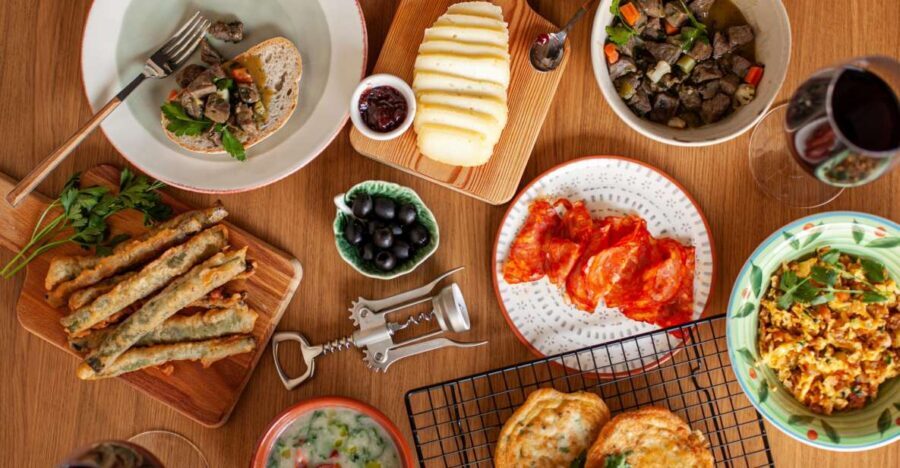
- Up to 5 petiscos dishes gives you a real range of Portuguese snack-style cooking
- Drinks included: wine, beer, homemade juice, coffee, and water during the session
- Tasting what you make turns the class into a full food experience, not a demo
- English instruction makes it easier to follow techniques and cultural tips
Petiscos in Lisbon: what you’re actually learning to cook
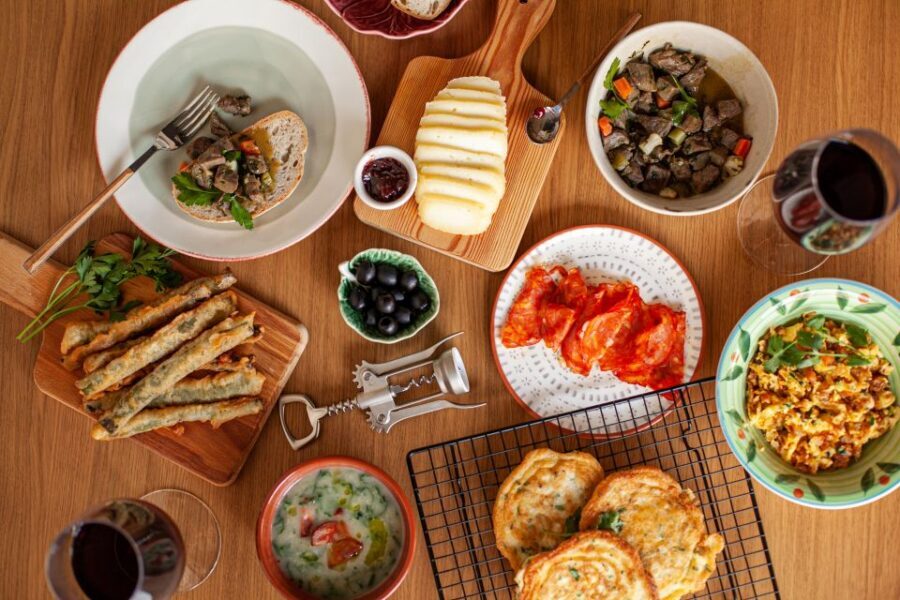
Petiscos are Portuguese bite-size snacks and small plates, the kind of food you order with a drink and share while conversations go long. In this class, you’re not just learning names on a menu. You’re learning how those flavors and textures are built, dish by dish, with guidance as you work.
The teaching goal is practical: you’ll get tips and secrets behind the petiscos you love, then use them immediately at your station. That is the value. Food knowledge that never gets used in your hands stays blurry, but food knowledge that becomes dinner in your own skillet sticks.
And this is very Lisbon. The whole structure feels like the way locals treat food: casual, social, and meant for sampling.
You can also read our reviews of more cooking classes in Lisbon


Homecooking Lisbon HUB: where the class starts and how it feels
Your session begins at Homecooking Lisbon HUB. Expect a cozy, inviting kitchen setup built for a small group, not a showroom.
When you arrive, you start with appetizers and Portuguese drinks while the instructors get everyone organized. It’s a smart way to settle in fast: you’re fed a little, you’re drinking, and then you’re ready to focus when the real cooking starts.
With a group capped at 10, you’re less likely to feel lost. You can keep up with what the instructor is explaining without shouting across a crowded kitchen.
Drinks and starter snacks: get your appetite and your questions ready
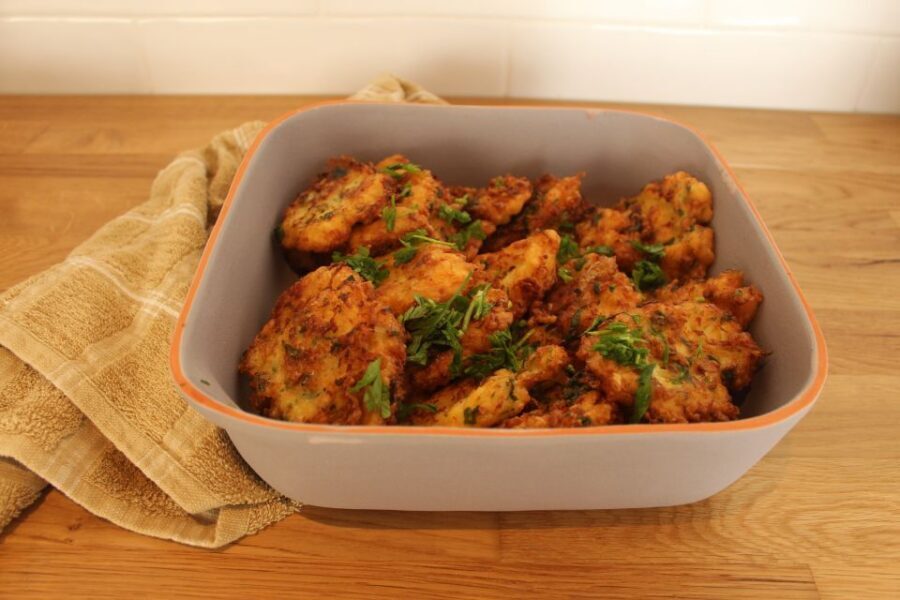
Before the cooking turns serious, you get finger food and snacks along with drinks. The included list is specific: wine, beer, homemade juice, coffee, and water.
This part matters because petiscos are snack culture. You learn tastings and pairings by experiencing them, not by reading about them. The instructors also use this early stage to teach the approach for the dishes ahead, so when you move into the step-by-step phase, you’re not guessing why you’re doing things a certain way.
Also, drinking included usually means less decision-making for you. You can show up, enjoy the class rhythm, and not spend the evening juggling menus and payment.
Cooking up to five petiscos: the step-by-step rhythm

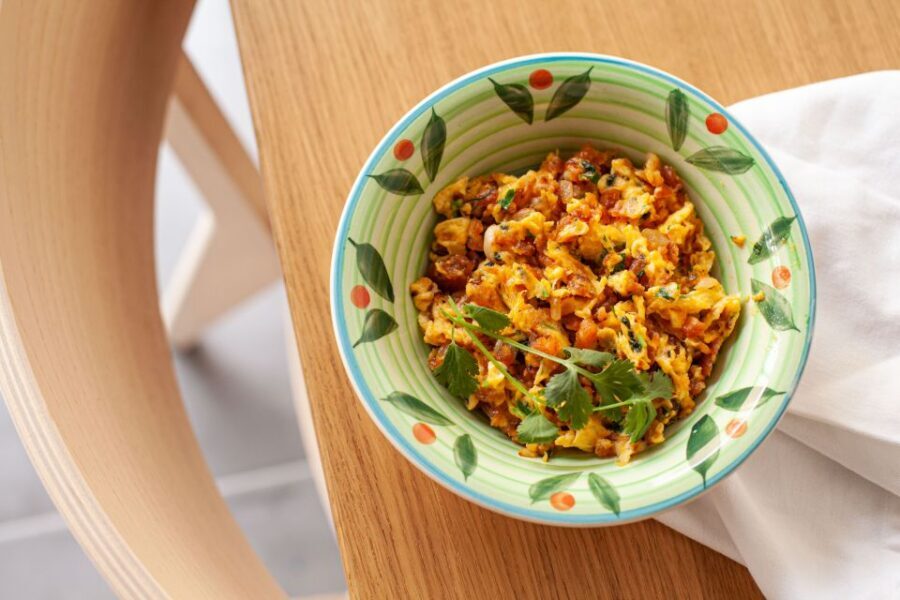
The heart of the class is hands-on cooking. You’ll prepare a traditional spread of up to 5 petiscos with instructor support the whole time.
Here’s what that typically looks like in practice: you’re guided through each dish in sequence, so you learn a technique, apply it, and then move on. That pacing helps you pick up skills without getting overwhelmed. If you’re a beginner, it reduces intimidation. If you cook at home already, it gives you Portuguese-specific tips you can repeat later.
The instructors are described as friendly and helpful, and the class is designed so you feel welcomed even if you don’t cook often. You’ll also hear cultural context tied to what you’re making, so the food doesn’t feel random or trendy. It feels like something with a place in Portuguese daily eating.
One extra coaching note from a lower rating: the class could have had more cooking help for every station. So if you’re the type who wants heavy 1:1 guidance while you chop, mix, and cook, you should go in with the expectation that the group is small but still not private.
Tasting the petiscos: eating your results while the details are fresh
After you cook, you get to savor what you prepared. That’s a big deal in a cooking class, because it closes the loop: you don’t just learn how to make the food, you learn what the food should taste like once it’s done.
Tasting right after cooking also helps you notice details you might miss when reheating later. You start connecting technique to outcome. For example, you’ll pay attention to seasoning balance, texture, and how the flavors come together in a finger-food format—exactly the style petiscos are known for.
And in at least one reported experience, after cooking several petiscos, the class also included pastéis de nata. That’s not listed as a universal add-on, but it shows the class can include iconic Portuguese sweets alongside the snack dishes. Even if your exact lineup differs, you can expect the session to end on a satisfying note.
You can also read our reviews of more tours and experiences in Lisbon





Portuguese wines and beer during class: why it’s part of the lesson
Wine and beer in a cooking class can be fun, but here it also supports the theme. Petiscos are meant to be paired with drinks, and the included drinks (wine, beer, homemade juice, coffee, water) make the whole table feel authentic.
The class doesn’t ask you to treat beverages as a separate activity. They flow with the cooking schedule. That matters because it keeps you in the mindset of snack time rather than meal time.
If you’re tasting different dishes during the session, drink pairings also help you understand why Portuguese snack eating works: you keep moving through flavors, you share bites, and you don’t feel stuck with one heavy plate.
Price and value: is $100 for 3 hours a fair deal
At $100 per person for about 3 hours, this is not a budget “just eat” activity. But it’s also not just a meal you buy and walk away from.
You’re paying for:
- Hands-on instruction from chefs/instructors
- Ingredients to prepare your petiscos
- Drinks (wine, beer, homemade juice, coffee, and water)
- Finger food and snacks during the session
- Insurance included
- A small group setup (up to 10)
When you look at it like that, the price starts making sense. You’re getting guided cooking time plus the ingredients and drinks that would cost a lot if you tried to recreate the meal yourself with the same quality of instruction.
The strongest value piece is the small-group approach. If you were cooking with a huge crowd, the “hands-on” part would weaken. Here, the cap at 10 supports the idea that you’ll actually learn, ask questions, and taste what you make.
Who should book this Lisbon petiscos cooking class
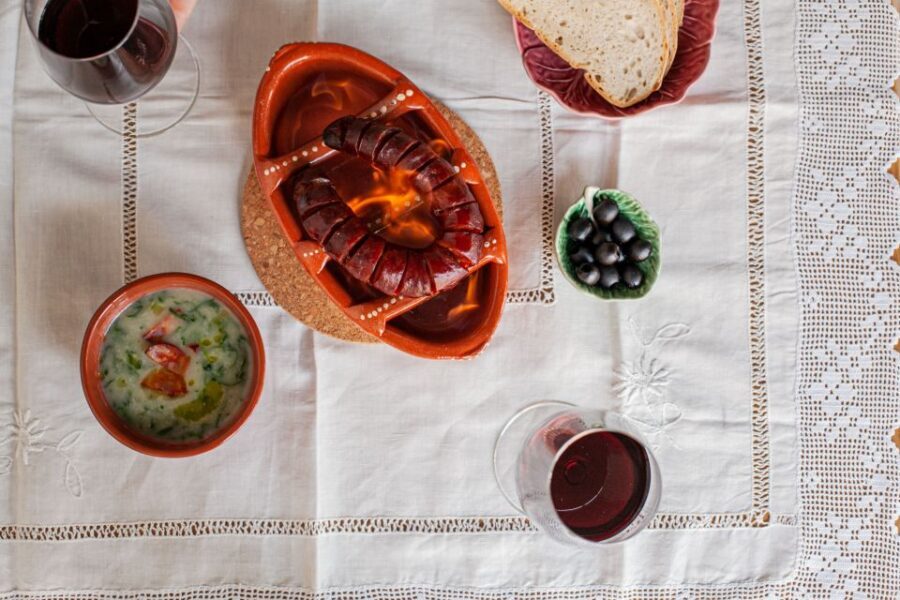
This experience fits best if you want Lisbon through food in a hands-on way. I think it’s especially good for:
- Couples or friends who want a shared activity that ends with eating
- Travelers who enjoy cooking but want Portuguese methods and flavors specifically
- People who learn better by doing, not just reading or watching
- Anyone who likes snack culture and wants to understand petiscos beyond one dish
It may not be ideal if:
- You need a fully accessible setup (it is not suitable for people with mobility impairments)
- You’re looking for a light, stroller-friendly outing instead of active kitchen time
- You’re coming with very young kids (children under 6 are not suitable)
In short: if you like food, like cooking, and want a guided Lisbon experience you can bring home with you, you’ll likely enjoy this class a lot.
Should you book this Lisbon petiscos cooking class?
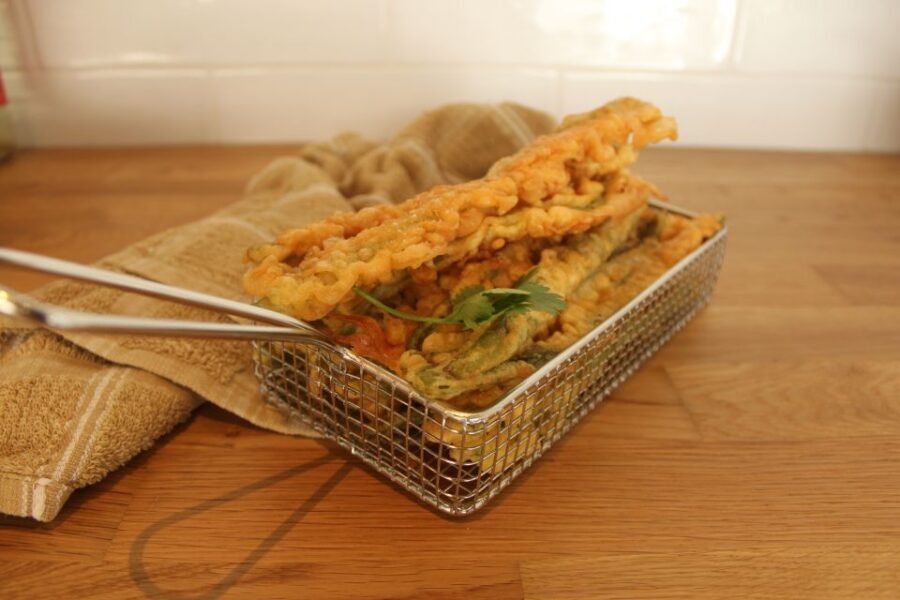
If your goal is authentic Portuguese flavors plus real technique, I’d book it. The combination of hands-on petiscos up to 5 dishes, included drinks, and the chance to taste what you cook makes it feel like a full evening in only a few hours.
I’d also book it if you appreciate small-group attention. The limit of 10 people changes the feel of the class, and the high ratings you’ll see for this format make sense: people leave with both food and know-how.
Skip it only if your priorities are the opposite: you want a passive walking tour, you need accessibility accommodations beyond what’s stated, or you’re traveling with a child under 6. For everyone else, this is a practical, delicious way to learn Lisbon from the inside out.
FAQ
How long is the Lisbon Portuguese petiscos cooking class?
It lasts 3 hours.
Where is the meeting point?
The meeting point is Homecooking Lisbon HUB.
What language is the instruction?
The instructor speaks English.
How many people are in the group?
It’s a small group, limited to 10 participants.
What does the price include?
You get ingredients for your petiscos meals, instructor/chef guidance, drinks (wine, beer, homemade juice, coffee, and water), finger food and snacks, and insurance.
Is the class suitable for children?
It is not suitable for children under 6 years old.
Can I cancel and get a refund?
Yes. You can cancel up to 24 hours in advance for a full refund.