REVIEW · LISBON
A Walking Tour of Old Lisbon
Book on Viator →Operated by Lisbon Steps · Bookable on Viator
Old Lisbon feels like a living puzzle. You’ll walk the hills, turn corners, and hear how neighborhoods connect—starting in Mouraria and ending in Alfama with a sweet finish. This tour is a smart way to get your bearings fast, without wasting time guessing which streets matter.
I especially liked the small-group feel (max 12) and how that makes the guide’s pace more human. I also loved that you get two tastings on the route, with Portuguese pastries tied to Alfama’s food-and-tradition vibe. It’s not just sightseeing; it’s designed for learning while you’re moving.
One consideration: Lisbon’s old streets come with steep, uneven walking. You’ll be fine if you have a moderate fitness level and comfortable shoes, but it helps to expect a bit of hill work.
Key things I’d bank on before you go
- Mouraria first, the area tied to the birthplace of fado, so you start with the music story
- Castelo de São Jorge with included entry and a real hilltop viewpoint payoff
- Alfama on purpose, not just passing through, with time to feel the neighborhood atmosphere
- Two tastings during the walk, including Portuguese pastries in Alfama
- Lisbon Cathedral (built in 1147) where you’ll see how the city rebuilt after disasters
- Queue-skipping and a guide who keeps the walk in manageable stages
In This Review
- Old Lisbon on Foot: How This 3-Hour Walk Sets Up Your Trip
- Rossio Square to Mouraria: Starting With Fado’s Roots
- Castelo de São Jorge: The Castle Stop That Actually Pays Off
- Alfama and Portuguese Pastries: Where the Tour Slows Just Enough
- Lisbon Cathedral (1147): Why This Church Feels Like Lisbon Itself
- Price and Value: Is $63.67 Worth It?
- Meeting at Rossio and Ending at Campo das Cebolas: A Handy Finish
- Who This Walking Tour Fits Best (and Who Might Want a Different Style)
- Should You Book This Old Lisbon Tour?
- FAQ
- How long is the walking tour?
- Where does the tour start and end?
- What’s included in the price?
- Which stops are on the route?
- Is this tour suitable for kids?
- Do you need to pay for entry to attractions?
- What should I bring if it rains?
Old Lisbon on Foot: How This 3-Hour Walk Sets Up Your Trip
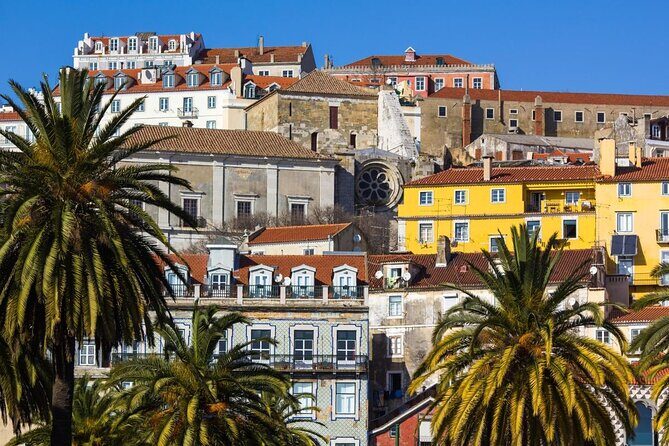
This tour is built for people who want more than a photo run. In about 3 hours, you’ll connect Lisbon’s oldest layers: hillside neighborhoods, medieval structures, and the church sites that survived centuries of change. You’ll walk where locals lived and where traditions formed, then you’ll end with a food moment that feels like Lisbon.
The pace matters here. You’re not trapped in a museum timeline. Instead, the guide keeps moving in short stages, which helps on steep ground and keeps the whole experience from feeling like a slog. If you like your city tours to be active but not exhausting, this format works well.
The biggest value is focus. You aren’t trying to cover “everything Lisbon.” You’re hitting a handful of neighborhoods that explain the city’s personality—especially how culture (like fado) connects to specific streets.
Rossio Square to Mouraria: Starting With Fado’s Roots

You meet at Rossio Square (Praça do Rossio) and then climb into the medieval hill zone of Lisbon. From the first stretch, the walk sets expectations: you’ll feel the slope and the tighter street layout as you head toward Mouraria.
Mouraria is where this tour earns its “oldest parts” promise. The guide will connect the neighborhood to the strongest tradition of Lisbon: fado, described here as rooted in the area’s long mingling of cultures and customs. Even if you’re not a fado expert, you’ll leave with a clearer sense of why the music belongs in these streets.
What I liked most about starting here is how it frames the day. By the time you reach later stops, you’re not just looking at places—you’re understanding the cultural logic that links them. Mouraria also gives you a sense of how Lisbon neighborhoods feel different from block to block, which helps when you explore on your own afterward.
You can also read our reviews of more walking tours in Lisbon


Castelo de São Jorge: The Castle Stop That Actually Pays Off

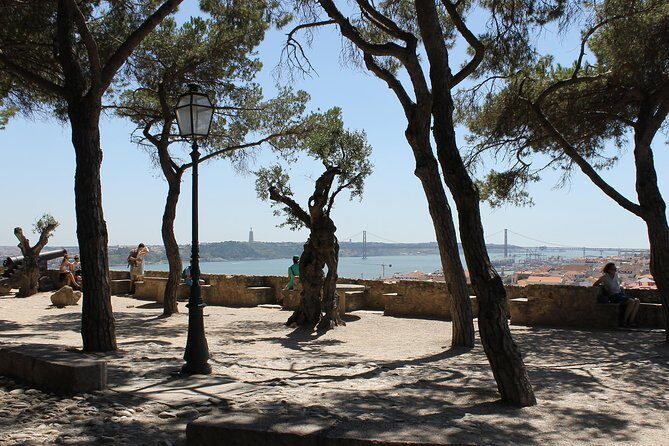
Next you head to Castelo de São Jorge. This is the kind of stop that turns a walking tour into a view tour, without stealing the whole day. You’ll get around 40 minutes here, plus entry is included.
A castle on a hill sounds obvious, but the real value is how the guide sets the place in time. Lisbon’s medieval skyline is dramatic, and this viewpoint is one of the best ways to “see” the city’s geography. You’ll understand why the hills matter and why streets twist the way they do.
The only drawback is what you’d expect from a castle visit: you’ll be on your feet and walking a bit around the grounds. If you’re the type who wants long sit-down time, you may find the timing a touch tight. But for a 3-hour overall experience, it’s a good balance.
Alfama and Portuguese Pastries: Where the Tour Slows Just Enough
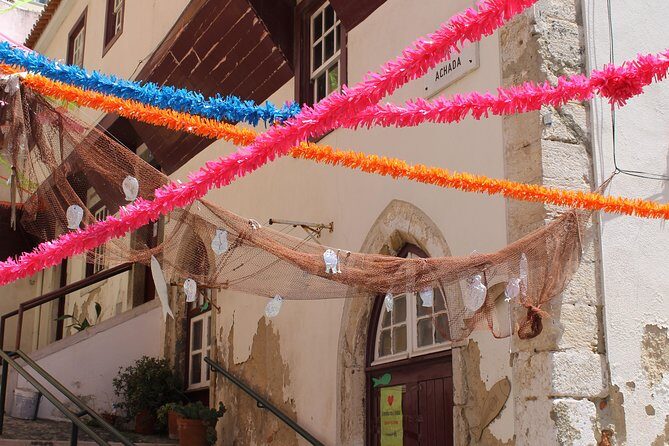
After the castle, the tour moves toward Alfama, one of Lisbon’s most distinctive neighborhoods. This is where you’ll feel the atmosphere rather than just ticking off sights. You’ll spend about 1 hour in this area, and the guide focuses on history and traditions you can actually picture once you’re inside the streets.
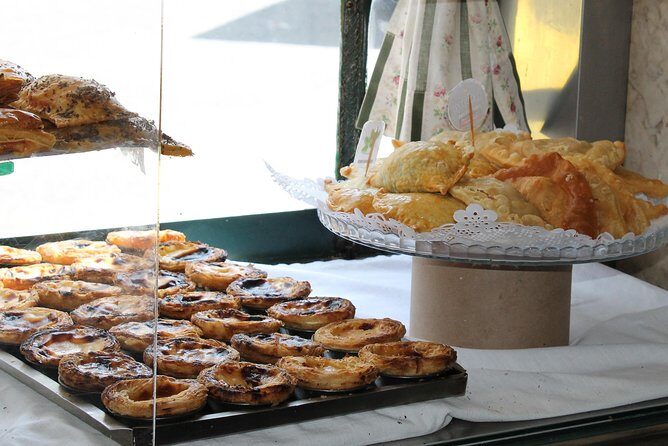
Before you go deeper, you’ll have a sweet stop. The tour includes pastry tastings in Alfama, designed as a palate reset after the hill climb. And since the tour includes 2 tastings total, you can expect another small sample during the walk as well, not just one quick bite.
The best way to think about Alfama on this tour: it’s not a generic “wandering” hour. It’s structured to help you connect what you see (streets, buildings, the mood of the neighborhood) with what the guide explains (how the place developed and what it celebrates). If you enjoy learning while walking, this is the strongest portion for that.
A small practical note: Alfama streets can be narrow and uneven. This is normal Lisbon, not a special problem caused by the tour. Just plan for careful steps.
Lisbon Cathedral (1147): Why This Church Feels Like Lisbon Itself
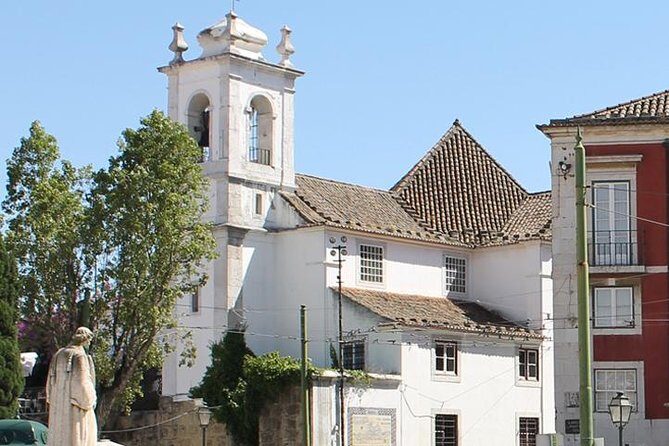
The final major stop is Lisbon Cathedral, a church originally built in 1147. What makes it more than a landmark is the story of survival and change. The cathedral endured major disruptions and then went through multiple modifications and restorations, so today you’ll see an architectural mix shaped by different eras.
You’ll have about 20 minutes here. That’s enough time to take in the big features without turning the tour into a long sit-and-stare event. It’s also a good ending point because it shifts the focus from neighborhood street life back to a central monument—almost like closing the loop on Lisbon’s timeline.
If you’re someone who likes seeing how a city rebuilds over time, this stop delivers. It’s the kind of site where you can look at layers and understand why Lisbon feels both old and constantly in motion.
Price and Value: Is $63.67 Worth It?
At $63.67 per person for roughly 3 hours, this sits in the “worth it if it saves you time” category. The reason is simple: the tour bundles several things that can add up when you plan solo.
You’re getting:
- a professional local guide for the whole walk
- 2 tastings
- admission fees included where they apply (notably at Castelo de São Jorge)
- queue-skipping, so you’re not losing time waiting at entrances
- a route designed to hit the most meaningful parts of Old Lisbon efficiently
The small-group size matters too. With a maximum of 12 travelers, you’re more likely to get answers to your questions and a pace that doesn’t drag. That’s especially helpful on steep terrain, where a guide can keep the group together and handle the walk in shorter stages.
One more practical detail: this tour is often booked about 72 days in advance on average. If your dates are firm, you’ll probably want to reserve earlier rather than hoping it’s easy to grab last minute.




Meeting at Rossio and Ending at Campo das Cebolas: A Handy Finish
The start is Rossio Square, and the tour ends at Campo das Cebolas. That end point is useful because it’s close enough to keep moving through the old center without feeling like you’ve been dropped far from everything.
You also meet near public transportation, which helps if you’re combining this with other plans the same day. Just make sure you leave a little breathing room afterward, especially if you plan to keep exploring by foot. Old Lisbon rewards extra walking, and your legs will probably notice it.
You’ll receive a mobile ticket, which keeps things simple on the day. Bring that along and show up a few minutes early so you start with zero stress.
Who This Walking Tour Fits Best (and Who Might Want a Different Style)
This is a great match if you want:
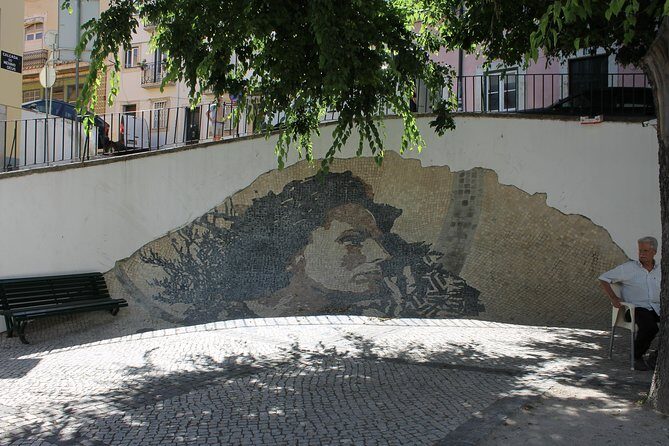
- a structured introduction to Mouraria, Alfama, and the medieval hill zone
- a guided explanation of cultural connections, like why fado belongs here
- tastings included, so you’re not hunting for food mid-hike
- a small-group experience rather than a big bus-style crowd
It may be less ideal if you:
- struggle with steep walking and uneven surfaces
- need long indoor breaks to reset
- prefer completely flat routes
The tour is described as requiring moderate physical fitness, and the guidance you get is built for that reality (short stages help). If that sounds manageable for you, you’ll likely enjoy the pace.
Should You Book This Old Lisbon Tour?
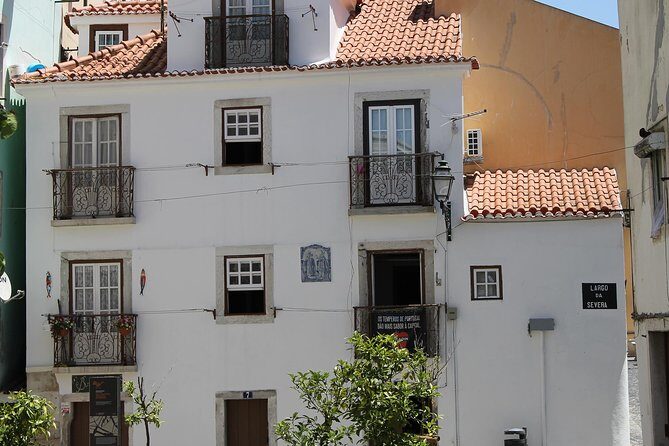
Yes, I’d book it if you’re using Lisbon as a place to learn with your feet. This tour hits smart anchors: Mouraria for fado’s roots, São Jorge for the hilltop payoff, Alfama for street-level tradition, and Lisbon Cathedral to show Lisbon’s layered past.
The decision comes down to one thing: your comfort with hills. If you can handle uneven, sloped walking and you want an efficient, guided start to Old Lisbon, this is a strong value at $63.67—especially because admissions, queue-skipping, and two tastings are part of the package.
If you want a relaxed, low-effort stroll only, look elsewhere. Lisbon is Lisbon, and this route leans into that.
FAQ
How long is the walking tour?
It lasts about 3 hours.
Where does the tour start and end?
The tour starts at Rossio Square (Praça do Rossio) and ends at Campo das Cebolas.
What’s included in the price?
The price includes 2 tastings, a local professional guide, and admission fees where they apply. It also includes skip-the-queue entry.
Which stops are on the route?
You’ll go to Rossio Square/Mouraria, Castelo de São Jorge, Alfama, and Lisbon Cathedral.
Is this tour suitable for kids?
Children under 6 don’t pay and are welcome. That said, walking tours with kids can be harder on steep or uneven streets, so it helps to consider comfort and pace.
Do you need to pay for entry to attractions?
The tour includes admission where it matters, including Castelo de São Jorge. Lisbon Cathedral is described as having free admission for this stop.
What should I bring if it rains?
If rain is forecast, bring an umbrella, since much of the tour is outside.