REVIEW · LISBON
Wine Tasting and Culture
Book on Viator →Operated by João Vasconcellos · Bookable on Viator
Central Lisbon and great wine. That’s a rare combo. This two-hour tasting is designed to teach you Portuguese wine culture without sending you on a long trip out of town. I like that it keeps the group tiny, so the guide can actually steer the experience toward what you enjoy. I also like that you’ll get both food and clear pairing advice, so the tasting doesn’t feel like random sips.
Here’s the best part for many people: you’re not stuck doing a solo crash course. You’ll learn how Portuguese wine connects to local history, and you’ll get practical tasting techniques you can use later when you’re ordering in Lisbon. Plus, with a maximum of 9 people total (you and 8 others), the recommendations can be tailored, not generic.
One thing to consider is the meeting-point sensitivity. This experience is in a very specific spot on Rua das Portas de Santo Antão—easy to miss if you arrive rushed or without the address handy. Plan a few extra minutes and confirm you’ve found the exact entrance.
In This Review
- Key highlights you’ll care about
- A Two-Hour Portuguese Wine Fix in Central Lisbon
- Where You Meet on Rua das Portas de Santo Antão (Near Rossio)
- Inside the Purpose-Built Tasting Room With João Vasconcellos
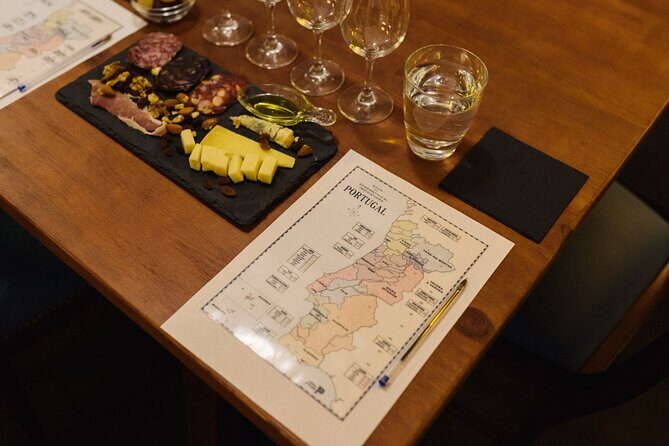
- What You’ll Taste: Portuguese Wine Plus Cheese and Charcuterie
- Learning Portuguese Wine Culture Through Lisbon’s Past
- Tasting Techniques You Can Use Right After
- Pairing Advice for Lisbon Meals (Not Just for the Tour)
- Price and Value: Is $72.99 Worth It?
- Who Should Book This (And Who Should Think Twice)
- Practical Tips Before You Go
- Should You Book This Lisbon Wine Tasting?
- FAQ
- How long is the wine tasting in Lisbon?
- Where is the meeting point?
- How many people are in the group?
- Is there a choice between morning and afternoon?
- Do I get a mobile ticket?
- What food is included with the wine tasting?
- Is it near public transportation?
- Can I get a full refund if I cancel?
Key highlights you’ll care about
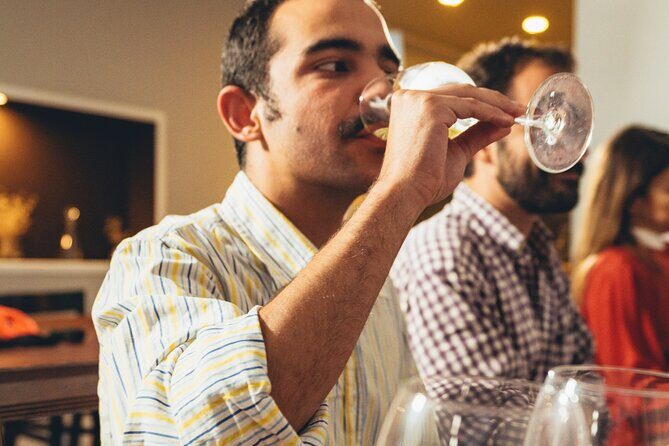
- Small group size (max 8 other travelers) for personalized recommendations during the tasting.
- Central meeting point on Rua das Portas de Santo Antão, about a minute from Rossio and Restauradores.
- Portuguese wine + cheese and charcuterie, so you taste with food (not just water and hope).
- João Vasconcellos’ culture-led approach, connecting wine to Portuguese history and daily life.
- Morning or afternoon start time, so you can match it to your Lisbon schedule.
- A purpose-designed room, built for tasting and learning in a comfortable setting.
A Two-Hour Portuguese Wine Fix in Central Lisbon
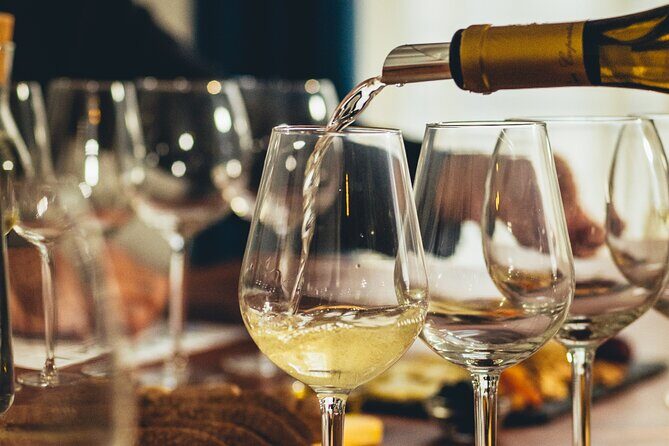
If your Lisbon plan is tight, this kind of experience is a smart fit. You’re not spending your limited time on transit to some distant estate. Instead, you get a structured tasting experience right in the city, designed to move at a comfortable pace over about two hours.
At the heart of it is the format: a tasting session plus guided context about wine and culture. You’ll hear how wine-making and Portuguese wine traditions connect to Portuguese history, not just how to pronounce varietals correctly. And because the group is capped at 8 other people, the guide can adjust as the room’s vibe changes—if you’re a total beginner, you’ll get friendly explanations, and if you already know what you like, you’ll get pointed recommendations.
This is also a good time-length sweet spot. Two hours is long enough to learn tasting basics and try several pours, but short enough that you’ll still have energy (and appetite) for the rest of your day.
You can also read our reviews of more food & drink experiences in Lisbon


Where You Meet on Rua das Portas de Santo Antão (Near Rossio)
The meeting point is Rua das Portas de Santo Antão 76, 1100-100 Lisboa. It’s right by major pedestrian areas—about a minute from Rossio and Restauradores—so you can build it into almost any walking itinerary.
Because the location is very specific, your best move is simple: load the address into your phone map app and arrive a bit early. Rua das Portas de Santo Antão sits in an area full of older streets and iconic buildings, so it’s easy to be “in the neighborhood” without being at the exact door. This matters more here than on tours that meet at a giant landmark.
Once you finish, the experience ends back at the same meeting point. That’s convenient. You don’t need to guess how to get home from the middle of nowhere—Lisbon stays Lisbon.
Inside the Purpose-Built Tasting Room With João Vasconcellos
The tasting happens in a room specially designed for the purpose. That detail may sound small, but it affects how smoothly the whole experience works. You’re not trying to learn wine techniques in a random corner of a café. You’re in a space meant for attention, serving, and instruction.
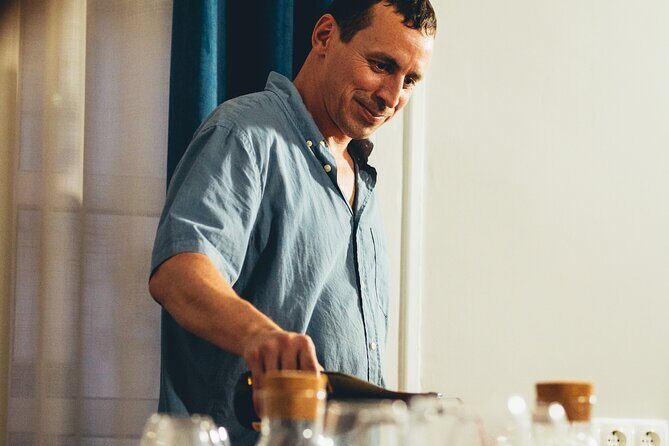
The guide leading this is João Vasconcellos. In the best versions of this style of tour, the guide doesn’t just talk at you. They react to what you taste and what you ask. That’s the main value of a small group. You can clarify terms, compare preferences, and get direction on what to try next rather than waiting for the group lecture to end.
You can also choose a start time in either the morning or afternoon. If you’re the type who likes to front-load plans, a morning start pairs well with a later lunch. If you prefer a slower day, the afternoon start makes the tasting feel like a mid-trip “reset.”
What You’ll Taste: Portuguese Wine Plus Cheese and Charcuterie
You won’t just be drinking plain pours. The setup includes local cheese and charcuterie along with the tasting. That matters because Portuguese wine often makes more sense once it’s paired with salty, fatty, and savory bites. Food changes how you perceive acidity, tannins, and flavor weight.
The experience is built for learning how to taste, not just what to taste. So you’ll work through wine-making and tasting fundamentals, plus how to pair with different meals. In other words, you’ll leave with a method, not only a memory of what was served.
One real note from feedback: the wines are positioned more toward appreciation and a solid overview than a fine-wine-only tasting. If you’re expecting a high-end flight of top-tier bottles, your experience may feel more educational than fancy. But if you want a practical introduction to Portuguese regions and flavor styles—especially wines that aren’t always the first things on a menu—this format can be exactly what you need.
Learning Portuguese Wine Culture Through Lisbon’s Past
This tour isn’t just about wine as a beverage. You’ll get an explanation of how wine shaped Portugal’s history and culture. The guide connects the dots between Portugal’s past and the way wine shows up in everyday life—how it’s made, how it’s shared, and why it matters.
And because the meeting area is in a part of Lisbon with layers of historic architecture, the setting supports the story. You’re in a neighborhood that feels like Lisbon’s older self, not a newly built entertainment zone. That adds a sense of place to the lesson. You’re tasting Portuguese culture along with Portuguese wine.
For a lot of people, this is the main reason to book. When you understand the background, wine shopping and ordering stop being guesswork. You start recognizing why a wine might be structured the way it is, what it’s trying to do on the palate, and what kinds of food it matches.
You can also read our reviews of more wine tours in Lisbon






Tasting Techniques You Can Use Right After
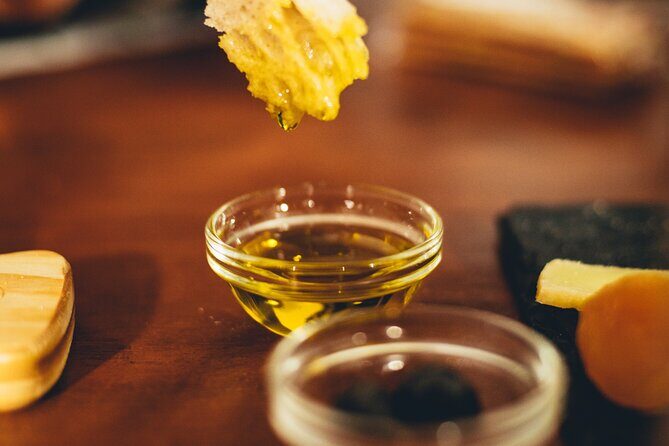
A good tasting teaches you how to taste, not just what to taste. Here, you’ll learn tasting techniques and practical guidance on how to assess wine as you go. That can include how to think about aroma, how to notice acidity and tannins, and how to describe what you’re experiencing in plain language.
You’ll also learn about the magic of wine-making—wording matters here because it keeps the lesson accessible. Wine can feel intimidating. This kind of tour helps translate the science and craft into something you can actually apply on your own.
After the session, the guide offers personalized recommendations on which wines to drink. That’s the practical payoff. You don’t just know what you tried; you know what to look for later when you’re choosing bottles at a wine bar or ordering a glass with dinner.
Pairing Advice for Lisbon Meals (Not Just for the Tour)
The pairing element is more than a nice add-on. It’s how you learn to connect flavor patterns: salty meets structure, acidity cuts through richness, and tannins behave differently with various foods. With cheese and charcuterie in the mix, you get a real test of what the wine is doing.
You’ll also learn how to pair with different meals. That’s useful because Lisbon menus can be seafood-heavy, meat-friendly, and full of sauces and grilled dishes. If you know how a wine responds to food, you’re less likely to end up with a glass that fights your plate.
A simple way to use what you learn: when you’re staring at a wine list later, look for cues in the wine description and match it to your meal style. If your dish is rich and savory, you’ll have a better sense of what tends to work. If it’s lighter, you’ll know which flavors to prioritize.
Price and Value: Is $72.99 Worth It?
At $72.99 per person for about two hours, the value depends on what you want out of Lisbon. If you’re hoping for a long, high-volume “party tasting,” this isn’t that. If you want a structured session in a central location with guided education and food included, it can feel like a good trade.
What you’re paying for, in plain terms:
- Central Lisbon access without travel time
- A small group size that supports real recommendations
- Instruction on wine culture and tasting technique
- Cheese and charcuterie included with the tasting
- Personalized guidance from João Vasconcellos
Also, this sort of experience books ahead. On average, people reserve about 26 days in advance. That suggests it’s not the kind of thing you should casually plan on at the last minute—especially if you’re aiming for a specific morning or afternoon slot.
Who Should Book This (And Who Should Think Twice)
This works best if you’re:
- New to Portuguese wine and want a clear overview without the overwhelm
- Short on time in Lisbon but still want something meaningful
- Hoping for personalized recommendations in a small group
- Interested in how wine connects to Portuguese culture and history
It may be less ideal if you:
- Only want high-end fine-wine tasting in every pour
- Expect a huge variety of bottles spanning every possible region style
- Prefer a no-structure, sit-and-sip approach with zero instruction
Still, even for people with some wine knowledge, the techniques and pairing guidance can be useful. You don’t have to be a beginner to enjoy tasting skill-building, and the small group format makes questions easier.
Practical Tips Before You Go
Here are a few things that will help you get the best experience out of it.
First, arrive a few minutes early at Rua das Portas de Santo Antão 76. The area has many entrances and nearby streets, so get your bearings before the start time.
Second, pick your start time based on your energy. A morning tasting pairs well with an active day. An afternoon start can feel like a calm “reset” before dinner, especially because the session includes food.
Third, come with at least one clue about your preferences. If you like crisp whites more than fuller reds, or you prefer dry styles over sweeter ones, share that with the guide. In a group of eight, that kind of detail can steer what you’re recommended.
Finally, keep expectations realistic about the wine level. This is an appreciation-focused session with a solid educational purpose. If you want to be wowed by only top-shelf bottles, you may want a different kind of tasting.
Should You Book This Lisbon Wine Tasting?
If you want an efficient, city-based introduction to Portuguese wine that also teaches you how to taste and pair, I’d say yes—especially because the group is capped at 8 other people and the guide is João Vasconcellos. The combination of wine, cheese and charcuterie, and culture context makes it more than a quick snack-and-sip stop.
I’d hesitate only if you’re chasing fine-wine luxury in every glass. Feedback points to a more approachable range of wines and a focus on appreciation and learning rather than a high-end-only flight. If that sounds like your goal—this is a strong match.
FAQ
How long is the wine tasting in Lisbon?
The experience runs for about 2 hours.
Where is the meeting point?
You meet at R. das Portas de Santo Antão 76, 1100-100 Lisboa, Portugal, and the tour ends back at the meeting point.
How many people are in the group?
The maximum group size is 8 travelers (so it stays small).
Is there a choice between morning and afternoon?
Yes, you can choose a morning or afternoon start time.
Do I get a mobile ticket?
Yes, it’s a mobile ticket.
What food is included with the wine tasting?
You’ll have local cheese and charcuterie during the tasting.
Is it near public transportation?
Yes, it’s near public transportation.
Can I get a full refund if I cancel?
You can cancel for a full refund if you cancel up to 24 hours in advance of the experience start time.