REVIEW · LISBON
Lisbon Sunset Sailing Tour with White or Rosé Wine and Snacks
Book on Viator →Operated by BYX - Best Yacht Xperience · Bookable on Viator
Sunset on the Tagus feels like Portugal at full volume.
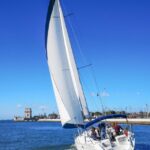
This 2-hour sailing leaves early (about two hours before sunset) so you get wider views than most land-first tours, plus a small-group feel with narration as you pass major landmarks. Think Ponte 25 de Abril, Cristo Rei across the river, and the Belém waterfront—seen from the water instead of between tour groups. The crew has a way of turning sights into story; in one sailing run, guides like Vasco and Fernando helped set the scene.
I love two things most: the intimate size (max 10 people) and the chance to slow down with wine and Portuguese-style bites while you take photos. A lot of people also mention how the hosts chatted, answered questions, and shared personal tips for the rest of your Lisbon days—exactly the kind of relaxed end-of-trip activity that keeps momentum without exhausting you.
One thing to consider: the boat is small (and some departures have been described as older and more limited in comfort), and there’s no bathroom on this 2-hour outing. If you’re picky about the exact wine (the tour is advertised as white or rosé, but green wine has shown up on some sails) or you’re sensitive to cold/wind at sunset, plan carefully.
In This Review
- Key things to know before you go
- Tagus sunset sails that actually feel personal
- Meeting point, timing, and what to expect on a small sailboat
- Ponte 25 de Abril: the bridge you pass in slow motion
- Cristo Rei across the river: Belém’s rival for best views
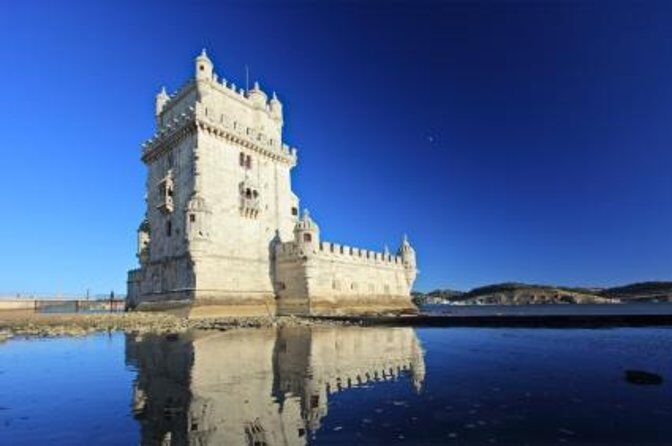
- Torre de Belém and the Discoveries monument: Lisbon by the waterline
- MAAT’s art-meets-industry look along the Tejo
- A royal palace and an art museum garden view
- Wine, snacks, and food reality on board
- Staying warm, dry, and photo-ready during sunset
- Is it fun or educational? My take on the balance
- Price and value: what you’re paying for
- Should you book this Lisbon sunset sailing tour?
- FAQ
- What is the duration of the Lisbon sunset sailing tour?
- How much does the tour cost?
- When does the tour depart?
- What group size should I expect?
- Is the tour offered in English?
- What’s included with the ticket?
- Are snacks included?
- Do they provide white wine or rosé specifically?
- Is there a bathroom on board?
- Is it canceled for bad weather?
Key things to know before you go
- A max group of 10 means you’re more likely to actually hear the guide and take photos without shoulder-checking.
- Early departure before sunset gives you better angles on Lisbon’s riverfront sights than a late start.
- Belém + landmarks across the Tagus in one smooth loop (25 de Abril, Cristo Rei, Torre de Belém, and more).
- Wine and snacks are part of the vibe, often including vinho verde, cheese, and charcuterie, with occasional dietary accommodations.
- Weather matters: even when the day is warm, it can get chilly on the water fast.
Tagus sunset sails that actually feel personal
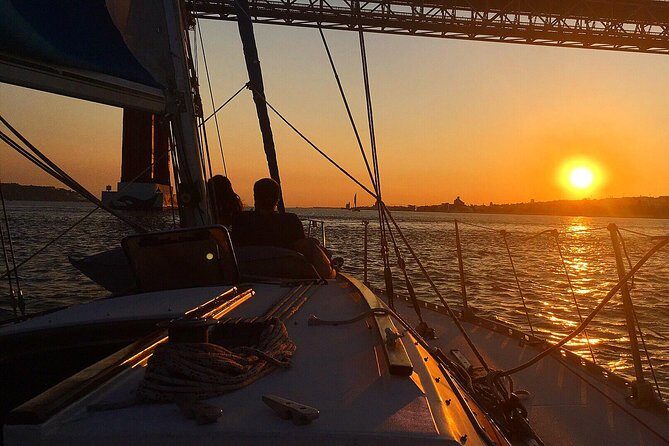
Lisbon sunset is famous, but most classic viewing spots can feel like a moving crowd. This sailing flips the script: you’re out on the water with a small group, so your “front row” is the river itself. The timing helps too. You don’t wait until the sky is already burning orange—you leave early enough to see the riverfront landmarks in daylight, then watch the light shift slowly as the sun drops.
That’s why this works so well as a trip “breather.” After walking hills, waiting for trams, and doing the museum shuffle, you want something that slows time down. This tour does that without pretending you’re on a romantic fantasy cruise with unlimited luxury. It’s a practical, friendly ride with commentary and a real sense of shared attention.
The best part is the human factor. A lot of the praise centers on the crew and guides—people name-drop hosts like Vasco and Fernando, Miguel and Alfonso, and Manuel. In other words: you’re not stuck with a generic script. You’re on a boat where someone can explain what you’re seeing and keep the mood light.
You can also read our reviews of more boat tours in Lisbon

Meeting point, timing, and what to expect on a small sailboat
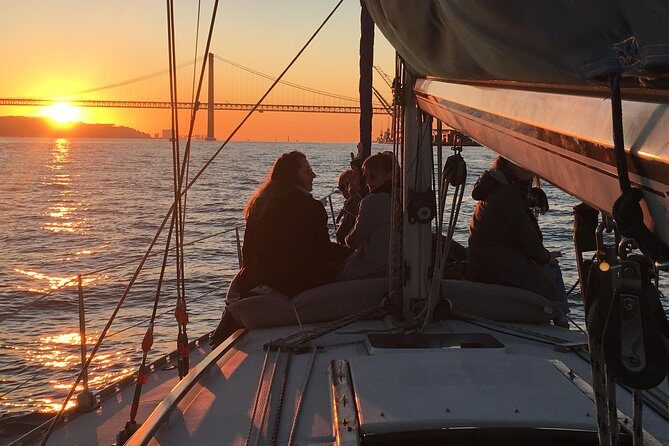
You’ll meet at Izanagi (Doca de Santo Amaro), Armazém 0, near Santo Amaro Dock in Lisbon. The tour is about 2 hours, starting at 3:30 pm, and you return to the same meeting point.
On board, expect a setup geared toward the sailing experience more than long lounging. Some people loved sitting near the captain and soaking up the conversation; others noted there aren’t many soft seats and that most of the experience happens on the deck. One detail that really matters: there’s no bathroom on this short cruise. For a 2-hour outing, that’s usually manageable, but it’s still a “know before you go” item.
Boat size comes up in the feedback. A few folks described the boat as around 30 feet and older/smaller than what they expected for the passenger count. That doesn’t automatically mean uncomfortable, but it does mean you should plan for a tighter feel than a large motor yacht.
Weather is the other big variable. Even when the land is warm, wind over open water can chill you quickly after sunset. One helpful theme from the reviews: bring layers. People also suggested raincoats since some sails start in rain and then clear up—on one cruise, the sky turned into a proper sunset show after the weather improved. Blankets are sometimes provided, but a couple reviews mention the blankets didn’t smell great, so I’d still treat layers as your main plan.
Ponte 25 de Abril: the bridge you pass in slow motion
One of the first major landmarks on the route is Ponte 25 de Abril, the suspension bridge connecting Lisbon to the Almada side. It was built in 1966 by the American Bridge Company and was originally called Ponte Salazar. In 1974, it got renamed to honor the Carnation Revolution—a reminder that Portuguese history is often written into very physical things: bridges, streets, monuments.
Seeing it from the Tagus is a lot more memorable than seeing it from a far viewpoint. From the water, the bridge doesn’t just sit in the background—it changes scale as you approach and pass. You also get that “river in-between” feeling, which is the whole point of doing this as a sailing tour rather than another photo stop.
Practical tip: if you want the cleanest bridge photos, time it so you’re ready before the boat lines up for the best angle. The early timing (leaving about two hours before sunset) helps here, because you’ll still have good light while you’re passing the structure.
Cristo Rei across the river: Belém’s rival for best views
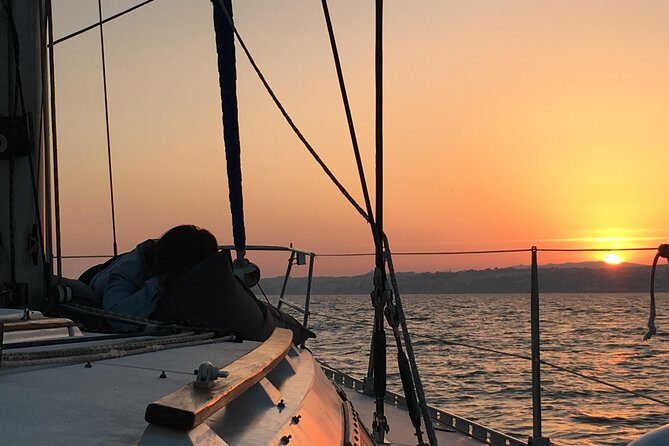
Across the Tagus in Almada stands Cristo Rei, the Christ the King monument and shrine overlooking Lisbon. It’s tall—about 110 meters—and it was erected in 1959, inspired by the famous Christ the Redeemer statue in Rio.
From the sailing route, Cristo Rei matters because it gives you depth. You’re not just seeing “Lisbon, flat on a postcard.” You’re seeing Lisbon layered: the river foreground, the monument across the way, and the city’s silhouette behind it. It’s also a nice contrast to the older riverfront sights you’ll see later, because this monument is mid-20th-century and looks more modern next to centuries-old architecture.
If you’re the type who likes to connect dots, ask the guide to explain what you’re seeing as the boat approaches. On past sailings, hosts shared story context and answered questions in a relaxed way—less lecture, more conversation.
Torre de Belém and the Discoveries monument: Lisbon by the waterline
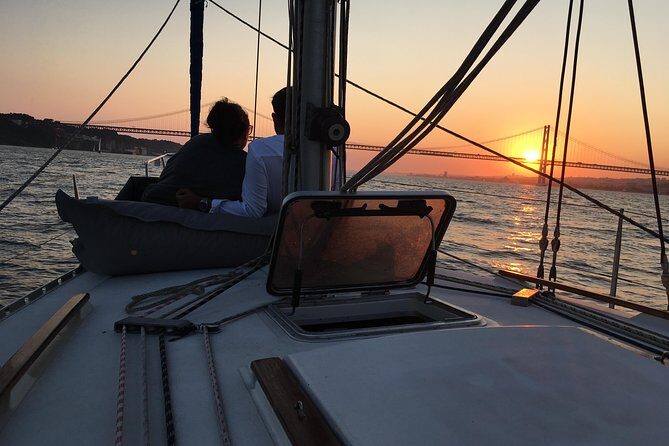
Belém is where Lisbon’s “then and now” collide at the water’s edge. Here you pass Torre de Belém, an iconic symbol of the city. Originally conceived as a lighthouse, it evolved into a defensive fortress under King Manuel I.
Next comes the Padrão dos Descobrimentos, a massive limestone monument shaped like a frozen caravel. It was inaugurated in 1960 on the 500th anniversary of Henry the Navigator’s death. It’s about 56 meters high, and at the front you’ll find Henry the Navigator, with other famed explorers behind him—Vasco da Gama, Diogo Cão, Fernão de Magalhães (Ferdinand Magellan), and others.
Why this part is so effective on a sail: you get the riverfront geometry. Towers, forts, and monuments were built with water access in mind, so viewing them from the Tagus makes sense. You’re not fighting angles. You’re matching the original setting.
One note on expectations: some people felt the trip is more about sailing and enjoying the moment than delivering a full formal tour-style lecture. If you want history packaged like a classroom, you might find the narration light. If you want context as you go—plus a great photo window—this route fits nicely.
You can also read our reviews of more wine tours in Lisbon





MAAT’s art-meets-industry look along the Tejo
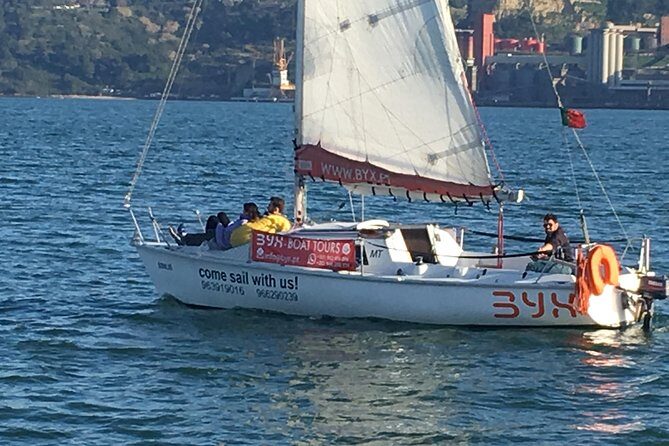
As you continue west along the Tagus, you pass MAAT, Lisbon’s cultural project focused on Art, Architecture, and Technology. The building sits on the river near the Tejo Power Station, connecting new architecture to industrial heritage from the early 20th century.
MAAT works well in a sunset sail because it looks different depending on the light. At golden hour, the contrast between modern lines and river reflections adds a “modern Lisbon” angle to balance the older Belém sites you’ve already seen.
If you’re the kind of traveler who likes museums but hates rushed museum marathons, this stop is your taste test. You’re seeing the setting and the visual concept from the water—enough to decide whether you want to come back later for the full experience on land.
A royal palace and an art museum garden view
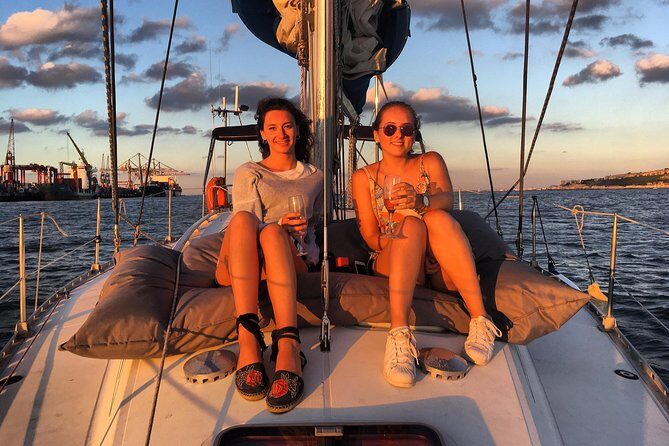
Two more stops round out the route with a different flavor: royal rooms and museum collections with global connections.
First is a neo-classical palace built in the first half of the 19th century. It became the residence for the Portuguese royal family when D. Luís I became king and married D. Maria Pia of Savoy. You’re told it later reopened as a museum after the early 20th-century political shift, and today it hosts major presidential ceremonies.
Then you pass a 17th-century palace complex built on the site of a 16th-century Carmelite convent. What remains includes a Baroque chapel, plus a museum known for its garden overlooking the Tagus. The collection highlights Portugal’s connections with overseas peoples, including decorative arts from Africa, India, and China—and even Namban art items such as Japanese screens and lacquerware.
What you should take from this segment is not just the building names; it’s the perspective. From the river, you get the way Lisbon’s power centers—royal, religious, and artistic—face toward the water. It’s a good reminder that the Tagus wasn’t just scenery. It was a working route, a stage, and a link to the wider world.
Wine, snacks, and food reality on board
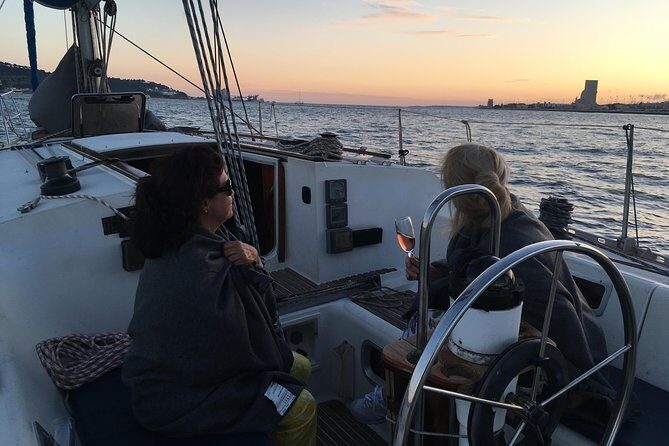
The tour advertises wine as white or rosé, and snacks are included as part of the experience. In practice, what you receive can vary. Some reviews mention wine pours staying steady and describe the wine as vino verde, with cheese/charcuterie boards. One review also notes a special board made for a vegan diet—so yes, there can be thoughtful adjustments.
But I wouldn’t bet your night on a perfect match to every advertised detail. A couple reviews specifically say the promised white/rosé options weren’t available and that only green wine was served. Another theme: if you don’t drink wine, you might find options more limited than you’d hope, since the tour tone is built around wine plus music plus sailing.
Snack expectations are also worth calibrating. Several people described cheese, crackers, and charcuterie boards; one review called the snack portion very small. For most people, the food is an accompaniment—not a full meal. Plan to eat before you board unless you know you’re comfortable treating this as an aperitif-style sailing.
Practical approach: if you have dietary needs, say it when booking and follow up. Reviews include both positive accommodation (vegan board) and instances where dietary information didn’t get handled well. So: communicate early, then double-check.
Staying warm, dry, and photo-ready during sunset
Your big comfort challenge happens right at the moment you want to enjoy sunset the most. As soon as the sun slips behind Lisbon’s horizon, temperatures and wind can drop fast. Even when the day starts warm, people recommended bringing a sweater or windbreaker.
Rain is another factor. One sailing started in rain with low visibility, then cleared up and produced a beautiful sunset. That’s a reminder to check the forecast day-of and bring weather protection. A few people specifically suggested raincoats.
Also, expect deck time. If you get cold easily, dress for the wind, not for the sidewalk. And if you’re sensitive to motion, remember this is a sailboat. One review mentioned abrupt pitching that sent food overboard at least once—so keep your phone and glasses secured and don’t place valuables where they can slide.
Is it fun or educational? My take on the balance
This cruise nails the “fun first” side of Lisbon by water. The pace is relaxed, the group size is small, and the crew narration helps you connect landmarks to what’s going on in the city.
What it is not: a deep, formal, step-by-step walking tour. Some people wanted more explanation of what they were seeing. Others loved the mix of light history and casual storytelling. If you want a strict museum-like tour, you might feel it’s too relaxed.
Where it shines is as a travel rhythm reset. Do it when you’re ready to stop sprinting across neighborhoods. Many people described it as a great end to a trip, including honeymoon and solo travelers who valued the friendly conversation and the chance to get ideas for future stops.
Price and value: what you’re paying for
At about $50.91 per person for roughly 2 hours, you’re paying for three things:
- prime timing around sunset,
- access to major waterfront landmarks without navigating between them,
- and the small-group atmosphere plus wine/snacks.
It’s not a bargain compared to walking-free viewpoints. But it’s also not overpriced for the experience quality people report: intimate group size, attentive hosts, and a setting that’s hard to replicate on your own unless you already know the boat options.
If you score high on these priorities—sunset, sailing, photo time, and friendly commentary—this is a strong value. If your top priority is a heavy schedule of museum facts or a big-ship comfort level, you may want to shop around.
Should you book this Lisbon sunset sailing tour?
Book it if you want a small-group sunset with real river views and crew-led stories while you relax. It’s especially good if you’re planning to end your Lisbon days with something calmer and scenic.
Skip or approach with caution if:
- you need a guaranteed bathroom onboard (there isn’t one),
- you’re very strict about the exact wine selection (promises don’t always match the pour),
- you hate cold wind after sunset (dress for it),
- or you’re expecting a detailed, lecture-style tour.
If you’re flexible, this kind of evening is one of the most memorable ways to understand Lisbon’s geography: the Tagus isn’t just a river here—it’s the stage.
FAQ
What is the duration of the Lisbon sunset sailing tour?
It runs for about 2 hours.
How much does the tour cost?
The price listed is $50.91 per person.
When does the tour depart?
The start time is 3:30 pm, and it’s timed so you’re out about two hours before sunset.
What group size should I expect?
The tour has a maximum of 10 travelers.
Is the tour offered in English?
Yes, it’s offered in English.
What’s included with the ticket?
Inclusions include beverages, the sightseeing river cruise, insurance, and a certified crew.
Are snacks included?
Yes, snacks are included as part of the onboard experience (often cheese/charcuterie-style boards).
Do they provide white wine or rosé specifically?
The tour is advertised as offering white or rosé, but some departures have reported that only green wine was available, so it may vary.
Is there a bathroom on board?
No bathroom is available on this 2-hour cruise.
Is it canceled for bad weather?
Yes. The experience requires good weather, and if it’s canceled due to poor weather, you’ll be offered a different date or a full refund.