REVIEW · LISBON
Secret Lisbon Walking Tour
Book on GetYourGuide →Operated by Lisbon Lives Walking Tours · Bookable on GetYourGuide
Lisbon has a second set of doors. This 2.5-hour walk trades postcard stops for the stuff classic tours skip, including the Nossa Senhora da Graça crypt and places tied to secrets, faith, and power. What I like most is how the story keeps moving: a small group of up to 8 means you can actually ask questions and get straight, structured answers. One thing to think about: the route includes cemetery areas and uneven old streets, and it is not suitable for mobility impairments.
I also like the way the tour links different eras without getting lost in facts. You go from medieval monasteries and cemeteries to the Mouraria neighborhood tied to early Fado, then through Lisbon’s World War II shadows, and you finish at Praça do Comércio, the former site of the Royal Palace. The only real caution is that your entry choice depends on the option you book: Independence Palace or Doll’s Hospital.
In This Review
- Key highlights you’ll feel right away
- A 2.5-hour route built like a story, not a checklist
- Nossa Senhora da Graca and the “how did they find that?” crypt moment
- What to watch for
- Walking over graves near the monastery (and why it matters)
- A practical note
- Freemasons, street art, and the Lisbon of secret clubs
- Mouraria: the spot connected to the start of Fado
- A second medieval cemetery and the city’s oldest well
- Why I think you’ll like this part
- Doll’s Hospital and a secret door you can almost feel
- Entrance option: Independence Palace OR Doll’s Hospital
- Roman hippodrome, a medieval hospital, and Lisbon’s layers
- Independence Palace’s secret garden: a calm break in the middle
- Largo dos Domingos I and the 1506 massacre story
- If you’re sensitive to heavy history
- Rossio Square in WWII: spies, refugees, and cafe corners
- Roman-times streets, Lisbon Roaring 20s, and the casino-nightlife angle
- Finishing at Praça do Comércio, the former Royal Palace site
- Guides, group size, and why the small format changes everything
- Value for $41: what you’re really paying for
- Who should book, and who might prefer a different style of tour
- Should you book the Secret Lisbon Walking Tour?
- FAQ
- How long is the Secret Lisbon Walking Tour?
- How much does it cost?
- What is the group size?
- What languages are available?
- Where does the tour end?
- What is included in the tour price?
- Is there a choice between Independence Palace and Doll’s Hospital?
- Is the tour suitable for families?
- Can people with mobility impairments join?
- What’s the cancellation and payment policy?
Key highlights you’ll feel right away
- Nossa Senhora da Graça secret crypt and a jaw-dropping 2017 discovery story
- Freemason hangout plus street art stops that keep it visual
- Mouraria and the start of Fado about 200 years ago
- Old cemeteries and walking over graves near the monastery areas
- Hidden-site buildings like Doll’s Hospital with a secret door
- Secret garden at Independence Palace plus the Moorish-style palace finish
A 2.5-hour route built like a story, not a checklist
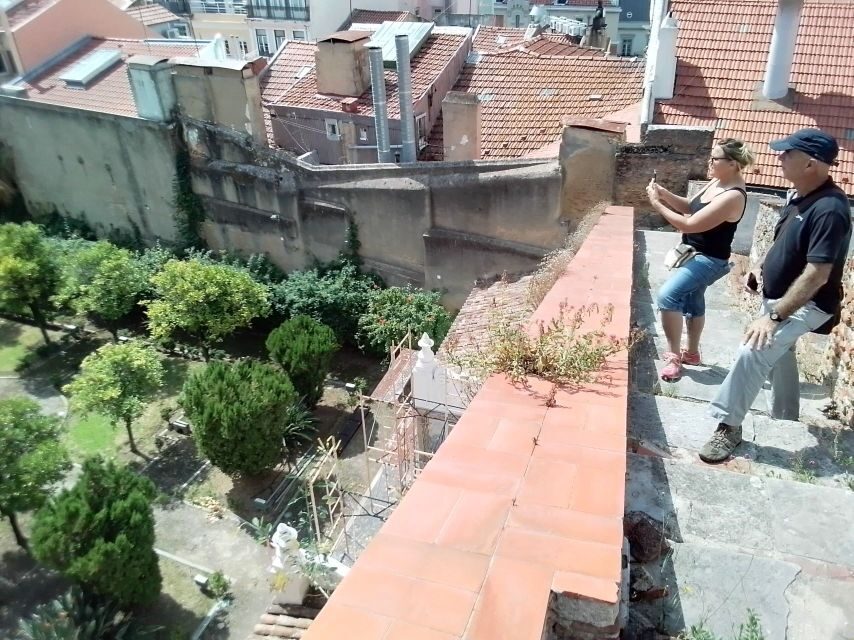
This tour works because it’s paced like a narrative. You start with a short frame of Lisbon’s background, then the guide takes you block by block into corners where you’d normally walk past without a second look. The small group size (max 8) matters here. It keeps the energy focused and makes it easier to follow the twists—spies, freemasons, wartime refugees, and royal-era Lisbon all show up in the same afternoon.
It’s also a smart length. Two and a half hours is long enough to cover several very different neighborhoods, but short enough that you can still do something else after—like a slow meal at your own pace near Praça do Comércio.
You can also read our reviews of more walking tours in Lisbon


Nossa Senhora da Graca and the “how did they find that?” crypt moment
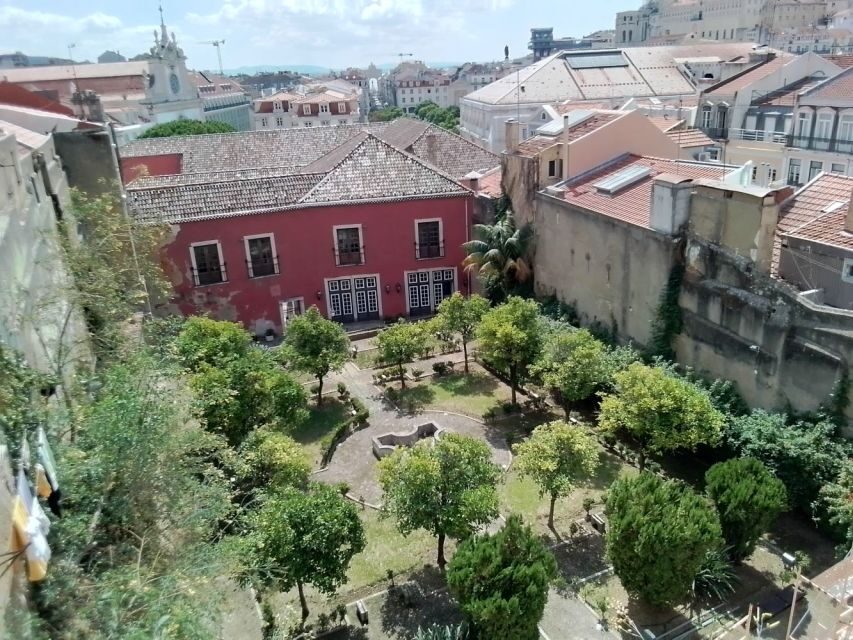
The tour begins around the medieval monastery of Nossa Senhora da Graca, and the key hook is the secret crypt. You get the medieval setting first, then you’re guided to what makes the crypt story feel modern: a jaw-dropping discovery in 2017.
Why this stop is so effective: it turns “old building” into a living mystery. Lisbon has plenty of churches and viewpoints, but here you’re learning how layers of faith, community, and hidden space can sit side by side. It also sets up the tour’s theme—secrets aren’t always in faraway places. Sometimes they’re right under your feet.
What to watch for
Expect quiet tension near memorial-like spaces, and you should be ready for the tour’s darker side. The highlight description includes walking over bones, which in practical terms means you’ll be moving through areas connected to graves.
Walking over graves near the monastery (and why it matters)
After the crypt, the route moves across graves hidden near the monastery area. This is not sightseeing-by-photos. It’s more like learning how Lisbon remembers people who are no longer visible.
If you’re the type who likes history with atmosphere, this section is one of the reasons the tour earns high marks. It’s also where the guide’s structure really matters: good storytelling keeps the moment respectful, while still making it memorable.
A practical note
Wear shoes you trust. Old Lisbon streets can be uneven, and this tour includes cemetery-side walking, not just flat sidewalks.




Freemasons, street art, and the Lisbon of secret clubs
Next comes an old freemason hangout. The tour doesn’t treat freemasonry like a spooky rumor. You get it as part of the city’s social and political background, tied to how people organized, discussed ideas, and protected influence.
Then you’ll pass by striking street art. It’s a clever contrast: the guide is moving you between hidden rooms and public walls, and that makes Lisbon feel like a city where the past and present both talk back to each other.
This is also a good moment to ask questions. The tour format is designed for interaction, and if you’re traveling solo or with friends who like explanations, this is where you’ll get value beyond the standard script.
Mouraria: the spot connected to the start of Fado
From there you go down to Mouraria, tied to the spot where the city’s great Fado music started about 200 years ago. This stop matters because it links music to place. Fado isn’t just a sound you hear in a restaurant. Here, you’re learning where that mood grew—what streets and neighborhoods shaped the style.
Fado history can get heavy fast, but the way this tour places it inside a walking route helps keep it grounded. You’re not stuck in a lecture hall. You’re moving through the real streets that help explain the story.
A second medieval cemetery and the city’s oldest well
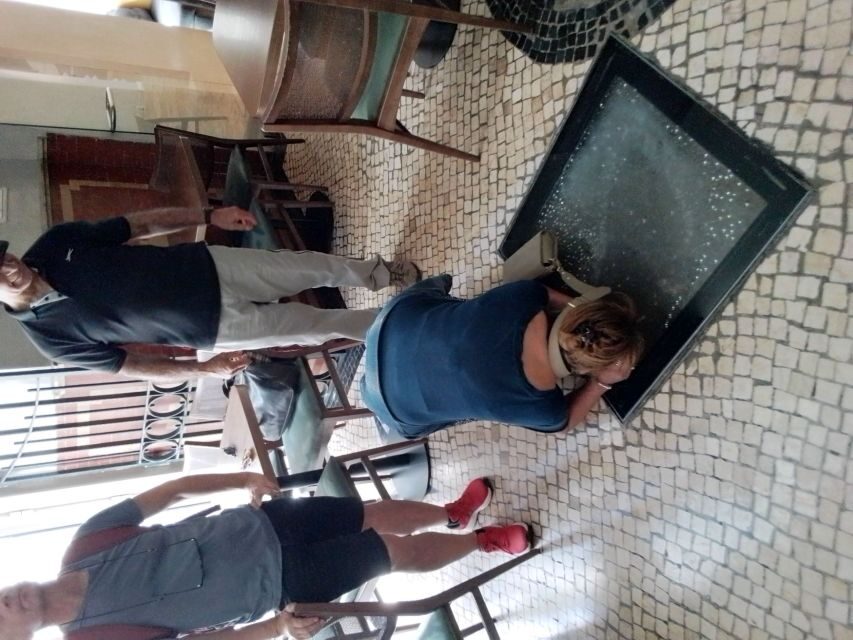
After Mouraria, you visit another medieval cemetery and hear about its inhabitants. Then you reach Lisbon’s oldest well, now tucked away inside a hotel.
This combination is one of the tour’s best “wait, really?” beats. A well hidden inside a hotel sounds almost too modern to fit the theme, but that’s the point: Lisbon repurposes space constantly. Structures survive. Functions change. The city keeps using the past, even when it hides it behind present-day walls.
Why I think you’ll like this part
If you enjoy archaeology vibes without the museum crowds, this section delivers. It also shows why the tour avoids the typical highlights-only approach.
Doll’s Hospital and a secret door you can almost feel
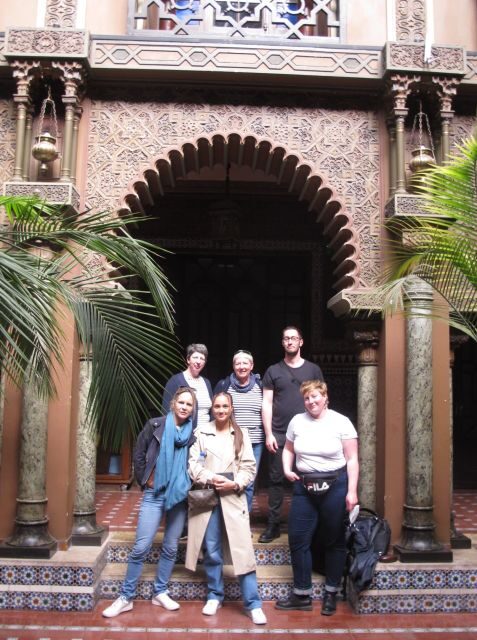
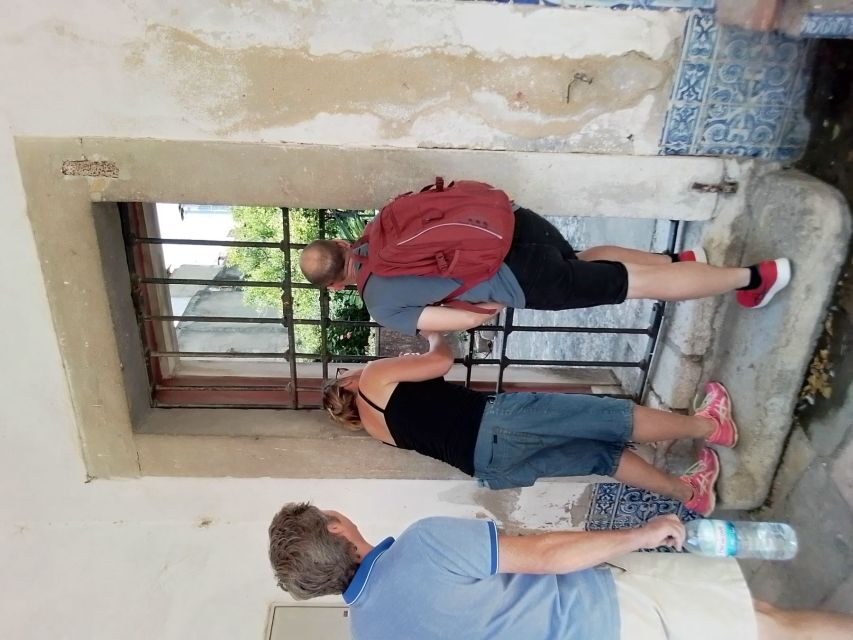
One of the tour options includes Doll’s Hospital (Hospital dos Bonecos). You’ll learn the establishment’s history and see a secret door—the kind of detail that makes your brain go into explorer mode.
This is where the experience earns its “secrets” branding in a very tangible way. It’s not just a story; it’s a physical feature. And because the tour is only 2.5 hours, you don’t waste time wondering when the interesting stuff will start. You’re already there.
Entrance option: Independence Palace OR Doll’s Hospital
Your booking determines whether you get entry to Independence Palace or the Doll’s Hospital. If you love palaces, choose Independence Palace. If you prefer offbeat oddities and hidden mechanisms, choose Doll’s Hospital.
Roman hippodrome, a medieval hospital, and Lisbon’s layers
The itinerary also includes the site of a Roman hippodrome and a medieval hospital. This section works like a city-in-x-ray. One stop explains how ancient Lisbon staged public life. The next shows how medieval institutions served the community.
Even if Roman Lisbon isn’t your focus, this part helps you understand the city’s constant rebuilding. Lisbon isn’t a single-era story. It’s many eras stacked on top of each other, with street patterns and foundations still doing their job.
Independence Palace’s secret garden: a calm break in the middle
If your option includes Independence Palace, you’ll enter and visit a secret garden, a place very few people visit. This stop shifts the mood. After crypts, graves, and wartime stories, you get a quieter space that feels like a reward.
It’s also a good reminder that “secret” doesn’t always mean dramatic. Sometimes it just means protected. That’s what makes secret gardens feel special in cities like Lisbon: you’re seeing the city’s private side.
Largo dos Domingos I and the 1506 massacre story
Outside in Largo dos Domingos I, the guide tells the story of the great massacre of the city’s Jews in 1506. Then the tour visits the burned-out Dominican Church.
This section is heavier, and it’s handled as part of Lisbon’s real historical record. It’s not there for shock value. It gives meaning to the places you see later, especially when the tour moves into wartime themes.
If you’re sensitive to heavy history
Go in knowing it’s part of the experience. It’s still within a fun walking-tour format, but the content becomes serious.
Rossio Square in WWII: spies, refugees, and cafe corners
Passing Rossio Square, you hear stories of spies and Jewish refugees who used the cafes of the square in World War II. This is classic Lisbon at street level: a public square where private fears played out.
This stop works because Rossio isn’t only a landmark. It’s the city’s stage—where ordinary people tried to keep living even when danger was around the corner. If you like history that’s human-scale, you’ll probably latch onto this part.
Roman-times streets, Lisbon Roaring 20s, and the casino-nightlife angle
As you walk down one of Lisbon’s oldest streets—going back to Roman times—you hear about the casinos and nightclubs where Lisbon’s Roaring 20s happened. It’s a fun turn after the darker wartime material, and it helps balance the tour’s emotional range.
You end up with a Lisbon that isn’t just somber or haunted. It’s also entertaining, social, and hungry for life—often right next to hardship.
Finishing at Praça do Comércio, the former Royal Palace site
You wrap up at Praça do Comércio, the former site of the Royal Palace. Ending here makes sense: it’s open, grand, and easy to orient yourself afterward. You get a visual “release” after a tight loop through narrower streets and hidden spaces.
The final touch is the palace decorated in Moorish style—a fitting close to a tour that constantly crosses cultural boundaries.
Guides, group size, and why the small format changes everything
This tour’s rating is high for a reason: the guide is a big part of the experience. Some groups are led by Peter, and he’s described as very well-informed, structured, and humorous in a British way. He’s also known for being patient if you accidentally reach the wrong meeting point, which is a small detail—but it matters when you’re on foot and navigating a city you don’t know yet.
Small group format also keeps the Q&A flowing. If you like conversation, you’ll feel it. If you prefer quiet listening, you still get a guide who sticks to a clear plan instead of wandering off-topic.
Value for $41: what you’re really paying for
At about $41 per person for a 2.5-hour small-group walk, the value comes from three things:
- You’re not just touring outside. Your booking includes entrance to Independence Palace or Doll’s Hospital (based on the option). That’s real access value, not just storytelling from the sidewalk.
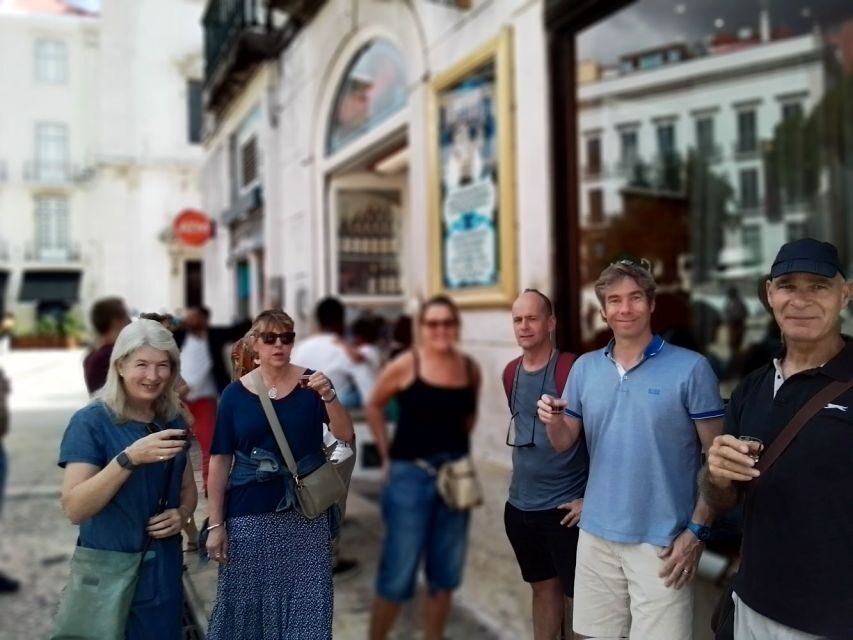
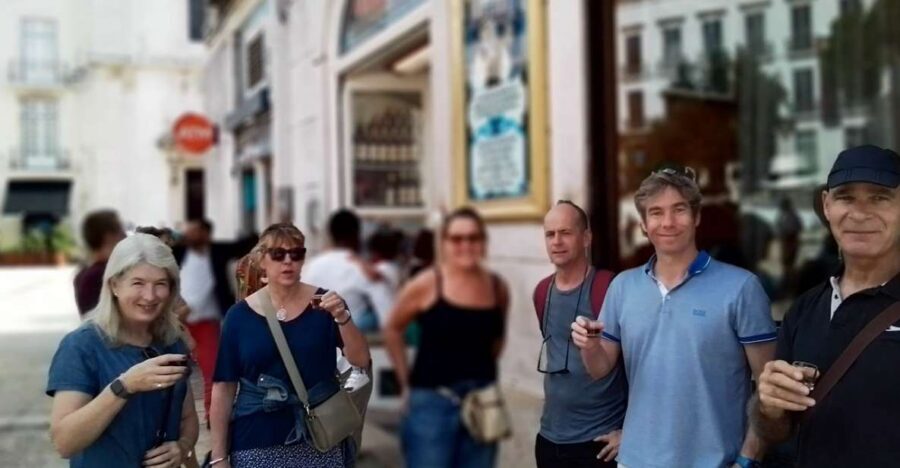
- You get a small food stop included as either Pastel de Nata or Ginginha. It’s a simple bonus that helps you keep moving without hunting for a snack mid-route.
- The pacing is efficient. Two and a half hours is enough to hit multiple neighborhood layers, plus the guide’s context, without turning into a full-day grind.
If you’re comparing against classic “big sights” walks, this one is pricier only in the sense that it includes entrances and heavier story content. But the trade is worth it if you like details and surprise.
Who should book, and who might prefer a different style of tour
This is a great match if you:
- Like story-driven history with spies, freemasons, wartime refugees, and secret spaces
- Want a small group walk with time for questions
- Prefer walking through neighborhoods over seeing a list of monuments
You might reconsider if:
- You need step-free or mobility-friendly routing (the tour isn’t suitable for mobility impairments)
- You don’t want cemetery or grave-related stops
- You prefer fully flexible directions with no set route (this is clearly a structured itinerary)
Should you book the Secret Lisbon Walking Tour?
If your idea of a great Lisbon morning or afternoon includes secret crypts, freemasons, Fado origins in Mouraria, WWII stories around Rossio, and either Independence Palace or Doll’s Hospital, then yes—book it. The combination of small group size, interactive guide energy, and actual entry to special places makes it feel like more than a regular walking tour.
If you’re on the fence, choose the entrance option that matches your curiosity. Independence Palace fits palace lovers and garden seekers. Doll’s Hospital fits people who want strange Lisbon history and that secret door moment. Either way, you’ll finish at Praça do Comércio with Lisbon feeling more layered than when you started.
FAQ
How long is the Secret Lisbon Walking Tour?
The tour lasts 2.5 hours.
How much does it cost?
It costs $41 per person.
What is the group size?
It is a small group limited to 8 participants.
What languages are available?
The live tour guide speaks French and English.
Where does the tour end?
It concludes at Praça do Comércio, the former site of the Royal Palace.
What is included in the tour price?
Entrance to either Independence Palace or Doll’s Hospital is included, plus Pastel de Nata or ginginha.
Is there a choice between Independence Palace and Doll’s Hospital?
Yes. Your option determines whether you get entrance to Independence Palace or to Doll’s Hospital.
Is the tour suitable for families?
It is not suitable for children under 5.
Can people with mobility impairments join?
No, it is not suitable for people with mobility impairments.
What’s the cancellation and payment policy?
You can cancel up to 24 hours in advance for a full refund, and you can reserve now and pay later to keep your plans flexible.