REVIEW · LISBON
Private Tour to Defensive Lines of Torres, Mafra & Ericeira
Book on Viator →Operated by EpiTravels Portugal · Bookable on Viator
Fort walls, big views, and baroque drama.
This private day links Lisbon-area history to real places you can stand on, starting with the Linhas de Torres context and then moving to forts, viewpoints, and signaling sites tied to Wellington. I especially like how you begin with a solid orientation at the Centro de Interpretação, so the names and terrain make sense fast. The private format also helps you avoid the crowd crush and move at your pace.
I also like the guide factor: Frederico is known for fluent English and for turning confusing military ideas into clear, human stories you can follow. One consideration: the Mafra Palace ticket is not included, so you’ll want to budget extra time and money for that stop.
In This Review
- Key highlights worth your attention
- Why the Lines of Torres matter (and why this route works)
- Centro de Interpretação: maps and artifacts first, so you get it faster
- Alqueidao circuit: the fort, the command post, and the view that teaches
- Serra do Socorro telegraph stop: flags, forts, and ships
- Mafra National Palace: baroque scale plus a very old library
- Forte do Zambujal: second defense line and the coastal perspective
- Ericeira wrap-up: old town strolling and surf-country beaches
- How private touring changes the feel of the day
- Price and value: what $228.30 really buys you
- Timing, pacing, and what to wear
- Quick “who this is for” checklist
- Should you book Private Tour to Defensive Lines of Torres, Mafra & Ericeira?
- FAQ
- How long is the tour?
- How much does the tour cost?
- Is this tour private?
- Do I need to pay for tickets during the tour?
- Is pickup available?
- What language is the tour offered in?
- What are the main stops on the route?
- Is the tour suitable for most travelers?
- What happens if weather is poor?
- Can I cancel for a refund?
Key highlights worth your attention

- Centro de Interpretação setup: maps, texts, audios, and artifacts to frame the French Invasions of Portugal.
- Command-post views at Alqueidao: a hill setting with wide countryside sightlines that help you read the terrain.
- Serra do Socorro signaling: a quick stop focused on Wellington’s telegraph method using flags with forts and ships.
- Mafra National Palace scale: a major 18th-century baroque building and one of Europe’s oldest and most beautiful libraries (ticket not included).
- Forte do Zambujal coastal defense: the second defense line, closest to the sea, with short time on-site.
- Ericeira finish: an old town stroll and Portugal surf-country beaches for a relaxed end to a history-heavy day.
Why the Lines of Torres matter (and why this route works)
The defensive lines around Torres Vedras are one of those stories where the geography is the main character. You’re not just reading about history on a screen. You’re standing in the terrain that shaped decisions during the French Invasions of Portugal, with Wellington’s forces using a layered defense approach.
This tour’s structure makes the learning feel natural. You start with context, then you move outward—first the major fort area and command posture, then the telegraph/signaling point, then the baroque grandeur of Mafra, and finally the coastal edge at Zambujal before ending in Ericeira. It’s history that you can connect stop to stop without feeling lost.
And because it’s private, you can ask the extra questions that usually get swallowed in group tours—like how communication worked across distances, or how the countryside itself influenced defense planning.
You can also read our reviews of more private tours in Lisbon



Centro de Interpretação: maps and artifacts first, so you get it faster
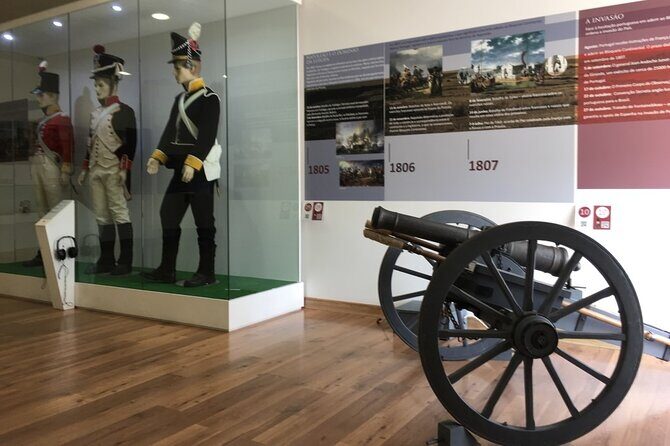
Your first stop sets you up for the rest of the day. At the Centro de Interpretação das Linhas de Torres, you get an overview of the French Invasions of Portugal through maps, text, audio, and an exhibition of artifacts. It’s a smart way to start because it gives you a mental model before you hit the forts.
What I like here is the balance of formats. Some people process information best by reading, others by hearing. The mix of maps and audios helps you build a working picture quickly, which matters on a long day.
Practical note: the visit is about an hour. That’s usually enough time to get oriented without turning the tour into a museum marathon. If you’re the kind of person who loves details, you can linger, but you don’t have to.
Alqueidao circuit: the fort, the command post, and the view that teaches
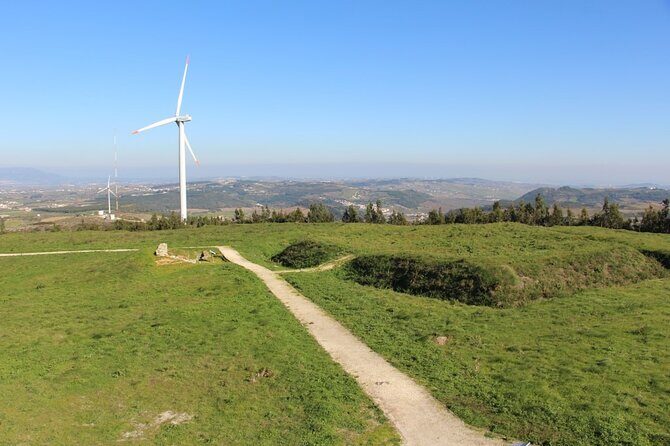
Next comes the Circuito do Alqueidao, with one of the key stops of the whole system: the most important fort from Wellington’s first line of defense, plus the command post positioned on a hill.
This is where the day turns from background into “oh, that makes sense.” Fort sites are interesting anywhere, but hilltop locations add a second layer: you can actually see the countryside that forces and planners would have focused on. Even a short visit can make the idea of layered defense more intuitive because the terrain is right there in front of you.
Time here is tight—around 30 minutes. That can feel short if you’re a slow walker with lots of questions. Still, the stop is free and designed as a quick hit. Use it well: take a moment to look out from the hill, then come back to the interpretive points while it’s fresh.
Serra do Socorro telegraph stop: flags, forts, and ships
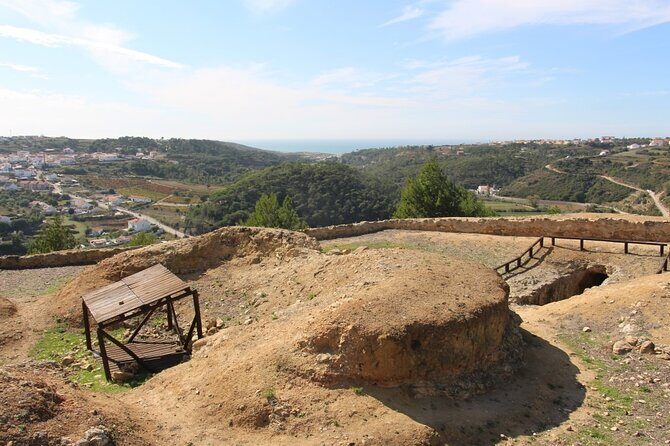
Then you head to Serra do Socorro, where you visit Wellington’s telegraph. This is a compact stop, about 30 minutes, but it’s one of the most fascinating concepts in the lineup: a communication method using flags to relay messages between forts and even out to ships in the ocean.
Why this matters for you: it turns “fortifications” from static stone into an active network. Once you understand communication, the lines stop being just walls in a map. They become a system that had to coordinate in real time.
Keep your expectations realistic here. You’re not waiting for a demonstration or multimedia show. It’s a viewpoint-style stop tied to the idea of signaling. If you like early modern problem-solving—how people overcame distance with simple tools—this will land well.
Mafra National Palace: baroque scale plus a very old library
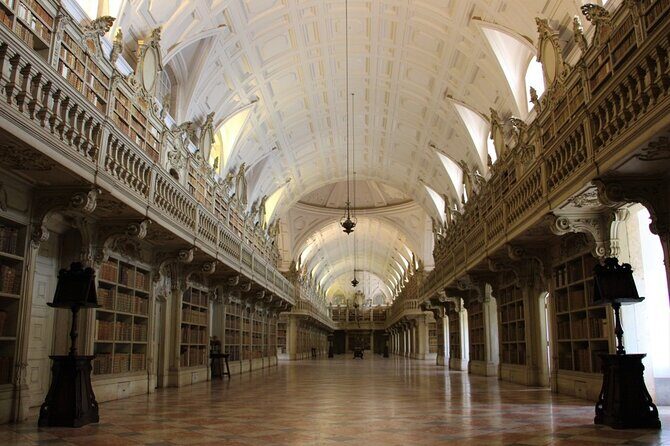
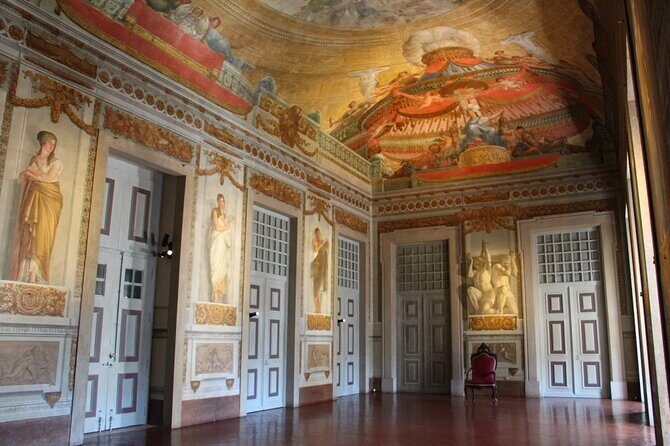
After fort-focused stops, Mafra National Palace is a full reset. You’ll spend about 1 hour 30 minutes here, and the palace is the one part of the day where you should plan for extra cost because admission is not included.
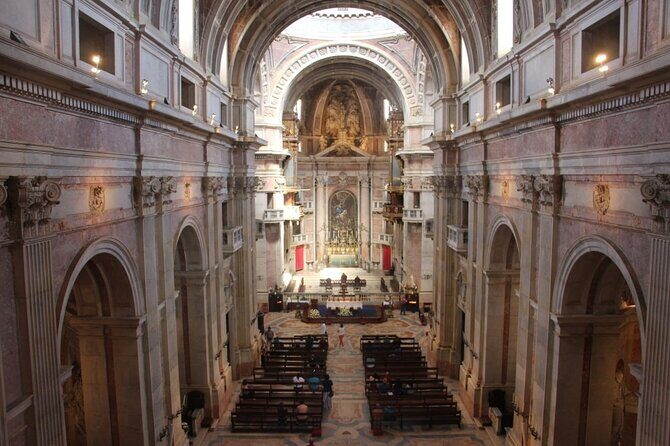
Mafra is known for its impressive 18th-century baroque architecture, and the palace houses one of the oldest and most beautiful libraries in Europe. That library detail is a big deal if you’re a culture and architecture person. It’s also a nice counterpoint to the military theme of the earlier stops. Where the Lines of Torres are about protection and survival, Mafra is about ambition—what a state wants to build when it can.
The main drawback is practical rather than negative: you’ll need to manage the ticket piece and the extra time on-site. If you’re trying to keep the whole day strictly to the free stops, this is the one moment where the “free” rhythm changes.



Forte do Zambujal: second defense line and the coastal perspective
Forte do Zambujal is the stop that brings the sea back into the story. It represents the second defense line and is described as the one closest to the coast. You’ll have about 30 minutes here, and it’s also free.
This short time works because the idea is straightforward: the defense system wasn’t only about what happened inland. It accounted for approaches closer to shore too. Even if you’re not a military history fanatic, seeing how the second line relates to coastal geography helps you connect dots you couldn’t fully grasp at the earlier fort and command areas.
If you enjoy photography, this is a good stop to slow down for a few minutes. Coastal-adjacent viewpoints often give you that “this is why they built here” feeling, especially after the earlier hilltop stop at Alqueidao.
Ericeira wrap-up: old town strolling and surf-country beaches

The final stop, Ericeira, shifts you from defenses to downtime. You get around 1 hour 30 minutes to stroll the picturesque old town and visit beaches, which are considered the surf capital of Portugal.
This is a smart ending. After hours of military context, you want a change of pace, and Ericeira delivers. You’re not required to race from one monument to another. Instead, you can wander, snack, and let the sea air reset your brain.
Practical tip: bring sunscreen and water even if you think it’ll be cool. Portugal sun can sneak up on you, and you’ll likely do more walking than you expect on a day with multiple stops and viewpoints.
How private touring changes the feel of the day
A private tour isn’t just about comfort. It changes how you learn.
On this route, you can tailor the pace to your interests—whether that means spending more time at the interpretation center, slowing down for viewpoint discussions, or adjusting when your body says enough is enough. That flexibility matters on a long 8 to 9 hour day.
Guide quality also matters a lot in this particular itinerary. Frederico’s English is highlighted as excellent, but the bigger value is how he adds context while you’re looking at the terrain. You’re not just collecting facts. You’re building a story in your head as you move between stops.
And because you’re on your own group schedule, you can ask follow-ups like:
- How did flag signaling coordinate between points?
- Why do hilltop command areas change what you can see and control?
- How do the lines relate from inland to coastal defense?
That’s the kind of learning you won’t reliably get at a fast-group pace.
Price and value: what $228.30 really buys you
At $228.30 per person for a private 8 to 9 hour tour, you’re paying for three things that usually cost extra if you try to DIY:
- An air-conditioned vehicle
- Pickup service
- A guide who can tie the sites together with clear context (in English)
Most of the key stops are free admissions based on the time-on-site info: the interpretation center, Alqueidao circuit, Serra do Socorro, and the Zambujal fort. Mafra Palace is the main exception because its ticket is not included.
There’s also a €6.00 per person fee listed under not included. Since the pricing can be confusing on travel platforms, treat this as a heads-up to check your final total at checkout. Either way, the overall value can still be strong because the itinerary stacks multiple major sights into one day without you juggling transport between far-flung locations.
If you’re traveling with someone who also enjoys history and views, the private setup often feels like a bargain compared with paying for separate local guides and tickets.
Timing, pacing, and what to wear
This is an all-day plan. Expect a steady rhythm: interpretation, forts/viewpoints, palace time, then Ericeira. You’ll likely do some walking and standing on uneven terrain at fort sites and hill locations.
Here’s what helps you enjoy it more:
- Wear comfortable shoes with solid grip (fort grounds and viewpoints can be uneven).
- Bring water and a light layer (serra and hill stops can change how the day feels).
- Use sun protection for the outdoor parts, especially around the viewpoints and beaches.
Also, you’ll want to plan for the fact that the itinerary includes multiple short 30-minute stops. You don’t need to sprint—but you should be ready to move through stops efficiently so you’re not rushed when you find a viewpoint you love.
If you’re the type who likes breaks, tell your guide early. A good private guide will adapt the pace without turning the day into a compromise.
Quick “who this is for” checklist
This tour fits best if you want:
- A history day that’s tied to real geography, not just indoor exhibits
- Early modern warfare and the practical mechanics of defense and communication (Wellington, flag telegraph concepts)
- A baroque culture contrast with Mafra National Palace
- A finish with a real town and beach time in Ericeira
If you’re more interested in beaches only, or you want a very minimal walking day, you might find the fort/viewpoint focus heavy. On the other hand, if you like learning as you look—this is a strong match.
Should you book Private Tour to Defensive Lines of Torres, Mafra & Ericeira?
Book it if you want a single private day that connects the Lines of Torres to Wellington’s defensive system, includes Mafra Palace as a major culture stop, and ends in Ericeira so you don’t feel like you spent the whole day staring at stone.
Skip or reconsider if you hate any extra spending for palace admission, or if you’re looking for a purely beach-first outing with minimal history. The day is built around forts and communication points, with Ericeira as the relaxing payoff.
Bottom line: for English-speaking visitors who like meaningful context and a smoother, uncrowded flow, this is a high-value way to see more than one side of Portugal in a single long day.
FAQ
How long is the tour?
It runs about 8 to 9 hours.
How much does the tour cost?
The price is $228.30 per person.
Is this tour private?
Yes. It’s a private tour/activity, and only your group participates.
Do I need to pay for tickets during the tour?
Most stops list admission ticket free, but Mafra National Palace ticket is not included.
Is pickup available?
Yes, pickup is offered, and you can ask for other pickup areas.
What language is the tour offered in?
The tour is offered in English.
What are the main stops on the route?
You visit the Centro de Interpretação das Linhas de Torres, Circuito do Alqueidao, Serra do Socorro, Mafra National Palace, Forte do Zambujal, and Ericeira.
Is the tour suitable for most travelers?
Most travelers can participate.
What happens if weather is poor?
This experience requires good weather. If it’s canceled due to poor weather, you’ll be offered a different date or a full refund.
Can I cancel for a refund?
Yes, you can cancel up to 24 hours in advance of the experience for a full refund.