REVIEW · LISBON
Private Portuguese Home Cooking Class in Lisbon with Defne
Book on Viator →Bookable on Viator
There’s something special about cooking in a real home. This private Portuguese cooking class with Defne is built around hands-on cooking, local stories, and a relaxed dinner at her table (or in the garden if the weather behaves). I love that it feels informal but still very structured: you learn three dishes from scratch and you actually sit down to enjoy them.
The second thing I like is the culture-to-food connection. Defne explains how Portuguese flavors connect to wider traditions, so you’re not just copying a recipe—you’re understanding why it tastes the way it does. One possible drawback: because the menu is seasonal, you may not get your first choice dish unless you tell Defne ahead of time.
If you want Lisbon beyond the viewpoints, this is a smart pick. You start with a local home setting, then move into a practical cooking rhythm—prep, cook, taste, adjust—ending with coffee and Lisbon’s classic ginjinha. I also like that dietary needs can be handled by request, including lactose free, gluten free, vegetarian, and vegan options. Just note that there’s no hotel pickup, so plan how you’ll get to the meeting point on your own.
Key takeaways
- Private home setting: only your group, which makes it easier to ask questions and handle dietary requests
- Three dishes from scratch: an appetizer, main, and dessert in about 1.5 hours of hands-on cooking
- Seasonal menu means flexibility: you might cook classics like caldeirada de peixe or arroz de doce depending on what’s available
- Food with stories: Defne connects Portuguese dishes to other traditions, not just instructions
- Lisbon finish: coffee plus a taste of ginjinha, the iconic liqueur from Lisbon
In This Review
- A Lisbon Home Kitchen With Defne’s Personal Touch
- What You’ll Cook: Appetizer, Main, Dessert From Scratch
- The Part Beyond Recipes: Stories and Tips That Travel Home
- Dinner at Defne’s Table: Wine, Garden Air, and Coffee
- Seasonal Menus and Dietary Requests Without Extra Headaches
- Price and Value: Why $112 Can Be a Smart Deal
- Getting There: The Meeting Point and No-Pickup Reality
- Timing Your Evening Around the 3 Hours
- Who This Portuguese Class Fits Best
- Should You Book This Lisbon Cooking Class With Defne?
- FAQ
- How long is the Portuguese home cooking class?
- Is the class private or shared with strangers?
- What meeting point should I use?
- Do I eat what I cook?
- Are dietary restrictions accommodated?
- What drinks are included?
- Is hotel pickup included?
- Is the menu fixed?
A Lisbon Home Kitchen With Defne’s Personal Touch
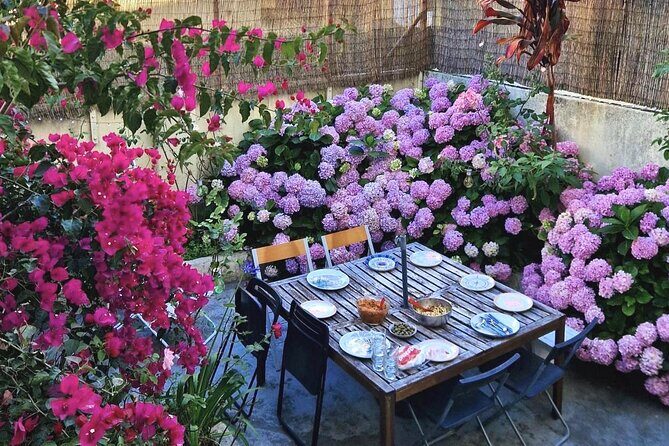
This class is in a local home, not a studio. That matters because you get a lived-in feel from the start: a cozy kitchen, a real dining setup, and the sense that food is part of everyday life. It also makes the experience easier on your shoulders. You’re not rushing between stations or trying to figure out where your tools are. Someone’s already set the table—literally—and you’re joining the process.
Defne’s background and approach shape the mood. She’s from Istanbul and has the travel mindset of someone who values connection and community. In practice, that means the conversation style is natural and friendly, not lecture-y. You’ll learn how Portuguese food connects different cultures and traditions, told through the food itself—ingredients, cooking methods, and what people historically served and shared.
One more thing I appreciate: it’s private. Even though it’s priced per person, the “only our group” setup usually creates a calmer flow. You can ask questions while you cook, slow down when needed, and get answers that fit what you’re doing at that moment.
What You’ll Cook: Appetizer, Main, Dessert From Scratch
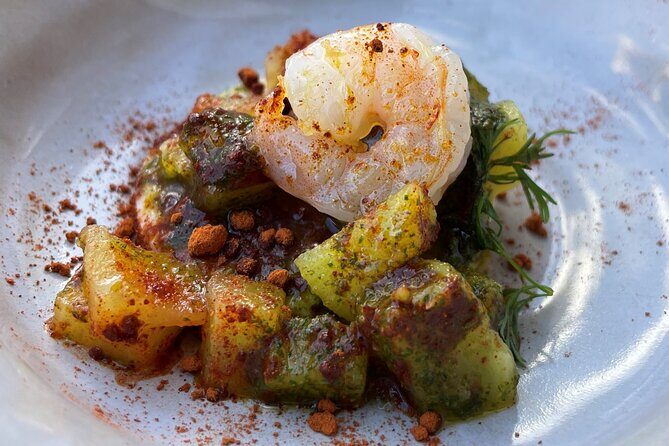
The core of the experience is simple: you cook three dishes from scratch—an appetizer, a main dish, and a dessert. The hands-on part lasts about 1.5 hours, then you settle into the meal afterward. For most people, that’s the sweet spot. You’ll feel productive enough to be proud of the results, but you won’t be stuck cooking until late.
The specific dishes you make are seasonal, so Defne’s menu can change depending on local produce. Still, you can expect classic Portuguese options in the spirit of the menu examples. Some you might see include:
- Tremoços (pickled beans) and olives
- Salada de grão-de-bico (chickpea salad)
- Caldeirada de peixe (fish stew)
- Arroz de doce (rice pudding)
Here’s why that matters for value: if you’re going to learn cooking, you want dishes that are both Portuguese and practical for home kitchens. These are the kinds of recipes you can recreate because the techniques are approachable and the flavor comes from recognizable building blocks—olive oil, herbs, legumes, rice, and comforting stews.
And because you’re cooking all three courses, you’ll get a full feel for Portuguese meal structure: salty starter energy, a main built for satisfaction, then dessert that lands softly rather than clobbering your palate.
You can also read our reviews of more private tours in Lisbon



The Part Beyond Recipes: Stories and Tips That Travel Home
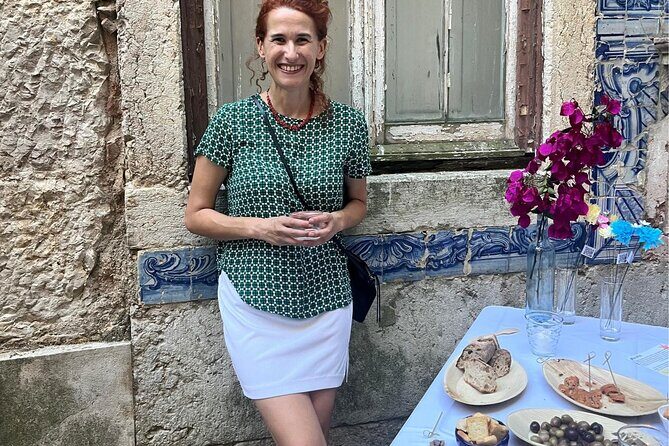
Cooking classes can turn into a “do this, then do that” checklist. This one has something extra: Defne shares the stories behind the dishes and how they relate to other cultures and traditions. In a place like Lisbon—where food history shows up in everyday tastes—that context can make a recipe stick in your memory.
You also get tips and tricks during cooking. Even if you’re an experienced home cook, it’s worth paying attention to the small choices that make Portuguese food taste like itself. Think texture tweaks, timing cues, and how to season and balance flavors so the dish doesn’t drift into bland or overly heavy.
From the structure of the experience, I’d expect a conversational flow while you work. That’s one of the reasons people leave happy: it feels casual and you learn in the moment, not after the fact. And the recipes you learn are intentionally approachable, so you’re not walking away with a cookbook fantasy.
Dinner at Defne’s Table: Wine, Garden Air, and Coffee
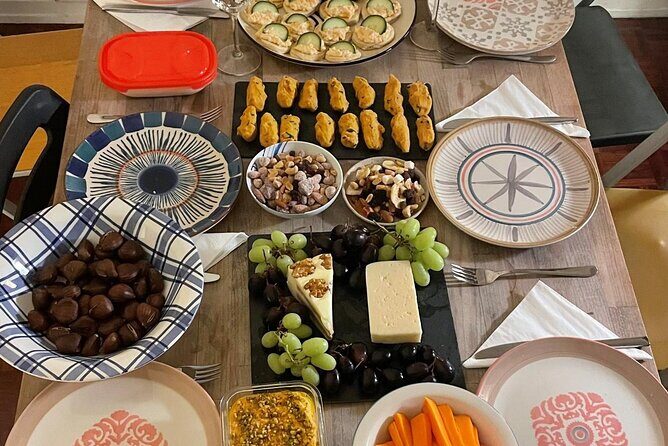
Once the cooking wraps, you don’t just get a snack. You get a real meal served with coffee and the Lisbon liqueur ginjinha. Alcohol is included too, including wine during the meal—information provided says two glasses of Portuguese wine—plus the ginjinha tasting later.
This is where the class becomes memorable. The experience is designed to end as a dinner, not a lesson. In good weather, you may be able to enjoy the meal outdoors in the garden. That small shift changes the whole vibe. Lisbon evenings do something to people: light gets gentler, conversation slows, and you’re far more likely to taste with attention instead of clock-watching.
If you like food that feels social, this part is a big win. The class isn’t built for stiff formality. It’s built for relaxed conversation with plenty of wine and a plate you helped create.
Seasonal Menus and Dietary Requests Without Extra Headaches
Portuguese food can be tough if you have dietary restrictions—unless you plan ahead. The good news here is that Defne can accommodate lactose free, gluten free, vegetarian, and vegan meals if you request it during booking.
This matters because you’re not just swapping one ingredient. You want the whole course to work: appetizer textures, main thickness, dessert sweetness. A seasonal menu can help here too, because local produce availability gives room to adjust recipes without making things feel like an afterthought.
Practical tip: if you have allergies or specific needs, tell Defne clearly when you book. Don’t wait until the day-of. The class notes that seasonal menus can change depending on what’s available, so earlier communication helps ensure you get food that actually fits your requirements.
Also, if there’s a dish you’re hoping to cook—say fish stew or rice pudding—mention your preference in advance. Since the menu is seasonal, you can’t assume your top pick is guaranteed. But you can improve your chances by being explicit.
Price and Value: Why $112 Can Be a Smart Deal
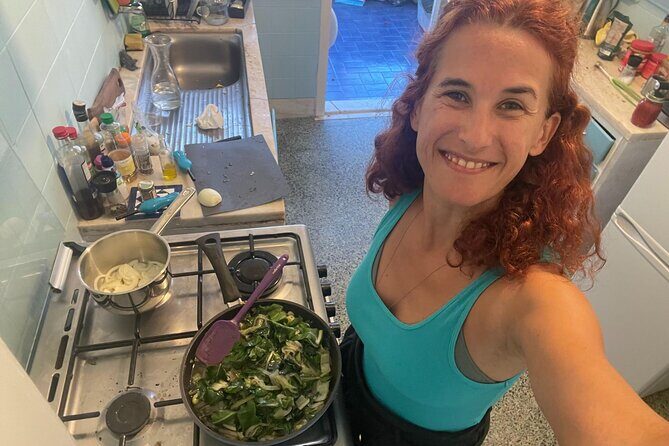
At $112 per person, this is not the cheapest cooking class in Lisbon. But it also isn’t just “a class.” You’re paying for a private host in her home, hands-on instruction, and then an authentic meal with drinks.
Here’s the value logic I’d use when deciding:
- Private experience: only your group participates, which typically means more attention and less waiting around
- Three-course outcome: appetizer, main, dessert from scratch is a lot more than a single recipe session
- You eat what you make: the meal isn’t separate or tacked on as a token bite
- Alcohol included: Portuguese wine is included with the meal, plus ginjinha and coffee at the end
If you split value by time, the total is about 3 hours. You get roughly half that in true hands-on teaching, then you enjoy the result as a sit-down dinner. For many people, that’s what they’re really buying: a full evening that combines learning, eating, and conversation.
And if you’re traveling with someone who also wants to cook, private format usually beats trying to squeeze into a larger group where attention gets diluted.
You can also read our reviews of more cooking classes in Lisbon





Getting There: The Meeting Point and No-Pickup Reality
This is one of those experiences where you should plan transportation like a local. There’s no hotel pickup or drop-off, and the meeting point is at Praça Manuel Cerveira Pereira, 1900-208 Lisboa.
The good part is that it’s near public transportation. So even if you’re not staying near the meeting point, you can usually reach it without a taxi situation. Still, build in a little margin. Cooking classes in homes depend on timing, and you don’t want to arrive flustered and late.
If you’re combining this with other Lisbon plans, I’d treat it as the anchor of your evening. You’ll eat, drink, and then finish with coffee and ginjinha. In other words, don’t schedule anything tight right after.
Timing Your Evening Around the 3 Hours
The experience runs for about 3 hours. The hands-on cooking portion is about 1.5 hours, and the rest is meals, coffee, and the final ginjinha tasting.
That timing helps you plan your day. You can keep your morning flexible, then aim to arrive with a relaxed appetite. If you go in hungry but not frantic, cooking feels fun instead of stressful.
Also, because there’s wine included and ginjinha at the end, think about how you’ll get home after. Public transportation is mentioned as nearby, which is usually your easiest option. If you’re staying farther away, double-check your route ahead of time so you’re not navigating late.
Who This Portuguese Class Fits Best
This is ideal if you want Lisbon through a table, not just through monuments. You’ll enjoy it most if you like:
- hands-on cooking with real guidance
- learning how Portuguese food connects to wider traditions
- a homey atmosphere and conversation
- a meal that ends the experience instead of cutting it short
It’s also a good fit for couples, friends, and small groups who want privacy. Since it’s private, you get a more personal pace and easier conversation with Defne.
Who might want to skip it? If you only want quick “how-to” cooking without chatting, or if you dislike being in someone’s home environment, this may feel too personal for your style. But if you’re open to cozy and informal, that casual warmth is exactly what makes the class memorable.
Should You Book This Lisbon Cooking Class With Defne?
I’d recommend booking if you want a true Lisbon evening with real payoff: three Portuguese dishes you cook, then a meal that feels like you were invited in. The private format, dietary flexibility by request, and the cultural stories tied to the food make it more than a simple cooking lesson. And finishing with coffee plus ginjinha is a very Lisbon way to close the night.
You should think twice if you’re set on a specific dish and you’re traveling during a season when that ingredient might not be available. Because the menu is seasonal, your best move is clear communication at booking.
If you can handle going without hotel pickup and you’re comfortable using public transport, this is a solid value choice for an authentic experience.
FAQ
How long is the Portuguese home cooking class?
It lasts about 3 hours total, including roughly 1.5 hours of hands-on cooking for an appetizer, main dish, and dessert.
Is the class private or shared with strangers?
It’s private. Only your group participates.
What meeting point should I use?
The start point is Praça Manuel Cerveira Pereira, 1900-208 Lisboa, Portugal, and the experience ends back at the meeting point.
Do I eat what I cook?
Yes. You’ll enjoy an authentic meal at Defne’s home featuring what you prepare, plus coffee and ginjinha.
Are dietary restrictions accommodated?
Yes, lactose free, gluten free, vegetarian, and vegan meals are available on request. You should inform Defne at booking if you have dietary restrictions or allergies.
What drinks are included?
Alcoholic beverages are included. The meal includes Portuguese wine, and the experience ends with coffee and a taste of ginjinha.
Is hotel pickup included?
No. Hotel pickup and drop-off are not included. You’ll need to get yourself to the meeting point.
Is the menu fixed?
No. Defne’s menu is seasonal and can change depending on local produce. If you have preferences, let her know in advance.