REVIEW · LISBON
Lisbon: Traditional Portuguese Cooking Class
Book on GetYourGuide →Operated by The Chefs Company · Bookable on GetYourGuide
Portuguese cooking, but with real stories. This class is built around fresh, seasonal ingredients and the meaning behind each dish, so you cook and you understand what you’re eating. I like the small-group vibe (max 10) and the way the chefs turn a 3-hour meal into something you’ll remember on the way back to your hotel.
One thing to plan for: if your diet has limits, the rules can be strict. Vegetarians need 72 hours notice, while vegans and people with food allergies aren’t suitable, so read the fine print before you book.
In This Review
- Key Highlights You’ll Actually Feel
- Why This Lisbon Cooking Class Feels Like Dinner With People, Not a Show
- Cheese, Chorizo, and Wine Tasting Sets the Tone
- Starter to Dessert in 3 Hours: The Hands-On Flow
- One practical note about dietary needs
- The Chef Stories Behind Each Dish (and What You Can Learn From That)
- What $94 Covers, and Why It Usually Feels Fair
- Should You Book This Lisbon Traditional Cooking Class?
- FAQ
- How long is the Lisbon Traditional Portuguese Cooking Class?
- What’s included in the experience?
- Can I join if I’m vegetarian?
- Are vegans or people with food allergies allowed?
- How many people are in the group?
- What languages are the chefs/instructors?
- Where do I meet for the class?
- Is transportation included?
- What is the cancellation policy?
Key Highlights You’ll Actually Feel
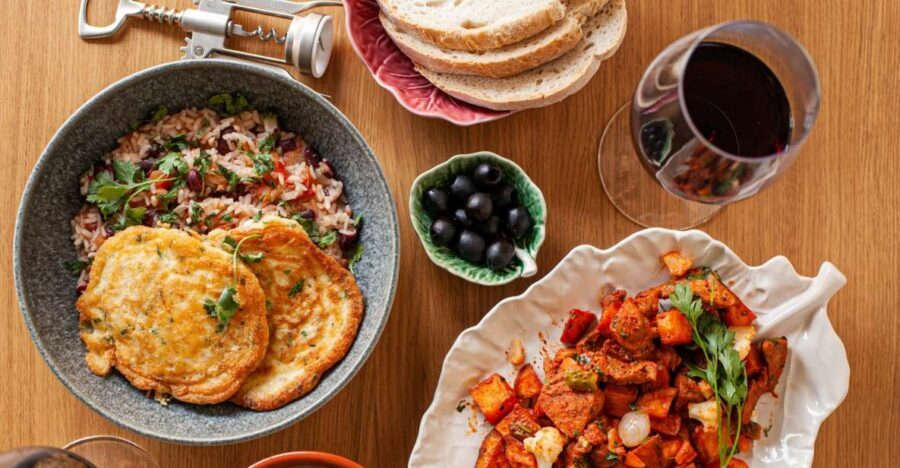
- Hands-on Portuguese cooking: you make starter, main course, and dessert, not just watch.
- Seasonal menu changes: what you cook can shift based on what’s fresh and available.
- Cheese, chorizo, and wine tasting before the meal.
- Chef storytelling: you get the why behind dishes, not only the how.
- Small group, 10 max: more teaching time and a more relaxed pace.
- Chefs with real personality: classes are run in English or Portuguese, often with lots of laughs and back-and-forth.
Why This Lisbon Cooking Class Feels Like Dinner With People, Not a Show
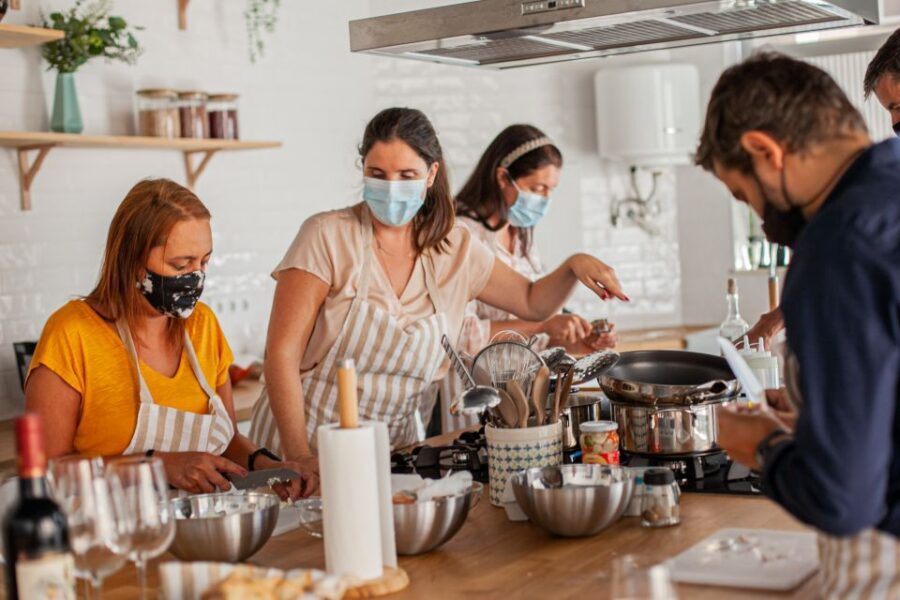
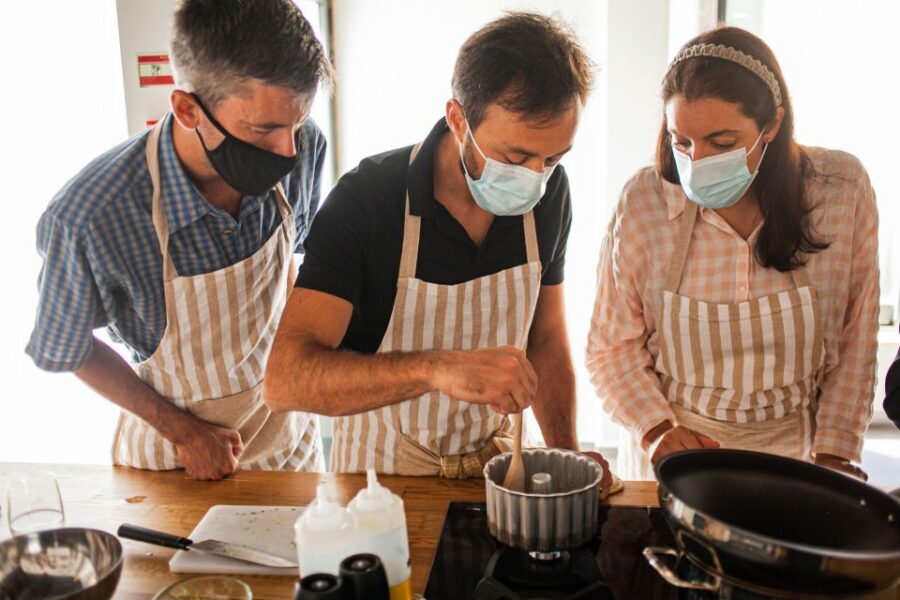
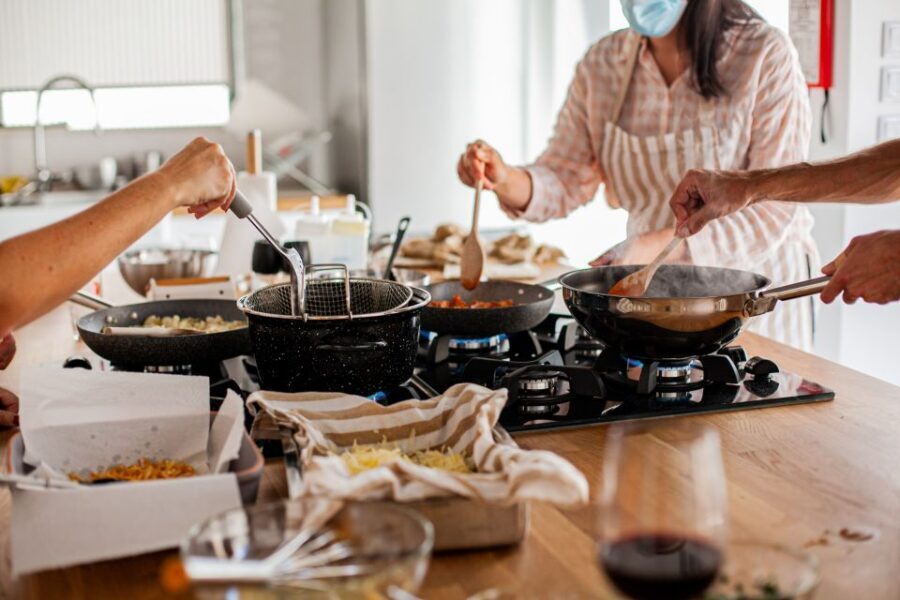
Lisbon can tempt you with food tours that feel like a parade: you taste, you move on, you forget half the details before dessert. This is different. You’re in a working kitchen, doing the work yourself, while the chefs explain what matters about Portuguese home cooking—ingredients, timing, texture, and why certain flavors became the standard.
I love that the experience treats cooking as culture, not a checkbox. The chefs don’t just hand you a recipe. They talk through the story behind each dish, so when you stir, sauté, or plate, it connects to the everyday Portuguese life the food comes from. And I love the ingredient focus. The class is built on fresh, local, seasonal produce, so the menu can change depending on what’s available when you go.
You’ll also notice the teaching style. Several classes I saw feedback for had chefs like Ana and Karina (or Carina—names show up a few different ways across dates) who kept things fun and clear. You’ll get the kind of guidance that helps whether you’re a confident cook or you’re still learning how not to over-salt.
The group stays small (10 max), which matters more than it sounds. In a bigger group, you end up waiting your turn. Here, you’re usually doing something—chopping, mixing, assembling, tasting—staying engaged the whole time.
You can also read our reviews of more cooking classes in Lisbon


Cheese, Chorizo, and Wine Tasting Sets the Tone
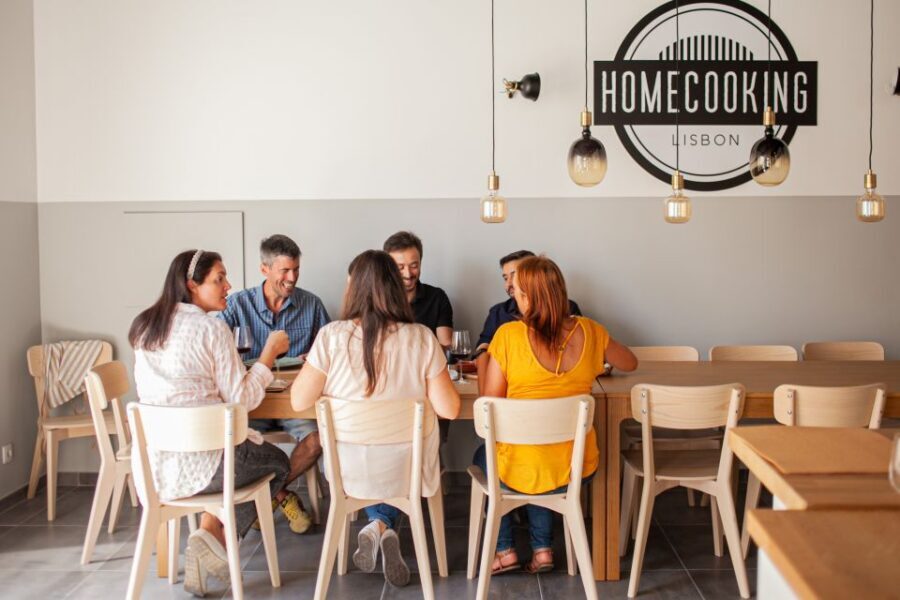
Before you cook, you start with a tasting. Expect cheeses, chorizo, and wines. This is more than a snack break. It’s your warm-up for understanding the meal you’re about to make.
Here’s what I think makes this part work: Portuguese food is built on balance. Fat meets salt. Meat meets tang. Wine meets richness. When you taste the cheeses and chorizo first, you start picking up flavors that you’ll later recognize in the dishes. Then the chefs can connect your tasting to the techniques and ingredient choices you’ll use in the kitchen.
Some recent groups noted that the wine was kept flowing more generously than you’d expect for a tasting. Still, treat it as a tasting portion included with the class, not a party plan—especially because the activity rules list alcohol as not allowed. Practically, that usually means you don’t bring your own alcohol; you follow what’s provided by the chefs.
Also, this is a good moment to pay attention and ask questions. If you’re even slightly curious about Portugal’s flavor style, tasting early helps you understand what the chefs are chasing: simple ingredients cooked well, rather than complicated tricks.
You’ll meet the chefs at their kitchen, located on the top floor above the main street spot near the Continente Bom Dia supermarket area. When you’re facing the main door, look for stairs on the left and go up to the square where the kitchen is.
Starter to Dessert in 3 Hours: The Hands-On Flow
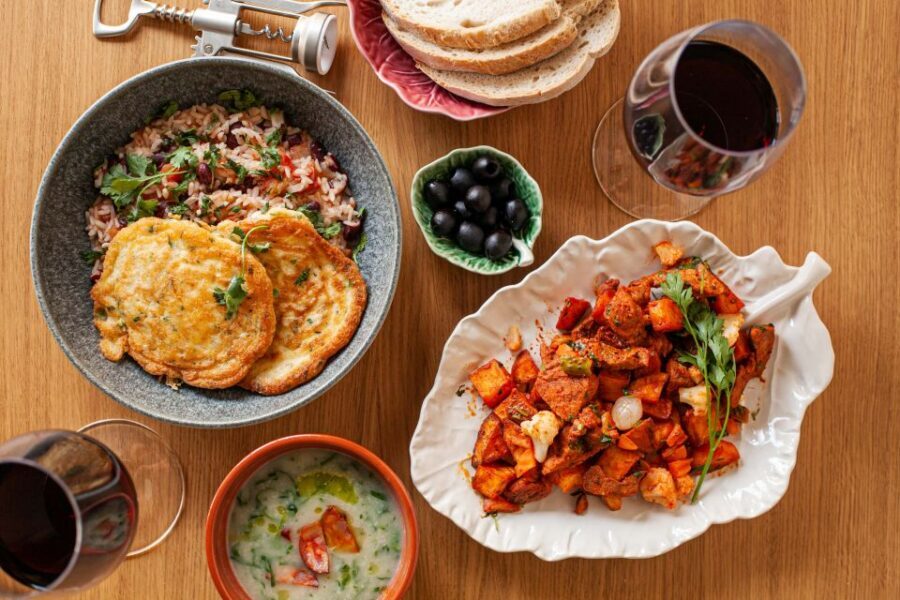
This class runs for 3 hours and is structured like a real meal day: starter, main course, dessert. You do the work for each course, guided by instructors in English or Portuguese.
Because the menu is seasonal, you won’t be memorizing one fixed list that always stays the same. Instead, you’re learning the approach behind traditional Portuguese cooking, using what’s fresh. That’s a big deal if you care about authenticity. You’re not eating something assembled from imported or leftover ingredients just because it’s convenient.
A typical flow looks like this:
- You begin with the tasting (cheeses, chorizo, wines) and get oriented.
- Then you shift into hands-on cooking where you prepare the starter, followed by the main course.
- Finally, you move to dessert, usually with simpler technique and a focus on flavor and texture rather than high drama.
- At the end, you eat what you made in a relaxed atmosphere.
What makes this worthwhile is the teaching pace. With a group capped at 10, the chefs can check what you’re doing and correct mistakes before they pile up. One reason people leave happy is that the cooking can feel challenging in a good way—like you’re learning something real, not just assembling a plate.
Also, the chefs aren’t robotic about instructions. Several comments highlighted the chefs’ humor and story-sharing, which keeps the time from dragging. You’ll likely exchange small bits of personal context too—food as a bridge is part of the point here.
One practical note about dietary needs
If you want a vegetarian option, you must communicate at least 72 hours in advance. Vegans and people with food allergies aren’t suitable for this experience, so don’t wait until the day-of to hope for changes.
The Chef Stories Behind Each Dish (and What You Can Learn From That)
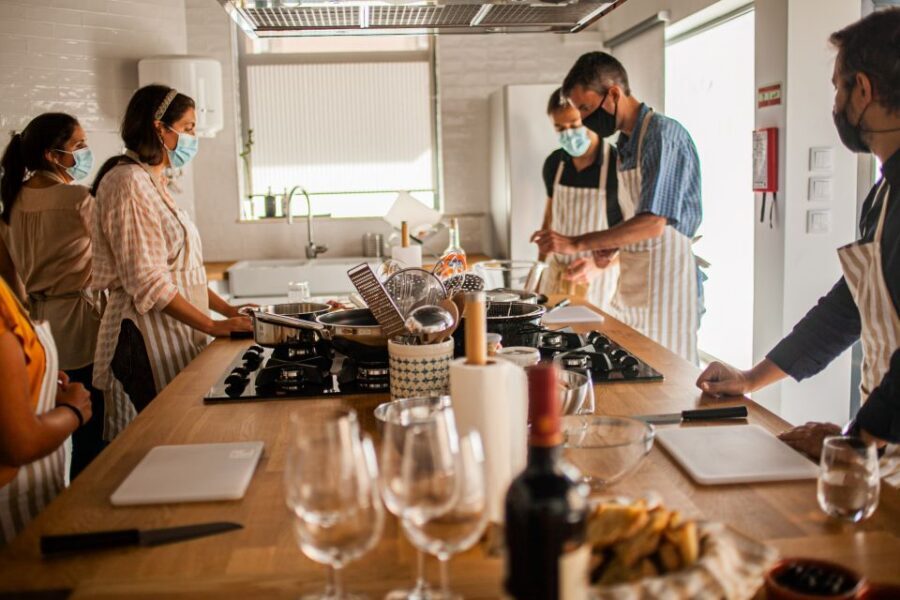
Portuguese cuisine doesn’t just taste like Portugal—it carries Portugal. The chefs bring in the narrative thread: where ingredients fit into tradition, why certain flavors show up together, and how a dish became part of family meals.
You’ll feel this most during the course shifts. As you finish the starter, the chef isn’t only moving you into the next recipe. They’re helping you connect the next dish to the meal as a whole. That makes the food easier to remember later.
Stories also help you cook better. When you understand what the dish is trying to do—comfort, balance, timing, or ingredient celebration—you stop treating it like a random set of steps. You start adjusting more intelligently while you’re cooking.
And some of the most memorable details people mentioned were personal touches tied to real sourcing. For example, feedback referenced olive oil and figs from a family farm, plus bread from a hometown connection. Even if your specific menu differs, the spirit is the same: the chefs are not selling generic recipes. They’re sharing how they cook at home and why those ingredients matter.
If you want to get the most out of the storytelling part, ask simple questions while you’re working:
- What ingredient should taste like before it goes into the dish?
- What does the dish rely on—salt balance, acidity, or cooking time?
- How do families typically serve it?
You’ll find that the answer turns your meal into a mini lesson you can actually use.
You can also read our reviews of more tours and experiences in Lisbon





What $94 Covers, and Why It Usually Feels Fair
Let’s talk value, because in Lisbon you’ll see cooking classes priced all over the map. At $94 per person for 3 hours, you’re paying for four clear things:
- Chef-led, hands-on instruction (small group, max 10)
- A full meal you help prepare: starter, main, dessert
- Tasting of cheeses, chorizo, and wines
- The time and effort of building a class around seasonal ingredients
If you compare that to paying for a standalone dinner plus a separate food experience, the pricing starts to make sense. You’re not just eating; you’re learning how to recreate the meal’s core flavors and cooking logic. And because the menu adapts to what’s fresh, you’re less likely to feel like you got a standardized, conveyor-belt class.
You’ll also get more than technique. The storytelling makes the meal feel like a real cultural moment. People often say this is their favorite meal of the trip, and the pattern makes sense: you leave with both food and context, which sticks.
Who should book this?
- Couples or small groups who want a social meal but still want real instruction.
- Food lovers who like learning recipes they can actually repeat.
- Travelers who want Portuguese culture through the kitchen door, not only through viewpoints.
Who should skip it?
- If you’re vegan, this isn’t the right match.
- If you have food allergies, the class isn’t suitable.
- If you need wheelchair access, it’s not designed for it (the kitchen is reached by stairs).
Should You Book This Lisbon Traditional Cooking Class?

If you want a hands-on Portuguese meal where you cook, taste, and learn the why, I’d book it. The strongest reason is simple: you’re actively involved from tasting to plating. That makes the time fly, and it makes the food memorable.
I’d especially recommend it if you like practical travel value—something that goes beyond photos. The class structure (tasting plus starter, main, dessert) means you leave fed and informed, with techniques and flavor ideas you can reuse at home.
Just be honest about two things before you commit: dietary fit and comfort with a kitchen setting reached by stairs. If that works for you, this is one of the more satisfying ways to spend an evening in Lisbon.
FAQ
How long is the Lisbon Traditional Portuguese Cooking Class?
It lasts 3 hours.
What’s included in the experience?
You get a tasting of cheeses, chorizo, and wines, plus a hands-on cooking class where you prepare a starter, main course, and dessert.
Can I join if I’m vegetarian?
Yes, the menu can be adapted for vegetarians, but you must communicate at least 72 hours in advance.
Are vegans or people with food allergies allowed?
Vegans are not suitable, and people with food allergies are not suitable for this experience.
How many people are in the group?
The class is a small group limited to 10 participants.
What languages are the chefs/instructors?
The instructor speaks English and Portuguese.
Where do I meet for the class?
The kitchen is on the top floor above the street location near the Continente Bom Dia supermarket area. From the main door, go up the stairs on the left until you reach the kitchen square.
Is transportation included?
No, transportation to and from your accommodation is not included.
What is the cancellation policy?
You can cancel up to 24 hours in advance for a full refund.