REVIEW · LISBON
Lisbon: The Jewish Sephardic Walking Tour
Book on GetYourGuide →Operated by TakingUThere · Bookable on GetYourGuide
This walk makes Jewish Lisbon feel visible. I love the inside view of Shaare Tikva and the street-level route along Rua de Judiara. The guide links big moments like the 1506 Massacre to everyday lives, so the city’s story sticks. One heads-up: this is a long walk with uneven Alfama streets, so bring good shoes and be ready for a real workout.
You also get a small group limited to 8, which keeps it personal, not lecture-y. I especially like how guides such as Paulo Levy mix Lisbon pride with Jewish family history, so it feels human, not just academic.
With a 4-hour pace and synagogue entrance fees handled, this is a smart use of time if you want Sephardic and Portuguese Jewish context in one go.
In This Review
- Key things to know before you go
- Why this Lisbon Jewish Sephardic walk feels different
- Meeting outside Lisbon Synagogue: getting started the right way
- Shaare Tikva synagogue: the Portugal marker you can actually stand inside
- From Exodus origins to Portuguese law: how the story becomes local
- The 1506 Massacre: why Lisbon remembers it and what started it
- Alfama and Rua de Judiara: walking the oldest quarter with context
- People who shaped Lisbon: Abraham Anahory and Aristides Sousa Mendes
- Lisbon today: tolerance, creativity, and what the past changes
- Practical details: comfort, dress, and how to prepare
- Price and value: $165 per group up to 2, and what you get for it
- Who should book this tour (and who should skip it)
- Should you book this Lisbon Jewish Sephardic Walking Tour?
- FAQ
- How long is the Lisbon Jewish Sephardic walking tour?
- Where is the meeting point?
- What’s included in the tour price?
- Is synagogue ticketing handled for you?
- What languages are the guides?
- Is the tour suitable for wheelchair users or limited mobility?
Key things to know before you go
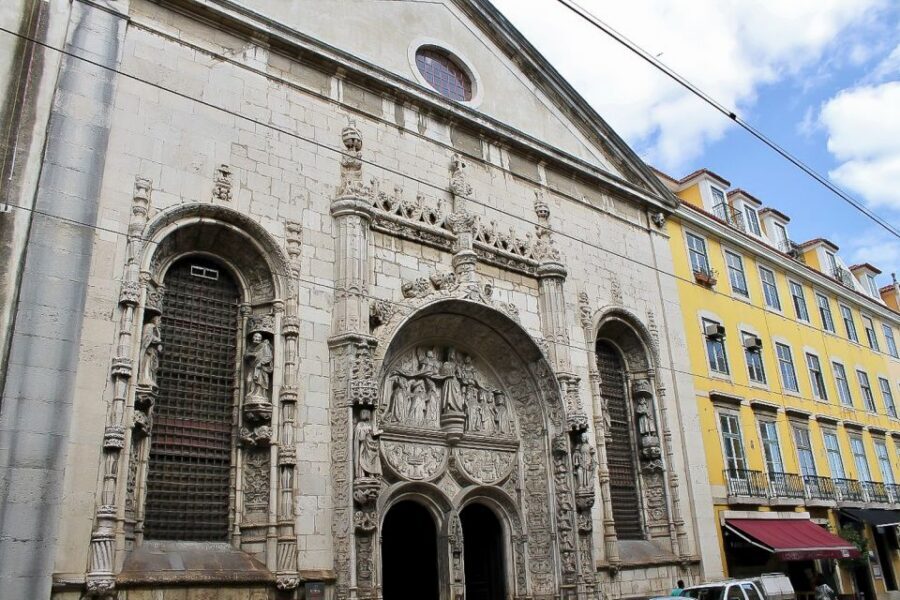
- Shaare Tikva visit with entrance included and skip-the-line convenience
- Rua de Judiara in Alfama on Lisbon’s oldest-neighborhood streets
- 1506 Massacre context explained in clear, real-world terms
- Big timeline storytelling, from Exodus origins to life in Portugal
- Human stories tied to people like Abraham Anahory and Aristides Sousa Mendes
- Small-group format (up to 8) for questions and pacing
Why this Lisbon Jewish Sephardic walk feels different
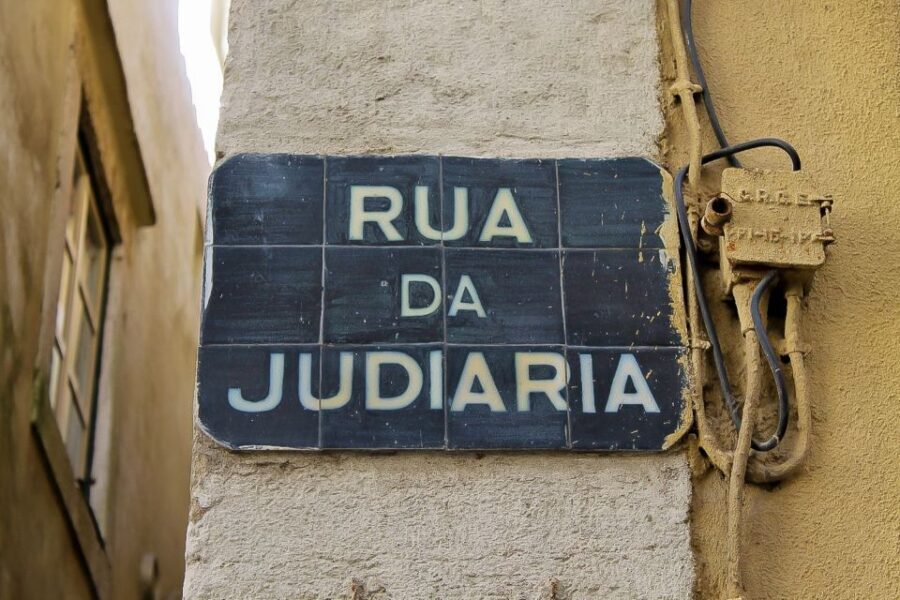
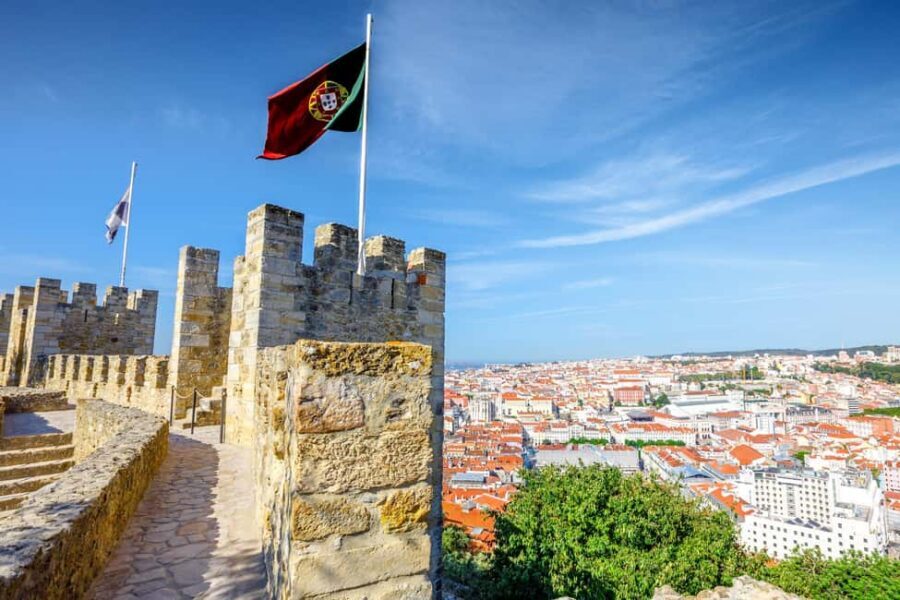
Lisbon is famous for light, tiles, and viewpoints. This tour nudges you to look at the same streets through another lens: Jewish communities who lived, worshiped, were protected at times, and later were targeted again.
The best part is how the tour connects history to place. You’re not bouncing from one plaque to another. You’re walking through neighborhoods where the past left marks—in street names, in surviving sites, and in what the city chooses to remember.
If you like your travel history with names, cause-and-effect, and a clear storyline, this one works. You’ll hear how Jews moved across regions over centuries, how communities formed and disappeared, and how belonging could exist everywhere yet feel like it never truly landed.
You can also read our reviews of more walking tours in Lisbon


Meeting outside Lisbon Synagogue: getting started the right way
You’ll meet in front of Lisbon Synagogue at R. Alexandre Herculano 59, 1250-010 Lisboa. Starting there matters because you’re grounded immediately. The tour doesn’t start with a map and hope you connect the dots. It starts with the landmark itself.
The day’s practical tone is also helpful. The tour is a walking format, and the synagogue visit means you should dress to fit the space. Short skirts and sleeveless shirts aren’t allowed, so pack for comfort and basic coverage. Comfortable clothes beat fashion choices here.
If the weather is warm or wet, plan accordingly. You’ll be on foot for much of the session, and Lisbon’s older streets can be uneven, especially as you head toward Alfama.
Shaare Tikva synagogue: the Portugal marker you can actually stand inside
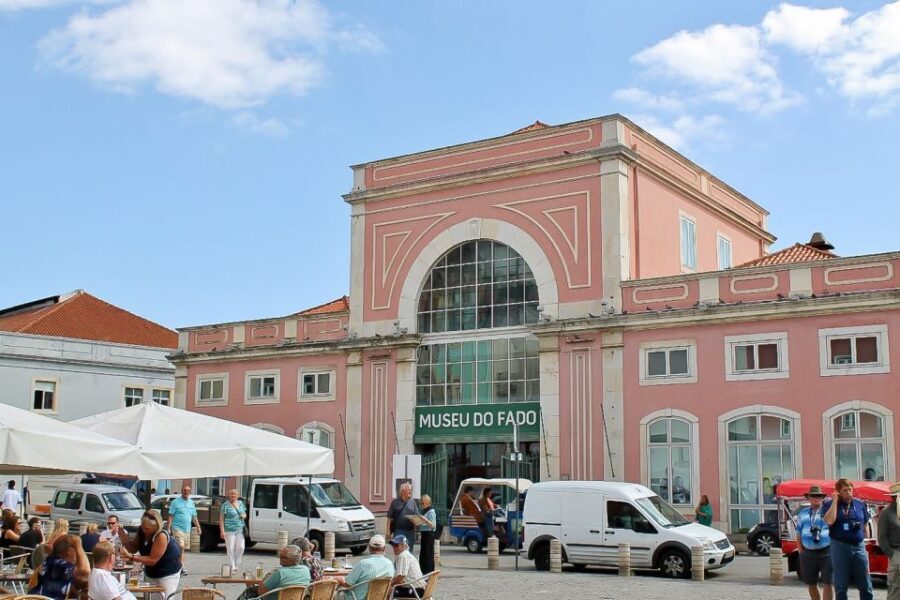
Shaare Tikva is the tour’s anchor. You’re visiting Lisbon’s synagogue, described as Portugal’s first synagogue built since the late 15th century. That detail is more than a trivia hit—it tells you something about survival, rebuilding, and what it took to return to public worship.
Inside, the guide focuses on what the synagogue represents in the Portuguese Jewish story. You get context for the community’s shifts over time, including the long, complicated relationship between Jewish life and the broader Christian society in Portugal.
Skip-the-line access helps too. In a city where queues can eat your day, that’s a real value. You lose less time and spend more time hearing what matters while you’re in the place where it happened.
One small drawback: since the synagogue visit is part of the experience, there’s less flexibility to wander on your own. If you’re the type who wants to arrive, roam, and disappear, you’ll want to keep your expectations aligned with a guided flow.
From Exodus origins to Portuguese law: how the story becomes local
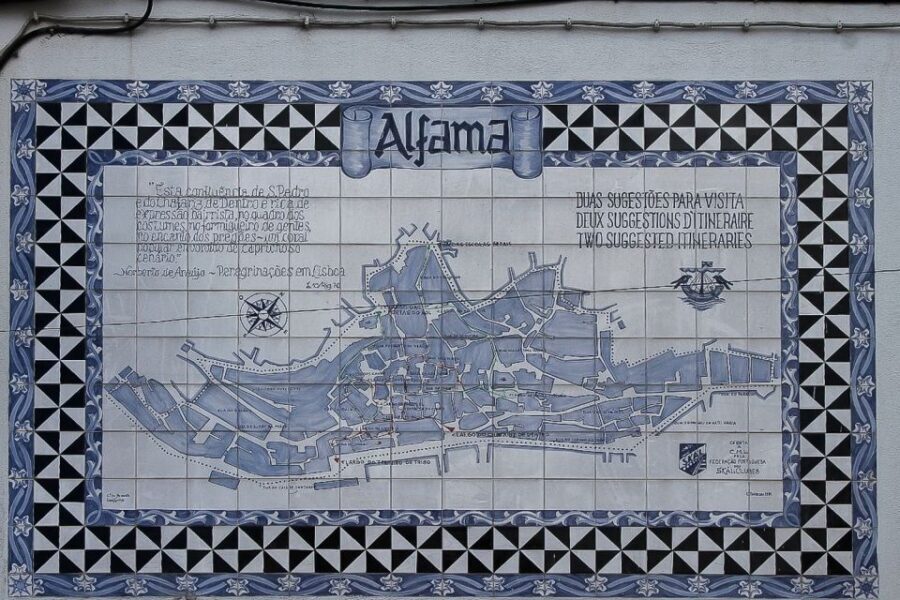
This tour doesn’t treat Jewish history as something sealed in a faraway textbook. It stretches the timeline so you can see how Lisbon fits into the larger story of movement, settlement, and re-settlement.
You’ll hear about the Exodus and the larger journey framed as long-term nomad life—people moving through lands and empires, forming communities, then facing periods where those communities were pushed out or changed by outside forces.
Then the tour zooms in on Portugal. A key moment is when the Kingdom of Portugal recognized the Jewish community in the 12th century as a distinct legal entity with its own jurisdiction. That’s powerful context because it explains the difference between simply living near others and being treated as a recognized group under specific rules.
In plain terms: this helps you understand why Jewish life in Lisbon could be both structured and fragile. Legal recognition didn’t mean permanent safety. It meant a defined status inside the kingdom—often with consequences for daily life.
The guide also connects Jewish and Christian history in the same streets and spaces. That matters in Lisbon. It keeps you from reading the city as one single narrative. Instead, you see layers: different communities sharing the same urban geography while history changes the balance.
The 1506 Massacre: why Lisbon remembers it and what started it
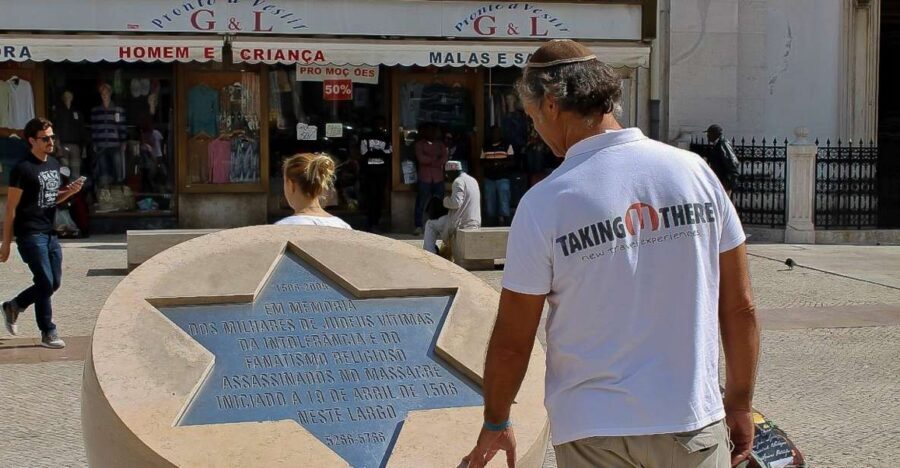
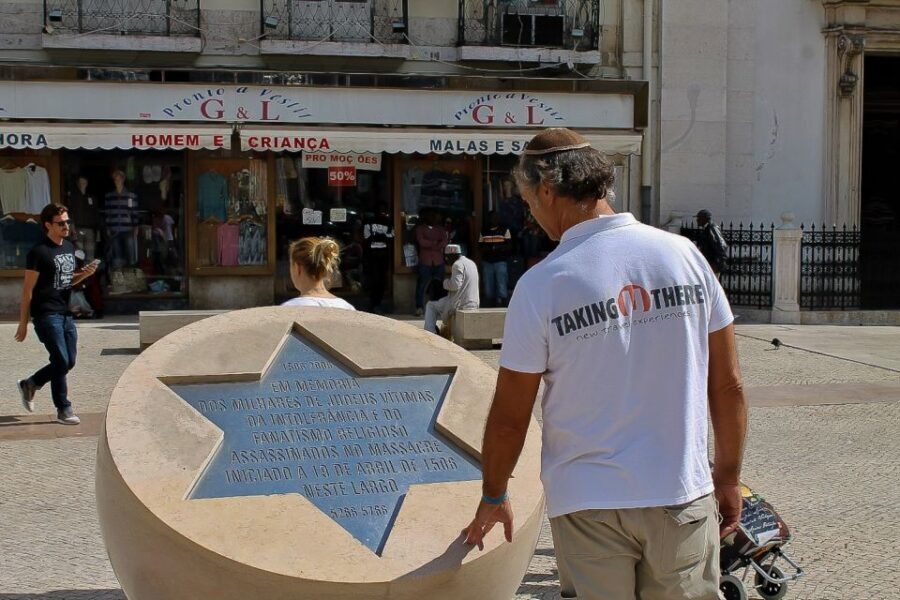
The tour includes the 1506 Massacre, explained as a major turning point—one that helped set off a chain of events. The value here is clarity. You don’t just hear that violence happened. You get the setup: how it began, and how that moment can become a hinge in a community’s story.
When a tour includes an event like this, the danger is getting lost in grim details without connection. This one aims for the opposite: it ties the massacre to what it meant afterward, and how it influenced movement, status, and memory in the city.
If you’re sensitive to heavy history, go in with that awareness and take breaks when you need them. The guide’s pacing helps, but the topic is real and unavoidable.

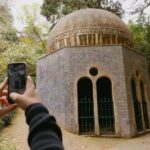



Alfama and Rua de Judiara: walking the oldest quarter with context
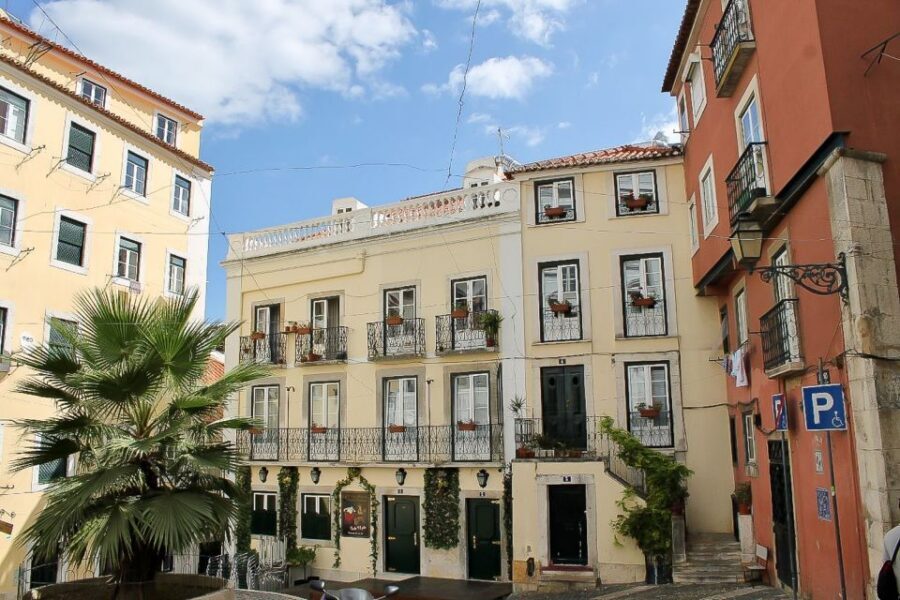
Lisbon’s Alfama is the place that turns the story from lecture to lived geography. It’s Lisbon’s oldest neighborhood, and that age shows in the street layout: narrow lanes, steep stretches, and corners that feel like they should hold secrets.
The tour specifically includes a walk down Rua de Judiara, a street tied to the Jewish presence in the area. Even if you’ve never learned the term before, the point of the walk is easy to feel: this is a neighborhood where you can trace community life through the city’s own physical cues.
This section is also where the small-group setup shines. You’re moving slowly enough to really hear the guide and look around without feeling rushed. And because you’re not in a big herd, it’s easier to pause for questions.
One drawback to plan around: Alfama’s streets can be tough underfoot. The tour is not designed for wheelchair users or people with mobility impairments, and the walking can be challenging, as the tour’s own format implies.
People who shaped Lisbon: Abraham Anahory and Aristides Sousa Mendes
What makes this tour more than a list of dates is that it includes individuals—some tied to Jewish history in Portugal, others tied to the Portuguese side of the story.
Two names stand out in the tour framing:
- Abraham Anahory
- Aristides Sousa Mendes, described as the Portuguese consul who saved thousands of Jewish refugees
Including people like this does two things for you. First, it prevents history from becoming faceless. Second, it anchors the narrative in choices. You start to see how rescue and survival were not just abstract outcomes, but tied to specific acts by specific people.
I also like how the guide’s approach shows up here. Guides such as Paulo Levy bring enthusiasm and personal connection to the subject, which makes these names feel like part of a continuing identity, not dead names on a page.
Lisbon today: tolerance, creativity, and what the past changes
The tour doesn’t end by trapping you in the past. It brings Lisbon today into the conversation—tolerance and creativity are part of the message, and the Alfama walk closes with the sense that culture keeps moving forward even after hard chapters.
That ending matters. It’s easy to leave a history tour feeling heavy and stuck in what went wrong. This one tries to leave you with a clearer view of how a city keeps reinventing itself while still carrying old stories in its streets.
So yes, it’s educational. But it’s also a way to see Lisbon with fresh eyes once you step back onto the main streets.
Practical details: comfort, dress, and how to prepare
This is a walking tour with a synagogue stop. That means your “first priority” is your feet.
Bring:
- comfortable shoes
- weather-appropriate clothing
- comfortable clothes you can move in during a long, uneven walk
Dress rules:
- no short skirts
- no sleeveless shirts
Not suitable for:
- people with mobility impairments
- people with heart problems
- wheelchair users
Also plan for time. There’s no lunch included, so if you tend to get hungry after a couple hours, have a plan before you start. Keep water in mind if that’s part of your usual comfort routine.
Price and value: $165 per group up to 2, and what you get for it
The tour costs $165 per group up to 2 for 4 hours. That pricing can feel different depending on how you travel.
Here’s the value logic:
- If you’re traveling as a pair, the per-person cost becomes easier to swallow, especially since this is a private-guide style small-group tour rather than a huge group.
- Entrance fees to Shaare Tikva are included, which removes one common surprise expense.
- You also get skip-the-ticket-line convenience, which saves time during a tour window that’s already limited to 4 hours.
For a solo traveler, it may not look like the cheapest option compared with large-group tours. But you are paying for guide attention, synagogue access, and the ability to ask questions in a smaller setting.
In Lisbon, where you often pay extra for top sights, this package approach is what makes it feel fair.
Who should book this tour (and who should skip it)
This is a great fit if you want:
- a Sephardic and Portuguese Jewish perspective without doing independent research all day
- a guided explanation that ties major events (like the 1506 Massacre) to what you see on the street
- a walk through Alfama that gives you context instead of leaving you guessing
- a guide who brings energy and personal connection, especially with guides like Paulo Levy leading the way
Skip it if:
- walking uneven streets is a problem for you
- you need a low-mobility route
- you prefer purely outdoor sight-seeing only (this tour includes an indoor synagogue component)
If you’re comfortable on your feet and okay with serious historical topics, this tour is well matched to the way you want to understand Lisbon.
Should you book this Lisbon Jewish Sephardic Walking Tour?
Yes, if you want Lisbon to make sense through Jewish Sephardic life—on foot, in context, and at real places like Shaare Tikva and Rua de Judiara. The small-group size and included synagogue entrance fees make it a smart value for the time you have.
I’d book it especially if you care about narrative history with names and consequences. You’ll leave with a clearer sense of how communities formed, were shaped by Portugal’s legal framework, and faced turning points like 1506—then you’ll see Alfama as more than a pretty maze of streets.
FAQ
How long is the Lisbon Jewish Sephardic walking tour?
It runs for 4 hours.
Where is the meeting point?
You meet in front of Lisbon Synagogue at R. Alexandre Herculano 59, 1250-010 Lisboa, Portugal.
What’s included in the tour price?
The tour includes a walking tour with a private guide for a small group, plus entrance fees to the Shaare Tikva (Lisbon Synagogue).
Is synagogue ticketing handled for you?
Yes. The tour includes entrance fees for Shaare Tikva and you skip the ticket line.
What languages are the guides?
The tour is offered in English and Portuguese.
Is the tour suitable for wheelchair users or limited mobility?
No. It is not suitable for people with mobility impairments, people with heart problems, or wheelchair users.