REVIEW · CASCAIS
Lisbon: Surf Lesson
Book on GetYourGuide →Operated by Lisbon Surfaris · Bookable on GetYourGuide
First time on a surfboard feels different. This 2-hour lesson in Lisbon gets you into the water quickly, with Carcavelos as the base and personal coaching throughout, plus the option to head to Guincho if the day calls for it. You’ll learn the basics that keep you safe and moving, not just stand on the beach watching others.
What I like most is the small-group setup (one instructor with up to five people) and the hands-on style of teaching. Instructors such as Ivo, Patrick, Tiago, and PePe are repeatedly praised for giving clear guidance and individual feedback so you can fix what’s holding you back instead of repeating the same mistake.
One thing to consider: this isn’t for everyone. The activity is not suitable for children under 6, pregnant women, or people with mobility impairments, so check that before you book.
In This Review
- Key things to know before you go
- Why Carcavelos sets you up for surfing success
- Meeting at the surf school right on the sand
- How the 2-hour lesson is really used: safety first, then waves
- Carcavelos or Guincho: why they shift beaches
- Paddling, standing, and catching your first wave
- Private or shared: choose your learning pace
- The vibe: expert guidance that stays close in the water
- Value check: why $47 for two hours can make sense
- Who should book this surf lesson (and who shouldn’t)
- Practical tips to make your lesson smoother
- Book it or pass it: my honest recommendation
- FAQ
- How long is the Lisbon surf lesson?
- Where do I meet for the lesson?
- What is included in the price?
- Do I need to bring my own surfboard or wetsuit?
- Which beach will you surf at: Carcavelos or Guincho?
- Is this lesson private or shared?
- What should I bring and what ID do I need?
Key things to know before you go
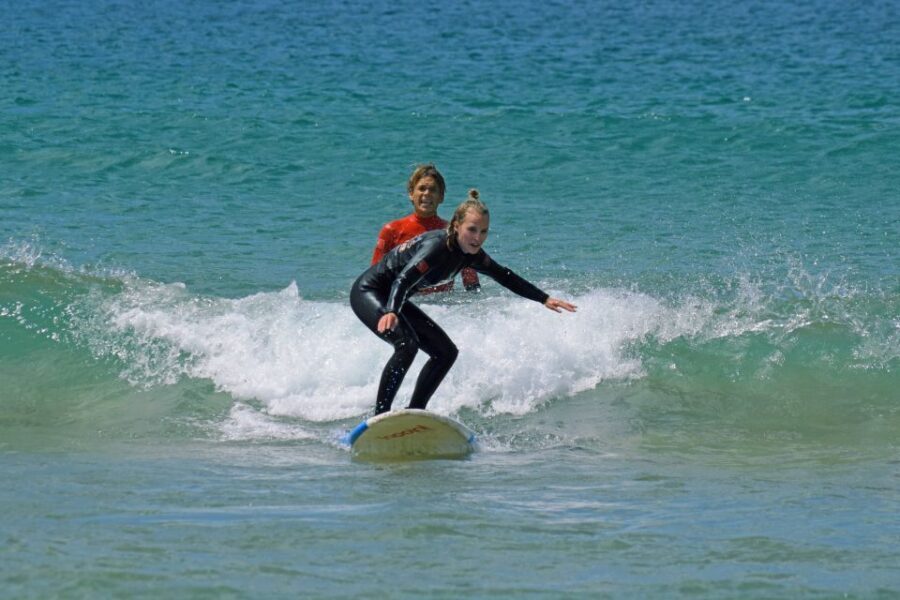
- Carcavelos Beach is your starting point: you meet right at the water, next to Bar o Moinho
- Small groups mean real coaching: max 5 people per instructor
- You learn safety and ocean-reading, not just tricks: wave choice and how to spot what’s happening
- They match the location to the weather: Carcavelos or Guincho based on conditions
- Gear and wetsuits are included: you get board + wetsuit (with options noted for colder seasons)
- You can go private or shared: choose the lesson style that fits your comfort level
Why Carcavelos sets you up for surfing success
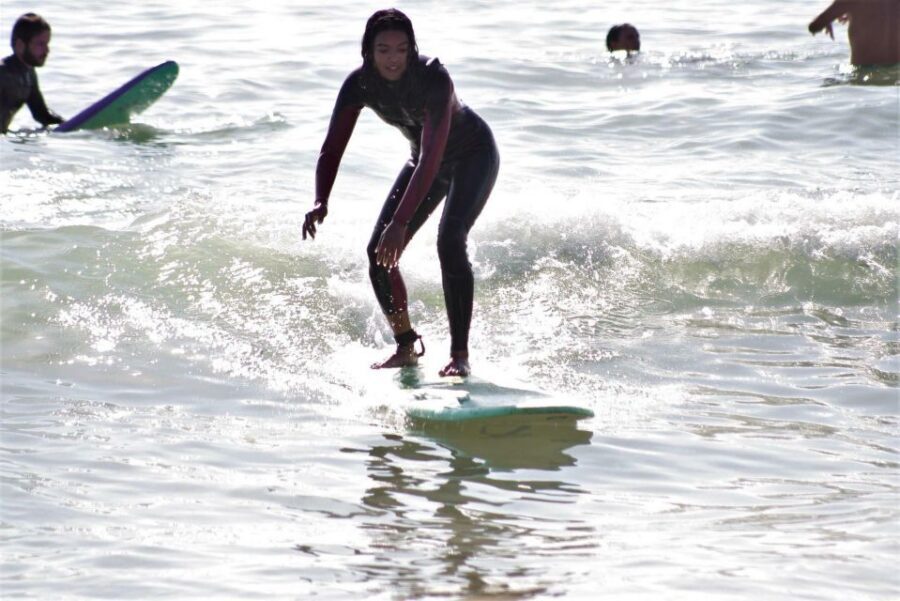
If you’re learning from scratch, location matters. Carcavelos is the plan for most days because you start the lesson right at Carcavelos Beach, so you waste less time and focus more time on actually surfing. That time on the water is what turns nerves into progress.
You’ll also benefit from the lesson structure built around what beginners struggle with most: understanding safety, reading the ocean, and making smart wave choices. That’s not glamorous, but it’s the difference between a frustrating session and one where you can catch your first wave and keep building.
You can also read our reviews of more tours and experiences in Cascais
Meeting at the surf school right on the sand
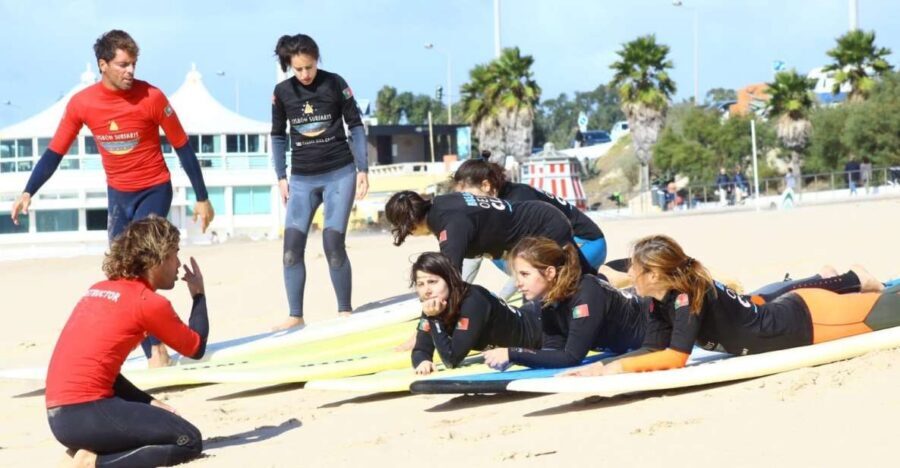
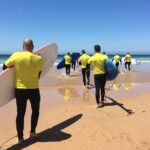
You’ll meet directly at Lisbon Surfaris, located at Carcavelos Beach right next to Bar o Moinho. From there, the lesson moves fast: you’ll get suited up, fit into your board setup, and then head to the water with your instructor.
This is helpful for travelers because there’s no complicated schedule of walking across town or waiting for a pickup. Just plan to get yourself to Carcavelos on your own.
What you should bring is simple and specific:
- Passport or ID card
- Towel
- Sunscreen
Gear is provided for you. That includes the surf equipment plus a wetsuit and board, and you’re also covered by insurance as part of the activity. If the instructor decides the day is better somewhere else, transportation to the beach is included if necessary.
How the 2-hour lesson is really used: safety first, then waves
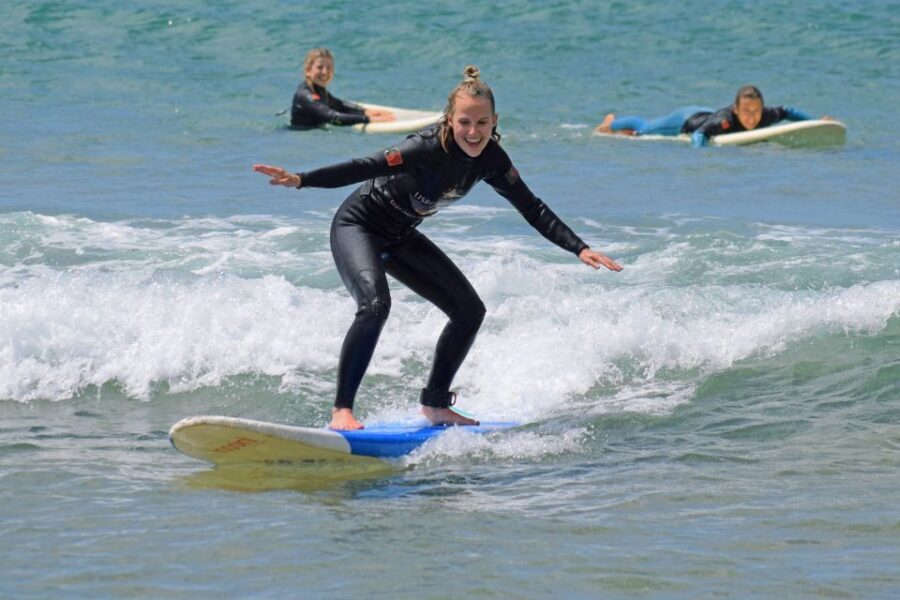
This lesson is designed around a clear beginner pathway: get you comfortable, keep you safe, then get you paddling and standing up on the board. You’ll start with essential basics on the shore and in shallow water, then you’ll spend most of the time practicing the movements.
Expect training that covers:
- Safety fundamentals
- How to read the ocean
- How to choose a wave
- Paddling mechanics
- Standing up to catch the right moment
The safety piece matters more than people expect. Surfing isn’t only about strength. It’s timing, positioning, and reacting to conditions. When you learn how to judge waves early, you waste less energy—and you get to spend your short lesson time making real progress.
And because it’s a small group (one instructor to a maximum of five people), you’re not stuck guessing. You get adjustments while you practice, and that’s repeatedly highlighted as a key reason beginners walk away feeling confident.
Carcavelos or Guincho: why they shift beaches
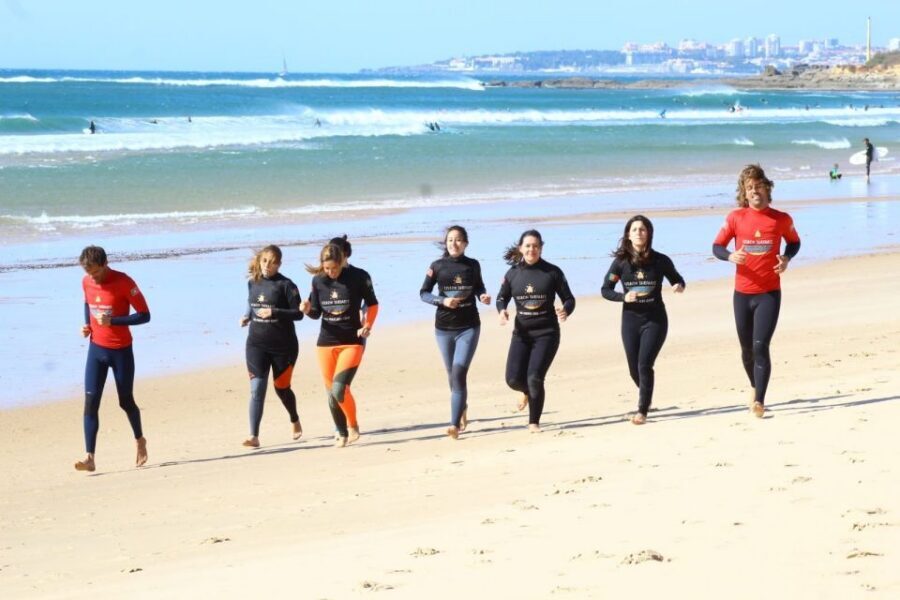
On the day of your lesson, you won’t always be stuck at one beach. Your instructor will travel to Carcavelos Beach or Guincho Beach depending on which conditions are most favorable.
This is a smart approach for learners. Beginner lessons work only when the waves and wind cooperate with the kind of practice you need: paddling drills, pop-up practice, and safe wave selection. If the ocean is doing something weird, the ability to choose another nearby option can save your whole session.
So rather than treating it like a random surprise, think of it like smart planning by professionals who are trying to match you with the best learning setup that day.
Paddling, standing, and catching your first wave
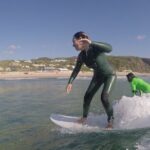
The core of the experience is physical: learning how to get onto the board, control your position, and pop up into a stance when the wave timing is right. During the lesson, you’ll practice paddling and the standing up movement so you can catch the perfect wave rather than just hoping one shows up.
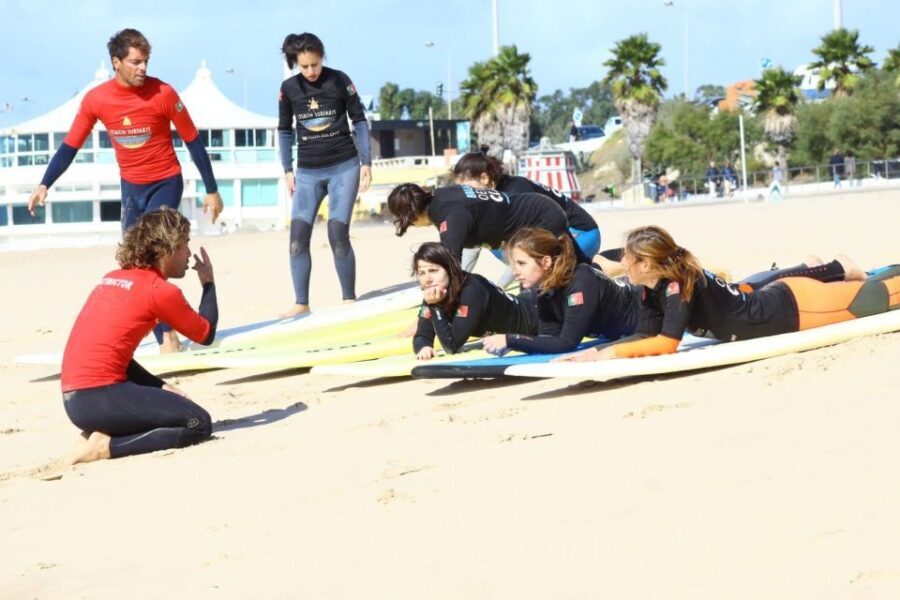
This is where small groups pay off. With up to five people, your instructor can stay close, watch what you’re doing, and give direct feedback. People learning for the first time often improve fast when someone corrects the exact moment you’re going wrong—like when you’re transitioning from paddling to standing.
From the guide styles mentioned (like Patrick, Tiago, and PePe), the coaching approach tends to be patient and energetic. That matters because first-wave attempts come with stress. When the instructor keeps you moving and focused, you’re more likely to keep trying instead of freezing up.
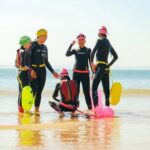
Also, you’ll be in a wetsuit, which helps you stay in the water for the full session. One detail that came up from instruction during cooler months: instructors have wetsuits in different sizes and thickness options, so you’re not stuck with a suit that’s wrong for the day.


Private or shared: choose your learning pace
You can choose between a shared lesson or a private lesson. For beginners, that choice affects how quickly you get individualized attention.
In a shared group, the instructor still works with each person closely, and the max group size helps prevent you from getting lost in the shuffle. People who want to move at their own pace—especially if you’re anxious about the first time in surf—may prefer private instruction because it can speed up feedback and reduce waiting between turns.
Either way, the lesson is built around practical movements and real-time correction, not long lectures. If you like structure and coaching, you’ll probably appreciate how the session stays focused on the skills you need right now.
The vibe: expert guidance that stays close in the water
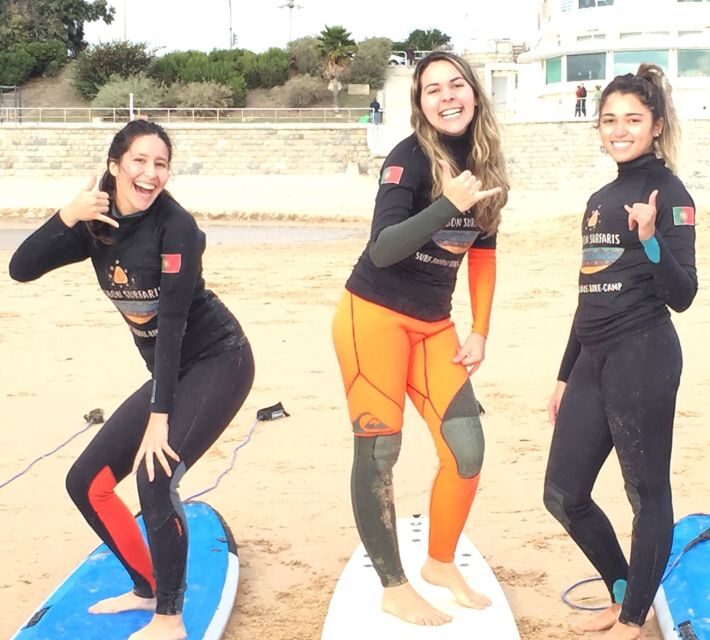
One of the most praised elements is how close instructors keep to the group. Beginners don’t just need instruction—they need reassurance, quick corrections, and someone watching for safety.
That close attention showed up repeatedly with emphasis on:
- personal feedback
- instructor patience
- guidance that keeps everyone practicing
If the beach is crowded, it can still be manageable. One person noted Carcavelos can be busy, but the experience held up because the instruction and practice time remained the focus.
In other words, the environment might change day to day, but the teaching style aims to keep you moving and learning instead of waiting around.
Value check: why $47 for two hours can make sense
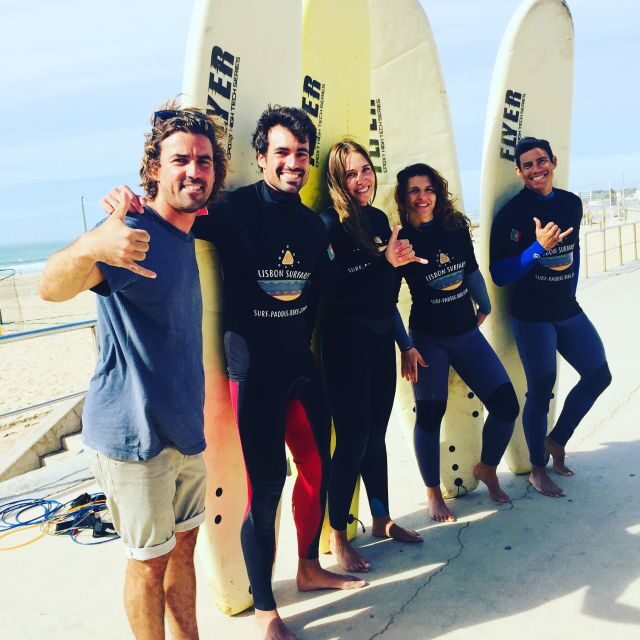
At $47 per person for 2 hours, this lesson can be good value if you’re counting what’s included. You’re not just paying for a guide. You’re getting:
- surf equipment
- a wetsuit and board
- an instructor
- insurance
- transportation to the beach if necessary
That matters because renting gear and factoring in safety coverage can add up quickly in many travel settings. Here, the basics are handled so you can show up and focus.
You’re also paying for a setup that limits how many students one instructor can manage (max 5). That ratio improves the odds you’ll actually get useful coaching, which is the difference between a fun try and a lesson that changes your skills.
If your goal is a first surfing session with confidence-building structure, this price fits the “learn something real” category.
Who should book this surf lesson (and who shouldn’t)
This experience is clearly aimed at learners who can handle time in the ocean and follow safety instructions.
It is not suitable for:
- children under 6
- pregnant women
- people with mobility impairments
If you’re an adult beginner, or a parent with a child who meets the age requirement, you’ll likely enjoy it—especially if you want a short, focused session that ends with real water time and not just beach time.
It also suits travelers who want an activity that feels local. Carcavelos is right there in the Lisbon area, and surfing turns a simple beach visit into something active and memorable.
Practical tips to make your lesson smoother
Because the session starts right at the beach, keep your morning simple. Bring your ID or passport, towel, and sunscreen, and show up ready for a wetsuit and cold Atlantic air.
You should also plan for a lesson format that moves quickly. You’ll gear up, possibly travel if conditions are better elsewhere, then spend the lesson learning and practicing paddling and standing.
If you’re thinking about language: instruction is available in Spanish, English, Portuguese, and French. If you want a specific language, double-check the start when you reserve, since availability can vary by instructor schedule.
Lastly, don’t over-plan the rest of your day. Even though it’s only 2 hours, you’re working hard: paddling, standing attempts, and repeating drills take energy and focus.
Book it or pass it: my honest recommendation
Book this Lisbon surf lesson if you want a beginner-friendly, coach-led session that aims at safety and skill. The value is strong because gear, insurance, and instruction are included, and the small-group (max 5) approach makes it more likely you’ll get the feedback you need to actually improve.
Pass if you fall into the listed unsuitability categories (under 6, pregnancy, mobility impairments). Also consider passing if you’re not comfortable following ocean-safety guidance or you’re expecting a casual beach walk. This is a hands-on lesson that expects participation.
If you’re on the fence about whether you’ll “get it” in just 2 hours, remember the lesson is built to teach wave choice, paddling, and standing in a structured way. For many first-timers, that combination is exactly what turns surfing from scary into fun.
FAQ
How long is the Lisbon surf lesson?
The lesson lasts 2 hours.
Where do I meet for the lesson?
You meet directly at Lisbon Surfaris at Carcavelos Beach, right next to Bar o Moinho.
What is included in the price?
The price includes surfing equipment, an instructor, insurance, and transportation to the beach if necessary.
Do I need to bring my own surfboard or wetsuit?
No. Surf gear, including a wetsuit and board, is provided.
Which beach will you surf at: Carcavelos or Guincho?
You’ll go to Carcavelos or Guincho, depending on the weather conditions on the day.
Is this lesson private or shared?
You can choose between a shared lesson or a private lesson (private or small groups are available).
What should I bring and what ID do I need?
Bring passport or ID card, a towel, and sunscreen.