REVIEW · CASCAIS
Cascais: Dolphin Watching Speedboat Tour
Book on GetYourGuide →Operated by Dolphinexplorers · Bookable on GetYourGuide
Dolphins off Cascais are a real thrill. This speedboat outing runs when the sea allows, with expert guidance as you search for wild dolphins (and sometimes whales) along the Lisbon coast. It’s not a long, slow cruise. It’s a focused, nature-first hunt for cetaceans, with a schedule that shifts to match weather and visibility.
I especially love how the crew looks for animals without treating them like a show, and how the guides named in the group experience (like João and Rui) explain what you’re seeing in a practical, down-to-earth way. My other favorite touch: when conditions change, they keep working to give you the best chance—sometimes extending time when sightings are close. One drawback to plan around: there’s no toilet on board, so you’ll want to use the restroom before you leave.
In This Review
- Key things to know before you go
- Cascais Marina to the Open Water: what the start really feels like
- The first hour on the speedboat: why it’s more than just transport
- What I’d do before you go
- The secret stop: the best chance for dolphins, and why they linger
- Whale and seabird possibilities
- The best viewing mindset
- How the crew makes closeness feel responsible
- What the “thrill” feels like, and who should (and shouldn’t) join
- You’ll likely enjoy it if
- You might want to rethink it if
- Price and value: $76 for speed, safety gear, and time on wildlife
- Best time to go: morning calm gives you an edge
- What to bring so you don’t spend the tour fighting discomfort
- Quick reality check: what you can reasonably expect to see
- Should you book the Cascais dolphin speedboat tour?
- FAQ
- How long is the dolphin watching tour from Cascais Marina?
- Where do I meet for the tour?
- What time should I arrive at the meeting point?
- Are life vests included?
- What kinds of animals might I see?
- Is there a toilet on board?
- What should I bring?
- Who is the tour not suitable for?
- How does cancellation work?
Key things to know before you go
- Speed plus wildlife time: about an hour of fast cruising, then a longer wildlife viewing stretch
- Respect-first spotting: they aim for close views without chasing, and they explain the behavior you’re seeing
- Year-round operation with weather-aware timing: tours run whenever sea conditions allow
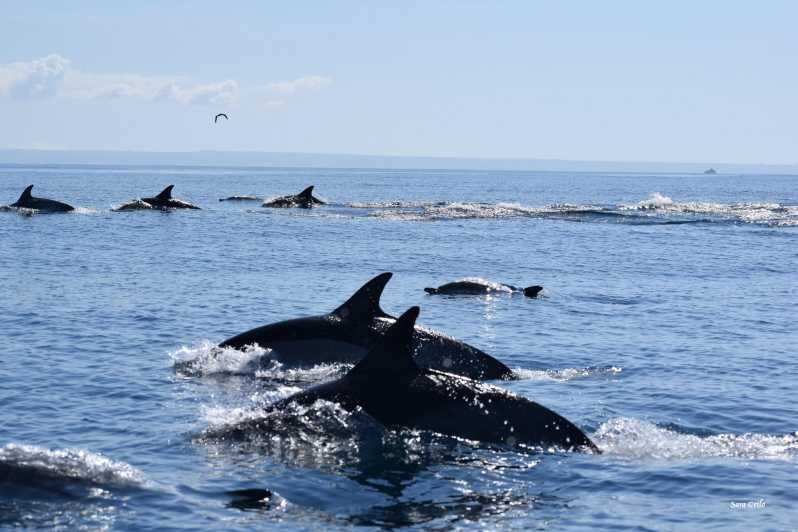
- Real variety of cetaceans: common and bottle-nose dolphins show up often, and other sightings can happen too
- Comfort choices matter: wind can be part of the experience, so a windbreaker helps
Cascais Marina to the Open Water: what the start really feels like
Your tour begins at Cascais Marina Pier M, near the restaurant Trium. You’ll check in, get a short safety briefing, and then head out on a boat designed for motion—so go in expecting speed, spray, and wind. The meeting time is arranged at booking, so plan to arrive 15 minutes early. That small buffer matters because you’ll be geared up and ready before the engines fire.
One practical detail: you must wear the life vest provided on board, and it’s treated as standard safety gear, not an optional add-on. If you’re the kind of person who runs cold, ask about jackets for wind—some guests request them, and that can make a big difference once you’re moving along the coast.
The crew operates in multiple languages, including English, French, Spanish, and Portuguese, so you’re not stuck guessing. For me, that matters because dolphin and whale behavior isn’t just “look at that.” It’s why they surface, how they travel, and what their social behavior means.
You can also read our reviews of more dolphin watching tours in Cascais
The first hour on the speedboat: why it’s more than just transport
The early part of the outing is a speedboat run—about an hour—out along the coastline in search of wildlife. This is where the “speed” earns its keep. Dolphins don’t sit still, and sightings can pop up in patches. A faster vessel helps you reach the right waters without burning the whole tour in transit.
Expect a lively ride. Even when seas aren’t rough, the boat motion can feel like a controlled rollercoaster—fast changes in direction, waves coming up along the hull, and wind in your face. The good news from guest accounts is that the ride is often described as surprisingly manageable when conditions cooperate, and the crew pays attention to passenger comfort. One of the standout practical themes: they stay alert if someone feels sea-sick and help them focus on something else until the motion passes.
What I’d do before you go
If you’re sensitive to motion, dress for it:
- Bring a windbreaker (more important than you might think)
- Sunscreen is smart—sun plus reflection off the water can sneak up on you
- Eat lightly beforehand if you know you get queasy
You’re here for animals, but you want your body to enjoy the hunt too.
The secret stop: the best chance for dolphins, and why they linger
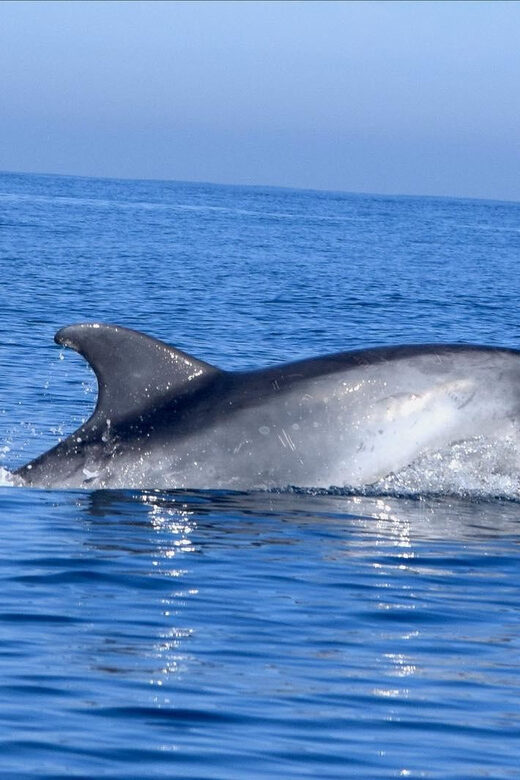
After the speed run, the tour settles into a wildlife viewing stretch of about an hour. This is the part that usually turns the outing from fun to unforgettable, because the crew stops long enough for real observation instead of constant rushing.
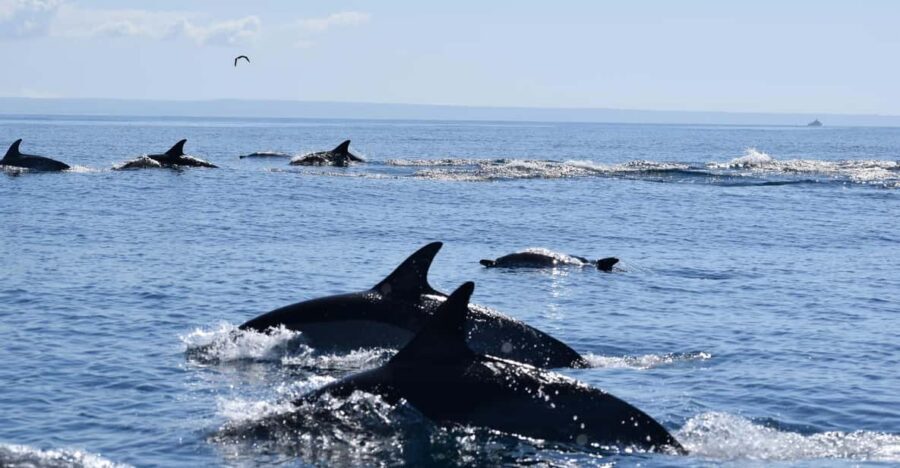
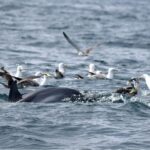
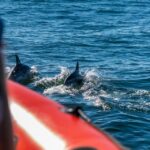
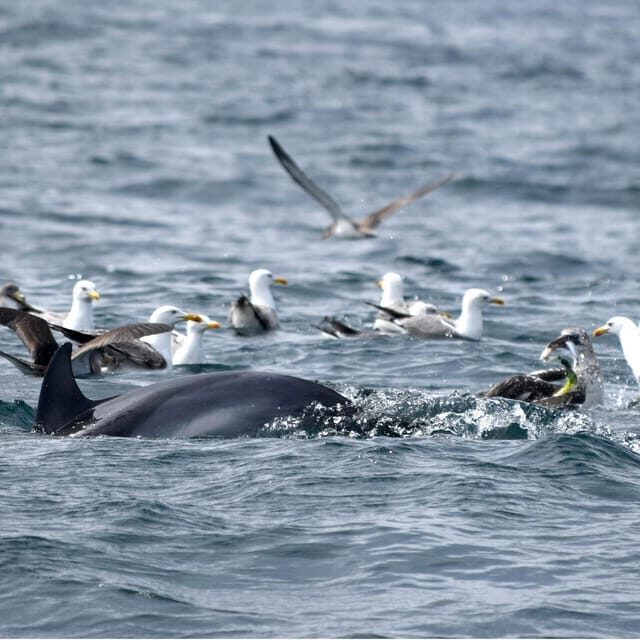
Depending on the day, you may see multiple pods of dolphins—often common and bottle-nose dolphins. Sometimes dolphins swim right alongside or under the boat, and the behavior is different depending on whether they’re feeding, traveling, or just playing. If you’re curious, pay attention to the guide’s explanations. Guests consistently note that the crew doesn’t just point; they connect the animal behavior to what you’re seeing in real time.
Whale and seabird possibilities
The tour also targets the bigger ocean picture: whales and seabirds can show up depending on conditions and where the animals are feeding. Some trips include glimpses of whales such as a fin whale sighting, and at least a few accounts mention orcas. That doesn’t mean you’ll see them every time, but it does mean the search is taken seriously.
From a practical standpoint, a boat that can reposition quickly is the difference between “we saw nothing” and “we found the animals late but still had time to enjoy them.” Several experiences describe the crew working hard to locate dolphins quickly—or extending the time when the action is just starting.



The best viewing mindset
Don’t assume the dolphins will behave on cue. The best moments often come when you:
- Let the guide choose the location
- Keep your eyes scanning for surfacing, not just looking at the water in front of you
- Accept that the most intense moment might be brief, then more activity follows
This kind of tour rewards patience without requiring hours of boredom.
How the crew makes closeness feel responsible
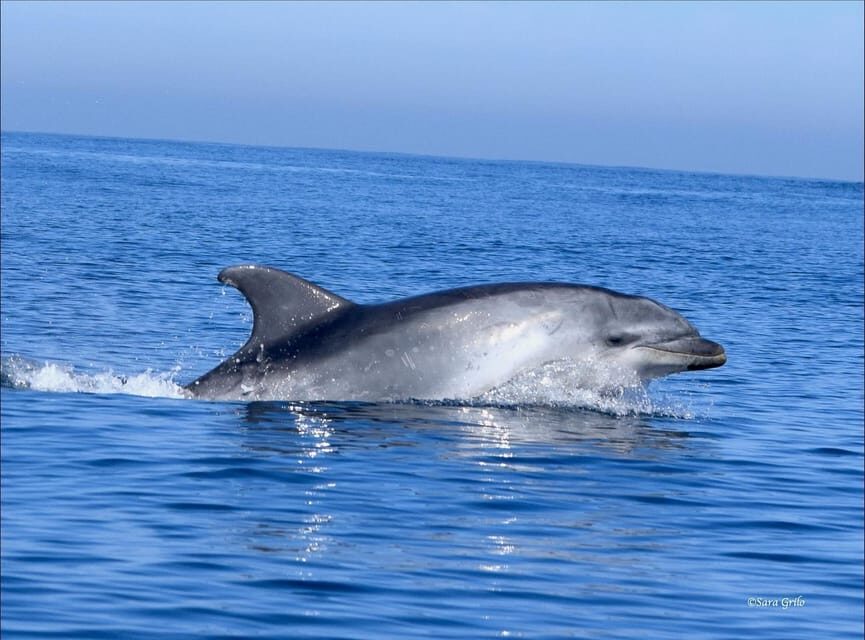
One of the highest-rated themes is respect. Guests describe the guides as careful about animal behavior—staying mindful about how close the boat gets and when to watch from farther out. That tone matters because dolphin watching works only if you treat the animals as the main event, not the prop.
There’s also a hands-on example of care in the way the crew deals with ocean hazards. One account describes the guides stopping to retrieve a fishing net considered dangerous to marine life. They then used the moment to explain details like spotting a baby crab. That’s not just “nice.” It’s education tied to real conservation behavior, and it helps you understand why they emphasize not chasing the animals.
If you want a dolphin tour that treats nature like nature—not a theme park—this is the right style.
What the “thrill” feels like, and who should (and shouldn’t) join
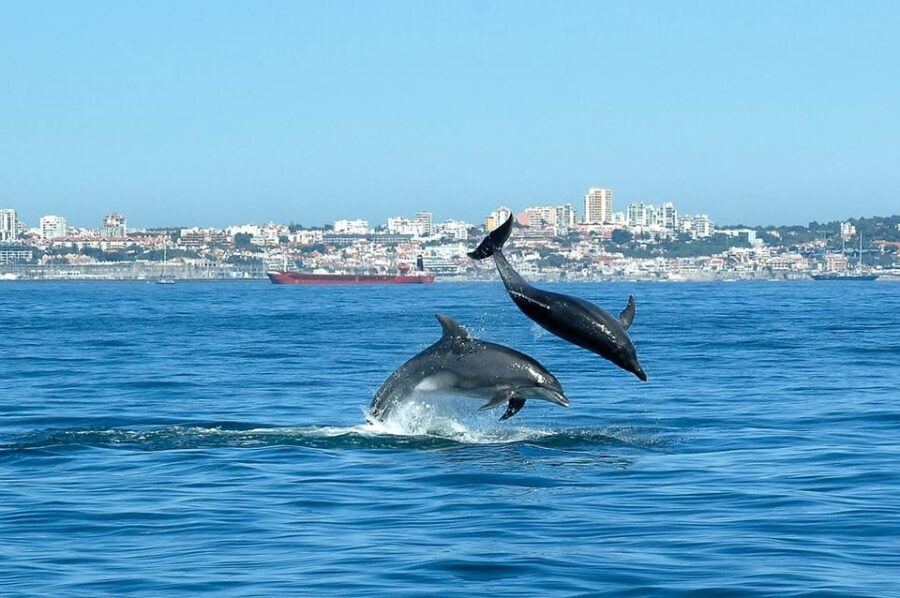
This tour is exciting. The speedboat portion creates energy, and when dolphins appear, it’s hard not to get swept up in the moment. But the experience comes with physical realities.
You’ll likely enjoy it if
- You want a hands-on wildlife experience, not a slow boat ride
- You like active guides who explain what to look for
- You’re okay with wind and splash
You might want to rethink it if
The activity isn’t suitable for:
- Children under 4
- Pregnant women
- People with back problems
Also note the practical issue: no toilet on board. If that’s a dealbreaker for you, plan your timing carefully.
A final point: pets aren’t allowed, and alcohol and drugs aren’t permitted. That keeps the ride safer and more respectful for everyone aboard.
Price and value: $76 for speed, safety gear, and time on wildlife
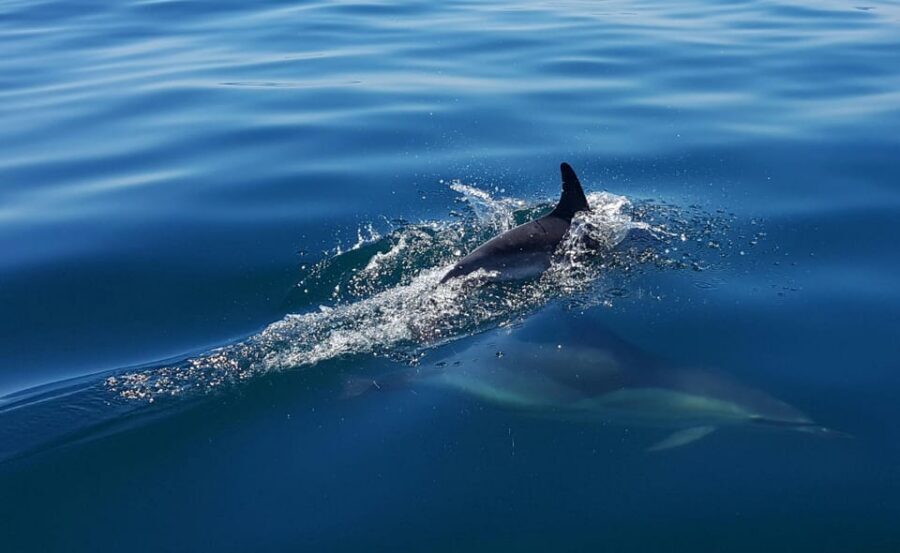
At $76 per person for up to 2 hours, this isn’t the cheapest thing you can do in Cascais. But it also isn’t overpriced for what you’re actually buying.
Here’s where the value comes from:
- You’re paying for a boat that can find wildlife instead of just drifting
- The tour includes mandatory life vests (and wind jackets can be requested)
- You get a live guide in multiple languages who helps you interpret sightings
- The experience can stretch when conditions and animal timing allow, which can be a meaningful upgrade
Several experiences describe the tour running longer than the expected time when they found dolphins or whales. There are also accounts of the company offering repeat tours when weather shut down the first attempt. That kind of flexibility isn’t guaranteed in every case, but it signals a service mindset: don’t just run the schedule and clock out.
Best time to go: morning calm gives you an edge
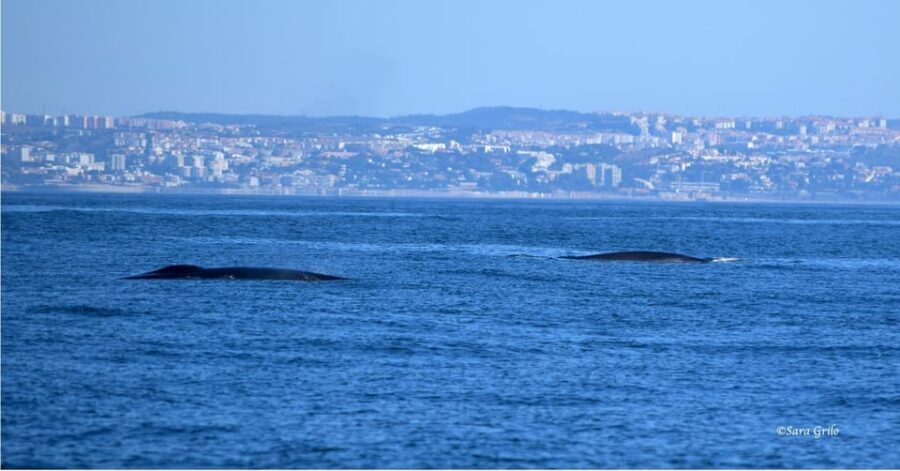
The company recommends morning tours because seas are often calmer and winds lighter. That recommendation lines up with what you’d expect from a coastal speedboat outing. Less wind and less chop means:
- better comfort on the ride
- easier spotting of surfacing behavior
- a more relaxed, longer-quality wildlife viewing session
That said, tours run at various times throughout the day depending on conditions, so if mornings don’t work for you, you still have options. You just want to be ready for the fact that the sea controls the pacing.
What to bring so you don’t spend the tour fighting discomfort
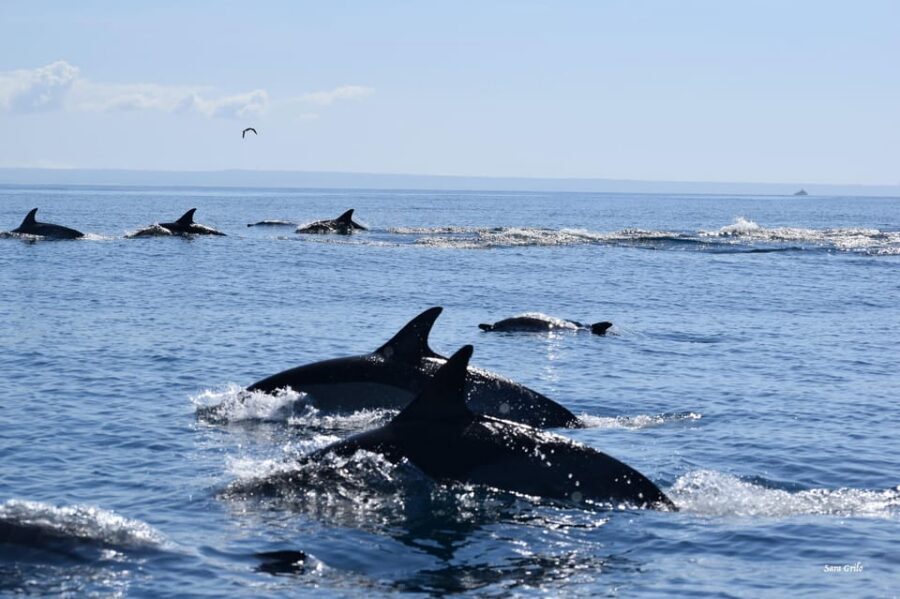
For a two-hour outing with wind and spray, pack like you’re going to the coast—not like you’re sightseeing in a museum.
Bring:
- Windbreaker
- Sunscreen
Helpful add-ons (based on the reality of being on a fast boat):
- Something snug for your hair and sunglasses
- A light layer if you get cold easily, since sea wind can feel colder than you expect
And remember:
- No toilet on board
- Life vest is required
- You can request jacket options for the wind
Quick reality check: what you can reasonably expect to see
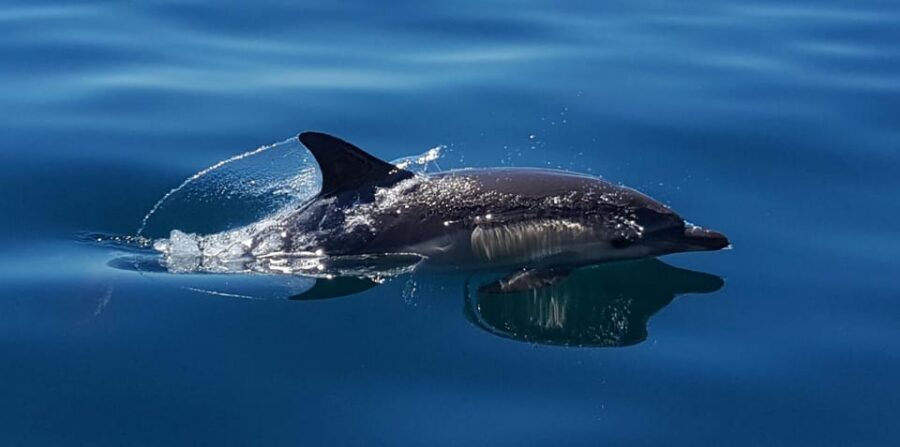
The headlines promise dolphins, whales, and seabirds, and that’s what the crew is tuned to watch for. In practice, dolphin sightings are the most common “yes,” while whale sightings depend on the day.
Some experiences include:
- Common and bottle-nose dolphins close to the boat
- Multiple pods over the course of the outing
- Occasional rarer sightings like orcas, harbor porpoises, and whale glimpses
The takeaway: you’re not buying a guaranteed whale encounter. You’re buying guided time in productive waters, with the ability to move fast and the focus to make every minute count.
Should you book the Cascais dolphin speedboat tour?
Book it if you want:
- a fast, active dolphin-watching experience from Cascais Marina
- a guide who helps you understand behavior, not just a vehicle that drives you near water
- a tour built around wildlife respect and comfort-focused safety basics
Skip it (or consider another format) if:
- you can’t handle wind or boat motion
- the idea of no toilet on board is a problem
- you fall into one of the listed groups for unsuitability (under 4, pregnant, back problems)
If you’re flexible on time and you match the tour style to your comfort level, this is the kind of coastal outing that turns into a real story you’ll be glad you made room for.
FAQ
How long is the dolphin watching tour from Cascais Marina?
The duration is up to 2 hours.
Where do I meet for the tour?
You meet at Cascais Marina Pier M, in front of the last restaurant called Trium.
What time should I arrive at the meeting point?
Arrive 15 minutes before departure for a safety briefing and a quick activity overview.
Are life vests included?
Yes. Life vests are mandatory and provided on all tours. Jackets for wind can be provided upon request.
What kinds of animals might I see?
The experience focuses on dolphins, whales, and seabirds, with dolphin sightings being the most frequent.
Is there a toilet on board?
No, there is no toilet on board.
What should I bring?
Bring a windbreaker and sunscreen.
Who is the tour not suitable for?
It’s not suitable for children under 4 years, pregnant women, and people with back problems.
How does cancellation work?
Free cancellation is available up to 24 hours in advance for a full refund.