REVIEW · CASCAIS
Walk Tour in Historical Cascais
Book on Viator →Operated by Pipefly · Bookable on Viator
Cascais opens up on foot. This guided historical walking tour links seaside scenery with the town’s older layers, from a town hall square and bay viewpoints to fortified lanes, the citadel area, and finally Boca do Inferno.
I especially like the small group format, with limits around 15 (and up to 20 depending on the departure). You meet right at the Cascais Visitor Center, get a mobile ticket, and spend about 2 hours moving at a comfortable pace with moderate walking.
I also love how the guide brings the stops to life; in sessions led by Pedro, the storytelling is detailed and engaging, and he even shares practical restaurant ideas. The one watch-out: the stretch toward Boca do Inferno can feel long if the ocean is calm and the viewpoints seem less dramatic, so bring comfy shoes and stay ready for a bit of walking.
In This Review
- Key takeaways before you go
- Why this Cascais walk works so well for first-timers
- Price and value: what $30.10 really buys you
- Meeting point and timing: the simple way to plan your half day
- How strenuous is it, really?
- Town hall square and the statues of Dom Pedro and Dom Luis
- Baía de Cascais: bay views and the old house around the water
- Old fortified walls and narrow roads: the Cascais you can’t drive past
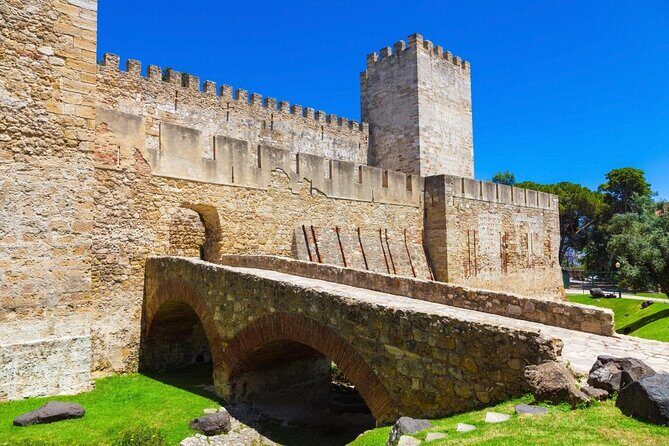
- Citadel stop: where the guide turns scenery into context
- Marina de Cascais: a calmer waterfront change of pace
- Santa Marta lighthouse and the House of Santa Maria, outside only
- Boca do Inferno: the coastal finish that depends on the day
- Tips to make the most of your 2 hours
- Should you book this Historical Cascais walking tour?
- FAQ
- How long is the Walking Tour in Historical Cascais?
- Where does the tour start?
- Is the tour offered in English?
- How large is the group?
- Can I choose a morning or afternoon tour?
- What fitness level is required?
- What happens if the weather is poor?
Key takeaways before you go
- Meet at Cascais Visitor Center for an easy start right in the center
- A true 2-hour plan that fits a half-day in Cascais
- Old town + coastline in one loop with bay views, walls, and narrow streets
- Citadel history stop that adds context beyond photos
- Marina and lighthouse area with landmarks seen from outside
- Boca do Inferno finish plus a park walk to end with sea views and open space
Why this Cascais walk works so well for first-timers
If Cascais is on your list, you’ll probably want two things fast: orientation and stories. This tour is built for exactly that. In a couple of hours, you’ll walk through the places that help you understand how Cascais grew along the water, not just where to take pictures.
What makes it feel “right” is the mix. You don’t only stop at major sights. You also get the in-between sections: squares, old-house perspectives around the bay, and the narrow roads that make historical towns feel like towns instead of museums.
You can also read our reviews of more walking tours in Cascais


Price and value: what $30.10 really buys you
At $30.10 per person for about 2 hours, you’re paying for something you can’t replicate easily on your own: a guided thread that connects the sights. The stops are spaced in a way that helps you build a mental map of Cascais, from the civic center to the fortified edges and out toward the coastline.
This is also good value because it stays small. With a group capped around 15–20, you’re more likely to ask a question and actually get an answer instead of waiting for the tour to move on. If you like getting quick, practical context—history, what you’re looking at, and where to go next for food—that can make the price feel even easier to swallow.
Meeting point and timing: the simple way to plan your half day
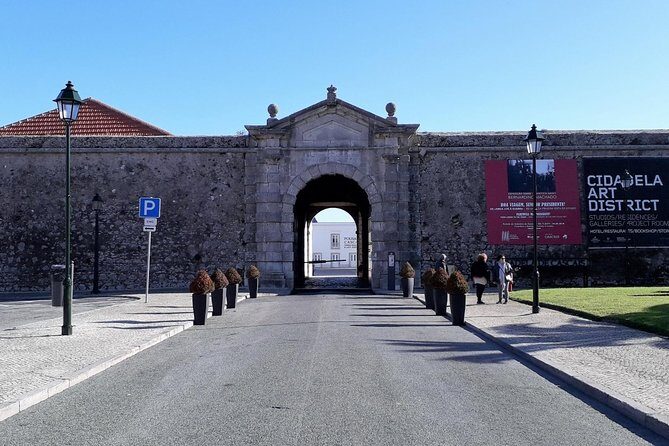
You start at Cascais Visitor Center, Praça 5 de Outubro, 2750-320 Cascais, Portugal. The activity ends back at the meeting point, so you’re not scrambling to find transit later or wondering how to get back with sore feet.
You can choose a morning or afternoon tour, which matters in the real world. Morning tends to feel calmer for photos and walking, while afternoons can suit people who want to sleep in or build this tour around other plans.
One more practical note: the tour requires good weather. If weather conditions are poor, you’ll be offered a different date or a full refund. I like that approach because it keeps the experience from turning into a rushed slog.
How strenuous is it, really?
The route is described for people with moderate physical fitness. That usually means you should expect steady walking on town streets, plus some uneven ground that often comes with old areas like fortified walls and narrow lanes.
This isn’t marketed as a hardcore climb, but it does include multiple stops and enough movement to make shoes important. If you’re the type who gets worn down after a couple of hours of walking, plan to pace yourself and use the stop moments to rest your legs.
Town hall square and the statues of Dom Pedro and Dom Luis
The tour begins by orienting you with the civic heart of Cascais: the town hall area and the square in front, including statues of Dom Pedro and Dom Luis.
This first stop works for two reasons. First, it anchors you fast in the town center, so later streets and sea views won’t feel random. Second, statues and official spaces often point to the themes that shaped the town—who mattered, and how power and identity were displayed in public.
If you want an easy win early, arrive a few minutes before start time and look around before the group starts moving. Even a short scan helps you connect the square to what you’ll see later along the bay.






Baía de Cascais: bay views and the old house around the water
Next, you’ll head to see Baía de Cascais and the older house around the bay area. This is where the tour starts feeling like a coastal story instead of a list of landmarks.
I like this kind of stop because it gives you context for why Cascais developed where it did. You can clearly see the relationship between town and shoreline, and the guide’s explanation helps you understand what you’re seeing beyond the obvious.
A practical tip here: if you’re thinking about where you’ll return for sunsets or linger time, this bay viewpoint is a strong candidate. Even if you don’t stay long, you’ll remember where the water sits in relation to the streets.
Old fortified walls and narrow roads: the Cascais you can’t drive past
Then comes the part that makes historical walking tours worth it: the wall of the old fortified town and the narrow, typical roads of Cascais.
This is the zone where photos alone don’t do justice. Narrow lanes make you slow down, turn your head, and notice details you’d miss from a bus window or a quick street crossing. The walls also give you a sense of how the town tried to protect itself while still living close to the sea.
The drawback is simple: narrow streets can feel a little tighter for people who move slowly, especially in a group. With a small cap, it’s still manageable, but don’t expect wide sidewalks everywhere.
Citadel stop: where the guide turns scenery into context
Next is a visit to the citadel and learning its history. Even if you’re not the type who reads museum plaques, a guided history stop is useful here because it connects the physical space to the town’s role and mindset over time.
Think of this as the tour’s backbone. Before you reach the more open marina and lighthouse areas, the citadel gives you a reason for the layout. It helps you understand why the old town edges feel the way they do and why the coastline matters so much in Cascais.
If you like asking questions, this is a good moment to do it. The citadel stop is exactly the kind of place where one extra detail can make the rest of the walk click.
Marina de Cascais: a calmer waterfront change of pace
After the citadel, you’ll walk through Marina de Cascais. This is a shift in mood. You go from defensive and historic to practical and maritime, with an easier strolling rhythm.
This stop is handy because it shows you how today’s Cascais also lives around the water. It’s not only about old stone and walls; it’s about the continuing relationship between the town and the coast.
Even if you’re not a sailor, the marina area is a good time to take a breath. You’ve covered enough older streets by then that a flatter, more open waterfront feels like a reward.
Santa Marta lighthouse and the House of Santa Maria, outside only
Then you’ll see the Santa Marta lighthouse and the House of Santa Maria from outside. This is the kind of stop that’s more about position than entry.
What’s useful is that the guide helps you connect these landmarks to the coastline. You’re not just ticking sights; you’re learning how each point relates to the broader seafront picture.
Because these are outside-only observations, keep your expectations practical. You might not get long lingering time at each view, so use the moments you have to look in both directions: back toward town and out toward the water.
Boca do Inferno: the coastal finish that depends on the day
The last standout stop is Boca do Inferno, followed by another phase that includes going through the park area (from outside).
This part is the tour’s emotional payoff: it’s the dramatic-sounding name, the coastline proximity, and the “end of the walk” feeling when you finally get that last stretch of sea air. That said, the ocean conditions can change the vibe.
One of the most honest drawbacks I’d flag for you is this: if the ocean is very calm, Boca do Inferno may feel less exciting than you hoped, and the walk there can seem like a lot for what you see. If you want more drama, build your day around better weather and calmer crowds, and don’t treat the stop as a guaranteed show.
Still, even on a quiet day, it’s valuable because you’ll have learned how Cascais connects its old edges to the sea. That’s what you’re buying with a guided route.
Tips to make the most of your 2 hours
Here’s how I’d set myself up so the tour feels smooth, not rushed.
- Wear shoes you trust. Narrow lanes and old-town surfaces can be less forgiving than modern streets.
- Bring water or plan to buy it before you start. Even easy tours add up when you’re walking continuously.
- Ask your guide about food during the walk. In the style of guides like Pedro, good restaurant pointers can be a major bonus after you finish.
- If you’re choosing between morning and afternoon, go with the one that matches your energy. This tour is short, but you’ll still feel it after a full day.
- Use the guide for orientation, not just facts. The value is in understanding where you are in Cascais and how the coastline shapes the town.
Also, if you hate being late, treat the meeting point time seriously. Starting from Cascais Visitor Center keeps everything tidy, but you’ll enjoy it more if you don’t sprint to catch up.
Should you book this Historical Cascais walking tour?
I’d book it if you want a first-pass understanding of Cascais without spending hours planning your own route. The combination of bay viewpoints, fortified-old-town streets, a citadel history stop, and a finish near Boca do Inferno gives you a strong overview in about 2 hours.
Skip it (or choose a different activity) if you only want the most iconic stops and you’re not in the mood for a longer stretch near the end. If calm ocean conditions are likely during your dates, the Boca do Inferno payoff may feel quieter.
Overall, for the price, the small group size, and the guided flow between civic square, old walls, citadel history, marina, and the coast, this is a practical way to see Cascais like you understand it, not just like you passed it.
FAQ
How long is the Walking Tour in Historical Cascais?
It’s planned for around 2 hours.
Where does the tour start?
You meet at Cascais Visitor Center, Praça 5 de Outubro, 2750-320 Cascais, Portugal.
Is the tour offered in English?
Yes, it’s offered in English.
How large is the group?
The tour is run as a small group, with a maximum of 15 travelers (and the tour format also notes a group cap of up to 20).
Can I choose a morning or afternoon tour?
Yes, you can choose either a morning or an afternoon departure.
What fitness level is required?
Moderate physical fitness is recommended since it’s a walking tour.
What happens if the weather is poor?
The tour needs good weather. If it’s canceled due to poor weather, you’ll be offered a different date or a full refund.