A home kitchen in Cascais beats restaurants. This private workshop turns a typical dinner into a real-life lesson in Portuguese family cooking, led in English by hosts who cook with you, not at you. You’ll learn a traditional menu approach and pair it with Portuguese wines from demarcated regions like Douro and Alentejo.
Two things I love: the hands-on home feel (you’re in someone’s kitchen, not in a classroom), and the focus on regional flavors, including the slow-roasted centerpiece Alcatra à Açoreana. One thing to consider: the meeting directions can be a little confusing, so double-check how you’re getting there and confirm where you should be at 7:00 pm.
In This Review
- Key highlights before you go
- A private Portuguese cooking workshop, not a showroom dinner
- What makes the menu choice feel authentic
- The evening flow: how a 3-hour home dinner usually plays out
- Alcatra à Açoreana: what to expect from the star dish
- A quick mindset shift for first-timers
- Wine pairings from Douro and Alentejo (and why they fit the food)
- Logistics that actually matter: address, timing, and directions
- What to wear and bring
- Who this workshop is best for (and who might want something else)
- Price and value: what $114.28 buys you (and why it can be fair)
- Weather matters here: plan like a pro
- Should you book this Cascais Portuguese cooking workshop?
- FAQ
- FAQ
- Where is the cooking workshop meeting point?
- What time does the workshop start?
- How long is the experience?
- What language is the workshop offered in?
- Is this a private experience?
- What is the sample main dish?
- Are Portuguese wines included?
- Do I need to print anything, or is it a mobile ticket?
- What happens if the weather is bad?
- Is free cancellation available?
Key highlights before you go
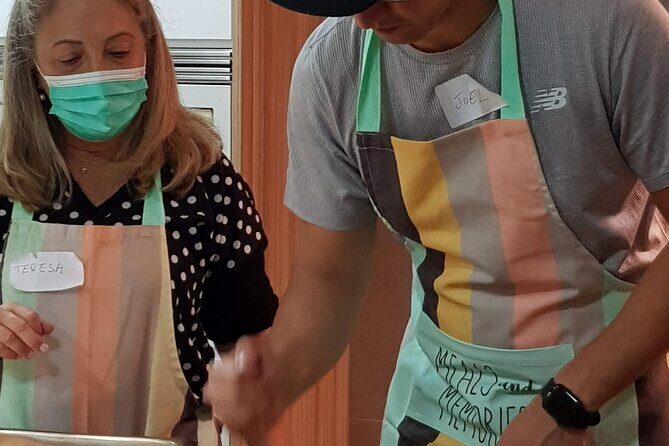
- Hands-on cooking in a real home with hosts Teresa and Mario guiding you in English
- Portuguese wine pairings tied to demarcated regions such as Douro and Alentejo
- Alcatra à Açoreana: very slow roasted beef in an Azores clay pot
- Private by design: only your group participates
- 3 hours at a relaxed pace, ending back where you started in Aldeia de Juso
A private Portuguese cooking workshop, not a showroom dinner
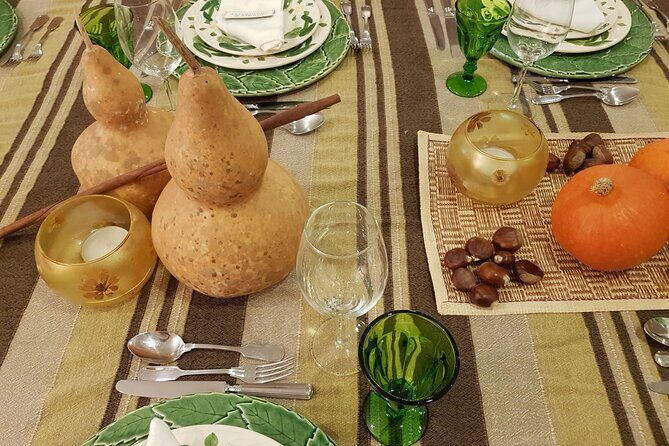
If you want Portugal to feel real, do it at table level. This cooking workshop in Cascais is built around a family-style way of eating and cooking: you’ll be taught traditional recipes, you’ll work alongside your group, and you’ll eat what you helped make. It’s not a quick tasting. It’s a full evening rhythm, paced for conversation and real technique.
The setting matters. Several details point to the same idea: you’re not just paying for food. You’re paying to be welcomed into someone’s home and learn how they do things there. Hosts Teresa and Mario are specifically mentioned for making people feel like part of the family, and that warmth shows up in how the evening runs—more talk, more comfort, more time to ask questions while you cook.
You also get a food-and-drink pairing that makes sense in Portugal. The wine focus isn’t random. It’s tied to demarcated Portuguese regions like Douro and Alentejo, plus others. Even if you’re not a wine expert, this structure gives you an easy way to notice differences: fruit, weight, tannin, and how the wine behaves alongside slow-cooked meat.
You can also read our reviews of more tours and experiences in Cascais.


What makes the menu choice feel authentic
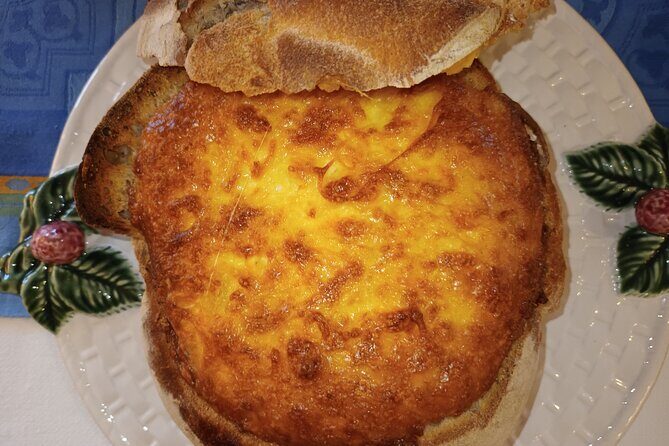
The workshop highlights one main course clearly: Alcatra à Açoreana, very slow roasted beef cooked in an Azores clay pot. That alone tells you the evening is aiming for Portuguese tradition, not quick modern fusion.
And slow-cooked meat in clay matters for more than “story.” When food cooks slowly, you get deeper flavors and a texture that tastes different from anything cooked fast. It also changes the pacing of the night. The workshop is built around taking your time, smelling, tasting as you go, and ending with a proper dinner feeling rather than a rushed plate.
The evening flow: how a 3-hour home dinner usually plays out
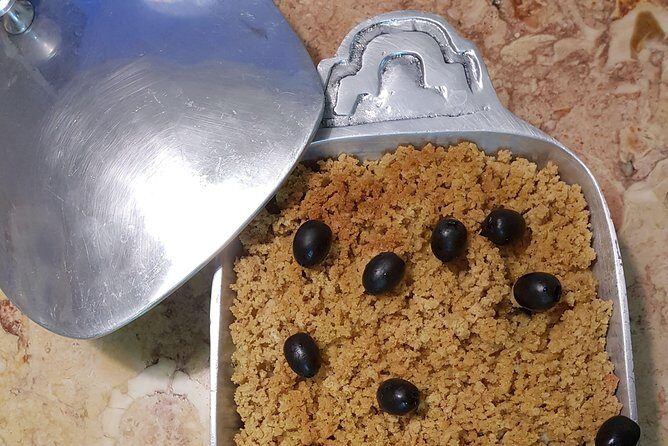
You should expect a compact evening schedule—about 3 hours—centered on cooking, eating, and drinking together. The exact step-by-step timing isn’t spelled out in the details you have, but the shape of the experience is clear from the way the workshop is described: learn traditional recipes, cook as a group, and eat with Portuguese wines.
Here’s the practical way to think about your night:
First, you arrive and settle in. You start at R. Dórdio Gomes 58, 2750-836 Aldeia de Juso, Portugal at 7:00 pm. This matters because the workshop is run from a home base, not a central city studio. If you’re using maps, trust the address and be ready to verify with the host if anything looks off.
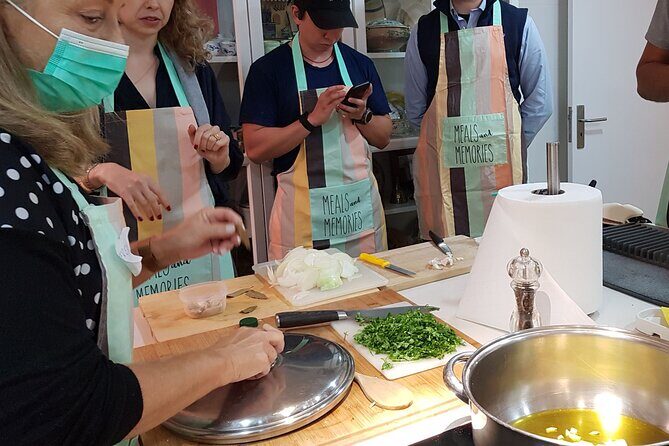
Then, you cook together. The workshop is hands-on. That means you’ll likely be doing real prep steps or assisting with cooking tasks rather than just watching. It’s also why English instruction is listed as offered—so you can follow what’s happening and why, not just copy motions.
Finally, you sit down to the meal. The described centerpiece is the Alcatra à Açoreana: very slow roasted beef in a clay pot. Even if you’re not told every detail of the rest of the menu, you can count on a dinner built around traditional Portuguese comfort—warm, hearty, and meant for a long, relaxed table conversation.
The ending is simple: the activity ends back at the meeting point. So you’re not dealing with a second location at night or an extra transfer. That’s a small thing, but it reduces stress when you’re traveling.
Alcatra à Açoreana: what to expect from the star dish
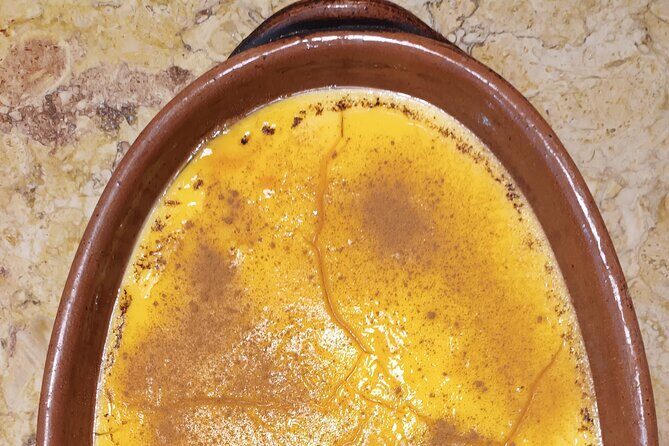
Let’s focus on the main dish listed because it’s the clearest clue to the style of cooking you’ll learn. Alcatra à Açoreana is described as very slow roasted beef cooked in an Azores clay pot.
Here’s why that’s a great workshop choice:
- Slow roast teaches patience. Cooking meat slowly changes the flavor, and it teaches you the logic of timing rather than speed.
- Clay-pot cooking brings a distinct texture. Clay can hold heat differently and help keep the food tender and moist.
- It’s Portuguese through and through. The dish points to Azores tradition, which is exactly the kind of regional specificity that makes a class feel real.
What you should do at the table: ask questions about how they handle the meat and how they taste for seasoning along the way. In a home workshop, you’ll usually get better answers by asking during the cooking rather than after everything is plated. If Teresa and Mario are anything like they’re described, you’ll get friendly, practical explanations while you’re actively cooking.
A quick mindset shift for first-timers
If you’re used to restaurants where everything arrives perfectly timed, a home cooking workshop feels different. You’ll likely be learning while things are cooking, and the evening rhythm may not be rushed. That’s not a flaw—it’s part of the experience. It’s how a family meal works.
So come with an appetite for process. You’ll eat more fully if you’re not only waiting for the final plate.
You can also read our reviews of more tours and experiences in Cascais





Wine pairings from Douro and Alentejo (and why they fit the food)
Portugal isn’t just one taste. It’s many micro-identities. This workshop leans into that by pairing food with wines from demarcated regions such as Douro and Alentejo.
You don’t need to be a sommelier to enjoy it. Think of it as a flavor lesson tied to the meal:
- Douro wines are often structured and can stand up well to slow-cooked meat.
- Alentejo wines often feel rounder and comfortable with hearty flavors.
- The mention of other demarcated regions suggests you may get a small variety, giving you multiple comparisons in one evening.
What I like about this approach is that it helps you connect wine to actual cooking. When you taste alongside the dish the same night, the pairings aren’t abstract. You can decide what you prefer based on what you’re eating, not what a label tells you.
And if conversation is part of the night—and it sounds like it is—wine makes that easier. It gives you a natural topic, plus it’s how many Portuguese meals flow.
Logistics that actually matter: address, timing, and directions
The experience starts at 7:00 pm at R. Dórdio Gomes 58, 2750-836 Aldeia de Juso, Portugal, and it ends back at the meeting point. That simplicity is helpful.
Still, there’s one caution worth taking seriously: the directions can be confusing. People have described a mismatch between what they expected from the written directions and how the meeting actually played out. The practical fix is easy:
- Confirm the exact meeting address before you go.
- Plan your route so you arrive early enough to ask for clarification if the area looks unfamiliar.
- If you’re relying on a ride-hailing app or taxi, keep the address handy and double-check you’re going to the listed starting point.
Since the workshop is private for your group and happens at a specific home location, showing up at the wrong spot would waste time and energy—so don’t wing it at the last minute.
What to wear and bring
The details you have don’t list a required dress code, so use common sense. Wear something you can move in. Kitchens are kitchens, even when they’re charming homes. If you’re carrying a small bag, consider keeping it minimal so you’re not in the way.
Also, bring your normal travel curiosity. Ask about ingredients. Ask how they learned. Ask what they make most often. A cooking workshop in a home is usually as much about relationships and habits as it is about recipes.
Who this workshop is best for (and who might want something else)
This is a good fit if you want a dinner that feels like Portugal, not just food you eat in Portugal.
You’ll probably love it if:
- You like cooking with guidance and want real technique, not just tasting
- You enjoy regional food and regional wine pairings
- You want an evening with warm hosts and a group that stays together
- You prefer a private experience where it’s more personal
You might choose a different option if:
- You hate being in a home kitchen setting (it’s part of the charm)
- You’re very sensitive to schedule changes due to weather, since it requires good weather
- You want a fully structured, restaurant-style timeline where you never lift a finger
The event being private for only your group helps a lot. You’re not competing for attention in a large class, and it should feel more like friends cooking together.
Price and value: what $114.28 buys you (and why it can be fair)
The price is listed as $114.28 per person for about 3 hours, offered in English, in a private setting for your group. On paper, cooking classes can range wildly. Here’s how I’d judge the value using only what’s provided:
You’re paying for:
- A private, home-based experience led by hosts Teresa and Mario
- Hands-on cooking connected to traditional Portuguese recipes
- Wine from demarcated regions like Douro and Alentejo
- A specific signature dish focus on Alcatra à Açoreana
- A dining experience that includes time for conversation and learning
That combination matters. If you pay only for food, $114 might feel high. If you pay for instruction, hospitality, and a wine-paired meal with a slow-roasted centerpiece, it starts to look like a fair deal—especially in a location like Cascais where many experiences price at the higher end.
Also, it’s booked fairly well in advance (about 24 days on average). That usually signals something simple: people find it worth planning for. You don’t have to follow the crowd, but it’s a sign the evening lands well with real visitors.
Weather matters here: plan like a pro
This workshop requires good weather. That doesn’t mean it’s canceled constantly. It means the organizers care about how the evening works and they protect the experience quality when conditions aren’t right.
So keep your expectations flexible for a visit. If weather forces changes, the good part is that you should have options (a different date or a full refund is mentioned in the terms you provided). That’s the practical side of booking an outdoor-or-weather-sensitive home event.
Should you book this Cascais Portuguese cooking workshop?
If you want a meal that feels like you were invited, not ticketed, I’d book this. The strongest reasons are simple: hands-on cooking in a home, and a focus on Portuguese regional identity through both food and wine. The Alcatra à Açoreana clay-pot beef detail alone makes the menu feel properly traditional, not generic.
My only real hesitation is logistics. Because directions can be confusing, you should be prepared to follow the address carefully and arrive a bit early. If you do that, the rest looks like a smooth, genuinely memorable evening.
FAQ
FAQ
Where is the cooking workshop meeting point?
It starts at R. Dórdio Gomes 58, 2750-836 Aldeia de Juso, Portugal.
What time does the workshop start?
The start time is 7:00 pm.
How long is the experience?
It runs for about 3 hours.
What language is the workshop offered in?
It’s offered in English.
Is this a private experience?
Yes. It’s described as private, so only your group will participate.
What is the sample main dish?
The sample main dish is Alcatra à Açoreana, described as very slow roasted beef in an Azores clay pot.
Are Portuguese wines included?
Yes. The workshop includes Portuguese wines from demarcated regions such as Douro and Alentejo, plus others.
Do I need to print anything, or is it a mobile ticket?
You receive a mobile ticket.
What happens if the weather is bad?
The experience requires good weather. If it’s canceled due to poor weather, you’ll be offered a different date or a full refund.
Is free cancellation available?
Yes. You can cancel up to 24 hours in advance for a full refund.