REVIEW · LISBON
Lisbon City Tour: THE MOST COMPLETE
Book on Viator →Operated by RM Portugal Tours · Bookable on Viator
One smart loop through Lisbon. In about five hours, this Lisbon City Tour strings together Alfama, the Baixa earthquake story, and Belém’s landmark zone—plus calm viewpoints that help you actually understand the city’s shape.
Two things I really like: it pairs Portuguese culture (fado origins in Alfama) with architecture and history you can see in real time, and it builds a route that uses Lisbon’s viewpoints the right way instead of just hopping from one busy photo spot to the next. It’s also a private-style setup, so you’re not stuck shouting over a crowd.
One drawback to consider: the schedule is time-packed and Lisbon’s streets include hills and stairs. Also, some sights on the route list entry not included (like Lisbon Cathedral and Torre de Belém), and with a high-fee tour, you’ll want to be extra careful about day-of communication in case anything goes wrong.
In This Review
- Key highlights that make this tour worth your time
- The meeting point and pace: 9:30 start, 5 hours on foot
- Alfama’s maze and Mouraria context: where fado was born
- Practical note
- Lisbon Cathedral area: the St. Anthony connection and earthquake scars
- Baixa and the 1755 earthquake: how architecture answers trauma
- Why this stop is valuable
- Parque Eduardo VII: seven hills logic plus Portugal and England ties
- Belém’s explorer zone: Torre de Belém and why the river matters
- A good way to experience Belém
- Mosteiro dos Jerónimos: 1 hour in the heart of Belém
- Pastéis de Belém tasting: the sweet finish that feels like a ritual
- What to do with the tasting time
- Miradouros hop: Senhora do Monte to Portas do Sol
- Small tip
- Price and value: what $208.50 buys in real time
- The caution that matters
- Who should book this tour (and who might feel cramped)
- Should you book Lisbon City Tour THE MOST COMPLETE?
- FAQ
- FAQ
- How long is the Lisbon City Tour THE MOST COMPLETE?
- What time does the tour start, and where is the meeting point?
- Is the tour offered in English?
- Is this a private tour?
- What is included in the tour for the price?
- Are admission tickets included for every stop?
- Which major neighborhoods and attractions are on the itinerary?
- Is there a mobile ticket?
- Can I cancel for a full refund?
Key highlights that make this tour worth your time
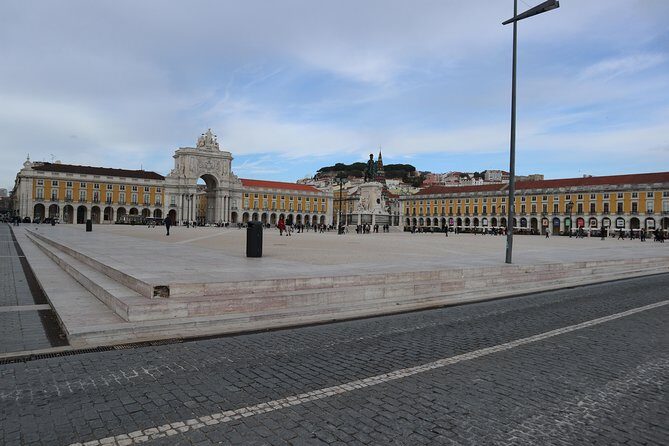
- Alfama + fado origins: you get the emotional, cultural context before you wander the alleys.
- Baixa after 1755: the earthquake story ties directly to the rebuilding style you’ll see on the ground.
- Belém’s explorer axis: Torre de Belém and Jerónimos are placed where the river story makes sense.
- Two major miradouros: Senhora do Monte and Portas do Sol help you feel Lisbon’s “seven hills.”
- Pastéis de Belém stop: a dedicated tasting moment, not just a quick photo.
The meeting point and pace: 9:30 start, 5 hours on foot
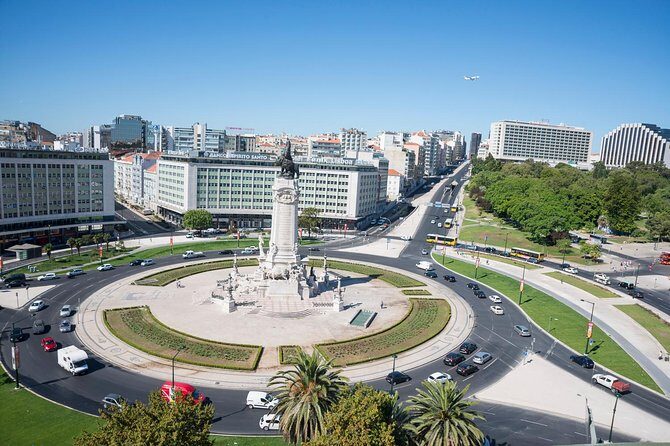
The tour starts at 9:30am at Pç do Marquês de Pombal 8A, 1250-160 Lisboa. It ends back at the same meeting point, which is helpful when you’re planning dinner or hopping on public transport afterward.
At around 5 hours, this is not a slow stroll. You’ll spend about 30 minutes at most stops, with a longer stretch at Mosteiro dos Jerónimos (1 hour). That rhythm is great if you want structure, but you should dress for walking and expect a bit of climbing—Lisbon is famous for its hills for a reason.
It’s also offered in English, and you’ll use a mobile ticket. If you’re the type who likes knowing where you’re going and why, this format tends to work well because every stop connects to the next one.
You can also read our reviews of more city tours in Lisbon


Alfama’s maze and Mouraria context: where fado was born
Alfama is Lisbon’s oldest district, and the tour begins by placing you inside its “medina-like” feel—tight rows, winding alleys, and a neighborhood shaped for defense long before modern streets existed. That early context matters, because it explains why Alfama feels like it’s built for wandering rather than driving.
You also get the cultural link to fado. The tour frames it as the music of longing, with the neighborhood’s melancholy tied to the way Portuguese culture expresses emotion. Even if you’re not a music person, this is one of those moments where understanding the “why” makes the place click.
You’ll have about 30 minutes at Alfama, and the ticket cost for this stop is listed as free. With that short time window, I’d treat Alfama like a walk-through: look, listen, and soak it in rather than trying to do everything at once.
Practical note
This area can feel uneven underfoot and busy in small lanes. Wear shoes you’d trust on cobblestones, and keep your phone handy for quick wayfinding photos—Alfama rewards curiosity, but it also loves turning you into a tiny bit of a detective.
Lisbon Cathedral area: the St. Anthony connection and earthquake scars
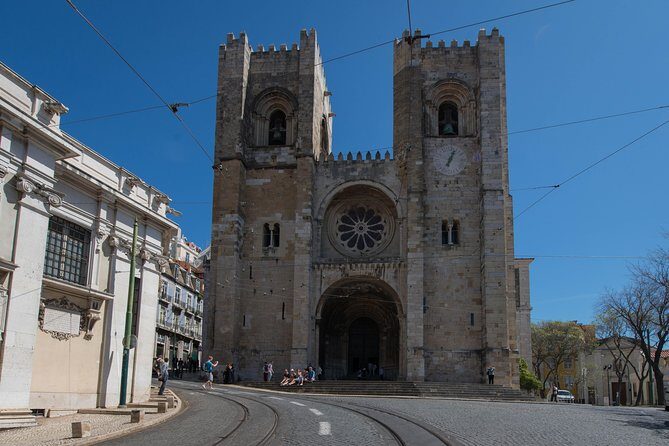
Next comes Lisbon Cathedral (the tour references the church of St. Anthony built on the site connected to St. Anthony’s birth). It’s a neat historical trick: a Christian landmark presented alongside the older layer beneath it, because the site originally included an old mosque.
You’ll also hear how Lisbon’s earthquakes reshaped the city over the years. That idea doesn’t stay abstract here; it sets up the next stop in Baixa, where Lisbon’s rebuilding choices show up in street width and squares.
This stop runs about 30 minutes, and entry is listed as not included. That means you should be ready to pay any required admission at the cathedral area if you want to go inside fully.
Even if you’ve seen a lot of European churches, I like this moment because the tour doesn’t treat the building as a museum object. It treats it as a layer cake: different civilizations, different rebuilding, same city.
Baixa and the 1755 earthquake: how architecture answers trauma
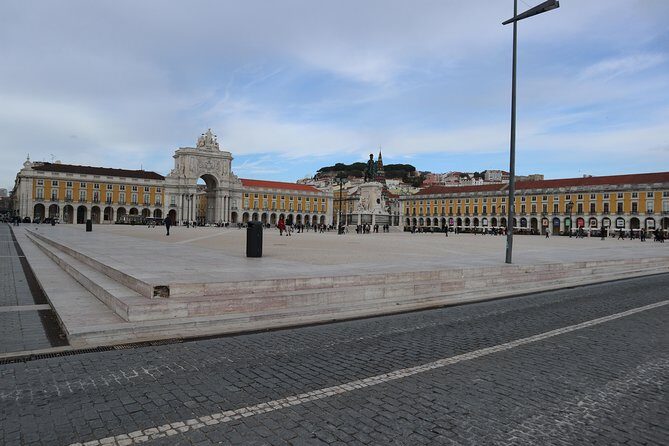
Continuing into central Lisbon, the tour focuses on Baixa and the importance of the 1755 earthquake—plus how it reflects in Portuguese minds and even in Portuguese architecture. The point is simple: Lisbon didn’t just recover; it rebuilt with new ideas.
You’ll learn how the city was reconstructed with wider streets and many squares, and the tour connects those choices to the idea of planning for the future—even acknowledging that similar shocks could happen again. It also references the anti-seismic approach associated with the rebuilding, and the role of Marquês de Pombal in the redesign.
This stop is another 30-minute segment, and it’s listed as free for admission. So you’re spending your time on streets and urban form, not ticket lines.



Why this stop is valuable
If you only visit viewpoints and monuments, Lisbon can feel like a postcard. Baixa grounds the trip. You start to see the city as a living system shaped by events—still visible today in the way people move through the center.
Parque Eduardo VII: seven hills logic plus Portugal and England ties
At the top of Parque Eduardo VII, you get a panoramic view and the tour explains why Lisbon is called the city of the seven hills. This is one of those places where the geography stops being trivia and starts being useful for the rest of your day.
The tour also makes a different kind of connection: Portugal and England through treaties and alliances, and how that relationship influenced Portuguese colonial history in Brazil. That’s not something you usually hear when you’re just taking a skyline photo, and it helps you think about Lisbon as a city with global connections, not only local charm.
This stop runs about 30 minutes, with free admission listed. It’s also a natural reset after the denser streets—views are like a breath, and you’ll feel it when you step back into the walking loop.
Belém’s explorer zone: Torre de Belém and why the river matters
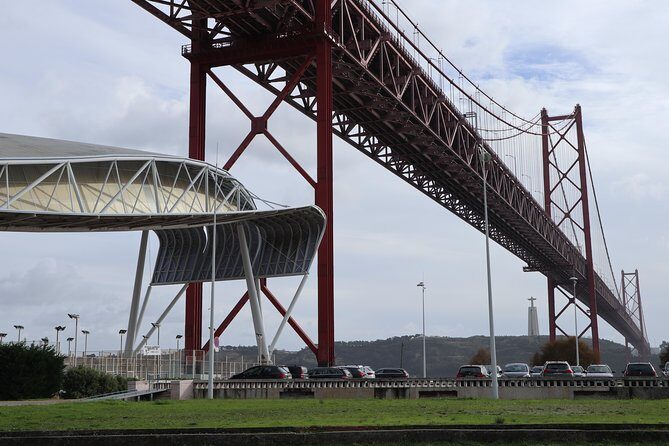
Belém (west of central Lisbon) is where the tour turns historical big and scenic at the same time. The Tagus estuary frames the area, and the tour points out how Belém connects to shipyards and ports—the departure point for Portuguese explorers in the 15th century heading toward sea routes to India, Africa, and Brazil.
You’ll also hear how that wealth fueled monuments and why this part of Lisbon still carries that “age of voyages” energy. And yes, it’s a tourist area, but it’s a meaningful one if your guide keeps connecting sights to stories.
You’ll spend about 30 minutes at Torre de Belém, and admission is listed as not included. So plan on either paying on-site if you want entry or enjoying the exterior views if you prefer to avoid extra costs.
The tour’s next step connects directly into the monastery area, where the story matures from “ships leaving” to “power made stone.”
A good way to experience Belém
Stand where the river shows. Then look at the architecture. When those two visuals match in your head, Belém becomes easier to remember than just another landmark set.
Mosteiro dos Jerónimos: 1 hour in the heart of Belém
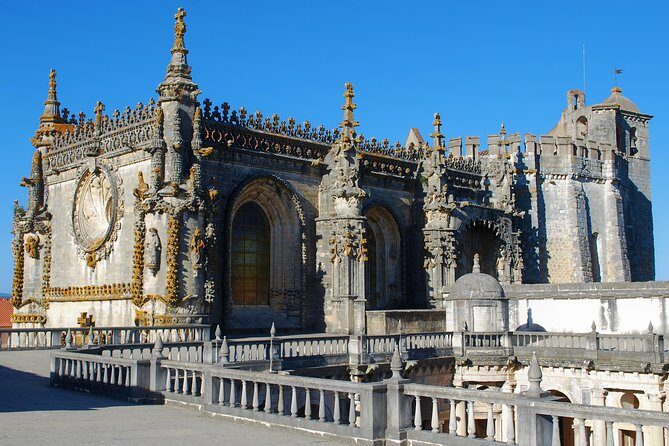
Mosteiro dos Jerónimos (Santa Maria de Belém) is next, and you get the full time allotment: about 1 hour. The tour describes it as a Portuguese monastery built at the end of the 15th century under King D. Manuel I, and it also places it with the Order of Saint Jerónimo.
The most useful thing the guide can do with a stop like this is slow you down just enough to notice details instead of racing through. With a full hour, you have the breathing room to take in the setting and the scale.
Admission here is listed as free. That makes it one of the best value moments in the itinerary—especially compared to stops where entry is not included.
If you care about architecture, Jerónimos is the kind of place where the “look” is only half the point. It’s also about how a nation projected identity through monumental building during the exploration era.
Pastéis de Belém tasting: the sweet finish that feels like a ritual
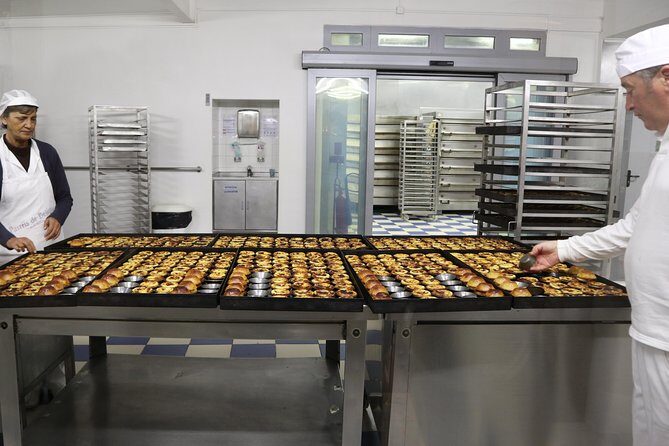
After the big monument energy, the tour includes a stop for a visit and tasting at the Pastéis de Belém factory. The tour frames these as a centenary sweet with a formula that hasn’t changed—tied to the desire to keep selling them in one place.
This segment is listed at about 30 minutes, and admission ticket is shown as free. That means it’s included in the flow of your tour experience, not just a nearby suggestion.
I like this kind of stop because it gives you a payoff that’s both edible and culturally anchored. Lisbon’s history can feel heavy at times; a warm pastry breaks the day in the right way.
What to do with the tasting time
Give yourself permission to actually pause. Eat, stand, look around. If you treat it like a sprint snack, you miss the point of why it’s on the itinerary at all.
Miradouros hop: Senhora do Monte to Portas do Sol
Now you hit two viewpoints that do a smart job of showing Lisbon’s mood from above.
First is Miradouro da Senhora do Monte, described as one of Lisbon’s most important viewpoints and also one of the quietest and least sought after. That “quiet” detail matters. It suggests you’ll get time to look without constant interruption, which is a big deal in Lisbon viewpoint culture.
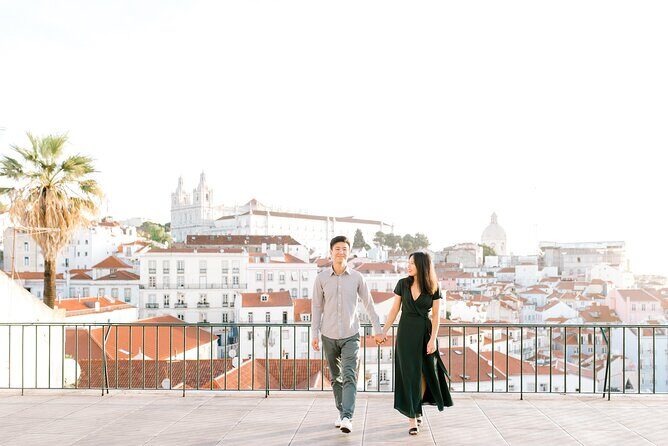
Then comes Miradouro das Portas do Sol, the classic balcony style view of the city. The tour describes it as the kind of view Lisboners would want at home—so you get the romantic side, but still grounded in actual city shape.
Each viewpoint is listed at about 30 minutes, with admission free. The good part about this pairing is contrast: one calmer, one more iconic. Together they help you build a mental map of Lisbon’s hills.
Small tip
Bring a light layer and keep an eye on wind. Viewpoints can feel cooler than you expect, and the Tagus breeze can surprise you even on mild days.
Price and value: what $208.50 buys in real time
At $208.50 per person for about 5 hours, this tour sits in the mid-to-upper range for Lisbon. The value comes from two things you can feel during the day: tight sequencing and a lot of major locations in one loop.
You’re covering:
- Alfama (with cultural context)
- Lisbon Cathedral area (with a specific historical story)
- Baixa and the 1755 earthquake impact on city design
- A major panoramic viewpoint at Parque Eduardo VII
- Belém’s Torre de Belém zone
- Jerónimos monastery
- Pastéis de Belém tasting
- Two miradouros for the “seven hills” experience
So you’re not paying just for transportation. You’re paying for a guided thread that connects the sights into a narrative.
One more value point: the tour lists group discounts and a private tour/activity format, meaning it’s arranged as only your group participating. That can be a big deal if you want the guide to adjust pacing or answer questions without a crowd pressure.
The caution that matters
A high fee also raises the stakes. There’s at least one reported issue tied to a guide not showing up and not responding through the app or phone. That’s not the standard you should assume, but it is enough to treat confirmation and day-of communication seriously.
If you book, make sure your contact details are correct, and keep your confirmation info close. Also, give yourself some flexibility in your schedule that day, so one hiccup doesn’t wreck your whole day plan.
Who should book this tour (and who might feel cramped)
This tour is a strong fit if you want a structured sampler of Lisbon’s biggest themes: old neighborhood character, earthquake-era rebuilding, Belém’s global story, and viewpoint geography. It’s also ideal for your first full day because it helps you orient yourself fast.
It’s less ideal if you want long, slow time in just one area. With several 30-minute stops plus two viewpoints, you may feel rushed if you like to linger.
Also consider the walking and hill factor. The itinerary includes old streets and uphill viewpoint access. Most people can participate, but if you’re sensitive to steep climbs, plan for breaks and pack water.
Should you book Lisbon City Tour THE MOST COMPLETE?
I’d book it if you want your Lisbon day guided, organized, and story-driven—especially if you care about how culture and history show up in actual streets and buildings. The route packs major sights without turning the day into a ticket-stuffed marathon, and the pairing of Belém monuments with miradouros and Pastéis de Belém keeps the energy balanced.
I wouldn’t book it if you hate tight schedules, dislike paying extra for any non-included entry, or you’re extremely risk-averse about last-minute reliability. In that case, you could choose a more flexible sightseeing plan where you can adjust instantly on the day.
If you do book, the best move is simple: treat it like a guided tour with walking stamina. Wear good shoes, bring a light umbrella just in case, and be ready for Lisbon’s hills—because that’s half the fun.
FAQ
FAQ
How long is the Lisbon City Tour THE MOST COMPLETE?
The tour lasts about 5 hours.
What time does the tour start, and where is the meeting point?
It starts at 9:30am at Pç do Marquês de Pombal 8A, 1250-160 Lisboa, Portugal.
Is the tour offered in English?
Yes, the tour is offered in English.
Is this a private tour?
Yes. It’s listed as a private tour/activity, meaning only your group participates.
What is included in the tour for the price?
The tour includes the scheduled stops, including a visit and tasting at Pastéis de Belém. Mobile ticketing is also included.
Are admission tickets included for every stop?
Not all stops include admission. Lisbon Cathedral and Torre de Belém are listed as admission not included, while several other stops are listed as admission free.
Which major neighborhoods and attractions are on the itinerary?
You’ll visit Alfama, Lisbon Cathedral area, Baixa, Parque Eduardo VII, Torre de Belém, Pastéis de Belém, Miradouro da Senhora do Monte, Miradouro das Portas do Sol, and Mosteiro dos Jerónimos.
Is there a mobile ticket?
Yes. The tour includes a mobile ticket.
Can I cancel for a full refund?
Yes. You can cancel up to 24 hours in advance for a full refund.