REVIEW · LISBON
Lisbon: Portuguese Petiscos Tasting Tour by E-Bike
Book on GetYourGuide →Operated by LISBOA AUTÊNTICA LDA · Bookable on GetYourGuide
Lisbon on two wheels feels like getting a local day off to a good start. This tour pairs Portuguese petiscos tastings with an easy-on-your-feet e-bike ride through Lisbon’s biggest historic hits, from the riverfront to the Pombaline downtown grid. I especially love the way you get actual food stops (not just samples) and how the guide turns streets and markets into a story you can walk through. You’ll also get the chance to ride car-free areas like Nova de Carvalho, known for its nightlife strip energy.
One thing to consider: the route includes cobblestones and pedestrian areas, so it can feel a bit bumpy even with the e-bike. If you’re short (under 140 cm) or need mobility support, this one isn’t designed for you.
In This Review
- Key things I’d circle before booking
- Why petiscos + an e-bike works so well in Lisbon
- Petiscos you’ll actually recognize (and what to expect from the tastings)
- Starting point and the bike briefing that saves you time
- Ribeira Market and the riverfront tasting setup
- Cycling Lisbon’s riverside promenade and the ships-built history
- Pombaline Downtown: the streets rebuilt after 1755
- Nova de Carvalho, also called Pink Street: food pauses meet nightlife
- Chiado and Bairro Alto: moving from refined to 500 years of street life
- The ride itself: distance, hills, and what to wear
- Guides matter: Claudio, Beatrice, Jaim, and why the stories stick
- Price and value: $82 for 3 hours plus 4 tastings
- Who this tour is best for (and who should pick something else)
- Should you book Lisbon: Portuguese Petiscos Tasting Tour by E-Bike?
- FAQ
- How long is the Lisbon Petiscos Tasting Tour by E-Bike?
- How much does the tour cost?
- How many tastings are included?
- Do I get an e-bike and helmet?
- Where is the meeting point?
- What languages are the live guides available in?
- Is the tour suitable for everyone?
Key things I’d circle before booking
- 4 petiscos tastings across markets and neighborhoods, so you build a full sense of Lisbon flavors
- Ribeira Market with a dedicated tasting area tied to chef recommendations
- Riverside + waterfront promenades near the old shipbuilding zone in the Age of Discoveries
- Pombaline Downtown streets rebuilt after the 1755 earthquake, with restaurants and coffee shops
- Pink Street riding on Nova de Carvalho, a great break from traffic and a nice photo corridor
- Cobblestone reality check, but the e-bikes make the hilly parts manageable
Why petiscos + an e-bike works so well in Lisbon
Lisbon is one of those cities where food and neighborhoods are inseparable. Petiscos are small plates, often built for sharing, and they’re a practical way to sample a lot without committing to one big dish. After a few tastings, you start noticing patterns: what locals reach for when they want something salty, something crispy, something seafood-forward.
The e-bike part matters because Lisbon is hilly, and that’s before you factor in walking time. You get the benefits of movement—fresh air, quicker connections between districts, and better timing for viewpoints—without arriving at dinner feeling like your feet are negotiating a divorce.
The tour also leans into variety. You’re not stuck in one market room. You move through the riverside, into the city’s earthquake-rebuilt center, then toward Chiado and Bairro Alto, so the food feels tied to place instead of feeling like a checklist.
You can also read our reviews of more food & drink experiences in Lisbon



Petiscos you’ll actually recognize (and what to expect from the tastings)
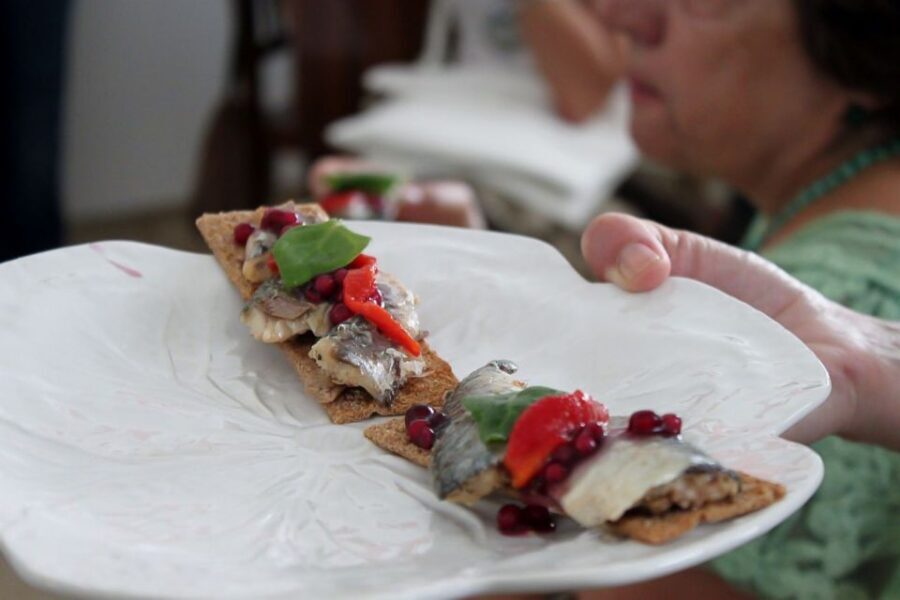
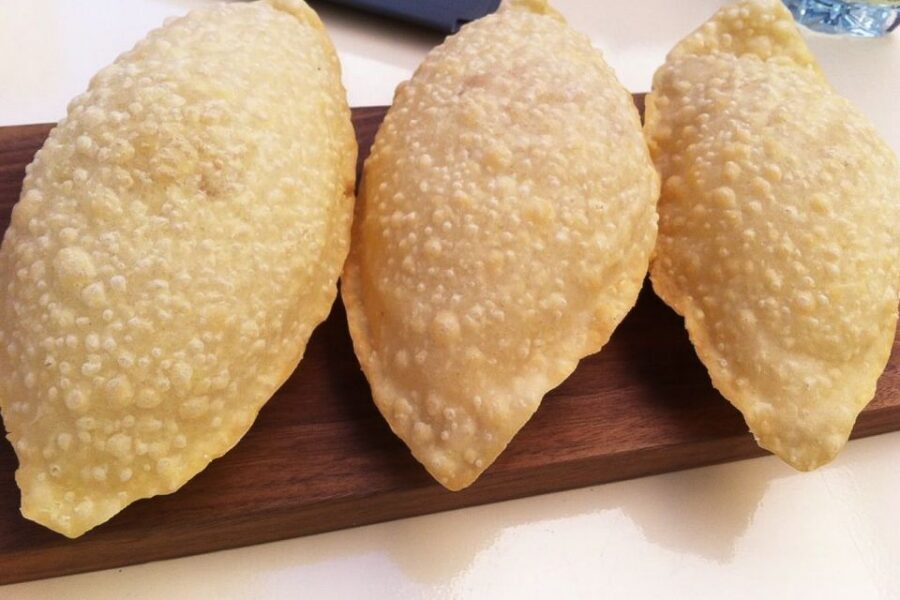
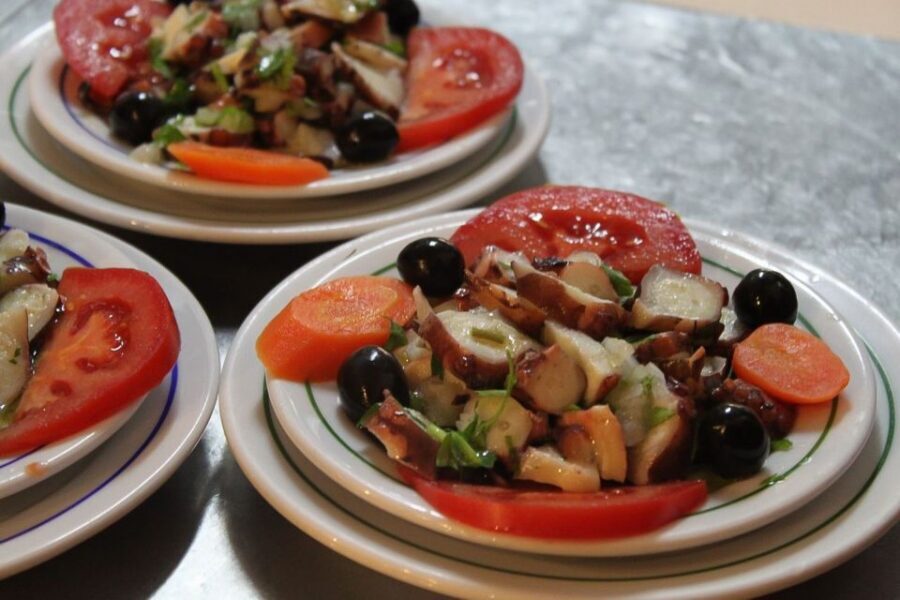
Petiscos can mean everything from pepper and watercress salads to seafood bites, stews, and savory fried snacks. The goal is to taste widely: tiny portions that can add up to a meal when you stack them correctly.
You might run into classics like:
- codfish in a few forms, including Pastéis de Bacalhau (codfish pastries)
- Peixinhos da Horta (fried battered green beans)
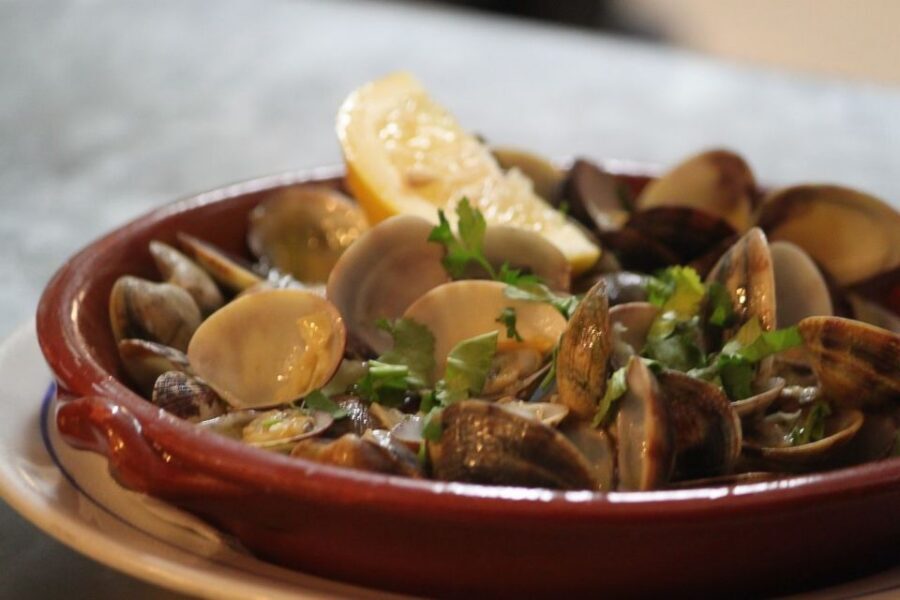
- clams (Bolhão Pato is one reference you may hear)
- snails, shrimp stuffed patties, and pig ear
- Pipis (chicken giblets stewed with tomato, garlic, and onion)
- hot pork sandwiches, depending on what the tasting lineup offers
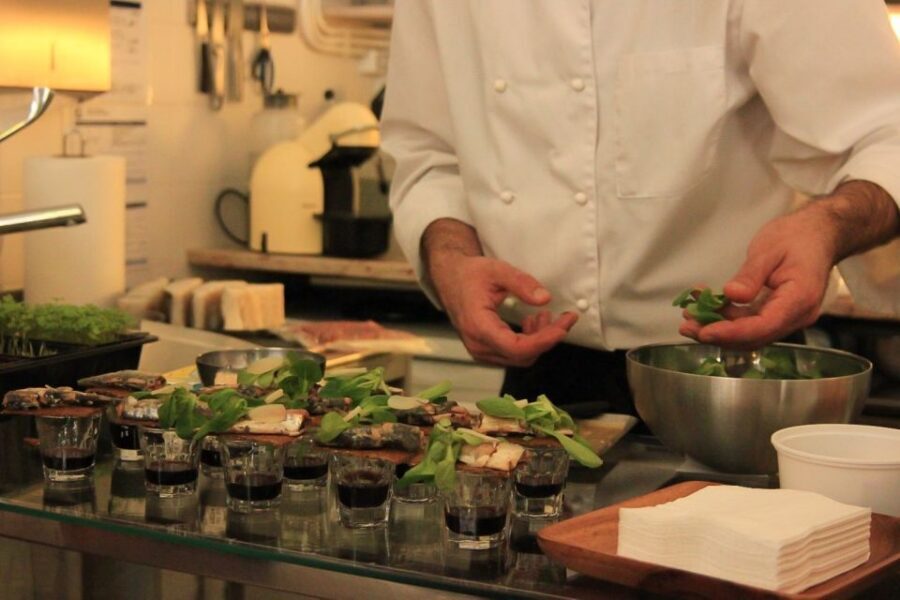
What surprised me—in a good way—is that the tastings can feel more like a real food stop than a quick two-bite pass. One guest experience described it as eating like locals, with time to choose and a proper sit-down rhythm. That’s the best-case scenario for a food tour: you get taste variety and you get to slow down long enough to enjoy it.
Starting point and the bike briefing that saves you time
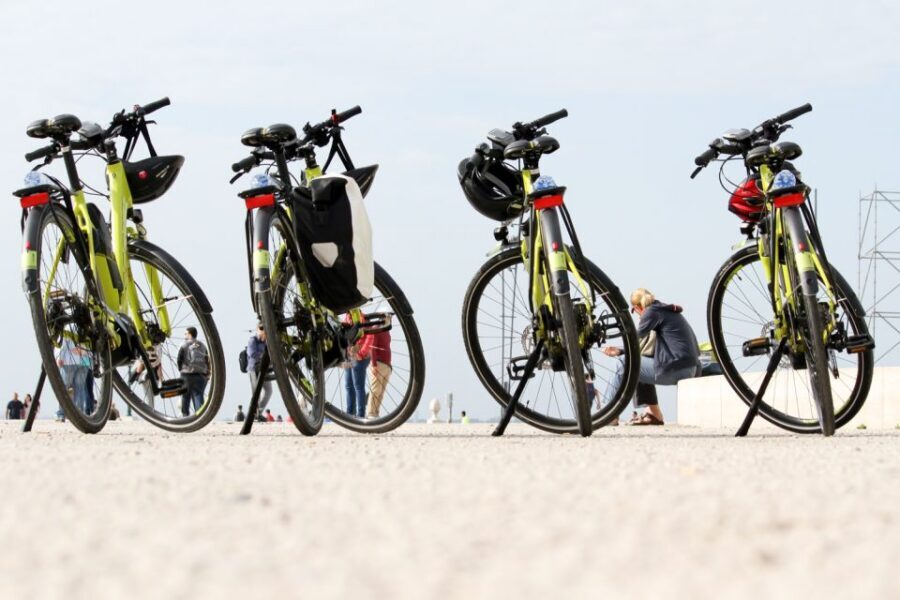
You’ll meet at Largo Severa 7A, 1100-588 Lisboa, which is pedestrian-only. If you’re using Uber or taxi, plan to arrive near Praça Martim Moniz, then walk about two minutes to Largo da Severa.
Once you’re there, there’s a short briefing on how to use the e-bike. That’s not just safety talk—it’s how you avoid that awkward “am I doing this right” feeling when the route starts gently and then starts climbing.
You also get helmets and the tour includes liability and personal accident insurance, which is reassuring for an activity that mixes food stops with city streets.
Ribeira Market and the riverfront tasting setup
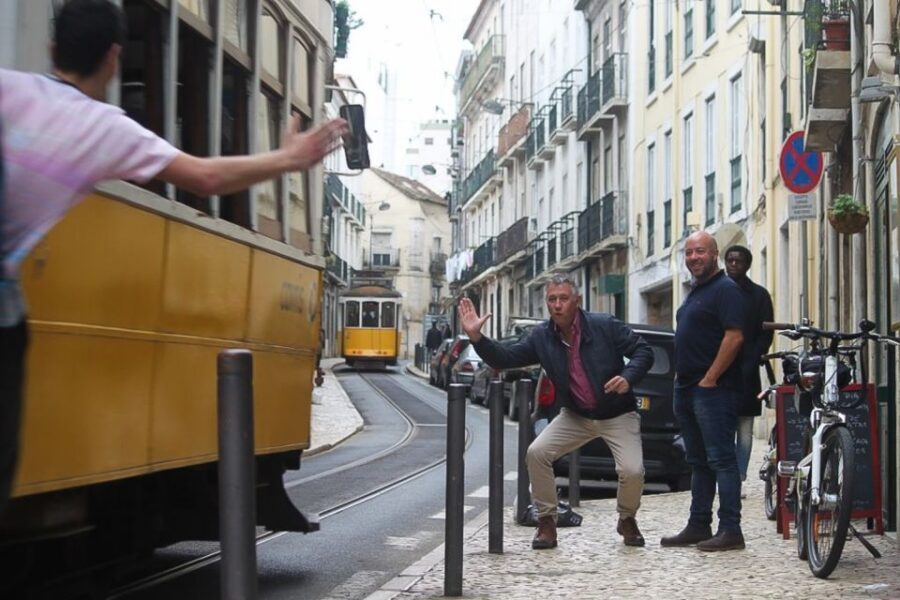
After you get rolling, the first big food draw is the renovated Ribeira Market. This is a key Lisbon idea: fish, produce, and everyday ingredients sit side by side, and the market energy supports the whole petiscos culture.
You’ll spend time with an abundance of traditional stalls—fish, fruit, vegetables, and flowers—and then move into a tasting area with 30+ restaurants where you sample petiscos that are recommended by well-regarded chefs. That chef recommendation detail matters because it helps you avoid randomness. You’re tasting things chosen for quality, not just whatever is easiest to sell.
If you like your tours to feel like food with context, this is a strong stop. The market isn’t just food; it’s Lisbon’s working-day geography. You’ll see how seafood and produce feed into the city’s favorites.
Cycling Lisbon’s riverside promenade and the ships-built history
After market time, you head toward the renovated Ribeira das Naus waterfront promenade. This stretch connects food culture to Lisbon’s maritime past.
Here’s the useful context: many Portuguese ships were built in the 16th-century “Age of Discoveries,” and the waterfront is where that ambition would have felt real. Even if you don’t want a lecture, riding there helps you understand why so much of Lisbon’s identity is tied to the sea.
You also get a welcome break from the tight lanes. Waterfront sections tend to feel more open, and that helps after you’ve been tasting and standing in a market area.
You can also read our reviews of more cycling tours in Lisbon




Pombaline Downtown: the streets rebuilt after 1755

Then it’s time for Pombaline Downtown, the part of Lisbon rebuilt after the devastating 1755 earthquake. This is one of those places where you can feel city planning in your legs: wider streets, a cleaner grid feel, and lots of spots where you’ll find restaurants and coffee shops that have been around for a long time.
This stop works as more than scenery. It’s a reset between tastings and a chance to understand how Lisbon’s growth shaped where people eat. When streets are designed for movement, restaurants can settle in and last, and that’s where you find real continuity.
If you like photographing city streets, this is a good section to slow your pace a little and look up. The skyline and street rhythm tend to look great from an e-bike seat.
Nova de Carvalho, also called Pink Street: food pauses meet nightlife
Next comes Nova de Carvalho, a pedestrianized strip that Lisbon locals connect to its pubs and clubs. It’s nicknamed Pink Street, and it has been noted as one of Europe’s best streets by The New York Times.
From a value standpoint, I like this part of the route because it makes the tour feel like a living neighborhood rather than a museum circuit. It also gives you a calmer cycling experience than busy traffic zones.
If you’re the type who wants your food tour to include the “what it’s like tonight” version of Lisbon, this is where you get a taste of that mood—without needing to stay out late.
Chiado and Bairro Alto: moving from refined to 500 years of street life
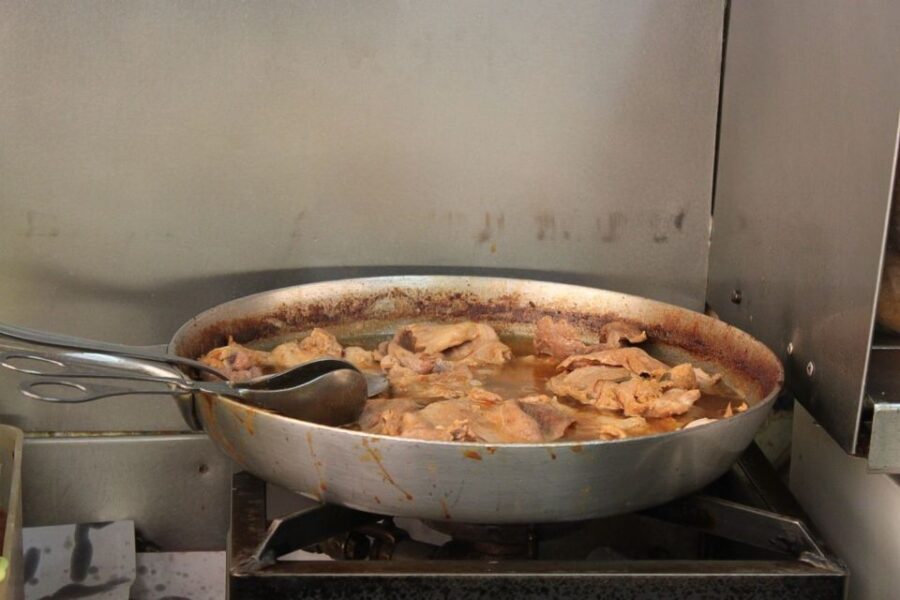
You’ll continue into Chiado for a third petiscos tasting. Chiado has that classic central Lisbon feel: older streets, shops, and lots of people moving through. A tasting here makes sense because it bridges the market-world flavors with the everyday city appetite.
Then you cycle through Bairro Alto, a historic area with roughly 500 years of history, ending with your fourth and final tasting experience. Bairro Alto is the kind of neighborhood where Lisbon’s character shows up fast—stairs, changing street textures, and a constant sense that something is happening even when you’re just walking past.
This final tasting is the moment to compare what you’ve tried. After four stops, you start building your own mini map of flavors. You’ll likely notice which petiscos feel most “Lisbon” to you—seafood-forward bites, fried crunch, or the stews and sandwiches that make a heavier meal.
The ride itself: distance, hills, and what to wear

The e-bike aspect isn’t just a convenience. It changes how you experience Lisbon. One guest noted a total ride of about 10.5 km, with the ability to go up and down hills confidently thanks to the bike.
That said, you should still dress and plan for real streets. Cobblestones can be bumpy. If you’re sensitive to that, comfortable shoes help, and loose comfy clothing makes the ride easier on your body. One helpful tip from a guest: if you have a sports bra, it’s worth wearing—less bounce feels better over uneven pavement.
If you want a smooth day, treat this as a small active outing, not a gentle stroll.
Guides matter: Claudio, Beatrice, Jaim, and why the stories stick
The biggest recurring strength is the guide energy—part food teacher, part city historian. You’ll likely meet a guide with a style like Claudio, who can turn Lisbon history into something you can picture. Another guide, Jaim, is described as answering questions well and making the day feel like an afternoon with a friend.
Beatrice and Daniel also show up as names tied to warm, organized guiding. That matters because a food tour can go two ways: “walk, eat, repeat” or “walk, eat, learn what you’re tasting.” Here, the good guides make you notice why certain petiscos work together and where the flavors belong.
Price and value: $82 for 3 hours plus 4 tastings
At $82 per person for 3 hours, the value depends on what you normally spend when you eat out. Here, you’re paying for:
- an e-bike and helmet
- a live guide
- 4 tastings
- insurance coverage
A petiscos day in Lisbon can add up quickly if you’re doing it on your own because you’ll probably stop multiple times. This tour packages tasting locations and the “what to try” guidance. You’re also saving time, since the e-bike handles the hills and the connections between neighborhoods.
For me, the deal gets better if you like mixing food with walking and riding rather than just aiming for the top sights. If you want a shortcut to multiple districts and a clearer picture of Lisbon food culture, this price can feel fair.
Who this tour is best for (and who should pick something else)
This is a great fit if you:
- want food tastings tied to neighborhood context
- like exploring by bike and don’t mind a short active pace
- appreciate guides who can explain what you’re tasting
- want to cover multiple Lisbon areas in one morning/afternoon
It’s not a match if you:
- have mobility impairments (not suitable)
- are under 140 cm (not suitable)
If you’re a super cautious rider, the cobblestones may still feel rough, but the e-bike support helps a lot.
Should you book Lisbon: Portuguese Petiscos Tasting Tour by E-Bike?
I’d book it if your Lisbon trip has room for a guided, food-first day and you’re comfortable riding an e-bike through historic streets. The biggest selling points are the combination of market tastings at Ribeira Market and the neighborhood sweep that ends with Lisbon’s character in Bairro Alto.
Skip it if you mainly want a quiet, fully flat sightseeing day, or if you know you won’t enjoy bumpy cobblestones. For everyone else, it’s a practical way to eat your way across Lisbon without turning the day into a sore-feet marathon.
FAQ
How long is the Lisbon Petiscos Tasting Tour by E-Bike?
The tour lasts 3 hours.
How much does the tour cost?
It costs $82 per person.
How many tastings are included?
You’ll enjoy 4 tastings.
Do I get an e-bike and helmet?
Yes. The tour includes the e-bike and helmets, plus a guide.
Where is the meeting point?
The meeting point is Largo Severa 7A, 1100-588 Lisboa. If you arrive by Uber or taxi, the closest destination to use is Praça Martim Moniz, with about a 2-minute walk to Largo da Severa.
What languages are the live guides available in?
Live guides are available in English, Italian, Spanish, German, and French.
Is the tour suitable for everyone?
No. It’s not suitable for people with mobility impairments and not suitable for people under 4 ft 6 in (140 cm).