REVIEW · LISBON
Lisbon Fado Dinner with Live Show
Book on GetYourGuide →Operated by The Cooltours (Lisbon) · Bookable on GetYourGuide
Fado hits different in Lisbon. This Lisbon Fado dinner with live show pairs a guided night tour with a real, intimate performance where the songs are tied to the city’s streets. I love that you get both the Alfama storytelling walk and the full sit-down dinner with live music, not just a quick show. One watch-out: if your pickup details are unclear, you’ll feel it fast, so double-check your meeting point and time before you head out.
In the evening light, Lisbon feels like it’s putting on its best outfit. You’ll pass major squares and viewpoints, then move into the oldest Fado neighborhood while your guide connects what you’re seeing to what you’re hearing later that night. Expect landmarks to show up lit up and easy to spot, including Lisbon Cathedral and the Monastery of São Vicente de Fora.
It’s built for comfort and focus: a small group (up to 8), about 4 hours total, with a professional local guide in Spanish/Portuguese/English. You’ll want comfortable shoes, because the old streets aren’t designed for sneaker fashion shows—they’re designed for walking.
In This Review
- Key things that make this tour work
- A Lisbon night built around Fado, not just a show
- Pickup, Bairro Alto photos, and the quick route through Lisbon’s night scenes
- Mouraria and the walk toward Alfama: where the stories start sticking
- Alfama for 2 hours: the heart of Fado (and why food is part of it)
- The illuminated landmarks panoramic ride: nice views, real context
- Inside the traditional Fado house: dinner + live performance in an intimate room
- Guides and the small-group advantage: what makes the evening feel personal
- Price and value: what $147 buys you (and when it feels expensive)
- Who should book this, and who might want a different plan
- Should you book this Lisbon Fado dinner with live show?
- FAQ
- How long is the Lisbon Fado Dinner with Live Show tour?
- What is included in the price?
- Where does the tour start?
- Which neighborhoods and stops are included in the evening?
- How big is the group?
- What languages is the guide available in?
- Is the tour wheelchair accessible?
- What should I bring for the tour?
Key things that make this tour work
- Small group size (up to 8): easier conversations and better pacing than big coach-style nights
- Alfama with food tasting: you’re in the birthplace area of Fado, not just near it
- Panoramic night drive: you see multiple illuminated sights without doing extra walking
- Live Fado during dinner: the performance is part of the meal, not tacked on at the end
- Local storytelling from your guide: the songs make more sense when the places are explained
A Lisbon night built around Fado, not just a show
This tour is aimed at one thing: helping you understand why Fado sounds the way it does, and why people treat it like something personal. The Fado tradition comes from sailors, fishermen, and sea merchants—people who were often away from home, carrying longing and homesickness. That emotion isn’t just a theme on paper. It’s the backbone of the evening, from the neighborhood stops to the way the singers and musicians perform once you’re seated.
What I like about this setup is that it respects your time. You get a guided night drive for big-picture views, then you slow down in the older lanes where the stories actually land. After that, dinner and live Fado happen in an intimate setting, so you can hear the lyrics without feeling like you’re stuck in a noisy crowd.
At the same time, you should know what kind of experience it is. This is not a long, wandering day tour. It’s a compact, curated-feeling evening with several short drive-by stops and one main walking block in Alfama, followed by a restaurant program.
You can also read our reviews of more tours and experiences in Lisbon


Pickup, Bairro Alto photos, and the quick route through Lisbon’s night scenes
The night starts with hotel pickup in Lisbon, then you head out into the city after dark. You’ll make a short Bairro Alto photo stop (about 20 minutes). This is a smart early move. Bairro Alto is known for its viewpoints and steep street texture, so even a quick stop helps you get your bearings fast—Lisbon at night is not flat, and you’ll likely be walking more than you expect later.
Next you pass by a couple of major squares: Rossio Square (around 10 minutes) and Praça do Martim Moniz (around 10 minutes). These aren’t long hangs. They function like visual orientation. You see the geometry of Lisbon’s central areas, then you transition toward the older districts where the evening will feel more intimate and local.
If you’re the type who hates rushing, this part may feel slightly “in transit.” But it’s also one of the reasons the tour stays around 4 hours. The pacing tries to give you both a sense of where everything sits and enough time for the meaningful stop—Alfama.
Mouraria and the walk toward Alfama: where the stories start sticking
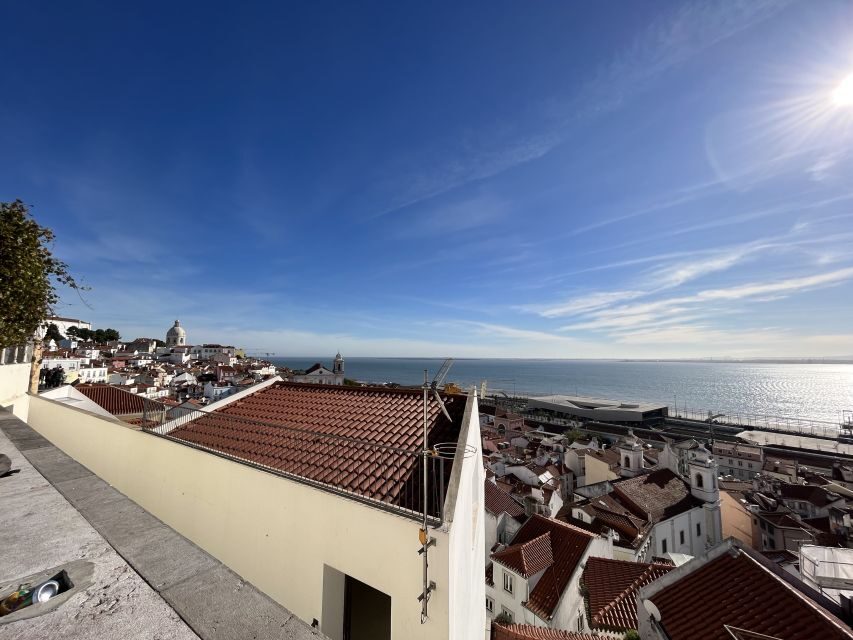
You’ll stop in Mouraria for about 30 minutes, with photo time plus guided exploration. Mouraria often gets associated with culture and community life, and on a Fado evening it makes sense as a bridge. You’re moving toward the neighborhood where Fado is most closely tied to place and memory, so this stop is basically your emotional warm-up.
Even if you don’t memorize street names, your guide’s job here matters. The tour is structured so the guide can connect the past of Lisbon to what you’ll hear later. That means you’ll get more than directions—you’ll get context. When the restaurant performance starts, you’ll recognize the mood the guide described.
Practical tip: this is a night tour, but it’s still city walking. Keep your phone ready for photos, but also expect some uneven pavement and steep bits as you work your way closer to Alfama.
Alfama for 2 hours: the heart of Fado (and why food is part of it)
The main walking block is Alfama, and you get about 2 hours. This is where the experience shifts from drive-by views to lived-in streets. You’ll have photo stops and a guided tour, plus food tasting as part of the time.
Alfama is often described as charming, but the more useful way to think about it is this: it’s a place where you can feel the layers. Narrow streets, small overlooks, and the sense that the neighborhood has kept going for centuries. For Fado, that matters. The music is connected to identity and memory—UNESCO recognizes it as part of the intangible cultural heritage—so it’s not just entertainment. It’s a way of holding onto emotion through song.
Food tasting during this portion is a smart move. It keeps the evening from becoming only “watch and listen.” You’re doing something with your hands and mouth while you absorb the atmosphere. If you’re hungry later, this also helps you get through dinner without feeling like you’re arriving famished and overwhelmed by choices.
One consideration: Alfama streets can be steep and uneven, so plan your pace. Comfortable shoes are a must, and if you’re sensitive to tight spaces, you might want to take your time during the busiest lanes and step aside for photos.
The illuminated landmarks panoramic ride: nice views, real context
After the walking portion, you’ll also experience an evening panoramic drive that focuses on illuminated landmarks. The plan includes stops or passes where you can admire places such as the National Pantheon, Lisbon Cathedral, and the Monastery of São Vicente de Fora against the night sky.
This kind of drive earns its place. Walking gives you atmosphere; the ride gives you scale. You start to understand where Lisbon sits—how neighborhoods relate, how viewpoints align, and why some streets feel like they’re designed for looking out over the city.
It’s also a morale booster. After spending time in Alfama, the panoramic views feel like a reward. You’re not just trudging toward dinner—you’re seeing what night Lisbon looks like from above and across.
You can also read our reviews of more tours and experiences in Lisbon




Inside the traditional Fado house: dinner + live performance in an intimate room
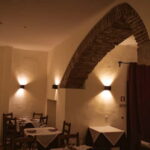
The finale is the reason to book. You arrive at a traditional Fado restaurant, described as cozy and authentic, where you’ll be welcomed into a warm, intimate atmosphere. While you enjoy the classic Portuguese dinner, you’ll listen to live Fado performed by professional local musicians and singers.
Here’s the key: the songs are supposed to tell stories—longing, love, nostalgia—so the point isn’t just that Fado is performed. It’s that the performance matches the emotional tone set earlier in the evening. When a guide connects Fado to sailors and distance, the lyrics stop being abstract poetry and start feeling like lived experience.
I also like that the tour keeps it restaurant-style rather than a concert-hall vibe. Fado works best when it’s close. You can hear the phrasing and the feeling in the voice when you’re not looking at a giant stage.
Dinner is included, but remember: you’re paying for a package of transport + guiding + live music + meal. If you’re mostly hungry and want background music only, you may be fine with any restaurant that plays Fado occasionally. If you want the full narrative, this format is the one that makes sense.
One more practical note: live performances take attention. If you love talking the whole time, you might miss the lyrics. This experience works best when you let the room take over for a bit.
Guides and the small-group advantage: what makes the evening feel personal
This tour runs with a professional local guide and a small group limited to 8 participants. That matters more than it sounds. In a large group, you often get rushed answers and a “stand here for a photo” vibe. In a small group, you’re more likely to ask a question and actually get a straight answer about how Fado links to the places you saw.
One guide name that comes up in past experiences is Tania. People describe her as making the evening easy to enjoy through clear background information and well-chosen stops. When the guide knows both Lisbon and the emotional side of Fado, you end up feeling like the night has a point.
Also, because multiple languages are supported (Spanish, Portuguese, English), you should be able to follow the story even if your Portuguese is still in the learning stage.
Price and value: what $147 buys you (and when it feels expensive)
At $147 per person for about 4 hours, you’re not just buying a Fado show ticket. You’re buying:
- hotel pickup and drop-off
- guided night touring and explanations
- an evening panoramic drive
- a traditional dinner at a Fado restaurant
- live Fado by professional artists
- travel insurance compliant with Portuguese regulations
That’s the value logic. If a Fado dinner show with pickup and guiding is what you want, this bundle can make your planning simpler and reduce the hassle of finding the right restaurant on your own.
Where it may feel less satisfying is if the evening turns into a rushed drive with minimal explanation, or if the restaurant portion doesn’t deliver the live show experience you expected. I’ve seen enough “pickup didn’t happen” and “not what was described” complaints in this kind of category to suggest a simple safety step: confirm your exact pickup details before the tour starts, and keep the contact info handy in case anything changes.
If you go in expecting a structured, explained night with dinner and real music, the price lines up with what you get.
Who should book this, and who might want a different plan
This tour is a good match if you:
- want a guided introduction to Fado tied to Lisbon’s neighborhoods
- like compact evenings with a clear sequence (walk, views, dinner, music)
- appreciate small groups and a friendly guide presence
- want one paid evening that handles transport and timing for you
You might consider a different option if you:
- hate walking on steep, uneven streets
- want a longer, free-form experience where you can roam at your own pace
- are the type who needs guaranteed pickup precision and won’t tolerate any confusion
Should you book this Lisbon Fado dinner with live show?
I think you should book it if you want an emotional, Lisbon-specific night where Fado is the main character. The combination of an Alfama-focused walk, illuminated landmark views, and live music during dinner is exactly the kind of “one evening, done right” experience that saves you time and gives you context.
Just go in prepared:
- wear comfortable shoes
- be ready for some uphill walking in older areas
- confirm pickup details before you leave your hotel
- set your expectations that the performance is meant to be heard, not just photographed
If those boxes work for you, this is a strong choice for first-timers and for anyone who wants Lisbon’s sound track, not just its sightseeing list.
FAQ
How long is the Lisbon Fado Dinner with Live Show tour?
The experience runs for about 4 hours.
What is included in the price?
It includes hotel pickup and drop-off (in selected Lisbon locations), an evening panoramic drive, a traditional Portuguese dinner at a local Fado restaurant, live Fado music by professional artists, and a professional local guide.
Where does the tour start?
It starts with pickup in Lisbon at a selected pickup location.
Which neighborhoods and stops are included in the evening?
You’ll have stops such as Bairro Alto (photo stop), Rossio Square (pass by), Praça do Martim Moniz (pass by), Mouraria (photo stop and guided visit), and Alfama (photo stop, guided tour, and food tasting).
How big is the group?
It’s a small group limited to 8 participants.
What languages is the guide available in?
The tour guide operates in Spanish, Portuguese, and English.
Is the tour wheelchair accessible?
Yes, it’s listed as wheelchair accessible.
What should I bring for the tour?
Bring comfortable shoes, since you’ll be walking through older Lisbon streets.