REVIEW · LISBON
Lisbon: Alfama Tour and Live Fado with Traditional Dinner
Book on GetYourGuide →Operated by Lisbon Destination Tours · Bookable on GetYourGuide
Lisbon is at its best in small alleys. This Alfama walking tour plus live Fado dinner takes you through the old streets where Fado’s story grew, then lands you in a room where you can actually hear it.
I love how the evening connects Portuguese culture in two ways: a neighborhood walk in Alfama/Mouraria and a live Fado performance with the Portuguese guitar and heartfelt lyrics.
The other big plus for me is the guide-led storytelling. On this kind of night, names like Miguel and Catalina pop up for a reason, and the pacing tends to keep a mixed group together while you learn what you’re seeing.
One consideration: expect lots of uphill, tight-stepped walking. It’s not a tour for reduced mobility, and the set-menu dinner means you’re eating what’s on the day’s list, not choosing from a wide menu.
In This Review
- Key points I’d bank on
- Why Alfama and Fado belong together at night
- Getting started: Rossio station and a smooth meet-up
- Mouraria + Alfama on foot: the streets, the steps, the viewpoints
- Alfama dinner: set-menu Portuguese comfort with a simple drink
- The Fado house: listen for the lyrics, not just the melody
- Guides make it land: Miguel, Catalina, Manuel, and the art of pacing
- Price and value: is $58 really fair for dinner + Fado?
- Who should book this Alfama Fado dinner, and who should not
- Practical tips so the night feels easy
- Should you book this Lisbon Alfama Tour and Live Fado Dinner?
- FAQ
- FAQ
- How long is the Lisbon Alfama tour with live Fado and dinner?
- What is the price per person?
- Where do I meet the tour?
- What’s included in the price?
- Is dinner a set menu?
- Are vegetarian options available?
- What language is the live tour guide?
- Is this tour suitable for people with reduced mobility?
- What should I bring?
Key points I’d bank on
- Alfama + Mouraria by foot: you’ll move through the oldest parts of town where the vibe is part of the lesson
- Live Fado in a traditional house: you’re listening in the right setting, not just watching from afar
- Dinner is included: set menu plus one drink, so your evening stays simple
- Strong guide energy: people consistently highlight guide care, clear English, and local context
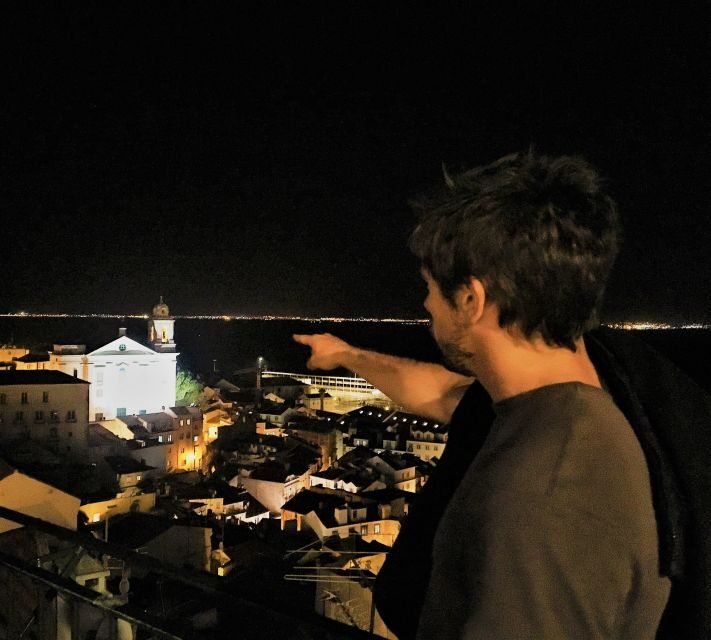
- Views along the way: miradouros (lookouts) show why Lisbon was built to climb
- Real walking effort: plan for steps and hills, even if the pace has breaks
Why Alfama and Fado belong together at night
If you only come to Lisbon for beaches and photo stops, you’ll miss the city’s emotional core. Fado isn’t background music here. It’s tied to the streets, the mix of neighborhoods, and the way people have long sung about longing.
This is why the sequence matters. You start with the human geography first—Alfama and Mouraria’s winding lanes—then you go to a Fado house when your ears and mood are ready. Fado was inscribed by UNESCO on the Representative List of the Intangible Cultural Heritage of Humanity in 2011, and the performance is built around the Portuguese guitar and lyrics that land hard.
You can also read our reviews of more tours and experiences in Lisbon


Getting started: Rossio station and a smooth meet-up
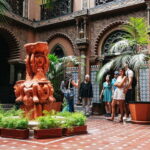
You meet at Lisbon Destination Hostel, which is inside the Rossio Train Station area (Rossio Train Station, 2nd floor). The hostel sits in front of the train ticket office, so it’s fairly easy to spot once you’re inside the station.
If you like low-stress starts, this part is helpful: there’s a separate entrance built in for skipping the usual lines at the Fado venue. Nothing fancy, but it’s the kind of small convenience that saves time on a night that already includes walking and dinner.
Practical tip: wear shoes you can walk in for a while. The evening isn’t one long flat stroll.
Mouraria + Alfama on foot: the streets, the steps, the viewpoints

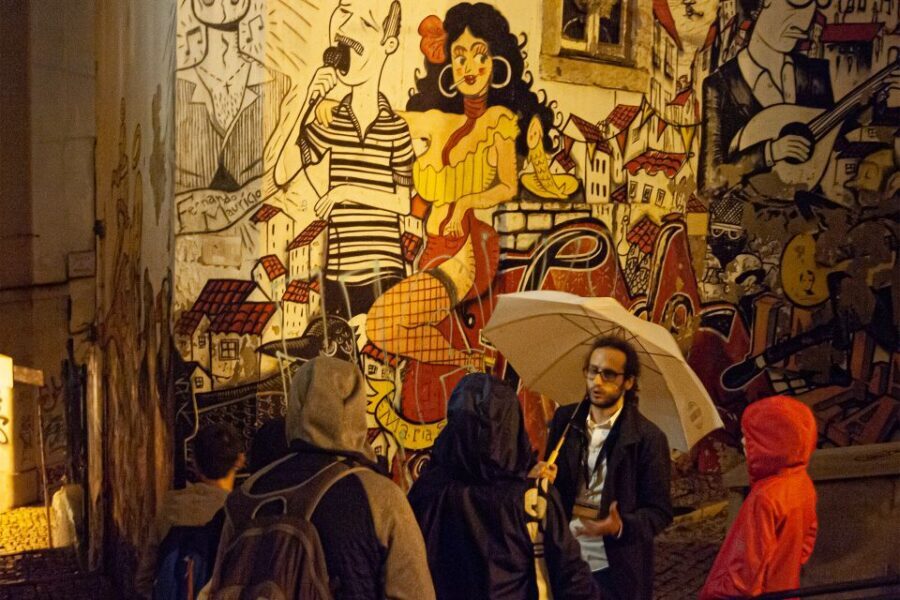
This part is about getting your bearings fast. You’ll walk for about 1 hour through Mouraria and Alfama, led by a guide who explains what you’re seeing. Expect cobblestones, narrow lanes, and that Lisbon rhythm where one turn reveals another small plaza or viewpoint.
Here’s what you should mentally prepare for. This neighborhood involves considerable walking and can include a lot of uphill steps—people specifically call out the number of steps on the route and the climb-and-descend feel. Guides do pace things, and there are breaks, but the terrain doesn’t change.
The upside is that the effort pays off. You’re not just passing through. You’re stopping often enough to connect the neighborhood to the Fado story—plus you get miradouros and ocean views that explain why Lisbon feels dramatic even before night falls.
If you have mobility limits, I’d skip this format. The tour itself notes it’s not recommended for reduced mobility.
Alfama dinner: set-menu Portuguese comfort with a simple drink

Your dinner happens in the Alfama area and runs long enough to feel like a real meal, not a quick stop. The included experience typically includes:
- Couvert: bread, chorizo, and olives
- A main dish (one of the day’s options): grilled chicken, mixed meat, cod fish with cream, or octopus rice
- Dessert of the day
- A vegetarian option such as salad or vegetarian pasta
- One drink: a glass of wine, beer, or soft drink
Two things I like about this setup. First, it keeps the night moving—no menu indecision while your group is waiting on you. Second, it gives you a sampling of the kind of food people actually eat in these older parts of town, not just a generic tourist plate.
Still, here’s the honest balance: it’s a set menu. That means quality and flavor can vary by the day, and you might not get exactly what you’d order if you were in charge of your own dining. I’d especially keep an eye on personal preferences: one person found the pork too tough and the octopus rice too salty, while others described their meal as excellent. Translation: it’s usually good, but it’s not a guarantee of perfection.
Portion note: if you’re the type who snacks and keeps dinner light, you might find the meal a bit heavy for an active walking night.
The Fado house: listen for the lyrics, not just the melody
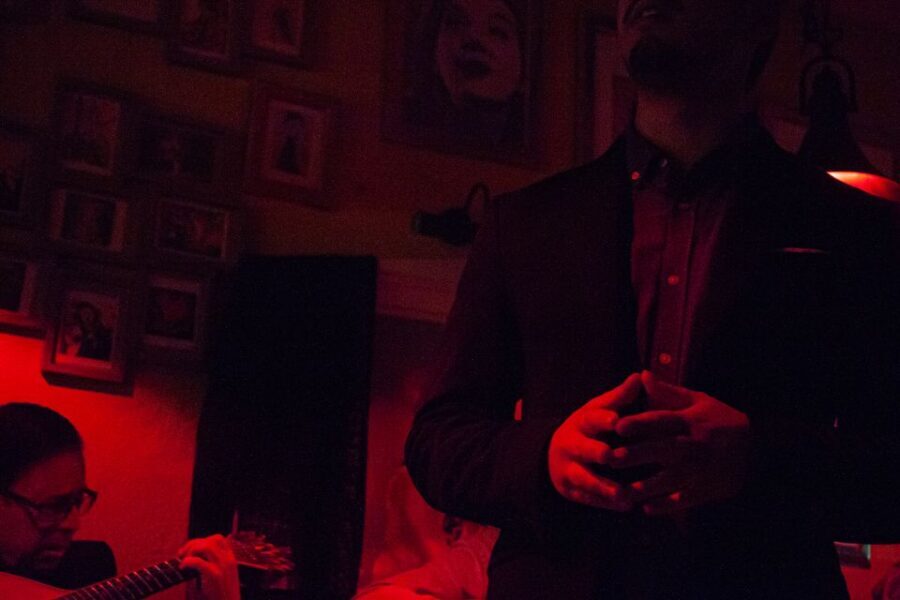
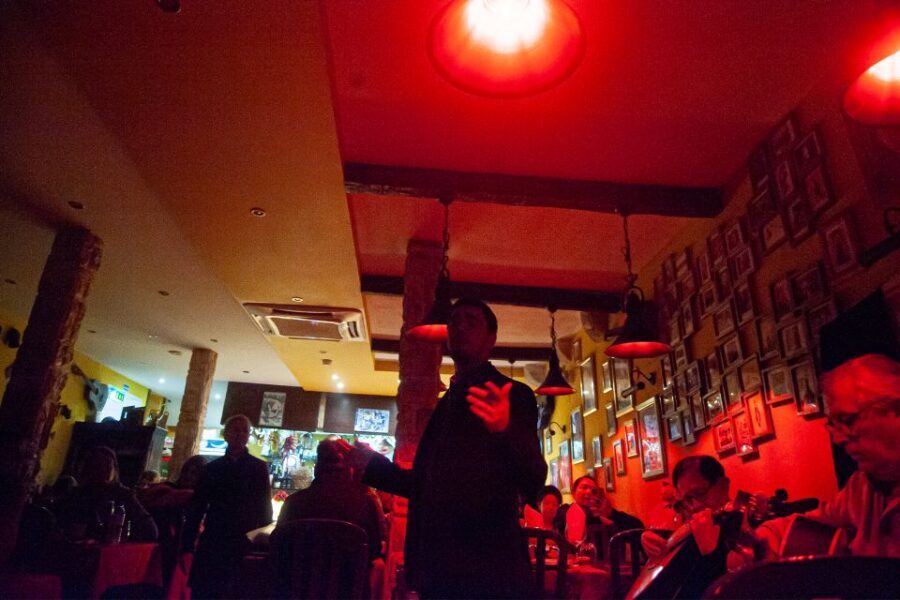
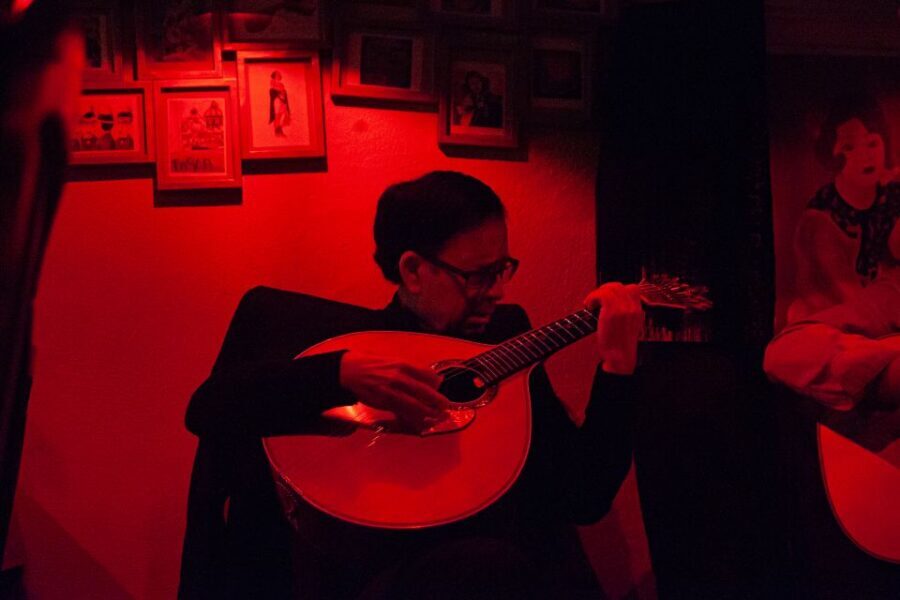
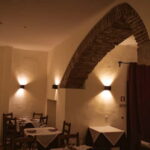
After dinner, you head to a traditional Fado house for live music. This is where the evening turns from sightseeing into feeling.
Fado is often described as mournful, and that’s not just marketing language. It’s a style that leans into emotion—Portuguese guitar lines and lyrics delivered with intention. The best part is that you can’t treat it like background entertainment. In these rooms, the sound and the focus are part of the experience.
A few practical expectations:
- It’s live, so you’ll want to sit back and listen rather than talk through the set.
- English explanation may come from your guide beforehand, but the core of the performance is still song and sound.
- The show can feel like the night’s main course, so plan for it to shape your mood more than a typical “dinner + music” combo.
Some people wish there were more songs per set, while others say it hit the target they came for. Either way, the performance is the centerpiece, and the UNESCO connection gives the night extra weight.
You can also read our reviews of more tours and experiences in Lisbon



Guides make it land: Miguel, Catalina, Manuel, and the art of pacing
This is one of those tours where the guide can turn good logistics into a memorable evening. Names like Miguel, Catalina, and Manuel show up with strong praise, and the themes are consistent: they share historical context, keep group members together, and use English well.
What stands out from the experiences I’m using to inform this review:
- Guides often explain not just dates and places, but how Fado fits into Portuguese life.
- There’s humor and personality, not just lecture energy.
- Guides tend to be careful with pacing—waiting for slower walkers or people who wandered a bit off pace (which, in Alfama, happens).
- Some guides also connect today’s Lisbon issues, including neighborhood changes and gentrification pressures.
If you get a guide like Miguel, you’ll likely get a very story-driven walk, plus extra attention at the end so you don’t feel stuck.
Price and value: is $58 really fair for dinner + Fado?
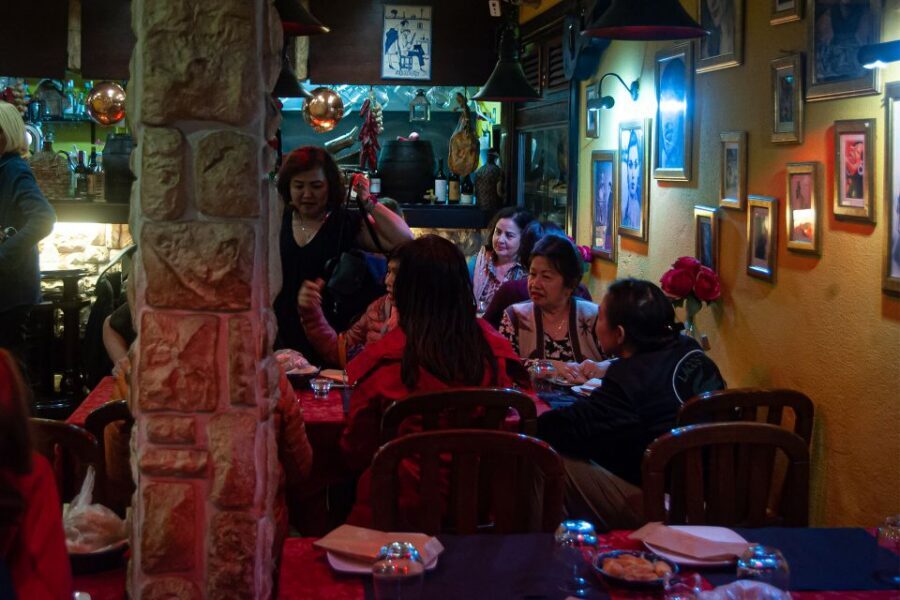
At $58 per person for about 4 hours, this is a bundle deal. You’re paying for:
- a guided walking tour (including the streets and explanations),
- a set-menu dinner with one drink,
- and live Fado in a traditional house.
To judge value, I look at what you’d otherwise have to arrange yourself: walking tour + dinner + a proper Fado show can easily become three separate decisions, each with its own cost and timing headaches—especially when you also need the right neighborhood context.
So the value is strongest if you want the full package: the “why” behind Fado, a real local meal, and the music in an authentic room. If you’re only chasing one item—just the Fado show, for example—then you may find a cheaper standalone concert. But if you want the whole evening to flow, this package price makes sense.
Who should book this Alfama Fado dinner, and who should not
This tour fits best if you:
- are visiting Lisbon for the first time and want an easy entry into Alfama and Mouraria,
- care about culture and context, not just a checklist,
- don’t mind an active evening on cobblestones and hills,
- and want Fado as a lived experience with dinner, not a quick stop.
It’s not ideal if you:
- have mobility impairments or struggle with steep walking,
- need a fully quiet environment (the streets can be noisy, and the walking part can be distracting),
- dislike set-menu dining or have very specific food needs beyond vegetarian options.
If you’re a solo traveler, it also works well. You’ll join a group for the walk and dinner, then sit together for the show.
Practical tips so the night feels easy
A few small things can make a big difference:
- Bring comfortable shoes. If your shoes are cute but not grippy, reconsider.
- Pace yourself on the climbs. Think short bursts, not endurance mode.
- Keep your expectations realistic about the route. There’s a lot of uphill and downhill.
- Plan your exit after the show. The return is up to you; some guides help coordinate taxis, while others simply walk you down and point you the right way. Either way, don’t assume you’ll be carried by a metro line right to your door.
If you’re traveling in busy periods (festive crowds do happen in Alfama), show up ready for tighter navigation through more people than on a quiet day.
Should you book this Lisbon Alfama Tour and Live Fado Dinner?
Yes, I’d book it if you want an evening that ties Lisbon’s oldest streets to one of its most distinctive art forms. Alfama + Mouraria walking plus live Fado in a traditional house is a strong combo, and the dinner makes it feel like a full night out rather than a rushed performance.
I’d skip or choose a different format if you can’t handle hills and steps, or if set-menu dining sounds like a headache. With the wrong physical fit, the walking can outweigh the magic.
If you do book, aim to go in ready to listen during Fado, and ready to walk during the neighborhood part. That mindset is where the value shows up.
FAQ
FAQ
How long is the Lisbon Alfama tour with live Fado and dinner?
It lasts about 4 hours.
What is the price per person?
The price is listed as $58 per person.
Where do I meet the tour?
Meet at the reception of Lisbon Destination Hostel at Rossio Train Station. Go to the 2nd floor inside the station, and look for the hostel in front of the train ticket office.
What’s included in the price?
You get a walking tour with a local guide, a set-menu dinner, 1 drink, and live Fado music.
Is dinner a set menu?
Yes. Dinner is a set menu, and the exact items can change day to day.
Are vegetarian options available?
Yes. Vegetarian options can include salad or vegetarian pasta.
What language is the live tour guide?
The tour guide provides the experience in English.
Is this tour suitable for people with reduced mobility?
No. It involves a considerable amount of walking and is not recommended for those with reduced mobility.
What should I bring?
Wear comfortable shoes, since there is a lot of walking and steep sections.