Dolphins meet science on open water. This Lisbon dolphin-watching trip is built around a fast RIB and guided, onboard commentary from a marine biologist, so you’re not just looking out—you’re learning while you move. I like that it stays focused on what’s happening in the water, from how dolphins behave to how sightings can change with conditions. One real consideration: it can feel chilly and windy out there, so you’ll want warm layers.
The experience also makes Lisbon’s coastline part of the story. You sail out from the Tagus Estuary toward the Atlantic, and you pass key sights like Belem-area landmarks while the crew keeps the group tight and attentive. I like the small scale (up to 24) and the fact that you’re seated in a way that helps everyone see.
In This Review
- Quick, useful highlights before you go
- Starting at Docas de Santo Amaro and finding the right dock
- The RIB ride: fast, fun, and actually built for comfort
- Out of the Tagus Estuary: where Lisbon turns into big-water scenery
- Farol do Bugio stop: the lighthouse landmark with real wind
- The dolphin “hunt” part: how the marine biologist changes your viewing
- What dolphin sightings can actually look like (and why babies impress)
- Wildlife beyond dolphins: birds, sunfish, and the rare bigger surprise
- Dressing for the wind: your comfort checklist for this Lisbon boat day
- Price and value: is $62.88 worth it?
- Who should book this Lisbon dolphin watching tour
- Should you book SeaEO’s Ocean Safari dolphin tour in Lisbon?
- FAQ
- Where does the Ocean Safari dolphin tour meet in Lisbon?
- How long is the tour?
- What language is the tour offered in?
- Is dolphin sighting guaranteed?
- What’s included with the ticket?
- What should I bring for comfort?
- How big is the group?
- What’s the cancellation policy if weather is poor?
Quick, useful highlights before you go
- Marine biologist onboard with clear, practical explanation of dolphin behavior
- RIB ride designed for fewer seasick headaches (about 8.5 m, quick and stable)
- Good sighting odds (around 95%), but it’s not a strict dolphin guarantee
- Small group size (max 24) for better guidance and safer boat flow
- You go beyond the harbor into the Atlantic for more wildlife chances
- Chilly-on-purpose reality check: bring a jacket; the boat ride brings wind
Starting at Docas de Santo Amaro and finding the right dock
Your tour starts at Doca de Santo Amaro Gate, Av. Brasília 3, in Alcântara. The easiest mental picture: use the dock just under the 25th of April Bridge area as your landmark, then head to the SeaEO meeting point.
This matters more than it sounds. When your departure spot is clear and centralized, you waste less time hunting for a kiosk or waiting for a late connection. The tour also returns you to the same meeting point, so you’re not dealing with a transport puzzle after you get off the boat.
If you’re traveling by public transit, you’re in a neighborhood that’s generally reachable. It’s also a good sign that the operation runs with a mobile ticket—less paper shuffling, more time outside.
The RIB ride: fast, fun, and actually built for comfort
This is not a big slow boat. The crew uses a fast and safe RIB (about 8.5 m) with comfortable seats and lifejackets provided, and the whole point is to reduce the kind of motion that triggers seasickness.
What you’ll feel: bouncing along waves like a rollercoaster, but not on rails. That’s part of the fun. And because the crew is used to changing conditions, you’ll get a safety-first vibe from the start.
There’s also a practical detail: the seating is designed so customers keep to the comfortable jockey seats while being able to stand up for wildlife viewing. A small number of reviews also call out that these are saddle-style seats—skirts usually aren’t ideal, because you’ll be straddling the seat. If you want the simplest outfit, go with leggings/jeans and a jacket you can keep zipped.
If you’re the type who gets queasy easily, you’re not stuck. The tour includes motion-sickness pills if necessary, and you’ll get reminders about food choices that can make a difference (more on that later).
Out of the Tagus Estuary: where Lisbon turns into big-water scenery
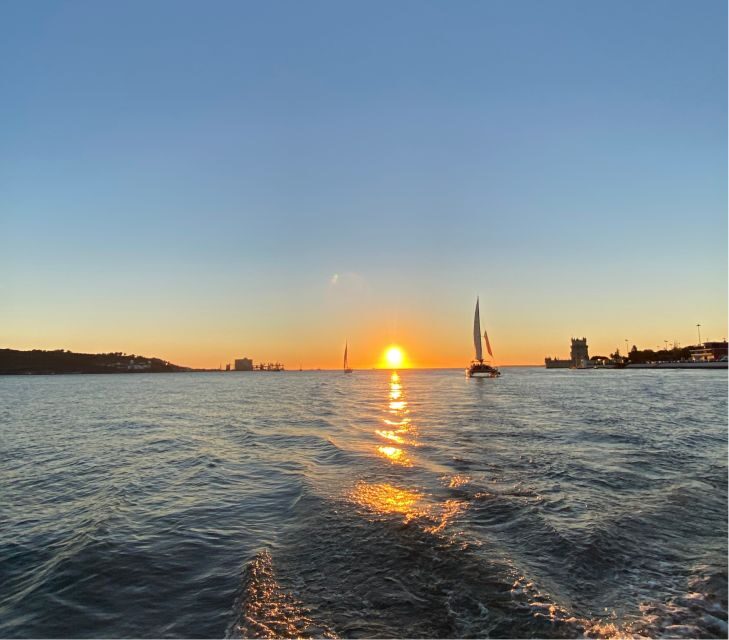
After boarding at the docks, you head toward the Atlantic Ocean, leaving the Tagus Estuary behind. This is one reason the tour feels like more than a checklist activity: you’re watching wildlife in a place where the coastline and open water meet.
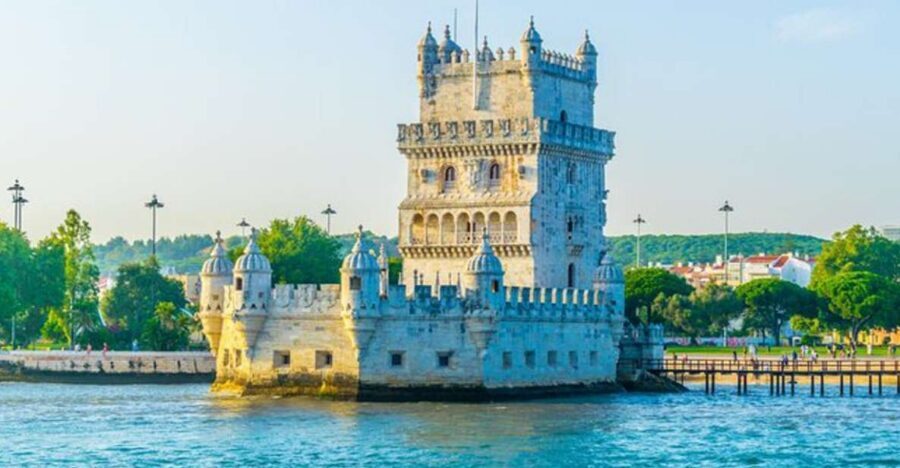
As you go, you’ll pass prominent landmarks from the water—Belem-area sights are specifically mentioned as part of the experience while you sail. I like this setup because it keeps your brain engaged even if dolphins are shy. You’re not “waiting for the moment.” You’re already on a working nature route.
The crew also guides the group in an efficient way. Maximum group size is 24 travelers, and the vibe stays orderly, which helps when people are trying to stand for a look without turning the boat into a crowd scene.
Farol do Bugio stop: the lighthouse landmark with real wind
One named highlight on the route is Farol do Bugio (Bugio Lighthouse). Even if you don’t know the name today, you’ll feel why it’s used as a marker. It’s a recognizable coastal point that helps break up the trip into sections: depart, scan and learn, then reach a classic lighthouse reference as you move into open water territory.
You should expect sea wind here. Even when conditions are fine, you’ll likely feel cooler on the return and on the wider stretches. This is where jackets matter, and it’s also where warm layers become your best travel purchase of the day.
The dolphin “hunt” part: how the marine biologist changes your viewing
This tour stands out because the biologist isn’t just a background voice. The onboard commentary is meant to help you understand what you’re seeing and why you might see dolphins in one stretch but not another.
You’ll hear science explained in plain language—things like dolphin behavior, habitat around Lisbon, and how the search can shift as the water changes. Some guides on the boat are named in participant feedback—Sid, Sarah, and Bart show up as crew members you might encounter. In all cases, the common thread is that the crew talks to the group, answers questions, and keeps the focus on wildlife.
This also changes the way you wait. Instead of staring into gray water hoping for magic, you learn to watch patterns—where to look, what movement might signal an approach, and how dolphins can swim alongside, ahead of, or even underneath the boat.
The sighting success is listed around 95%, and there’s no legal illusion here: the operator notes that they can’t be held responsible if you don’t see dolphins. That said, the overall experience is clearly built so the ride and wildlife learning aren’t wasted even on slower days.
What dolphin sightings can actually look like (and why babies impress)
When dolphins show up, the experience feels close, fast, and specific. People have described dolphins swimming alongside the RIB, sometimes in multiple pods. Common dolphins and bottlenose dolphins are both mentioned, and there are accounts of harbour dolphins too.
The most emotional part for many people is the family angle: dolphins with calves and baby dolphins. One report includes a dolphin mother and baby, and another describes a nursing pod in the river early in the trip. If you’re a nature nerd, you might love how the biologist connects behavior to habitat and age—like noticing curiosity around the boat or signs of social group activity.
Important realism note: sighting timing can vary with sea conditions. Fog can happen around the river stretch, and clear ocean visibility may come after you head out. If the sea is rough, the crew can adjust plans, and the priority is always safety and finding wildlife when conditions allow.
Wildlife beyond dolphins: birds, sunfish, and the rare bigger surprise
Even though this is a dolphin tour, the ocean has a way of showing up with extras. If your day is lucky, you might see:
- Sea birds feeding and diving, especially when fish activity is high
- Sunfish (including reports of them surfacing close enough to feel real)
- Sharks (one sighting is specifically noted)
- Harbour porpoise and even the rare larger whale in exceptional conditions
- Other dolphin species beyond the most common names
I love tours like this when the crew keeps wildlife talk practical. It’s not just waving your arm and saying look there. It’s connecting the dots—why birds are plunging, how fish and predators interact, and what it suggests about the water right now.
And yes, if dolphins don’t appear, the ride itself can still land as a win. Some people specifically say the RIB sprinting along the Tagus and out into the Atlantic is a memorable experience even without dolphins.
Dressing for the wind: your comfort checklist for this Lisbon boat day
This is the part I’d treat like a rule, not a suggestion. The tour takes place on water, and the fast RIB means wind will reach you. Reviews mention warm jackets being loaned because the chill can surprise you.
Plan on:
- A warm jacket or sweater
- Layers you can remove only if conditions feel mild
- Shoes that won’t make you slip when standing
- Avoiding clothing that’s awkward with saddle-style seating (skirts can be a pain)
Food matters too. If you tend to get motion sickness, the tour tips include avoiding a milk or yoghurt-based breakfast, and instead eating properly—think bread and an apple to help your stomach settle. On top of that, the crew has pills if you need them.
If you’re the type who hates being cold, pack like it’s early evening weather, not midday Lisbon warmth.
Price and value: is $62.88 worth it?
At $62.88 per person, this isn’t a bargain snack tour, but it also isn’t an abstract “pay for a dream.” You’re paying for a few tangible things:
- A marine biologist guide onboard (not just a driver with a microphone)
- A small-group, fast RIB that’s designed for motion and comfort
- Lifejackets, seat use, and safety systems are included
- The route goes from sheltered estuary into open Atlantic waters, which is where sightings can happen
The real value check is this: if you’re the kind of traveler who enjoys learning while doing, this format pays off. The biologist commentary turns a dolphin sighting into something you’ll remember with context. And because the sighting success rate is around 95%, you’re not paying for a pure lottery ticket.
If you’re only coming for dolphins at any cost, remember that they’re wild animals. There’s no strict guarantee, and the operator warns they can’t be held responsible if you don’t see them. Still, the experience includes enough structure—boat ride, coastline views, wildlife scanning, and onboard education—that a non-dolphin day won’t automatically feel like you threw money away.
Who should book this Lisbon dolphin watching tour
This trip is a strong match if you:
- Want close-up ocean wildlife without a big-boat experience
- Like tours with an education component, especially marine science explained clearly
- Want a short outing (about 3 hours) that fits into a Lisbon itinerary
- Feel comfortable on a fast boat and want the wind-in-your-face feel
It’s not the best match if you:
- Get cold easily and don’t want to layer up
- Have conditions that would prevent participation (the tour notes some conditions mean denied access and no refund)
- Are traveling with a baby under 5 years (not suitable)
- Are expecting total certainty of dolphins
Should you book SeaEO’s Ocean Safari dolphin tour in Lisbon?
If you want a Lisbon activity that’s both fun and informative, I’d lean yes. The combination of a marine biologist onboard, a fast RIB designed to reduce seasickness, and a small-group feel makes it a practical “do it now” choice—especially because the time investment is just about three hours.
The biggest reason to pause is also simple: it’s a wind-and-chill boat ride. Dress for cold, and you’ll enjoy it. If you go in thinking it’ll be warm and easy, the day might feel harder than you expected.
If you’re okay with that reality—and you’re ready to watch for wildlife in real habitat—this is a very solid bet for a memorable Lisbon day on the water.
FAQ
Where does the Ocean Safari dolphin tour meet in Lisbon?
The tour meets at SeaEO Tours, Doca de Santo Amaro Gate, Av. Brasília 3, 1350-353 Lisboa, Portugal. It ends back at the same meeting point.
How long is the tour?
The duration is about 3 hours.
What language is the tour offered in?
The tour is offered in English.
Is dolphin sighting guaranteed?
No. The operator notes a dolphin sighting success rate of around 95%, and they state they can’t be held responsible if you don’t see dolphins.
What’s included with the ticket?
Included are all fees and taxes, lifejackets and a seat on the boat, public liability insurance, a marine biologist tour guide and crew, and motion-sickness pills if necessary.
What should I bring for comfort?
Bring comfortable clothes, a jacket, and shoes. The ride can be colder than you expect due to wind, and warm layers help a lot.
How big is the group?
The tour has a maximum of 24 travelers.
What’s the cancellation policy if weather is poor?
You can cancel for a full refund up to 24 hours in advance. If the tour is canceled due to poor weather, you’ll be offered a different date or a full refund.