REVIEW · LISBON
Lisbon: Private Tour by Tuk Tuk
Book on GetYourGuide →Operated by EliricaTour · Bookable on GetYourGuide
Tuk-tuks make Lisbon feel easy. This private tour trades long waits and slow starts for a hotel pickup and a guided ride that hops between Lisbon’s best viewpoints. I especially love the way you get panoramic photo stops plus history lessons tied to what you’re seeing, not a random checklist. The main catch: it’s not suitable for wheelchair users, and if you have back problems (or you’re pregnant), you may find the short walks at viewpoint stops tough.
What makes this one worth your time is the pacing. You’ll move through big landmarks and also hit the angles tourists often miss, with time to actually look—then get back in the tuk tuk before your feet revolt. The route balances classic Lisbon sights with older neighborhoods where the city still tells its story in layers. Just go in knowing you’ll do some walking at scenic stops.
In This Review
- Key Points Before You Go
- How a Private Tuk Tuk Changes Your Lisbon Game Plan
- Where You Start (and Why Early Routing Matters)
- Miradouro Time: Eduardo VII to Sao Pedro de Alcantara to Portas do Sol
- Alfama: Fado Origins, Surviving Houses, and the Santo Antonio Link
- Baixa and the City Core: Rossio to Carmo to Santa Justa Connections
- Top-Down Lisbon: Miradouro da Senhora do Monte and the Highest Views
- Praca do Comercio: The Long Square and King José I’s Symbolic Moment
- Guide Quality: Why Diego’s Excellence Shows Up in the Small Stuff
- Price and Value: Is $106 per Person Worth It?
- Who Should Book This Lisbon Tuk Tuk Tour (and Who Should Skip)
- Should You Book?
- FAQ
- How long is the private Lisbon tuk tuk tour?
- Is this tour private?
- What languages is the live guide available in?
- Where does the tour start and end?
- What places will I see during the tour?
- Is it accessible for wheelchair users or people with back problems?
Key Points Before You Go
- Private tuk tuk + local guide so you’re not stuck with a giant crowd schedule
- Views first strategy: you’ll hit multiple miradouros for different angles of the city
- Alfama and earthquake-era survival: learn why this neighborhood still looks the way it does
- Fado and Santo Antonio connections that make the neighborhood culture easier to understand
- Baixa and Commerce Square to ground the trip with big-city history and landmark symbolism
- Not for everyone: wheelchair users and people with back problems should consider alternatives
How a Private Tuk Tuk Changes Your Lisbon Game Plan
Lisbon rewards curiosity, but it can also punish bad planning. Hills, cobblestones, and long stretches between viewpoints can turn a “quick sightseeing day” into a sore-feet experiment. A private tuk tuk helps because it keeps you close to the sights while your guide handles the route and timing.
I like that this is a private format. You can ask questions as you go, and the guide can adjust the tempo if you’re a slow-and-steady photo person or if you want faster history talk. You also get a smooth start with hotel pickup and drop-off, which matters in Lisbon because you don’t want to waste precious daylight figuring out where to meet.
This is also an eco-friendly approach in practical terms: fewer emissions per sightseeing hour than many car-based alternatives, and less time in traffic. It’s not magic—you’ll still walk a bit at viewpoints—but the tuk tuk makes the day feel lighter.
You can also read our reviews of more private tours in Lisbon



Where You Start (and Why Early Routing Matters)
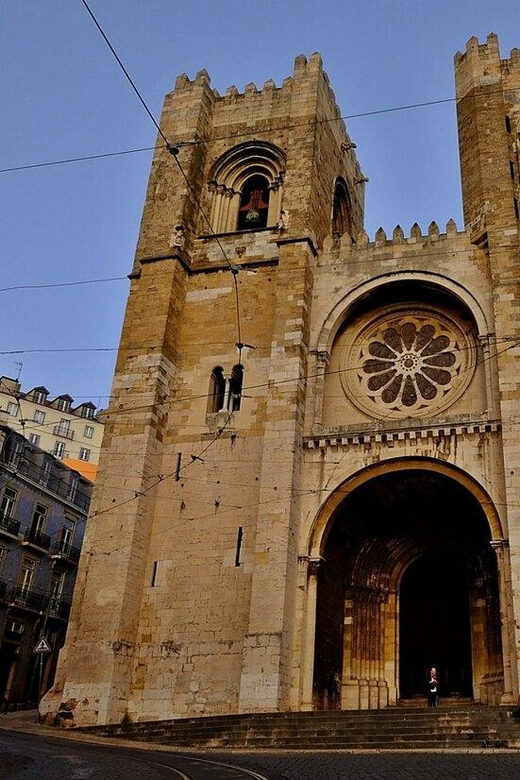
Your ride starts in central Lisbon, around Restauradores Square, then you’ll connect through key city corridors as the day unfolds. Even when the route includes major landmarks, the guide keeps moving in a way that helps you catch good sightlines and avoid the worst congestion.
You’ll pass Rossio Station, a link between Lisbon and the region of Sintra. That’s not just a driving detail—it helps you understand Lisbon’s role as the hub that feeds out to famous day trips. When your guide points out the connections early, the rest of the sights make more sense.
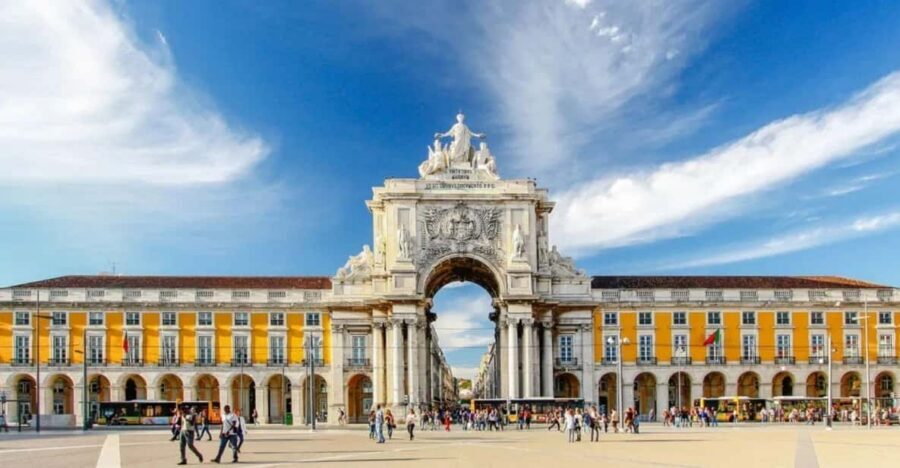
Then you’ll start layering in architecture and viewpoints. You’ll stop outside the Convento do Carmo briefly, focusing on what makes it historically and architecturally important. This kind of “stop-and-look” moment is a big part of what you’re paying for: someone tells you what to notice so you don’t miss the details while you’re busy taking photos.
Miradouro Time: Eduardo VII to Sao Pedro de Alcantara to Portas do Sol
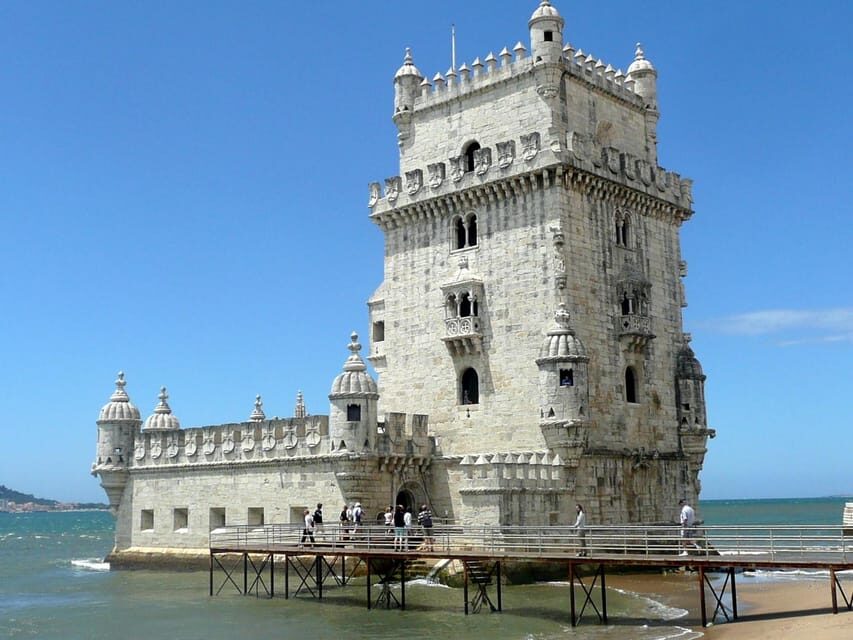
If you want a Lisbon day that feels like a greatest-hits album, you’ll get it here—but with extra care in how you see it.
One of the first major viewpoint stops is Parque Eduardo VII (with time set aside for a walk and guided sightseeing). From there, Lisbon starts opening up in stages. Parks and terraces like this help because they give you breathing space before the tight streets of older neighborhoods.
Next you’ll head to Miradouro de São Pedro de Alcântara, with big views right in front of the Castle of São Jorge. The key detail: this viewpoint gives you a different angle than you’ll see later. Your guide can help you connect what you’re photographing to where you are in the city’s geometry. That makes your pictures feel intentional, not just random “I was there” shots.
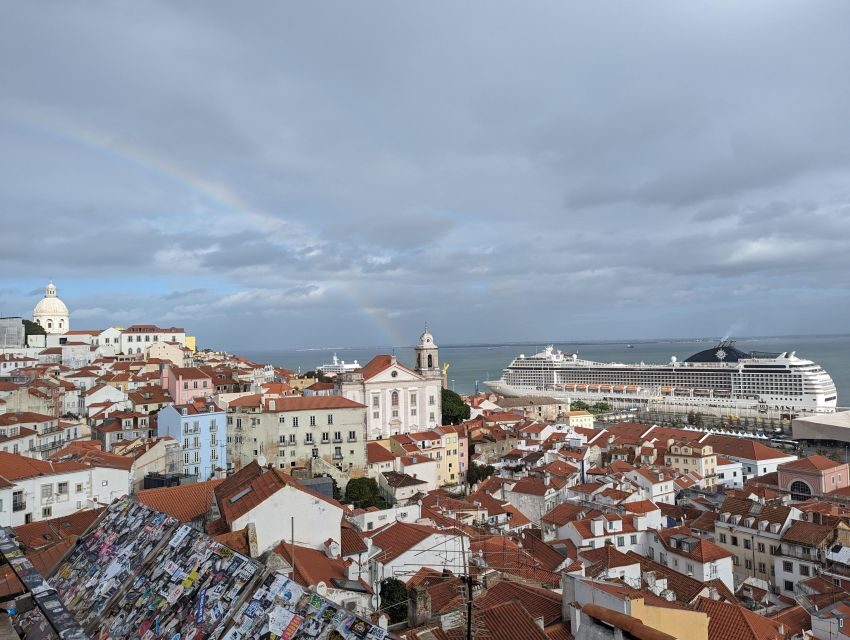
You’ll also visit Miradouro das Portas do Sol, often considered one of the most beautiful viewpoints for looking over Alfama. The value here is the timing and perspective. Portas do Sol lets you understand the neighborhood layout from above, which makes the later Alfama walk far more rewarding. You’ll see the roofs and the curve of the streets, then later you’ll recognize those shapes on foot.
Practical tip: bring a camera with you even when you think you’re “just passing by.” These viewpoint stops are short but frequent—so be ready.
Alfama: Fado Origins, Surviving Houses, and the Santo Antonio Link
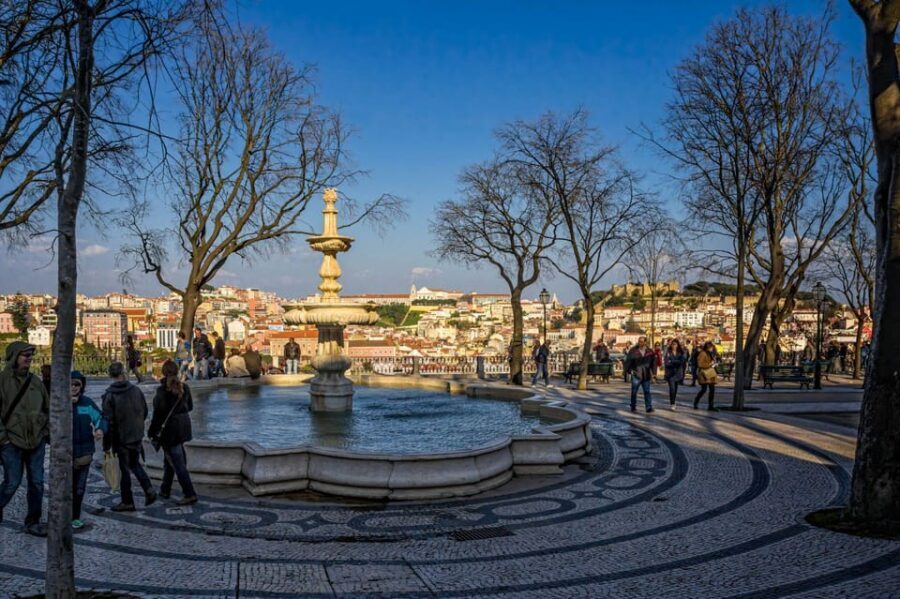
After you’ve seen Alfama from above, your tour shifts into the neighborhood itself. Alfama is one of Lisbon’s oldest areas, and that age shows in the street pattern and building styles. Here’s what you’ll gain from a guide-led tuk tuk visit: you’ll learn why it looks like it does, rather than just walking around for the vibe.
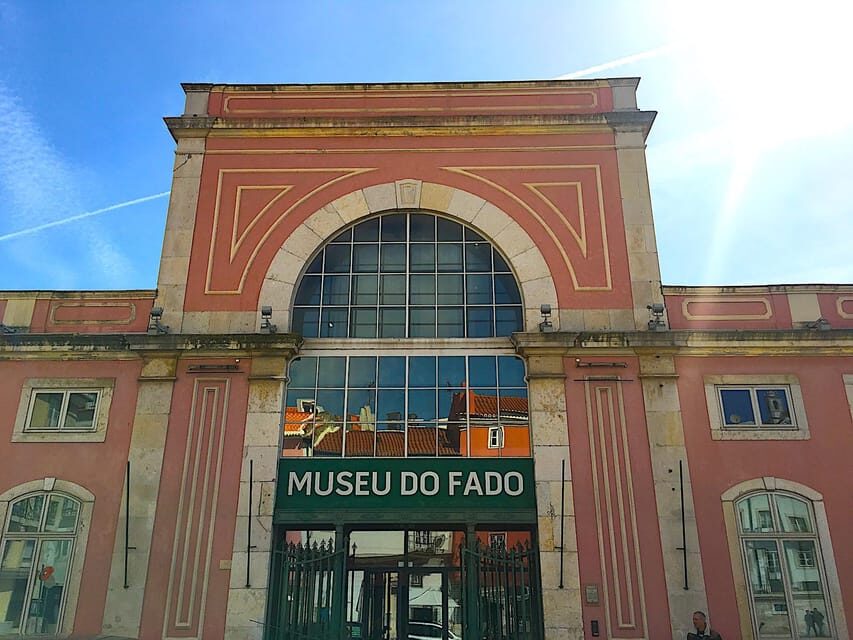
Your guide will explain how traditional Portuguese music, fado, is connected to this area. You’ll also hear about the houses that survived the terrible earthquake of 1755, which is a crucial context point for Lisbon. When you understand the 1755 event, you start noticing what was rebuilt or preserved—and why the neighborhood carries a different emotional weight than newer districts.
There’s also a cultural calendar angle. The tour connects Alfama to the celebration of Santo Antonio in June. That matters because Alfama isn’t only a daytime sightseeing neighborhood; it’s also a place with seasonal rituals. Even if your dates don’t line up with June festivities, hearing that connection helps you understand what locals may feel when they talk about this part of town.
You’ll get time for guided sightseeing in Alfama, with enough structure to keep you oriented. And because you’re in a private group, you’re not fighting for the best street corner while someone else tries to rush the group forward.
Baixa and the City Core: Rossio to Carmo to Santa Justa Connections

Lisbon’s center is where the tour becomes more “big picture,” and this part is valuable if you like understanding how a city functions, not just snapping photos.
You’ll spend guided time in Baixa de Lisboa, which helps you link the hills and viewpoints you’ve just seen with the flatter, grander urban plan below. Baixa is where you start feeling the idea of Lisbon as a planned city, not only a maze of steps.
Along the way, you’ll also get a brief look outside the Convento do Carmo and learn about its architectural history and details. You won’t be stuck on one building for too long, but you’ll leave with a better sense of Lisbon’s layers—religious architecture, damage and recovery, and how certain sites became reference points.
You’ll also stop for the Santa Justa elevator exterior. Even if you don’t ride it, the connection is important. It’s one of those Lisbon landmarks that anchors your mental map: you start thinking about how people move up and down the city and why the views matter so much.




Top-Down Lisbon: Miradouro da Senhora do Monte and the Highest Views
After Alfama and Baixa, the tour climbs again in spirit and in altitude. The big viewpoint here is Miradouro da Senhora do Monte, one of the highest places in the city.
This stop is a reality check in the best way. From higher ground, Lisbon stops looking like a postcard and starts looking like a whole system: neighborhoods stack, the street pattern becomes clearer, and the city’s scale hits you. Your guide will help you make sense of what you’re seeing so you don’t just stare at rooftops—you understand the geography.
This viewpoint also sets up your final destination, because it shows you where the city’s “final frame” will be. If you’re the type who enjoys the last 10% of a trip—the part where everything clicks—this is the moment.
Praca do Comercio: The Long Square and King José I’s Symbolic Moment

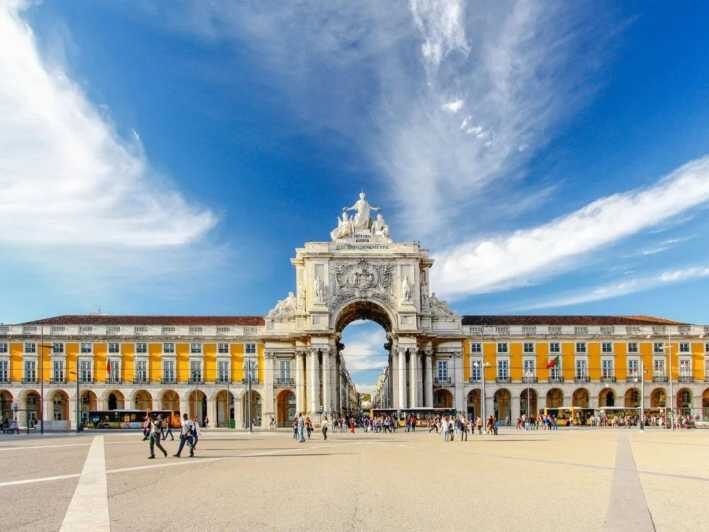
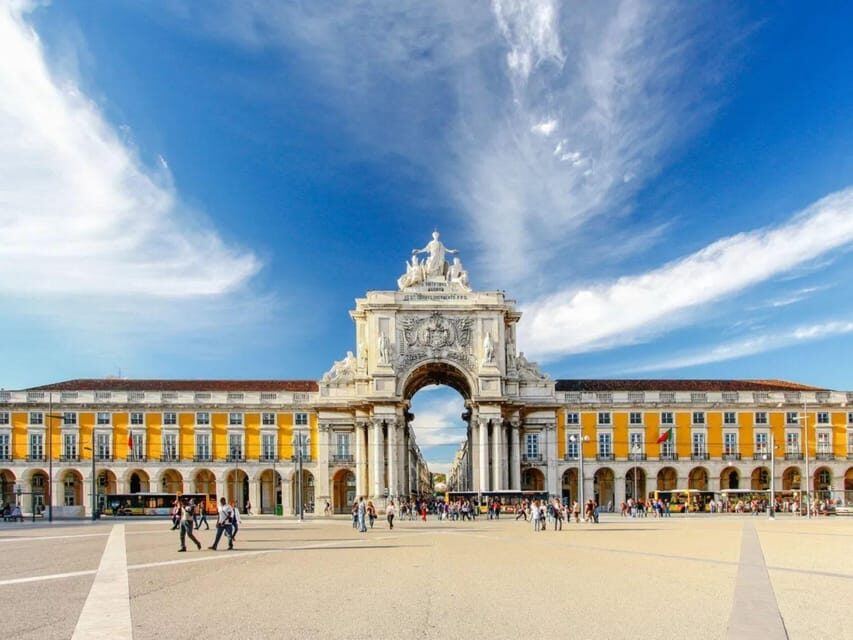
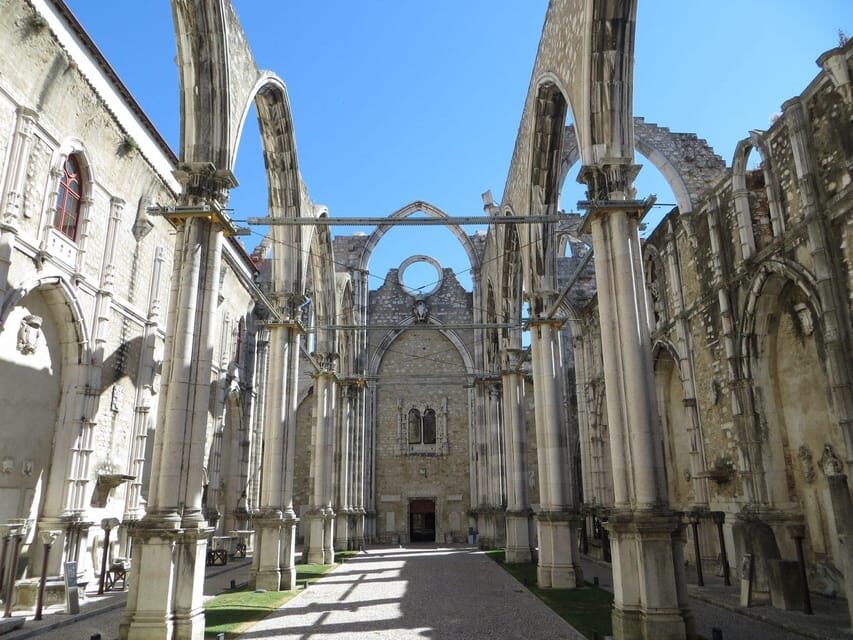
The tour finishes with Praca do Comercio, Lisbon’s most important square and one of the longest in Europe. This stop is different from the miradouros. Instead of looking down and out, you’re looking at a ceremonial space where the city shows its public face.
You’ll see the Statue of King José I, symbolically crushing snakes in his path. That detail is the kind of thing a normal walk might miss. When your guide points out what the symbol means, it turns a photo opportunity into a story.
Praca do Comercio also acts like a closing chapter. By the time you get there, you’ve already built a sense of Lisbon’s viewpoints, its older neighborhoods, and its city core. The square gives you a grounding endpoint—an easy place to remember the day.
Guide Quality: Why Diego’s Excellence Shows Up in the Small Stuff
One of the best clues that this tour is well run is the guide experience. In a verified booking, Sonia praised the guide Diego as excellent, and that’s exactly the kind of difference you feel on a private tour. Good guides don’t just list places. They teach you where to look.
That shows up in details like:
- explaining what to notice outside major landmarks (rather than only pointing at them)
- connecting viewpoints so the photos become part of a single story
- making the history feel tied to the neighborhood you’re standing in, especially around Alfama and the 1755 earthquake context
With a private group, your guide can also handle pacing. You’re not trapped in the schedule of a large bus, and you’re not forced to rush through a miradouro where you really wanted time to frame a shot.
Price and Value: Is $106 per Person Worth It?
At $106 per person, this tour sits in the “serious day out” category, not the cheapest walking tour bucket. But you’re not only paying for transportation. You’re paying for guided interpretation, private routing, and time in the places that normally take effort to stitch together yourself.
Here’s the practical value math:
- Private tuk tuk + insurance included reduces the hassle factor and gives peace of mind
- Hotel pickup and drop-off (optional in the listing details, but pickup is included as described here) saves time in a city where transit between hills can eat your day
- You get description and history for each place rather than only “look over there” sightseeing
- A bottle of water is included, which sounds small, but it helps on hot days in Lisbon
If you’re traveling with limited time and you want Lisbon’s best viewpoints and key neighborhoods without planning every route hop, this price can feel fair. If you’re already comfortable navigating on your own and you don’t care much about guided storytelling, you might find cheaper options. But if you want the city to make sense fast, paying for guide-guided structure is often the smarter move.
Who Should Book This Lisbon Tuk Tuk Tour (and Who Should Skip)
This tour makes sense if you:
- want a private sightseeing day with less walking than a purely on-foot route
- care about viewpoints and photography
- like history and culture explained in plain language as you visit each stop
- want a smooth start and finish with pickup and drop-off
It may not be a fit if:
- you’re wheelchair user
- you have back problems (because there is walking time at stops)
- you’re pregnant (not suitable per the activity notes)
Also, think about your style. If you love long, slow wandering with lots of unplanned detours, a guided structure can feel limiting. But if you want a high-coverage day that still includes time to look, this tour is built for that.
Should You Book?
I’d book this tour if your priority is a guided, photo-ready Lisbon day that links viewpoints, neighborhoods, and history in a logical order. The combination of private tuk tuk transport, a local guide, and structured stops at places like Miradouro das Portas do Sol and Praca do Comercio makes it a strong value for time-crunched visitors.
I’d skip it only if your mobility needs make the short walking segments hard, or if you want a completely self-directed day with no guide-led route. Otherwise, this is the kind of Lisbon experience that helps you understand the city fast—and leaves you with photos that match the stories you learned while you were there.
FAQ
How long is the private Lisbon tuk tuk tour?
The duration is listed as 2 to 7 hours, depending on the starting time you choose.
Is this tour private?
Yes. It’s described as a private group tour.
What languages is the live guide available in?
The live guide is available in English, Spanish, Portuguese, and Italian.
Where does the tour start and end?
Pickup happens in Lisbon, and the tour returns you to Lisbon at the end.
What places will I see during the tour?
You’ll visit major Lisbon highlights including Miradouro spots (such as Portas do Sol, Sao Pedro de Alcantara, and Senhora do Monte), Alfama, Baixa de Lisboa, and Praca do Comercio, with additional stops along the way.
Is it accessible for wheelchair users or people with back problems?
No. It is listed as not suitable for wheelchair users and people with back problems, and it’s also listed as not suitable for pregnant women.